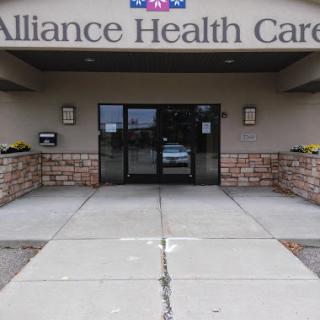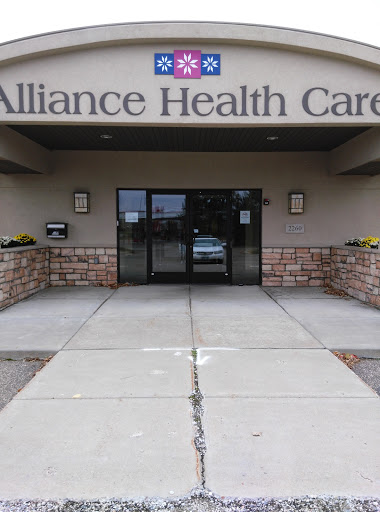

2260 Cliff Road, Eagan, MN 55122
For more information about senior living options: (866) 208-4318
Overall Review of Alliance Health Services III
Pros
 Lisa A. and Teresa M. have been absolutely phenomenal and thorough during the transition.
- The company has wonderful employees who consistently strive for quality care.
- The experience with the company has been great, with wonderful care and lovely doctors.
- The organization has a meaningful mission.
- The company trains home health workers.
- The staff show a high level of care and respect.
Cons
 The management team subjected the employee to ongoing mental and emotional abuse.
- The company suspended the employee and then fired them during the forced suspension, instilling fear in clients.
- The reviewer would never recommend this company to anyone.
- The sales agent was offended, sarcastic, and hung up, which discouraged the reviewer from enrolling in the plan.
- The company hounded the reviewer for months for mental health services, billed for an intake that produced nothing, and was described as a scam.
- A representative spoke rudely and disrespectfully about I-9 compliance, causing the reviewer to feel dismissed.
- Intake coordinators failed to communicate or provide direction, frustrating a parent of a disabled child.
- The phone system did not answer and voicemails were not returned, making it unfair to customers and clients.
Review
Alliance Health Services III in Eagan, MN is best suited for families that prioritize on-the-ground, compassionate care from frontline staff and are willing to navigate a volatile administrative environment. When the care team is engaged, the experience can be genuinely positive: attentive aides, supportive clinicians, and a mission-driven approach that values residents and clients. The strongest upside comes from individual staff members who deliver consistent kindness and competence, especially during transitions where trust andrapport matter. Yet the contrast between standout care and administrative turmoil is sharp, and the overall reliability of the operation hinges on factors that shift with leadership and policy changes.
Those considering alternatives should note that the most pressing red flags are administrative and communications-based rather than purely clinical. If a family demands reliable intake processes, transparent billing, predictable follow-through, and respectful, steady leadership, other providers will likely deliver more consistent results. This community’s highs depend on specific people in specific roles, and when those roles falter or policies shift, the entire experience can degrade quickly. For families with clients who require strict boundaries, consistent case management, or robust escalation paths, alternatives are a prudent starting point.
The positive elements, where they appear, often center on individual staff members who embody quality care. Several caregivers and clinicians are described as thorough, respectful, and capable, and there are references to meaningful, compassionate interactions with doctors and other professionals. These strengths matter, because when they align, the care can feel personalized and attentive, reducing anxiety for clients and families. However, these advantages are not enough to neutralize the weight of the negative steady drumbeat: management abuses alleged by a former employee, suspensions and terminations that appear to undermine trust, and a culture that can feel intimidating or uncooperative toward staff and clients alike. The gap between frontline compassion and upstairs policy creates a fragile balance that can tip with the next personnel change.
Operational friction compounds the risk. Intake processes are repeatedly described as disjointed or unresponsive, with timescales that stretch and explanations that fall short. Billing issues, particularly charges tied to intake that yield little or nothing, signal a pattern of misalignment between front-line services and administrative systems. Communication gaps extend beyond intake, coloring the experience with delays, unanswered questions, and frustration for families trying to coordinate care. In environments where a family is already navigating stress, such administrative instability translates to real consequences: missed start dates, uncertain scheduling, and inconsistent coverage that undermines safety and continuity of care.
Given these realities, families should approach with a clear plan. If choosing Alliance, demand a concrete care plan with assigned caregivers, a written escalation path, and a single point of contact for scheduling and billing. Verify references for the specific clinicians who would be involved in care, and request a trial period to evaluate reliability before committing long-term. Prepare to monitor communications closely, and be prepared to pivot if responsiveness or professionalism deteriorates. The contrast between exceptional frontline care and troublesome administration makes it essential to establish guardrails upfront to protect the client’s wellbeing.
In the end, this community functions best for those who can tolerate a noticeable tension between frontline warmth and back-office instability, and who value the presence of highly capable staff members when they are available. For families seeking dependable, seamless operations, or for clients who require unwavering administrative professionalism, alternatives will likely deliver more predictable outcomes. If Alliance is pursued, it should be with a critical eye toward governance, explicit service-level commitments, and a plan for rapid escalation if expectations are not met. The decision rests on balancing real, commendable caregiving with a system that has shown itself capable of destabilizing that care through its own internal dynamics.
 21 resident community capacity
 Assisted Living
 Beauty salon
 Cable or satellite TV
 Dining room
 Fully furnished
 Garden
 Housekeeping services
 Kitchenette
 Move-in coordination
 Outdoor space
 Telephone
 Wi-Fi/high-speed internet available
 Minneapolis-St Paul International (6 miles away)
 24-hour call system
 Activities of daily living assistance
 Assistance with bathing
 Assistance with dressing
 Assistance with transfers
 Diabetes diet
 Meal preparation and service
 Medication management
 Mental wellness program
 Special dietary restrictions
 Transportation arrangement (medical)
 Transportation to doctors appointments




 Funding and Affording Assisted Living: A Thorough Overview
 Assisted Living Expenses and Long-Term Care Insurance: A Comprehensive Exploration
 Securing Financial Support for Assisted Living: A Comprehensive Overview