Timberdale Trace

Save

  • Interior

    A cozy hair salon station with chairs, a mirror, and a sink.
  • Decor

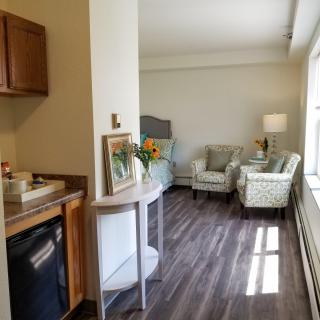
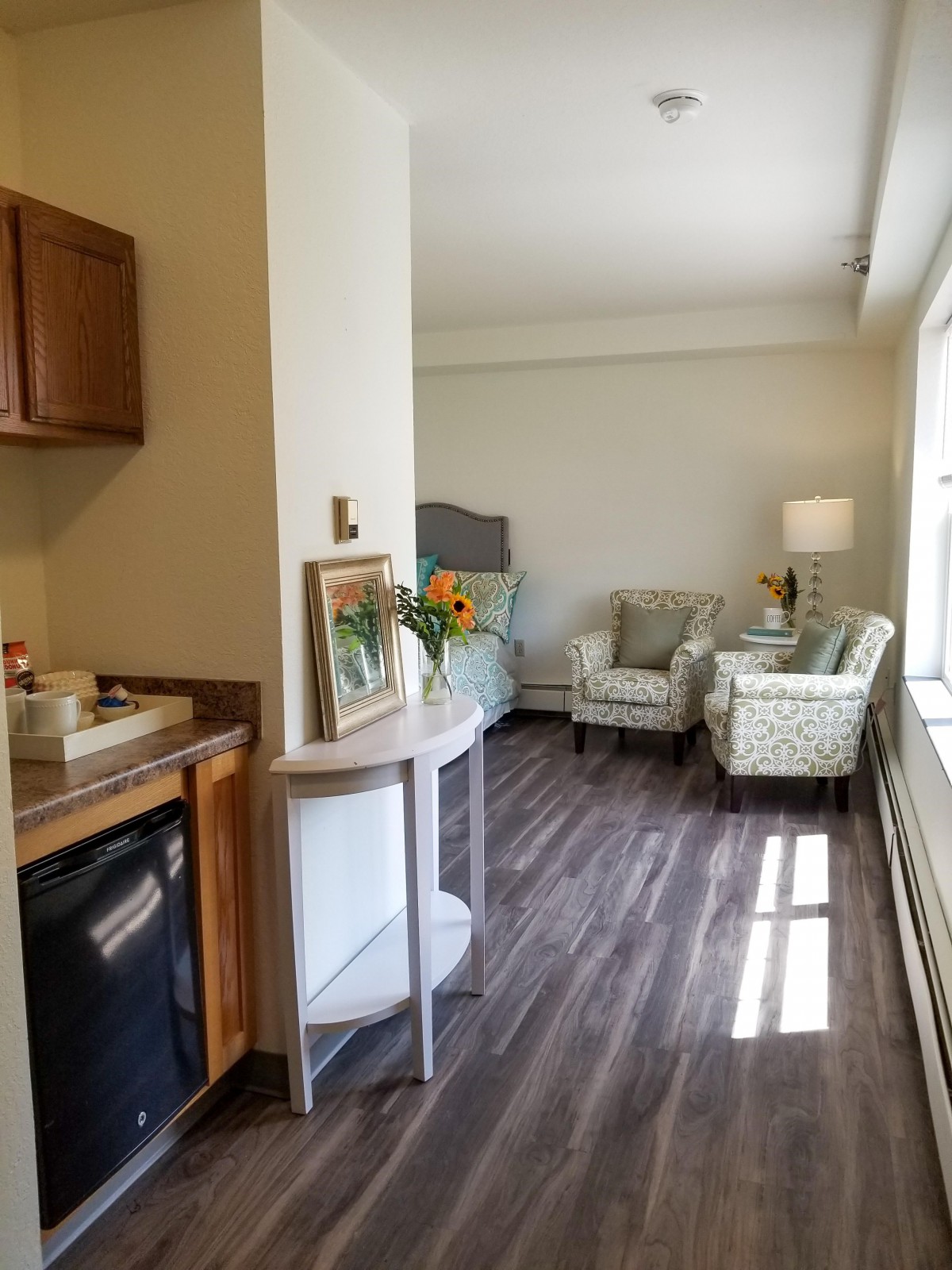
    A cozy room with a kitchenette, seating area, and large window allowing natural light.
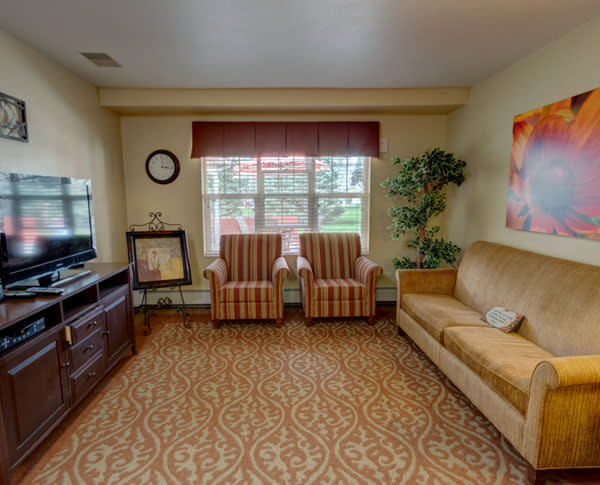
  • Living Room

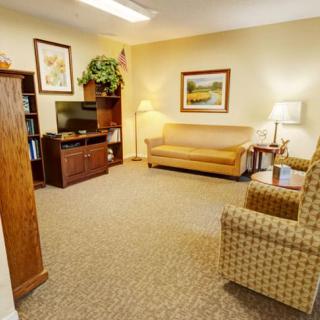
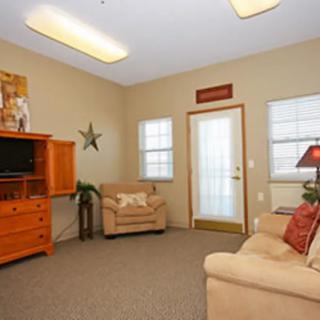
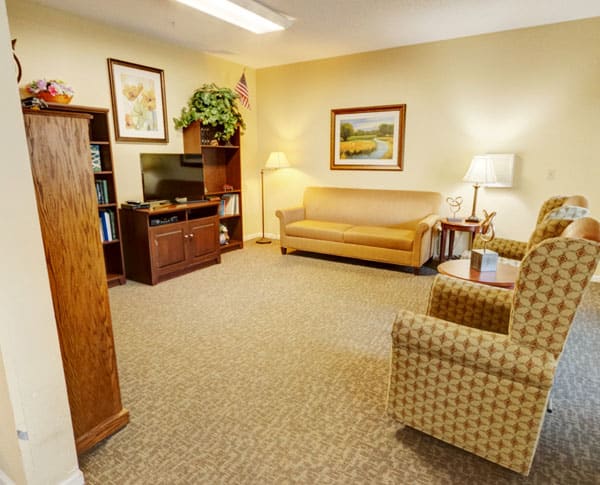
    A cozy living room with a sofa, chairs, and a television.
  • Architecture

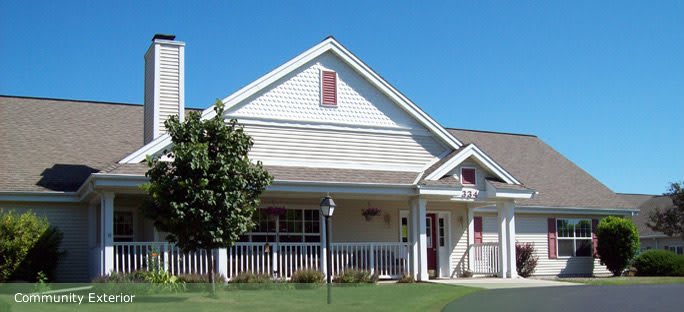
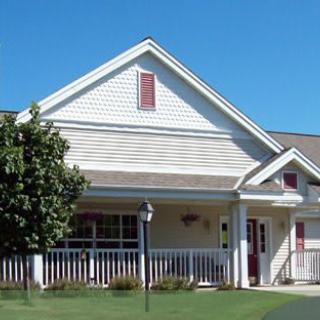
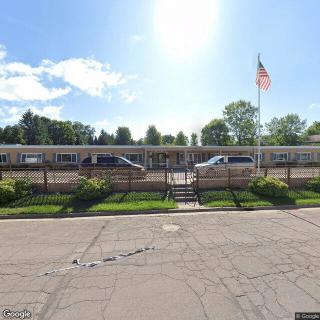
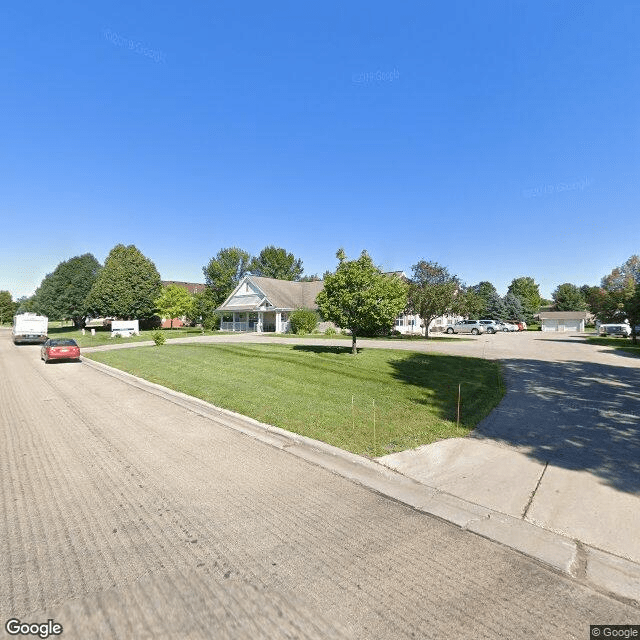
    A suburban residential house with a well-kept lawn and clear blue sky.
  • Bedroom

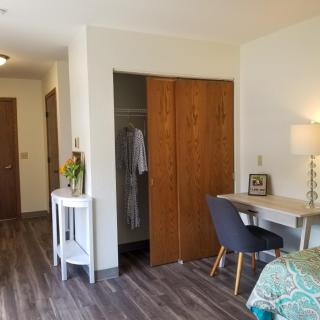
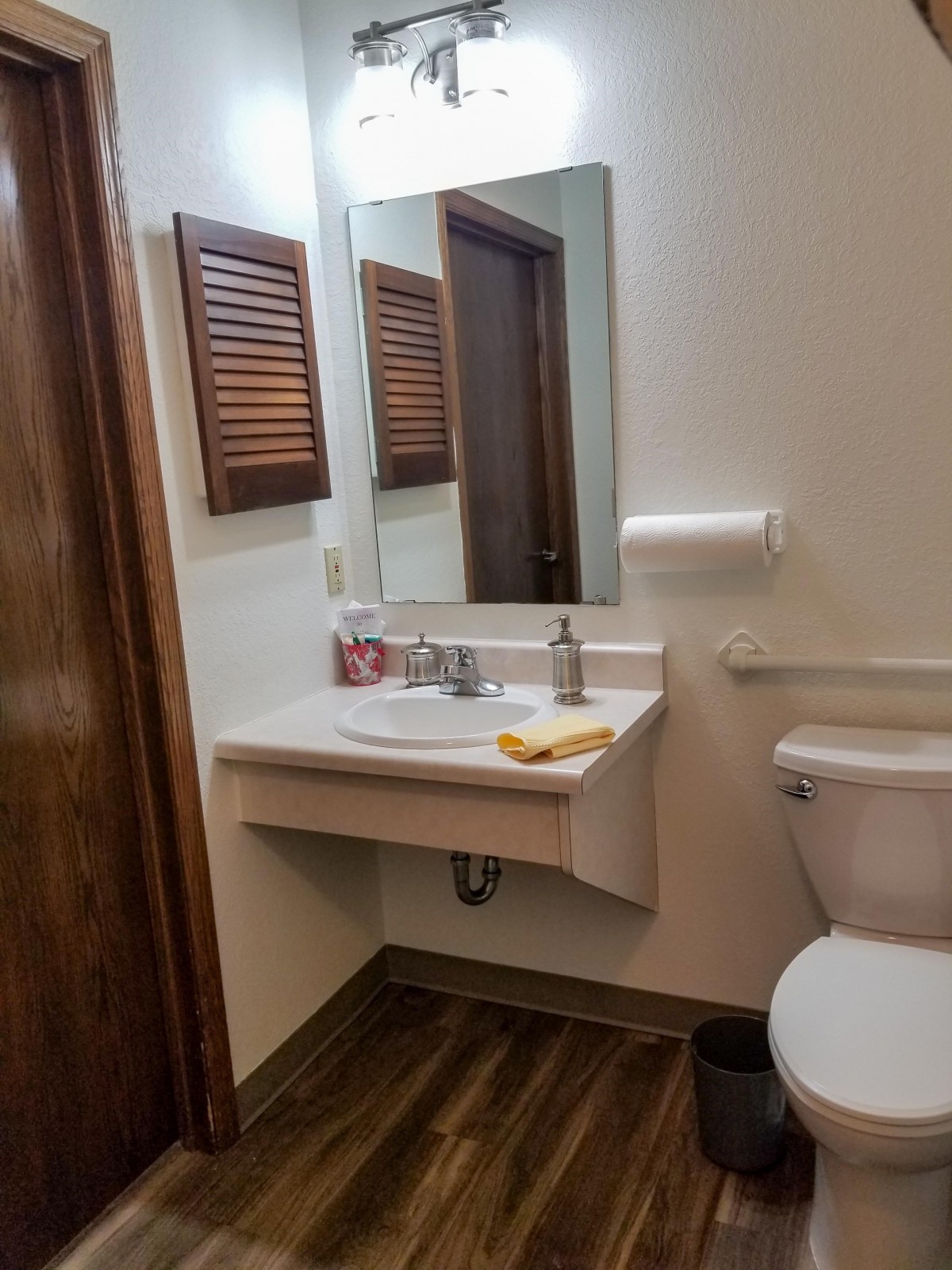
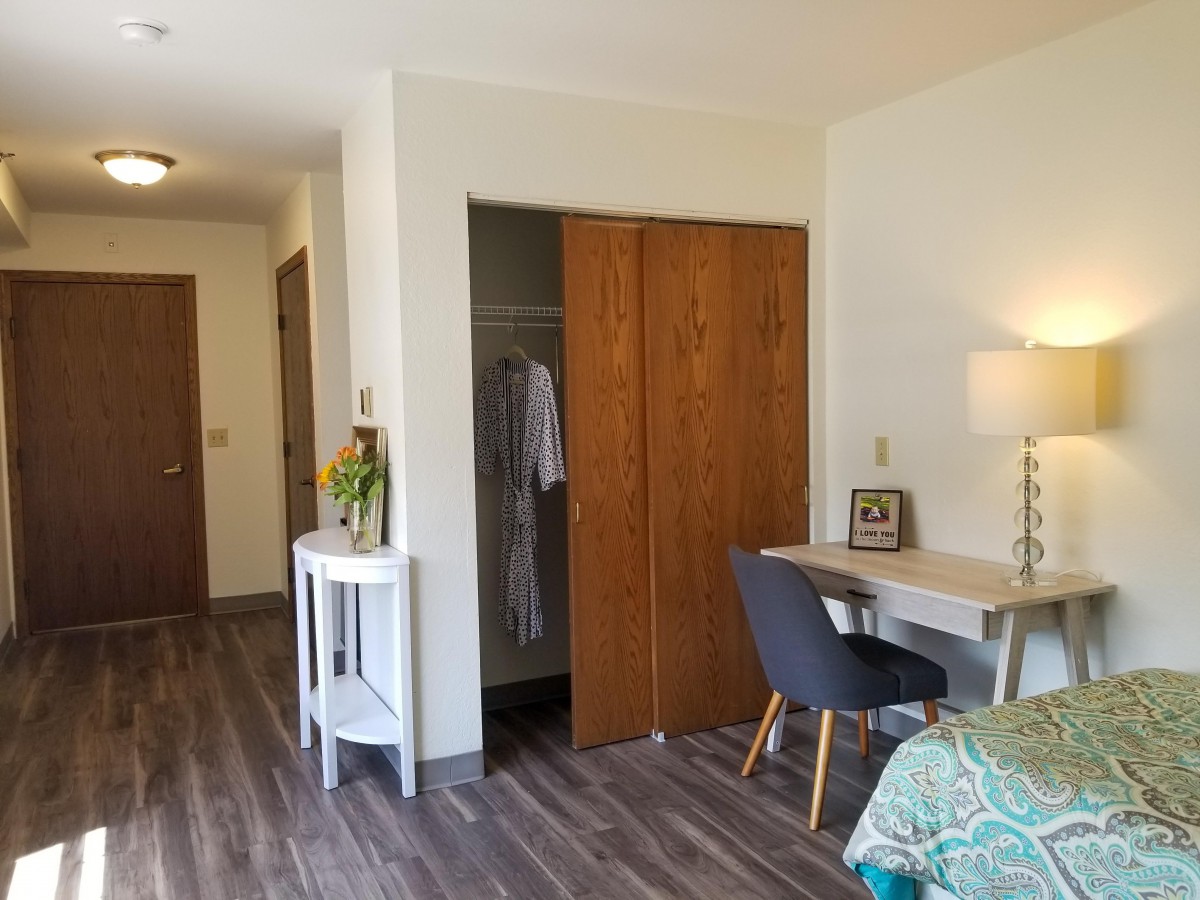
    A cozy bedroom with a desk and chair, wooden closet doors, and modern decor.
  • Trees

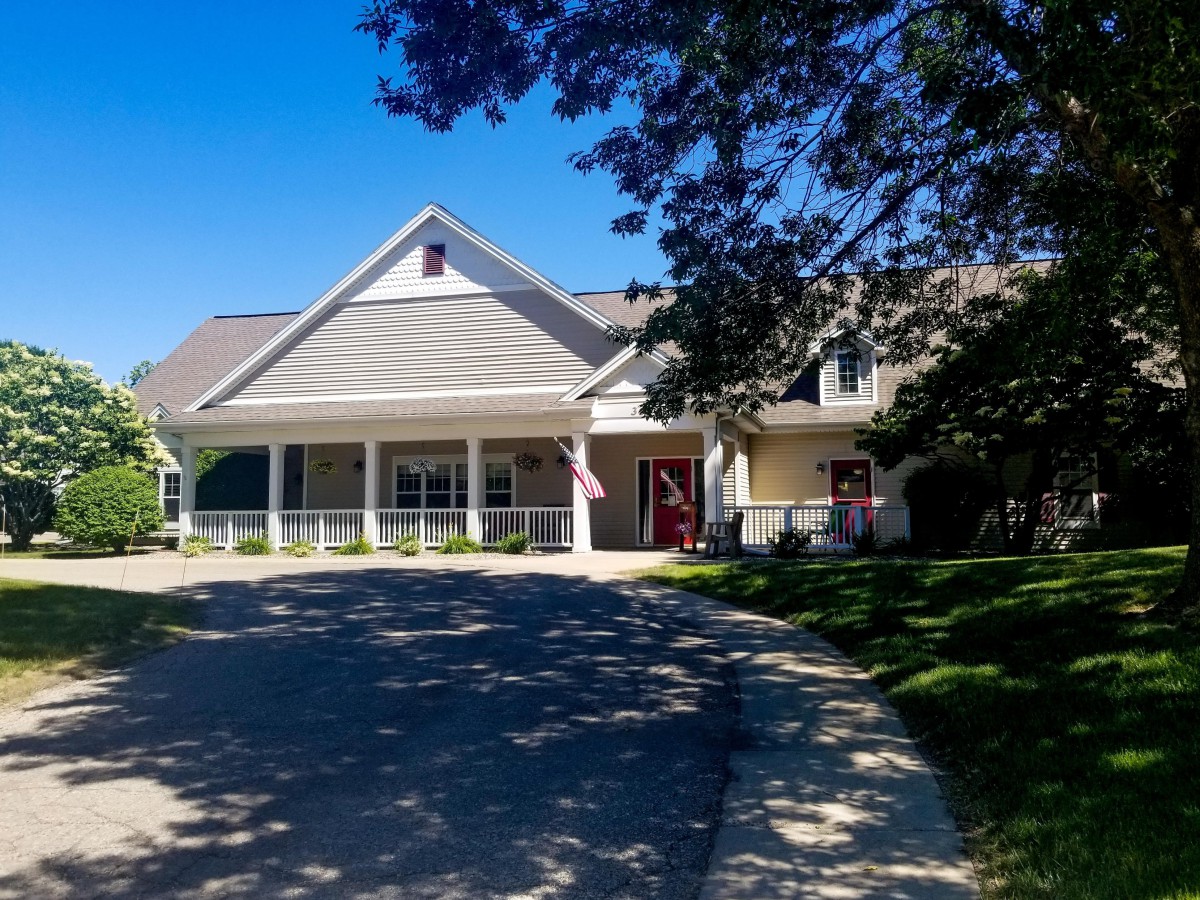
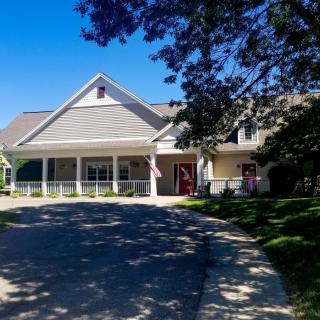
    A charming house with a spacious driveway and surrounding trees under a clear blue sky.
  • Windows

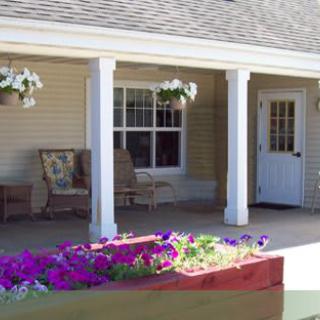
    A cozy porch with flowers, hanging plants, and outdoor seating.
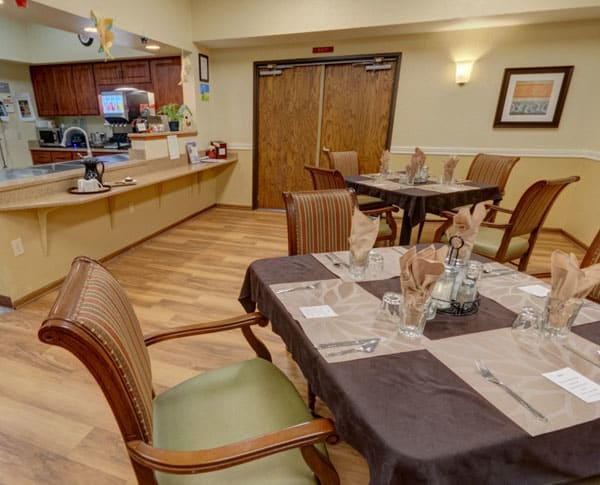
  • Dining

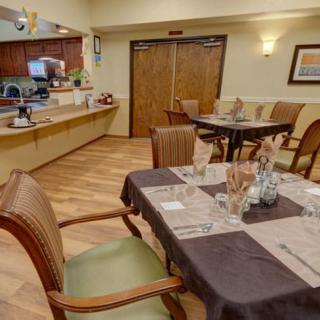
    A cozy dining area with neatly set tables and chairs, ready for guests.
  • Landscaping

    A vibrant garden bed featuring chives and lavender in full bloom.
  • Garden

    Cabbages growing in a raised garden bed.
  • Entrance

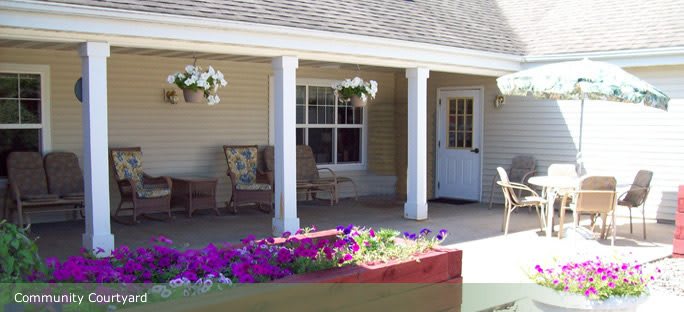
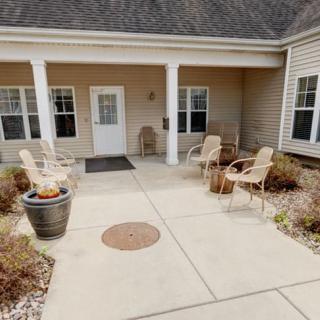
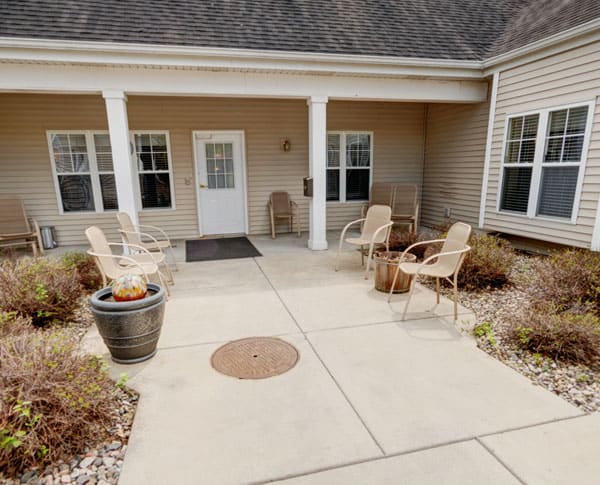
    A cozy outdoor patio area with chairs and plants at the entrance of a building.
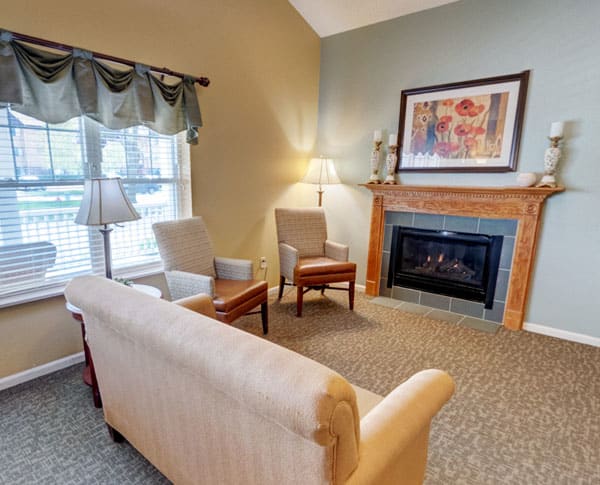
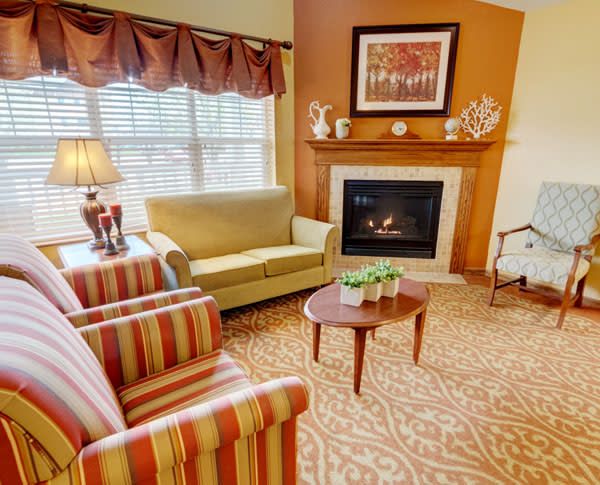
  • Fireplace

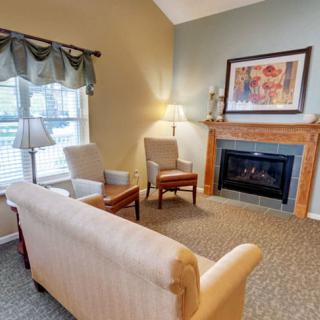
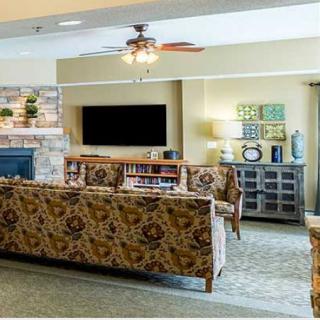
    A cozy living room with a sofa, chairs, and a fireplace.
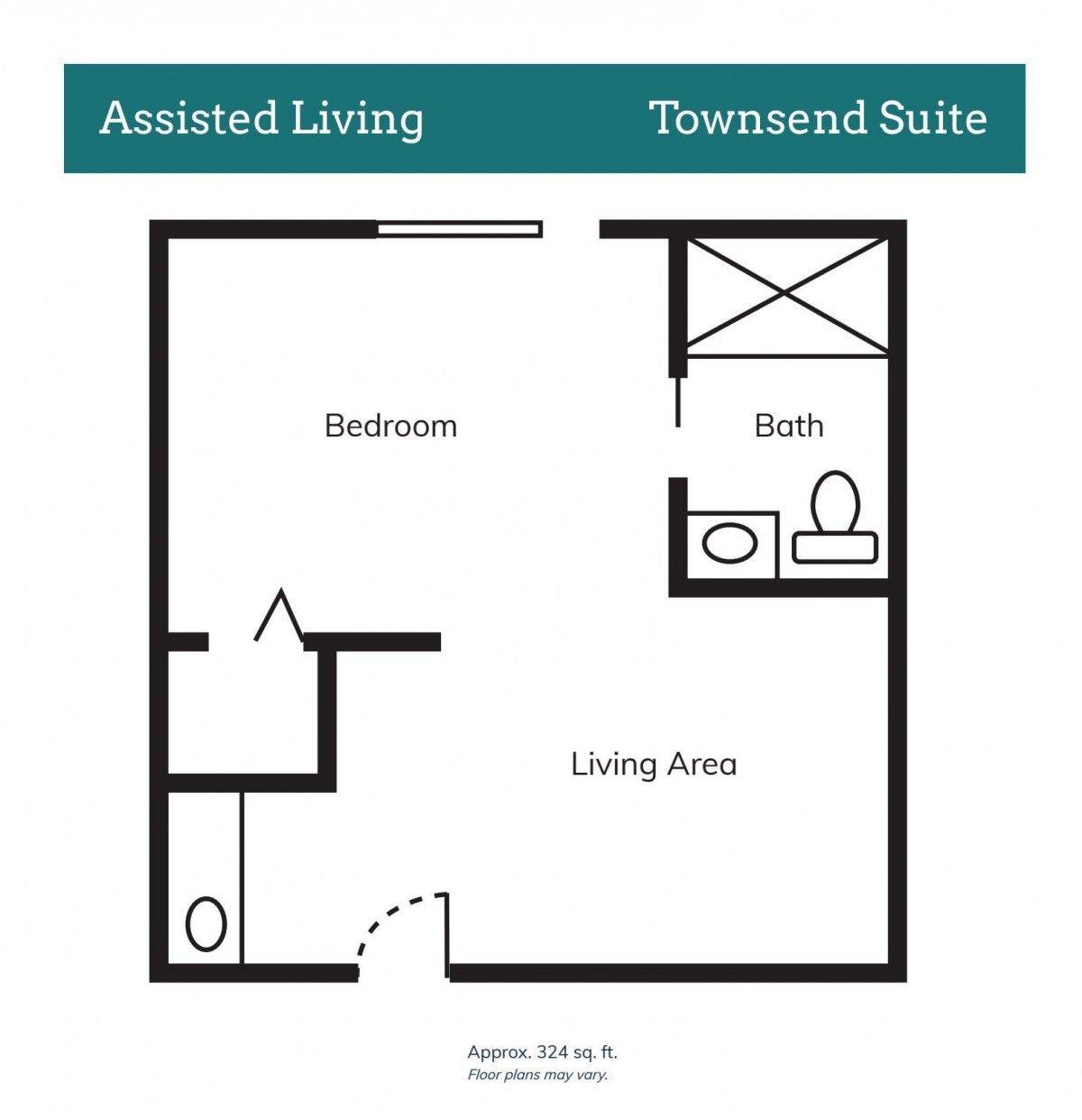
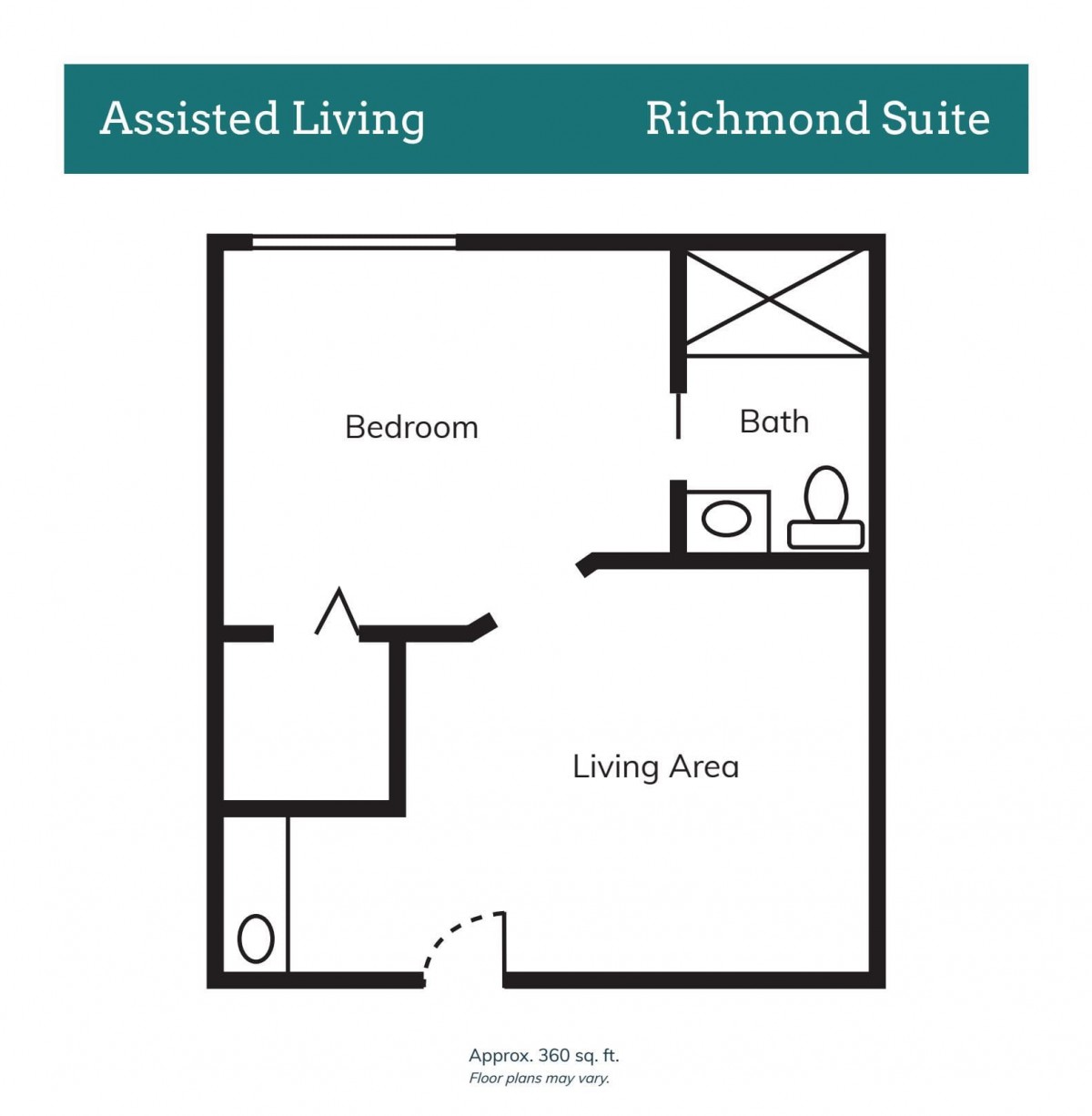
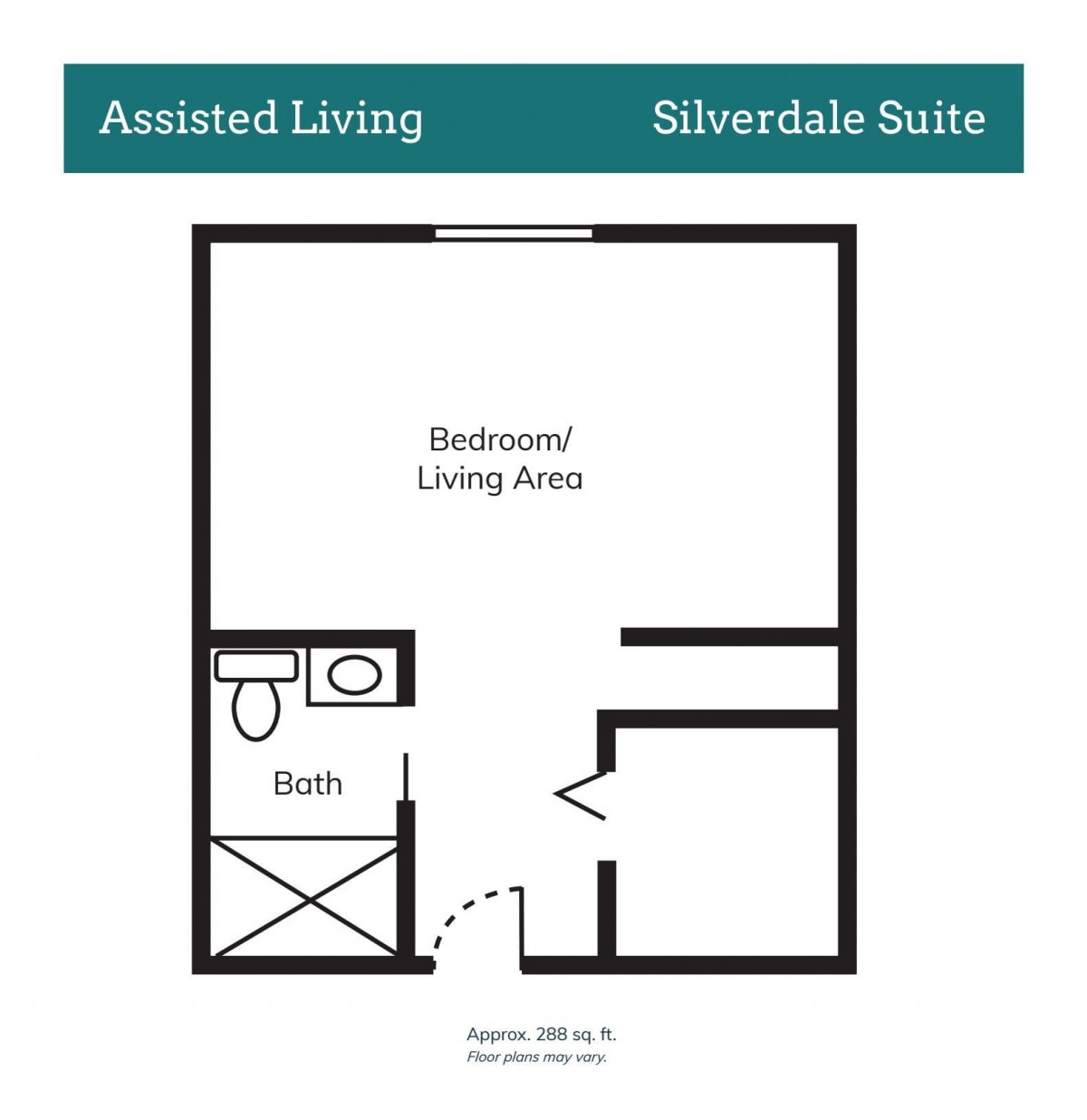
  • Floor Plan

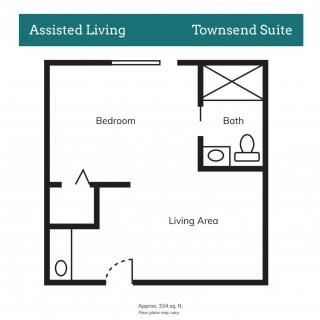
    Floor plan of an assisted living Townsend Suite showing the layout with a bedroom, living area, and bathroom.
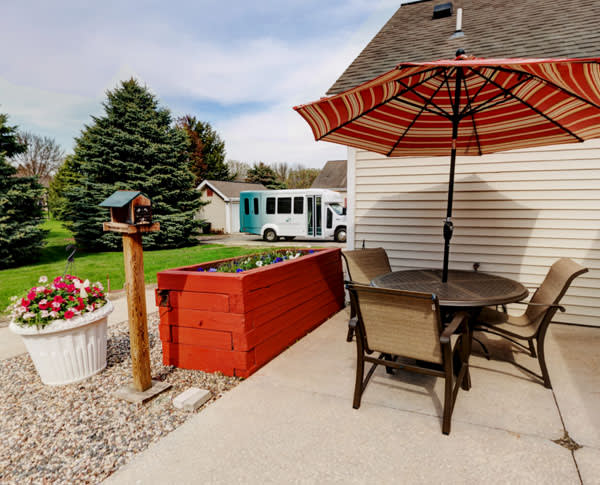
  • Patio

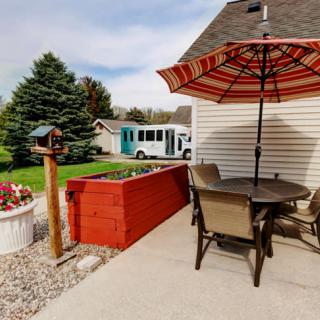
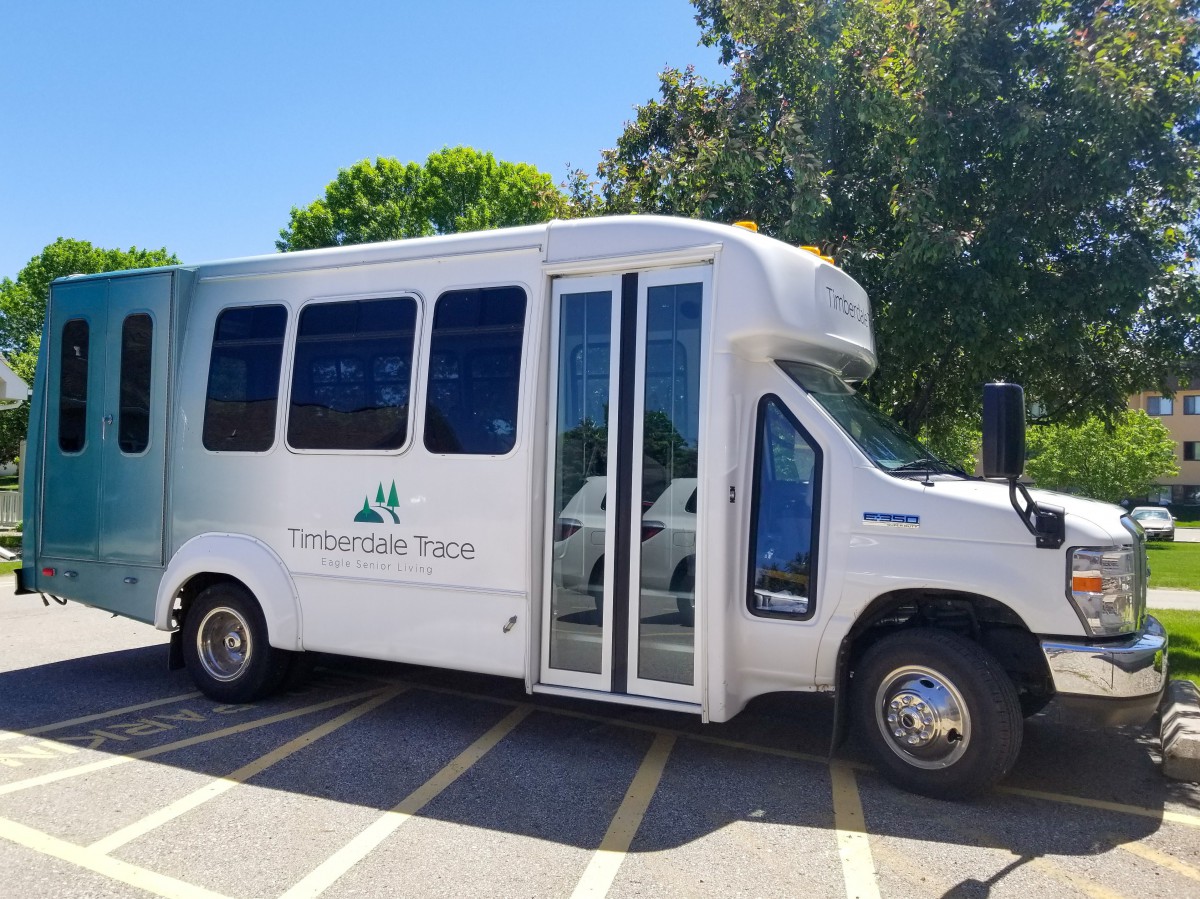
    A cozy patio with an umbrella and seating, overlooking a suburban garden with a bus parked in the background.

Timberdale Trace

334 Cedardale Dr SE, Owatonna, MN 55060

For more information about senior living options: (844) 490-3973

4.1 from 56 reviews
5 stars
31
4 stars
14
3 stars
2
2 stars
5
1 stars
4

Assisted Living Memory Care Skilled Nursing Facility

Timberdale Trace Costs & Pricing

Timberdale Trace presents a range of monthly accommodation costs that reflect its premium offerings in comparison to both Steele County and the broader Minnesota market. For instance, the monthly rate for a studio at Timberdale Trace is $4,095, significantly higher than Steele County's average of $3,699 and Minnesota's state average of $3,617. The semi-private room option at Timberdale Trace also stands out at $4,790, surpassing both county and state averages of $4,128 and $4,051 respectively. Notably, the one-bedroom unit is priced at $6,075 - a considerable increase when juxtaposed with Steele County's average of $3,936 and Minnesota's more competitive rate of $2,893. These figures suggest that while Timberdale Trace may represent a larger investment compared to its regional counterparts, it likely offers enhanced amenities or services that cater to a discerning clientele seeking quality care and comfort.

Floor plansTimberdale TraceSteele CountyMinnesota
Studio$4,095$3,699$3,617
Semi-Private$4,790$4,128$4,051
1 Bedroom$6,075$3,936$2,893

Overall Review of Timberdale Trace

Pros

  • pro The staff really care and do a great job treating every resident like family.
  • pro The floor staff are amazing and really care about all the residents.
  • pro The cook is amazing with the residents.
  • pro The community provides a great deal of support to staff, families, and residents, and keeps residents active with outings.
  • pro Timberdale Trace is an amazing place with caring and compassionate employees.
  • pro The staff go above and beyond for the residents they serve.
  • pro The facility is welcoming, clean, and located in a nice part of town.
  • pro There are many activities that keep residents engaged, such as morning exercise, crafts, and church service viewing.

Cons

  • pro They can't keep a nurse longer than 3 months.
  • pro The dietary staff are very rude and the food is not worth the cost.
  • pro The sales representative cannot have a real conversation and doesn't know the residents' names.
  • pro The move-in process was chaotic.
  • pro Some of the staff aren't as attentive as they should be.
  • pro Occasionally the meals are not very good.
  • pro It was a terrible experience; do not go.
  • pro The grandmother had to endure unbearably hot and humid rooms in the summer and very hot in the winter.
  • pro Things have been taken from her room and basics like toilet paper and towels aren't provided.
  • pro The director claims to be "trying," but nothing has been done.
  • pro The bedrooms are quite small and there are no larger size options.

Review

Timberdale Trace comes across in many of these accounts as a place that genuinely feels like a small, closely watched community. Families repeatedly highlight the warmth and dedication of the floor staff, who are described as putting in countless hours and caring deeply about the residents. Several relatives mention feeling that their loved ones were treated like family and that the communal environment encouraged engagement through a steady stream of activities and outings. The facility is praised for its accessibility and layout, being on a single level with a welcoming atmosphere, clean spaces, and a setting that feels safe and comfortable for daily living. For many, the experiences that stand out most are the daily acts of care and the sense that the team there tries hard to create a home-like environment.

Yet the reviews also reveal a more complicated picture behind the positive impressions. A recurring concern centers on staffing stability and leadership. Several reviewers note frequent turnover among nurses and, at times, clinical staff, with one resident's family observing that nurses don't stay longer than about three months. This instability seems to contribute to concerns about continuity of medical care, particularly when medications aren't producing the expected results or when the root causes of medical issues aren't thoroughly investigated. There's a consistent sense that the prior director was deeply responsive and heard family and caregiver concerns, and that after that leadership left, some of those responsiveness and accountability efforts faded. The sentiment that management has not consistently addressed ongoing issues is echoed by multiple families, even as they still praise the day-to-day care delivered by the direct care staff.

Food and dining emerge as another mixed facet. On the positive side, several residents and family members commend the cooks and the way meals and snacks are prepared for residents, noting that the cooks interact well with the people living there. However, a number of reviewers describe the dietary staff as rude or not very attentive, and they question the value of the meals for the price paid. The contrast is striking: one person mentions the dietary director and PM server as problematic, while another praises the overall quality of food and even calls out specific efforts by kitchen staff who connect well with residents. The overall takeaway is that dining can be good and enjoyable, but inconsistencies and perceived disrespect from some dietary personnel dampen the experience for some families.

The memory care unit, which is a focal point for many visitors and potential residents, is described with mixed specifics about space and layout. Some reviewers found the memory care area to be smaller and less expansive than other parts of the campus, with a memory unit that doesn't feel as large or as well-equipped as the rest of the community. A tour described the memory unit as having a circular layout of rooms and a more confined space, which some viewed as practical but not as appealing as the larger, more open areas elsewhere. Despite these drawbacks, there are stories of positive engagement - staff who know residents well, outings that include memory care participants, and a general sense of warmth from the team. For families evaluating whether Timberdale Trace's memory care would meet a loved one's needs, the consensus is nuanced: the space and program can work very well for some, but for others who require a higher level of care, there may be concerns about whether the facility can meet those needs on an ongoing basis.

Real-life experiences of families add further texture to the overall impression. Some families describe move-in periods that were chaotic but ultimately settled into a routine after a few months, with residents and their families gradually finding their new rhythms. The community fosters a sense of activity and connection - exercise in the mornings, crafts in the afternoons, weekly church service views, and regular outings that the community bus makes available. There are anecdotes about helpful support with errands and appointments, such as transportation to eye exams without additional fees, which is portrayed as a meaningful convenience. Coffee and cookies at 2:00 p.m., a social rhythm of events, and the opportunity to join outings to places like Perkins add to the sense of a busy, engaged community.

But there are also deeply felt criticisms rooted in safety, comfort, and responsiveness. A few reviewers recount distressing experiences where the living environment felt too warm in the summer or too cold in the winter, with one grandmother's discomfort in a humid, hot room standing out as an extraordinarily painful memory for the family. Other stories mention missing basics like toilet paper and towels, with families repeatedly having to call to ensure supplies were provided. In one particularly strong indictment, a reviewer described the overall experience as terrible and expressed a desire to remove a loved one from the facility, citing emotional distress and a lack of tangible changes despite assurances from administrators. In some cases, reviewers describe a mismatch between the level of care their loved ones need (such as hospice-level needs) and the services Timberdale Trace provides, suggesting that for residents requiring more intensive or specialized care, the community may not be the best fit.

Despite these challenges, several voices foreground genuine gratitude and reassurance. Many families credit Timberdale Trace with having a dedicated, compassionate staff who consistently go above and beyond for residents. The activity therapist, in particular, is singled out as a standout member of the team, helping residents engage with the broader community and maintain meaningful routines. The sense of safety, the attentiveness of the front-line caregivers, and the general warmth of the community create a strong counterbalance to the criticisms. For some families and residents, Timberdale Trace remains a place where their loved ones are treated with kindness, where daily life feels structured and active, and where there is a continuing willingness among staff to listen and adapt, even if there is room for improvement on management, communication, and consistent medical oversight.

Overall, Timberdale Trace presents a blended portrait: a welcoming, intimate community that many families value for its caring staff, robust activity calendar, and safer, one-level environment. At the same time, the reviews underscore ongoing tensions around leadership changes, staff turnover, and the alignment of care levels with resident needs - particularly in memory care and with medical or hospice-related care. The facility is described by some as a wonderful fit that feels like a family, and by others as a place with meaningful strengths overshadowed by persistent management gaps and service gaps. For families considering Timberdale Trace, the message is clear: the staff and day-to-day culture can be excellent, but careful questions about leadership continuity, medical oversight, memory care capacity, and consistent access to basic supplies are essential to ensure the match between resident needs and the community's offerings.

Features

Housing

  • 1-bedroom apartments 1-bedroom apartments1-bedroom apartments are important for seniors because they provide a sense of independence, privacy, and autonomy while still offering the necessary space for comfortable living. These apartments allow seniors to maintain their own personal space and lifestyle preferences in a supportive community setting.
  • Studio apartments Studio apartmentsStudio apartments are important for seniors because they offer a smaller, more manageable living space that is easier to navigate and maintain as physical abilities decline. Additionally, studio apartments provide seniors with independence and privacy while still being part of a community that offers support and social opportunities.

Types of Care

  • Assisted Living Assisted LivingAssisted living facilities provide crucial support and care for seniors who may need help with daily tasks such as medication management, bathing, and meal preparation. These communities offer a safe and comfortable environment where seniors can maintain their independence while receiving the assistance they need to thrive in their golden years.
  • Memory Care Memory CareMemory care is crucial for seniors as it provides specialized support and services for individuals with dementia or Alzheimer's disease. These programs offer a safe and secure environment where residents receive personalized care, cognitive stimulation, and help with daily activities. Memory care helps seniors maintain their independence, quality of life, and dignity while also providing peace of mind for their families.
  • Skilled Nursing Facility Skilled Nursing FacilitySkilled Nursing Facilities are crucial for seniors as they provide round-the-clock medical care, rehabilitation services, and assistance with daily activities. These facilities ensure that seniors receive the specialized care they need to maintain their health and well-being as they age.

Pets

  • Cats allowed Cats allowed"Pet friendly" senior living communities are important for seniors because pets provide companionship, reduce feelings of loneliness and depression, promote physical activity and mental stimulation, and offer a sense of purpose and responsibility. Pets can improve overall well-being and quality of life for seniors in many ways.
  • Dogs allowed Dogs allowed"Pet friendly" senior living communities are important for seniors because pets provide companionship, reduce feelings of loneliness and depression, promote physical activity and mental stimulation, and offer a sense of purpose and responsibility. Pets can improve overall well-being and quality of life for seniors in many ways.

Amenities

  • Activities off-site Activities off-siteEngaging in off-site activities is crucial for seniors to maintain social connections, stay active, and stimulate their minds. It promotes overall well-being and helps combat feelings of isolation and loneliness.
  • Activities on-site Activities on-siteActivities on-site are important for seniors because they provide opportunities for socialization, mental stimulation, physical activity, and overall well-being. Engaging in activities can help seniors stay active, maintain their independence, and improve their quality of life.
  • Beautician on-site Beautician on-siteHaving a beautician on-site at a senior living community is important for seniors as it allows them to easily access grooming and personal care services, boosting their self-esteem and overall well-being. It also provides convenience and helps seniors maintain their sense of independence and personal style.
  • Devotional services on-site Devotional services on-siteDevotional services on-site provide seniors with spiritual support and a sense of community, as well as an opportunity for reflection and guidance during their senior living experience. This can promote emotional well-being and connection to others, leading to a more fulfilling and enriching lifestyle in their later years.
  • Dining room Dining roomDining rooms are important for seniors as they provide a space for socialization, connection, and nutritious meals. They offer opportunities for residents to bond over shared meals, foster a sense of community, and promote healthy eating habits. Dining rooms also ensure that seniors have access to well-balanced meals tailored to their dietary needs and preferences.
  • Garden GardenGardens are important for seniors as they provide a peaceful and therapeutic environment for relaxation, physical activity, and socialization. Being in nature has been shown to reduce stress, improve mood, and promote overall well-being. Gardens also offer opportunities for seniors to engage in gardening activities, which can improve mobility, flexibility, and cognitive function. Additionally, gardens create a sense of community and connection with others who share a passion for plants and outdoor spaces.
  • Ground floor units Ground floor unitsGround floor units are important for seniors because they provide easy accessibility, reduced risk of falls and injuries, and convenience for those with mobility issues. Seniors can avoid climbing stairs or using elevators, making daily tasks and activities more manageable and enjoyable.
  • Housekeeping services Housekeeping servicesHousekeeping services are important for seniors because they help maintain a clean and safe living environment, promote independence, and reduce the risk of accidents or illnesses. Additionally, having assistance with household chores can alleviate physical strain and allow seniors to focus on other aspects of their well-being.
  • Indoor common areas Indoor common areasIndoor common areas are crucial for seniors as they provide a space for socialization, recreation, and community engagement, promoting overall well-being and reducing feelings of isolation and loneliness.
  • Outdoor common areas Outdoor common areasOutdoor common areas are important for seniors as they provide a space for socialization, physical activity, and relaxation. Being outside in nature can improve mood and overall well-being, while also encouraging movement and engagement with others. These spaces can help combat feelings of isolation and promote a sense of community among residents.
  • Private bathrooms Private bathroomsPrivate bathrooms are important for seniors in senior living communities because they provide independence, dignity, and comfort. Having a private bathroom allows seniors to maintain their personal hygiene routines without the need for assistance, promoting a sense of autonomy and privacy. Additionally, private bathrooms help prevent the spread of infections and provide a safe and clean environment for seniors to navigate safely.
  • Resident parking Resident parkingResident parking is crucial for seniors in a senior living community as it provides convenience, accessibility, and safety for residents who may have limited mobility or rely on personal vehicles for transportation. Having designated parking spaces ensures that seniors can easily access their homes without having to walk long distances or navigate crowded parking lots, ultimately enhancing their overall quality of life and sense of independence.
  • Respite or short term stays offered Respite or short term stays offeredRespite or short term stays provide seniors with a temporary solution when their regular caregiver is unavailable, offering them the opportunity to receive additional care and support during times of need, while also giving caregivers a chance to rest and recharge.
  • Swimming pool Swimming poolSwimming pools are important for seniors as they provide a low-impact form of exercise that can improve cardiovascular health, increase muscle strength and flexibility, and help maintain mental well-being. Additionally, swimming can relieve joint pain and stiffness associated with conditions such as arthritis, making it an ideal activity for older adults looking to stay active and healthy.
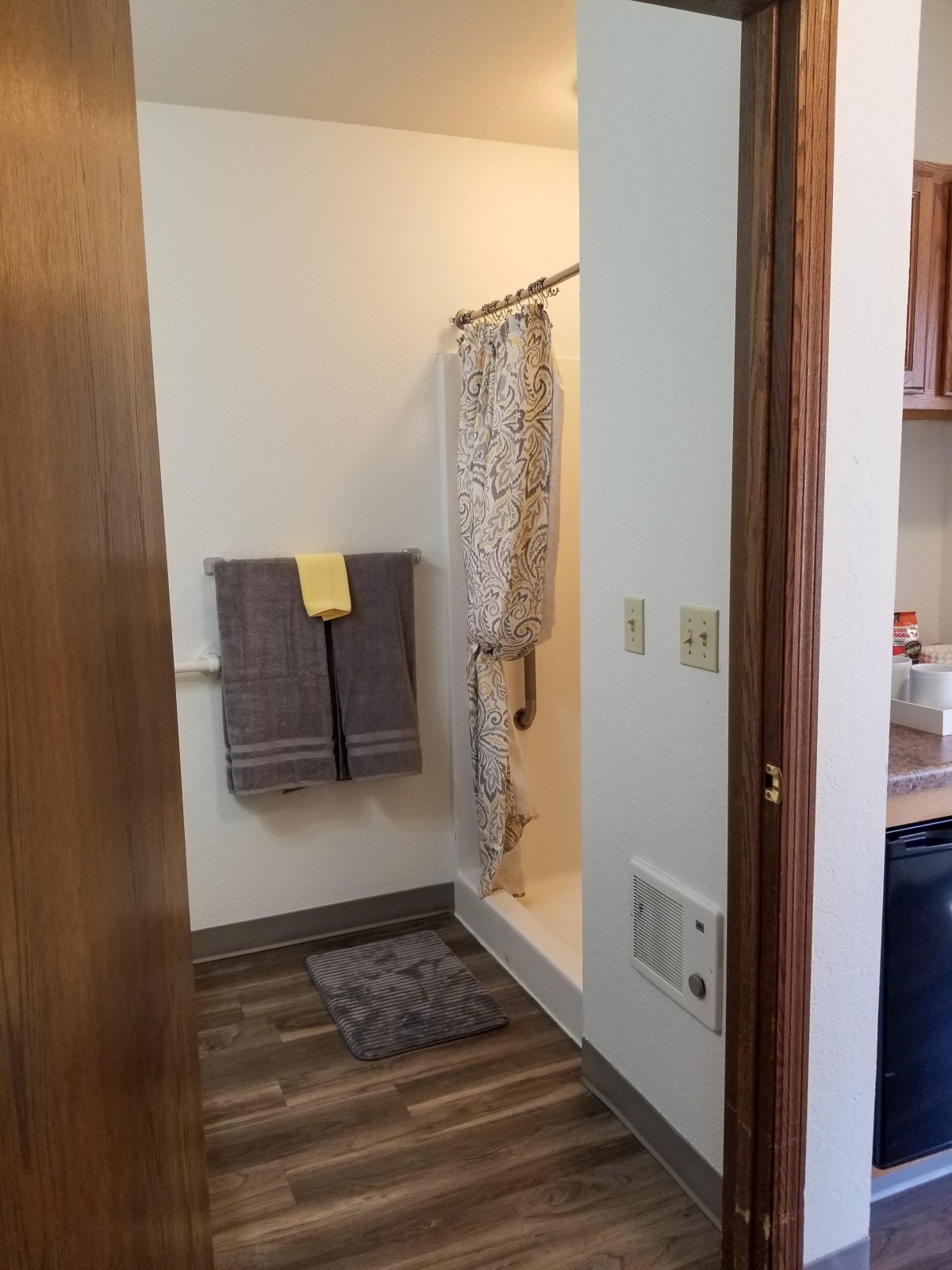
  • Wheelchair accessible showers Wheelchair accessible showersWheelchair accessible showers are crucial for seniors as they provide a safe and independent bathing option for those with mobility challenges. These showers help prevent falls and allow seniors to maintain their dignity and autonomy while ensuring they can bathe comfortably.
  • Wi-Fi/high-speed internet available Wi-Fi/high-speed internet availableWi-Fi/high-speed internet is important for seniors to stay connected with loved ones, access online resources, and participate in virtual activities to combat feelings of loneliness and isolation. It also allows them to easily manage healthcare needs, access entertainment, and engage in lifelong learning opportunities.

Care Services

  • Ambulatory care Ambulatory care"Ambulatory care services provide essential medical support and treatment to seniors without requiring hospitalization, allowing them to maintain their independence and quality of life while managing chronic conditions or receiving routine medical care."
  • Diabetic care Diabetic careDiabetic care is crucial for seniors as they are more susceptible to developing diabetes due to aging and other health conditions. Proper management of diabetes can help prevent complications such as heart disease, vision loss, and nerve damage, improving the overall quality of life for seniors in senior living communities.
  • High acuity care High acuity careHigh acuity care is important for seniors because it provides specialized medical attention and support for individuals with complex medical needs. This level of care ensures that seniors receive the appropriate treatment and assistance to maintain their health and quality of life as they age.
  • Incontinence care Incontinence careIncontinence care is essential for seniors to maintain their dignity, hygiene, and overall quality of life. By addressing incontinence issues promptly and effectively, seniors can enjoy a sense of independence and comfort in their daily activities.
  • Medication management Medication managementMedication management is crucial for seniors to ensure they are taking the right medications at the correct dosages and times. This helps prevent adverse drug interactions, reduces the risk of medication errors, and promotes overall health and well-being. Proactive management also allows for adjustments as needed based on changing health conditions or new prescriptions.

Dining

  • Guest meals Guest mealsGuest meals are important for seniors living in senior living communities because they provide an opportunity for socialization and companionship. Sharing a meal with friends, family, or new acquaintances can help combat feelings of loneliness and isolation, promote a sense of community, and enhance overall well-being. Additionally, guest meals allow seniors to enjoy delicious food in a comfortable setting without the hassle of cooking or cleaning up, making dining a pleasurable and stress-free experience.
  • Low / no sodium Low / no sodiumLow/no sodium options are important for seniors because excessive sodium intake can lead to high blood pressure, heart disease, and other health issues commonly experienced by older adults. By choosing low/no sodium foods, seniors can better manage their health and reduce their risk of developing these conditions.
  • Meals provided Meals provided"Meals provided" are crucial for seniors in assisted living communities as it ensures they have access to nutritious, balanced meals without the stress of meal planning and preparation. This can help promote overall health and well-being for seniors who may have limited mobility or cognitive abilities.
  • No Sugar No SugarNo sugar diets are important for seniors because they can help prevent or manage chronic conditions such as diabetes, heart disease, and obesity. Sugar can also contribute to cognitive decline and inflammation in the body, so reducing sugar intake can lead to overall improved health and well-being in older adults.
  • Restaurant style dining Restaurant style diningRestaurant style dining is important for seniors as it offers them a social and enjoyable dining experience, promotes healthy eating habits, and provides personalized menu options to cater to their dietary needs and preferences. This type of dining setting can enhance their overall quality of life and create a sense of community within the senior living facility.
  • Room service Room serviceRoom service is important for seniors in a senior living community because it provides convenience and allows them to have their meals delivered directly to their room. This can be especially beneficial for seniors who may have mobility issues or difficulty accessing the dining area. Room service ensures that seniors are able to receive nutritious meals without having to navigate through the facility, allowing them to maintain their independence and overall well-being.
  • Special dining programs Special dining programsSpecial dining programs are important for seniors because they provide nutritious meals tailored to their dietary needs and preferences. These programs also offer socialization opportunities, promote overall health and well-being, and can help prevent malnutrition.

Activities

  • Activities off-site Activities off-siteEngaging in off-site activities is crucial for seniors to maintain social connections, stay active, and stimulate their minds. It promotes overall well-being and helps combat feelings of isolation and loneliness.
  • Art classes Art classesArt classes are important for seniors because they provide a creative outlet, improve cognitive function, reduce stress and anxiety, promote socialization, and enhance overall well-being and quality of life.
  • Catholic services Catholic servicesCatholic services are important for seniors because they provide spiritual support, a sense of community, and opportunities for social interaction that can enhance overall well-being and quality of life in their later years.
  • Cooking classes Cooking classesCooking classes are important for seniors as they provide opportunities for social interaction, enhance cognitive skills, promote healthy eating habits, and boost confidence in the kitchen.
  • Day trips and outings Day trips and outingsDay trips and outings are important for seniors as they provide opportunities for socialization, mental stimulation, physical activity, and a break from daily routines. These experiences can enhance overall well-being and quality of life for older adults living in senior communities.
  • Devotional activities on-site Devotional activities on-siteDevotional activities on-site provide seniors with a sense of community, spiritual fulfillment, and emotional support, promoting overall well-being and a positive sense of purpose in their lives.
  • Educational speakers / life long learning Educational speakers / life long learningEducational speakers and lifelong learning opportunities are crucial for seniors as they provide mental stimulation, promote social engagement, and contribute to overall well-being. Continuous learning helps seniors stay mentally sharp, build new skills, and maintain a sense of purpose and fulfillment in their lives. It also allows them to stay connected to the world around them and fosters a sense of community within senior living facilities.
  • Fitness programs Fitness programsFitness programs are crucial for seniors as they help improve strength, flexibility, balance, and overall well-being. Staying active can reduce the risk of chronic diseases, improve mental health, and enhance quality of life in older adults.
  • Happy hour Happy hourHappy hour is important for seniors as it provides a social activity that promotes camaraderie and reduces feelings of loneliness or isolation. It also offers an opportunity for older adults to relax, unwind, and enjoy some drinks or snacks in a fun and welcoming atmosphere.
  • Karaoke KaraokeKaraoke provides seniors with a fun and social activity that can boost mood, confidence, and cognitive function. It encourages social interaction, physical movement, and creative expression, making it an important form of entertainment for senior living communities.
  • Live musical performances Live musical performancesLive musical performances can provide seniors with a sense of joy, nostalgia, and connection. Music has the power to evoke emotions and memories, improve mood and cognitive function, and foster social interaction among seniors. It can also serve as a form of therapy and stress relief for older adults, making it an important activity to include in senior living communities.
  • Other religious services Other religious servicesOther religious services are important for seniors as they provide a sense of community, spiritual comfort, and opportunities for socializing. These services can help seniors feel connected to their faith and maintain a sense of purpose and belonging in their later years.
  • Visiting chaplain or priest Visiting chaplain or priestHaving a visiting chaplain or priest at a senior living community is important for seniors because it provides spiritual support, comfort, and guidance during a time of life that can be challenging and uncertain. Their presence can help seniors feel connected to their faith, find peace of mind, and cope with the emotional and mental struggles they may face in their later years.
  • Wine tasting Wine tastingWine tasting can be a fun and social activity for seniors, allowing them to engage their senses, learn about different varieties of wine, and potentially meet new friends. It also offers health benefits such as improved cognitive function and reduced risk of heart disease when consumed in moderation.

Languages Spoken

  • English EnglishEnglish is important for seniors as it allows them to communicate effectively with healthcare providers, understand important information related to their health and medications, stay connected with loved ones, and engage in social activities within their communities. It also opens up opportunities for lifelong learning and intellectual stimulation.

Description

Timberdale Trace in Owatonna, MN is a vibrant assisted living community that offers studio apartments for individuals seeking a comfortable and supportive living environment. Our community specializes in Memory Care and Skilled Nursing Facility services to cater to the unique needs of our residents.

At Timberdale Trace, we prioritize the well-being and happiness of our residents. With a wide range of amenities, our community ensures that all individuals have access to engaging and fulfilling activities on-site. Residents can participate in art classes, cooking classes, fitness programs, educational speakers, and even enjoy live musical performances. Additionally, we offer devotional services and other religious activities to meet spiritual needs.

Our dining options are designed to cater to specific dietary requirements and preferences. Meals provided are low/no sodium with no sugar added. We pride ourselves on offering restaurant-style dining experiences for residents, as well as room service and special dining programs.

Convenience is key at Timberdale Trace. Our community boasts private bathrooms, housekeeping services, indoor and outdoor common areas, resident parking, wheelchair accessible showers, and Wi-Fi/high-speed internet access. We understand the importance of medical care management; therefore, our dedicated staff provides diabetic care, high acuity care, incontinence care, and medication management.

Surrounded by nature's beauty in Owatonna, our community offers a serene garden for residents to relax and enjoy the outdoors. Nearby cafes provide opportunities for socializing with friends or family members. Additionally, there are five parks nearby for recreational activities along with nine pharmacies conveniently located for easy access to medications. The proximity of three physicians ensures prompt medical attention when needed.

Residents can explore various entertainment options near Timberdale Trace with 24 restaurants available for dining out or trying new cuisines. For those seeking cultural experiences or entertainment options in the area, two theaters are within close proximity.

We understand the significance of faith in many lives; hence we prioritize places of worship nearby along with access to visiting chaplains or priests. For emergencies or specialized medical care, four hospitals are within reach.

At Timberdale Trace, we strive to provide a comfortable and caring environment for our residents. Our dedicated staff is committed to ensuring the well-being and happiness of each individual, while also promoting opportunities for socialization, personal development, and independence. Come experience the warmth and support of our community at Timberdale Trace in Owatonna, MN.

Nearby Places of Interest

Located in the heart of Owatonna, Minnesota, this neighborhood offers easy access to essential amenities such as pharmacies, restaurants, transportation options, places of worship, physicians, parks, hospitals, cafes, and theaters. With several pharmacies within a short distance, seniors can conveniently access their medications. Additionally, there are various dining options nearby for seniors to enjoy meals with friends and family. Transportation services are readily available for those who may require assistance getting around town. Nearby places of worship provide spiritual support and community engagement opportunities. The presence of physicians and hospitals in the area ensures access to medical care when needed. Parks offer opportunities for leisurely walks or enjoying nature. Cafes provide cozy settings for socializing or relaxing with a cup of coffee. Theaters offer entertainment options for seniors looking to catch a movie. Overall, this neighborhood provides a diverse range of amenities to support a comfortable and fulfilling senior living experience.

Pharmacies

  • Sterling Drug (0.3 miles)
  • Walgreens (0.4 miles)
  • Hy-Vee Pharmacy (0.6 miles)
  • Sterling Drug (2 miles)
  • Astrup Drug (2 miles)
  • Sterling Pharmacy (2 miles)
  • Sterling Owatonna (2 miles)

Restaurants

  • Spare Time Entertainment (0.3 miles)
  • Southpark Lanes & Lounge (0.3 miles)
  • Taco John's (0.4 miles)
  • Graces Mexican & American Food (0.9 miles)
  • Just 1 More (1.7 miles)
  • Pizza Hut (1.7 miles)
  • Old Town Bagels (1.8 miles)

Transportation

  • Enterprise Rent-A-Car (0.4 miles)
  • Enterprise Rent-A-Car (0.9 miles)
  • U-Haul Moving & Storage (2.5 miles)
  • Enterprise Rent-A-Car (2.6 miles)
  • Tonna Taxi Service (2.8 miles)
  • U-Haul Neighborhood Dealer (3.3 miles)
  • Flying Time Taxi (14.1 miles)

Places of Worship

  • Jehovah's Witnesses (0.6 miles)
  • Knights of Columbus (1.1 miles)
  • Cornerstone Evangelical Free Church (1.2 miles)
  • Elca Youth Ministry Network Owatonna (1.3 miles)
  • WW Studio (1.3 miles)
  • Iglesia Linaje Escogido (1.7 miles)
  • Countryside Church (1.9 miles)

Physicians

  • McGregor Chiropractic PC (0.7 miles)
  • Southeastern Minnesota Oral & Maxillofacial Surgery Associates (1.4 miles)
  • Horizon Eye Care Professionals (3.8 miles)

Parks

  • Minot Brown Park (0.9 miles)
  • Gainey Park (1.6 miles)
  • Jaycee Park (1.6 miles)
  • Lake Chase Park (2.1 miles)
  • Kaplan Woods State Park (2.2 miles)
  • SMMAC Air Field (6.7 miles)
  • Kanne State Wildlife Management Area (10.1 miles)

Hospitals

  • Owatonna Hospital (1.1 miles)
  • Owatonna Clinic (3.8 miles)
  • Allina Health Laboratory - Owatonna Hospital (3.8 miles)
  • Owatonna Hospital Sleep Center (3.8 miles)
  • Waseca Medical Center (14.4 miles)

Cafes

  • Starbucks (1.9 miles)
  • Peet's Coffee and Tea (2.9 miles)
  • Ellendale Cafe (13.6 miles)
  • Trio Wine Cafe (14.3 miles)
  • Trio Coffee, Wine & Ale House (14.3 miles)
  • Jonnie Beans (14.4 miles)

Theaters

  • CEC Theatres (1.9 miles)
  • Northwoods Cinema 10 (1.9 miles)

Frequently Asked Questions

How much does it cost to live at Timberdale Trace in Owatonna, MN?
What floor plans and room types does Timberdale Trace offer?
Where is Timberdale Trace?
Does Timberdale Trace provide care for residents with dementia or Alzheimer's disease?
Does Timberdale Trace allow residents to have pets?
What photos are available for Timberdale Trace in Owatonna, Minnesota?

Nearby Communities

Assisted Living in Nearby Cities

Related Resources

  • does medicaid pay for assisted livingHow and When Medicaid May Cover Assisted Living Costs

    Medicaid coverage for assisted living varies by state and is primarily available to low-income individuals, with eligibility dependent on strict income and asset limits. Some states offer HCBS waivers for specific services in assisted living, but families must generally cover room and board costs, and should verify facility acceptance of Medicaid while considering potential waiting lists.

  • assisted living waiver programA Detailed Exploration of Assisted Living Medicaid Waivers Across the United States

    Medicaid waivers for assisted living services provide vital support for seniors and individuals with disabilities in need of long-term care, with varying state-specific eligibility criteria and benefits. These waivers cover personal care and case management but often do not fully cover room and board, leading to waiting lists for many applicants.

  • assisted living vs skilled nursingExploring the Contrasts Between Assisted Living and Skilled Nursing
    The article compares assisted living and skilled nursing facilities, detailing their differing levels of assistance, medical support, cost structures, and day-to-day experiences. It emphasizes that assisted living is for those needing help with daily activities while maintaining independence, whereas skilled nursing facilities provide intensive medical care with 24-hour staff supervision.