
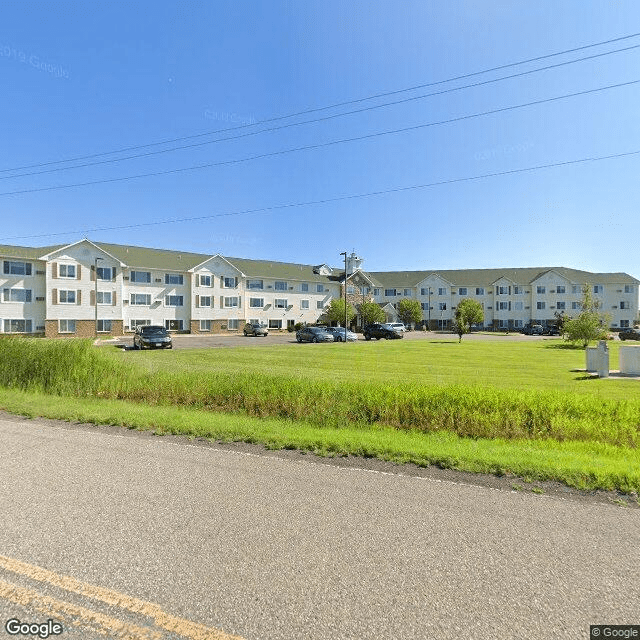
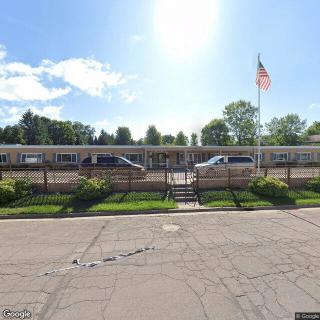
650 El Dorado St SE, Owatonna, MN 55060
To contact a resident: (507) 446-8334
For more information about senior living options: (866) 208-4318
Ecumen CountrySide Costs & Pricing
At Ecumen CountrySide, the monthly costs for accommodations present a competitive option within both Steele County and the broader Minnesota market. For a one-bedroom unit, residents can expect to pay $2,815, which is significantly lower than the county average of $3,936 while remaining relatively comparable to the state mean of $2,893. The two-bedroom option is priced at $3,150, also showcasing value by being more affordable than Steele County's average of $3,499 and slightly above Minnesota's overall average of $2,955. These pricing structures emphasize Ecumen CountrySide's commitment to providing quality living environments that balance comfort with affordability in an increasingly challenging housing landscape.
| Floor plans | Ecumen CountrySide | Steele County | Minnesota |
|---|---|---|---|
| 1 Bedroom | $2,815 | $3,936 | $2,893 |
| 2 Bedrooms | $3,150 | $3,499 | $2,955 |
Memory care communities with a similar price nearby
-
from +$485 / mo
Traditions of Owatonna I
$3,300 to $4,000 / month3.3 miles away -
from +$184 / mo
Traditions of Owatonna II
$2,999 / month3.3 miles away -
from -$520 / mo
Ecumen Brooks
$2,295 to $2,730 / month3.3 miles away -
from -$515 / mo
Valleyview Assisted Living
$2,300 to $2,550 / month3.0 miles away -
from +$215 / mo
Bridgewater At Janesville
$3,030 to $4,745 / month24.8 miles away
Overall Review of Ecumen CountrySide
Pros
 The facility is described as happy and full of positive energy.
 - Residents say it is a great place and like it there.
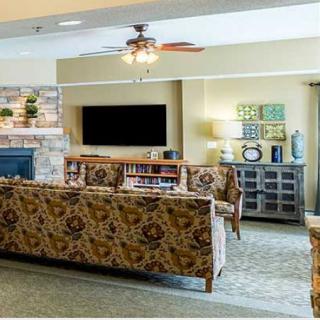
- It is a clean, warm, and inviting setting.
- The staff are caring and make visitors feel welcome.
- Arts and crafts, music, and outings are offered.
- There is a lot of laughter in the community.
- Residents are treated with the utmost respect and dignity.
- It feels like home.
- It is seen as the beginning of a new exciting chapter for many.
- The meals are very good.
Cons
 The reviewer expressed regret that their father had passed away and could not enjoy Countryside longer.
- The reviewer described the food at other retirement homes as "slop" in comparison to the meals at Countryside.
Review
Ecumen CountrySide in Owatonna, MN is best suited for seniors who want a lively, community-centered setting that can seamlessly support both independent living and assisted living as needs evolve. The campus atmosphere is warm, welcoming, and clearly designed to keep residents engaged, not tucked away. Families report a sense that the place is “home,” where residents are treated with dignity, and where daily life flows with purpose through activities, music, outings, and opportunities to socialize. For adults who value connection, ease of access to care, and a robust calendar of events, this community delivers a practical, emotionally satisfying living environment.
Those who may want to consider alternatives include seniors who prefer a smaller, more intimate footprint or who require highly specialized memory-care programming. The three-story, two-wing layout and the breadth of services at CountrySide can feel expansive, which may not suit someone seeking a quieter, more private daily rhythm. If cost sensitivity is a primary concern, or if a strictly single-level residence is essential, other options that emphasize simplicity, lower overhead, or more targeted memory-care services could be a better fit. Families should also evaluate whether the pace of activity matches a loved one’s lifestyle and energy level.
On balance, the strongest pros, high staff engagement, personal connections, and a broad menu of activities, clearly offset potential drawbacks that come with a large campus. Staff are described as caring, polite, and genuinely attentive, with residents’ names learned and remembered. This level of visibility helps counter the risk of a large facility feeling impersonal. The programming is dense and varied: arts and crafts, live music, exercise classes, daily social moments, and opportunities to venture off-site. Those supports are especially meaningful for maintaining social ties and cognitive engagement, mitigating the potential downsides of a multi-wing, multi-floor operation.
Another significant pro is the tangible sense of independence paired with practical safeguards. The apartments are roomy and private, preserving dignity while still offering convenient access to common spaces. Amenities like a gym, ample communal areas, and well-maintained dining rooms contribute to a quality living experience that doesn’t demand constant external activity. Transportation support via a resident van and the presence of lifeline safety features provide reassurance for those who value mobility and safety without sacrificing autonomy. The combination of accessible care pathways and strong social life makes this a compelling choice for families seeking continuity as a loved one’s needs evolve.
The main cons residents and families might anticipate, navigating a sizable campus, potential crowding in peak activity times, or balancing the independent-living vibe with occasional assisted needs, are substantially mitigated by the daily reality on the floor. The staff’s personal approach, coupled with a rich calendar of events and the sense that staff members truly know residents, helps retain a feeling of intimate care within a big environment. The facility’s energy level and the clear emphasis on belonging reduce the likelihood of isolation, while practical supports (meals of solid quality, reliable safety devices, and accessible transportation) keep daily life smooth and predictable.
In practical terms, this community is a strong, well-rounded option for families prioritizing social vitality, dependable staff, and a continuum of care. Those weighing the decision should verify how care levels are billed between independent and assisted options, tour multiple neighborhoods within the campus, and speak with current residents about daily routines and meal quality. Check if memory-care services exist on-site or nearby, and confirm transition processes as needs change. If the goal is a place where life feels active, respectful, and part of a genuine community, Ecumen CountrySide stands out as a practical, experienced choice that delivers on its promise of belonging and dignity.
 1-bedroom apartments
 Assisted Living
 Memory Care
 Activities on-site
 Cable or satellite TV
 Computer center
 Devotional services off-site
 Dining room
 Full kitchen
 Garden
 Guest parking
 Housekeeping services
 Indoor common areas
 Laundry
 Party space
 Wi-Fi/high-speed internet available
 Transportation & parking
 Ambulatory care
 Diabetic care
 Hospice care
 Medication management
 Personal care assistants
 Meals provided
 Arts and crafts
 Games
Games Live musical performances

 8 Important Indicators That Memory Care May Be Necessary
 Delving into the Inner World of Dementia: Insights into Thoughts and Awareness
 Five Subtle Dementia Indicators to Observe: An In-Depth Guide to Understanding “Does My Mom Have Dementia?”