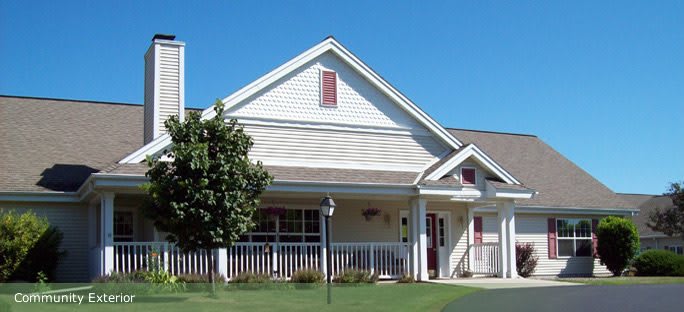
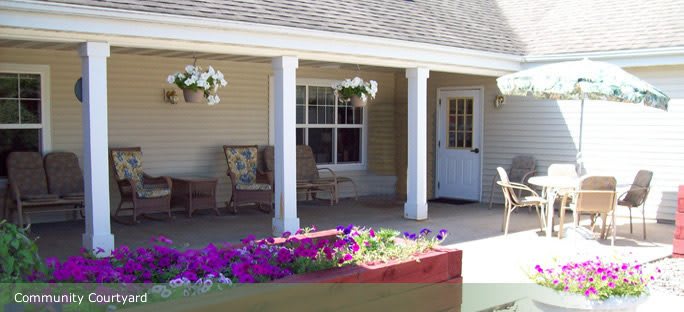
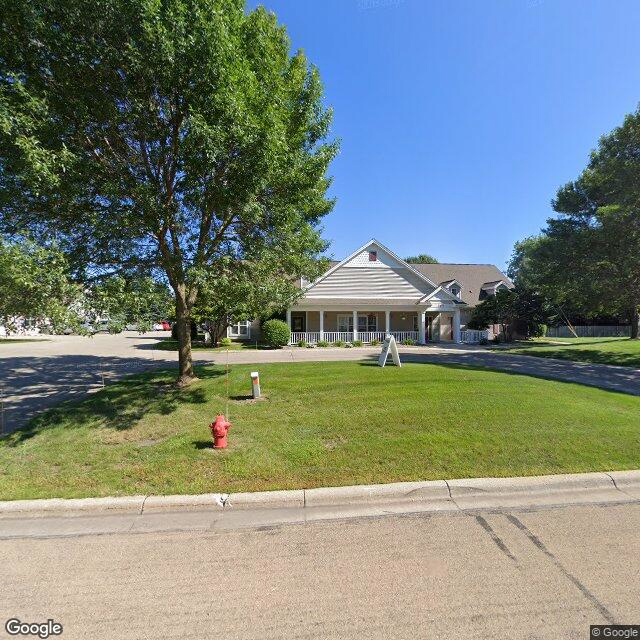
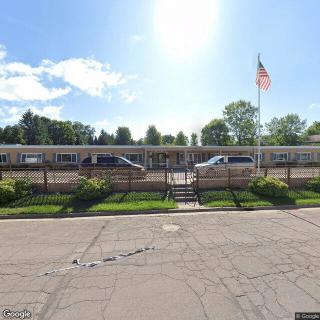
364 Cedardale Drive Southeast, Owatonna, MN 55060
To contact a resident: (507) 446-8270
For more information about senior living options: (866) 208-4318
Americn Eagle Owatonna Costs & Pricing
At Americn Eagle Owatonna, the costs for various room types reflect a premium pricing structure compared to local and state averages. For a semi-private room, residents can expect to pay $4,845 monthly, which is notably higher than Steele County's average of $4,128 and Minnesota's state average of $4,051. Studio accommodations are priced at $5,675, significantly exceeding both the county's average of $3,699 and the state's $3,617. The most considerable difference appears in the one-bedroom unit, where the monthly cost reaches $7,495 - well above Steele County's $3,936 and Minnesota's considerably lower average of $2,893. This pricing suggests that Americn Eagle Owatonna may offer additional amenities or services that justify the higher cost associated with its accommodations.
| Floor plans | Americn Eagle Owatonna | Steele County | Minnesota |
|---|---|---|---|
| Semi-Private | $4,845 | $4,128 | $4,051 |
| Studio | $5,675 | $3,699 | $3,617 |
| 1 Bedroom | $7,495 | $3,936 | $2,893 |
Memory care communities with a similar price nearby
-
from +$431 / mo
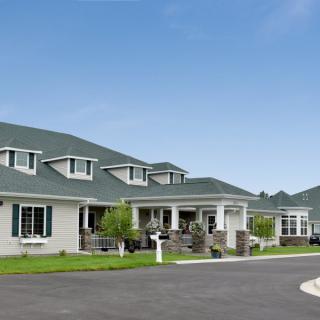
Birchwood Cottages - Owatonna
$5,276 to $5,917 / month0.3 miles away -
from -$545 / mo

Whispering Oak Place
$4,300 to $5,000 / month13.5 miles away -
from -$750 / mo
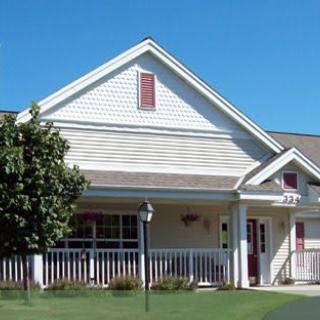
Timberdale Trace
$4,095 to $6,075 / month0.0 miles away -
from -$478 / mo
North Ridge View
$4,367 / month19.2 miles away -
from +$155 / mo

Gunderson Gardens
$5,000 to $6,300 / month18.3 miles away
Overall Review of Americn Eagle Owatonna
Pros
 Her mom truly loves her home and her new apartment at Cedardale Trace Memory Care.
- The staff is friendly and upbeat, always helpful and attentive to their clients.
Cons
 They wouldn’t send a family member there again, nor their sick dog.
- They don’t trust the facility, believing it cares more about money than the clients.
- They say the facility is known to break HIPAA.
- They warn others to do their research because the facility has records.
Review
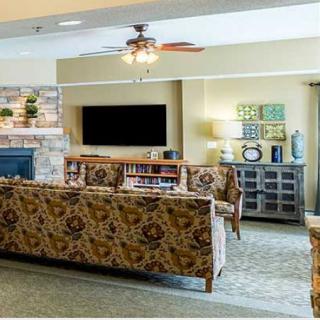
Americn Eagle Owatonna is best suited for families seeking a dependable, social, and comfortable assisted living option in Owatonna. It works well for residents who want steady daily routines, ready access to assistance, and a warm, home-like atmosphere. The staff tends to be approachable, and common spaces encourage casual interactions, which can ease transitions for seniors who prefer a low-friction environment over high-intensity medical programming. Those needing highly specialized memory-care approaches, aggressive rehab, or top-tier medical oversight may find other communities a tighter fit. In short, it serves as a solid, no-surprise choice for everyday living with practical support.
However, potential residents should weigh notable trust concerns against the positives. A single reviewer alleged privacy violations and implied that the facility prioritizes revenue over residents. That type of claim, if true, directly undercuts the confidence families place in daily care and documentation. Even if this is an outlier, it signals a dimension where due diligence is non-negotiable: verify HIPAA-compliance, data-handling procedures, and transparent billing. Prospective families should request written privacy policies, ask how records are stored and accessed, and examine whether independent audits or state reports corroborate the facility’s privacy practices.
On balance, the community earns an above-average rating with a pattern of high marks from most reviewers. The widely reported strengths tend to center on responsive, friendly staff and a living environment that feels comfortable and welcoming. When caregivers know residents’ routines, preferences, and needs, mornings run smoothly, medications are managed reliably, and transportation or social activities are easy to arrange. For families, that translates into fewer day-to-day worries and clearer communication about care plans. The combination of accessible help and a reassuring atmosphere often makes this a practical choice for couples and singles alike who want predictable support.
Still, the potential con about privacy cannot be dismissed. A perception or reality of lax records handling or insufficient confidentiality erodes trust and can magnify stress for families involved in care decisions. The most compelling response is visible, verifiable evidence of HIPAA protections: staff training records, access controls, audit trails, and a clear process for addressing any incident. Without that, even strong bedside manner and neat amenities may not suffice, since trust determines whether families are comfortable with ongoing care, daily documentation, and the sharing of sensitive information with outside providers.
Between pros and cons, the practical strengths often win out, but only when privacy and financial transparency are clearly addressed. The facility’s dependable staffing supports timely assistance, reduces caregiver turnover anxiety for residents, and sustains routines that support independence. This means families can rely on help with meals, mobility, and coordination of medical appointments, critical factors for ongoing safety and peace of mind. Yet the offset is incomplete if residents or relatives perceive a hidden cost or unclear privacy safeguards; those concerns can override daily benefits and push families toward alternatives.
Actionable next steps sharpen the decision. Arrange a visit with a structured privacy questions list: who has access to medical records, what auditing occurs, and how data is safeguarded. Request the latest resident agreement, fee schedule, and any previous state-action reports. Speak with current residents’ families about experiences with confidentiality and responsiveness, then compare with at least one other community that emphasizes stronger privacy controls or memory-care specialization. For families prioritizing reliable everyday support in Owatonna, Americn Eagle Owatonna can be a strong fit, provided privacy assurances are verified and maintenance of trust is ongoing.
 Memory Care
 Activities off-site
 Bath tubs
 Beautician on-site
 Devotional services on-site
 Indoor common areas
 Outdoor common areas
 Respite or short term stays offered
 Diabetic care
 Incontinence care
 Medication management
 Meals provided
 Christian services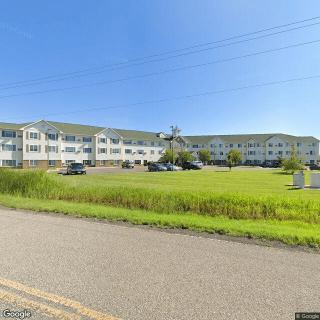
 Estimating the Expenses of At-Home Dementia Care: A Detailed Exploration
 Comprehensive Insights on the Late Stages of Dementia: What to Expect and How to Provide Care
 Medications Associated with Dementia Risk: A Comprehensive Overview