
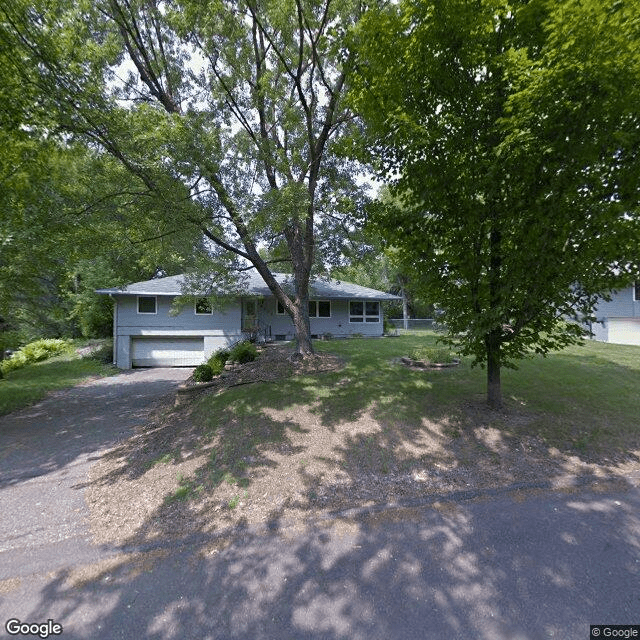
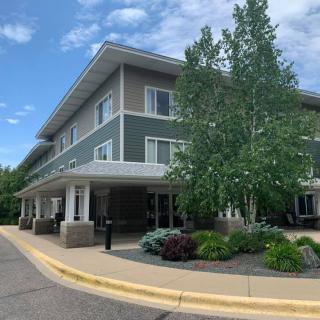
16624 Elm Drive, Minnetonka, MN 55345
To contact a resident: (612) 701-2786
For more information about senior living options: (866) 208-4318
Woodland Hills Residential Care Home Costs & Pricing
Woodland Hills Residential Care Home offers private rooms at a monthly rate of $6,500, which is notably higher than both the Hennepin County average of $5,580 and the statewide average in Minnesota of $5,090. This premium pricing reflects the unique amenities and personalized care services that Woodland Hills provides, catering to residents seeking an enhanced living experience. While it may represent a higher investment compared to surrounding options, the additional costs are often associated with superior quality of care and a more tailored environment for residents.
| Floor plans | Woodland Hills Residential Care Home | Hennepin County | Minnesota |
|---|---|---|---|
| Private | $6,500 | $5,580 | $5,090 |
Senior living communities with a similar price nearby
-
from -$500 / mo
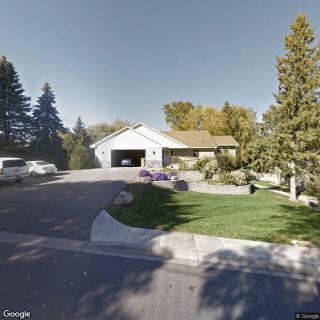
Legacy Care Home
$6,000 / month1.1 miles away -
from -$1100 / mo
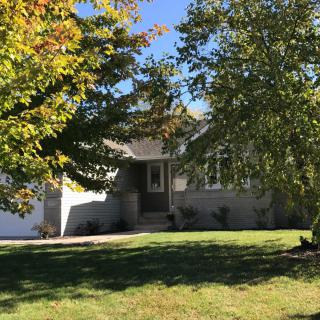
Family Tree Homes
$5,400 / month20.5 miles away -
from +$1000 / mo

Rivers of Life Memory Care/Enhanced Assisted Living
$7,500 / month13.1 miles away -
from -$800 / mo
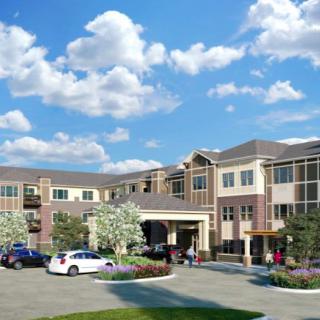
Cherrywood Pointe Of Plymouth
$5,700 to $9,450 / month8.6 miles away -
from +$800 / mo
Beehive Homes of Lakeville
$7,300 / month21.4 miles away
Overall Review of Woodland Hills Residential Care Home
Pros
 The residents are described as wonderful.
- The reviews express sympathy for the residents.
Review
Woodland Hills Residential Care Home in Minnetonka is best suited for families that are prioritizing the lowest possible price and are prepared to tolerate serious governance and care-welfare concerns. In practical terms, the facility presents as a tiny operator with a clear pattern of troubling reports about how residents are treated and how the business is run. The two named owners, Corey and Tracy, are described in multiple claims as operating with a deceptive approach to enrollment and a hands-off posture toward daily resident welfare. For families who demand transparency, consistent supervision, and reliable accountability, this placement should be crossed off the list.
Those who may want to consider alternatives are families who expect respectful treatment of residents, stable staffing, and straightforward, verifiable operations. If care quality, resident voices, and clear lines of responsibility are nonnegotiable, the red flags in these reports demand caution. Prospective residents, or their families, should prioritize communities with open governance, documented caregiver oversight, and accessible, responsive management. In short, any family seeking assurance that residents’ needs translate into dependable meals, supervision, and communication should move on to other options.
The main concerns raised in the reviews center on treatment and governance. Residents are described as being treated poorly, with an accusation that the owners are engaging in manipulative enrollment tactics and avoiding direct contact when questions arise. The meals are labeled unhealthy or irregular, with staff reportedly compelled to supply food themselves, highlighting a breakdown in basic operations. Additional allegations point to underpayment of staff and high turnover, creating an unstable care environment and a revolving-door workforce. Taken together, these factors frame a pattern of management that undermines trust and predictability.
The lack of credible, documented positives in the same accounts makes it difficult to see how any purported advantages could offset the weight of these warnings. Without verified improvements in resident welfare, staff accountability, or transparent communications, the alleged issues appear to dominate the experience. Even if the residence offers a small, home-like setting, the absence of dependable nourishment, staff consistency, and governance integrity undermines any potential benefit. In practical terms, the negative signals are not easily counterbalanced by any unverified strengths.
For families evaluating options, a disciplined checklist is essential. Verify the facility’s current licensing and inspection history with the Minnesota Department of Health and the state long-term care regulator, paying special attention to any enforcement actions or corrective plans. Seek to speak directly with several residents or family members who are currently involved, and request a candid tour focused on meals, medication management, and daily routines. Review recent bills and contracts for clarity on what is included in the monthly rate, who funds meals, and how supplies are procured. Confirm staff ratios, turnover rates, and the process for addressing complaints, ensuring there is a transparent escalation path to management and outside regulators.
In the end, the burden of proof rests on demonstrated, consistent care and transparent governance. Based on the most specific, recurrent concerns raised, Woodland Hills Residential Care Home does not meet the criteria for a sound, dependable choice for families prioritizing safety, dignity, and accountability. If a decision must be made soon, it is prudent to widen the search to better-regulated, well-reviewed options with stable staffing, measurable meal quality, and accessible management. A careful, comparison-driven approach will reduce the risk of choosing a facility where red flags persist unchecked.
 Board and Care Home
 Cats allowed
 Dogs allowed
 Activities off-site
 Devotional services off-site
 Indoor common areas
 Outdoor common areas
 Private
 Wheelchair accessible showers
 Minneapolis-St Paul International (14 miles away)
 Ambulatory care
 Diabetic care
 High acuity care
 Incontinence care
 Meals provided


 9 Stimulating Memory Activities for Seniors: Puzzles, Cards, and Much More
 Managing Nursing Home Expenses After Medicare Coverage Ends
 Is a Geriatric Care Manager the Right Choice for Your Family?