United Chapters Living I

145 Meadow Lane, Golden Valley, MN 55422

For more information about senior living options: (844) 490-3973

3.6 from 27 reviews
5 stars
17
4 stars
1
3 stars
0
2 stars
0
1 stars
9

Assisted Living

Overall Review of United Chapters Living I

Pros

  • pro Meadow Ridge delivers a wonderful experience with staff who are delightful to deal with.
  • pro The staff are accommodating, patient, and helpful for residents with high care needs.
  • pro Meadow Ridge's continuity of staff and avoidance of agency staff make a big difference in care.
  • pro The caregiving team knows residents' baselines and how to provide appropriate care.
  • pro The Memory Care NP maintains regular communication with families via an online portal.
  • pro The facility feels like a small, family-run center where everyone looks out for one another.
  • pro The building is clean and pleasant, and the staff are kind and competent.
  • pro Reviewers describe Meadow Ridge as an excellent choice and would highly recommend the facility.

Cons

  • pro A reviewer stated Meadow Ridge failed to keep their loved one safe and healthy.
  • pro They alleged some aides disappeared behind locked doors and did not wear gloves.
  • pro They reported a resident being left in her room all day and going weeks without a shower.
  • pro They said some staff were lazy, with an aide calling their mother a bother and avoiding tasks like showering.
  • pro They described night shift staff leaving floors unattended and smoking in their cars.
  • pro They accused Meadow Ridge of HIPAA violations, with staff sharing residents' personal information.
  • pro They claimed leadership did not address concerns despite multiple meetings.
  • pro They reported Meadow Ridge asked their family to remove negative reviews.
  • pro They noted family members had to supply cleaning and laundry because the facility wasn't doing it.
  • pro They attributed dehydration to the facility's stance that they couldn't force residents to drink.

Review

Meadow Ridge in Golden Valley, Minnesota has become the focal point of a wide spectrum of experiences for families navigating senior living choices. On one hand, several families describe moving loved ones there as a relief and a positive turning point, especially for those with high care needs and dementia. On the other hand, a few families recount deeply troubling experiences, raising questions about safety, consistency of care, and the responsiveness of leadership. Taken together, the collection of messages paints a complex portrait of a community that can feel like a warm, small-family environment for some residents, while for others it has fallen short of expectations in very serious ways.

For many families, Meadow Ridge feels like a welcoming, neighborly place where staff across roles - marketing, maintenance, nursing, dietary teams, and recreational staff - tend to know each resident well. The sense of continuity is repeatedly highlighted as a major strength: there is less turnover, and the same faces recognize a resident's baseline, preferences, and needs. Families note that this familiarity translates into tailored care, with staff members who "see her every day" and who "know me," allowing for open channels of communication when concerns arise. The atmosphere is described as warm and almost familial from the moment you walk through the front door, a contrast to the more impersonal feel families fear elsewhere.

The care experience for residents with memory impairment stands out in multiple accounts. In particular, the Memory Care unit is repeatedly cited as the setting where specialized attention occurs. One family notes that their 84-year-old mother with dementia has benefited from consistent engagement with a Nurse Practitioner connected to Meadow Ridge, who communicates through an online portal. They emphasize how easy it is to reach the nursing staff on the unit and how straightforward it is to receive updates about daily well-being. The ability to move a loved one from Assisted Living to Memory Care "after the first night" - with the staff stepping in to assist during the transition - contributes to a sense that Meadow Ridge can function as a supportive, almost hand-in-hand partner during difficult transitions. Reviews consistently express appreciation for the NP's involvement, the regular oversight, and the overall transparency of medical communication.

Several families recount moments that reinforced their confidence in Meadow Ridge as a place that can "be a relief" during tough transitions. One account highlights the way staff rallied to move a loved one between units within a short window, underscoring teamwork and a feeling of ?family' that extended beyond the apartment walls. The presence of a clearly connected medical team - nurses, aides, and an NP - who maintain consistent relationships with residents and families and who communicate via a structured portal helps families feel informed and included. In a broader sense, these reviews depict Meadow Ridge as a facility where caregiving is organized around relationships and continuity rather than isolated tasks.

In addition to the care dynamics, several reviewers highlight the human touch of Meadow Ridge staff as a major asset. The memory of staff being "compassionate" and "going above and beyond" is linked to experiences during hospice and end-of-life care, with some families expressing gratitude for the level of attentiveness and kindness shown in difficult times. One review even states that Meadow Ridge staff could be rated six stars if possible, reflecting a deep sense of appreciation for the care provided during a loved one's final months. The support offered to families during these periods is described as meaningful and reassuring at a time when families most need it.

Nevertheless, not all feedback is positive, and some accounts describe troubling safety, cleanliness, and communication concerns that alter the overall impression. A separate narrative details a prolonged and painful experience with a mother-in-law who had Alzheimer's and required steady, careful care. The reviewer describes a pattern of safety lapses and neglect, including inadequate hygiene practices (such as inconsistent assistance with showers and assistance with dressing), meals being delivered to rooms with insufficient attention to hydration, and sporadic or incomplete assistance with daily activities. The account mentions problems such as rooms not being tended to properly, laundry not being handled in a timely way, and even households dealing with overflow issues and a lack of preventative care. The reviewer also alleges inconsistent glove use by aides, insufficient engagement by staff with residents, and a series of management and communication gaps when concerns were raised.

The most troubling portion of that narrative centers on reports of employees appearing behind locked doors, a lack of visible aid, and alleged HIPAA breaches, with claims that sensitive information about residents was discussed publicly. The reviewer describes a cycle of unmet promises (for example, being taken to the dining room or helped with dressing) and escalates the concern by recounting a serious decline in the resident's mobility and mood when left in a studio apartment for extended periods. They describe attempts to address issues with leadership only to feel unheard, and eventually chose to relocate their mother to another memory care facility in a neighboring community. The departure is framed as a necessary step to ensure safer, more reliable care, particularly given concerns about dehydration, hydration management, and daily living needs. The narrative ends with a strong admonition to prospective families to consider other options and to be wary of negative experiences that may emerge despite the facility's assurances.

In the aftermath of that difficult experience, some families report that Meadow Ridge made contact to discuss their concerns and even to request that negative posts be taken down. The tone of this part of the saga is contested and reflects a broader tension between families seeking accountability and the facility's efforts to manage public perception. Against this backdrop, other families continue to report positive experiences, including the sense that Meadow Ridge remains a nurturing place for residents who receive timely care, maintain routines, and enjoy a stable team of caregivers who know their names and preferences. A later update from another family celebrates the ongoing compassionate care of Meadow Ridge staff as their father moved through hospice - a testament to the complexity and variability of care experiences within the same facility.

Ultimately, Meadow Ridge emerges as a place that can deliver exceptional, person-centered care for many families, particularly those whose loved ones benefit from stable staff continuity, proactive medical oversight, and a strong sense of community. At the same time, there are clear and serious warnings from other families who endured what they perceived as unsafe conditions, inconsistent daily care, and insufficient escalation of concerns by leadership. Prospective residents and families are encouraged to conduct thorough due diligence: visit in person, talk to administrators and frontline staff, request to meet with the nurse practitioner and care teams, review how hydration and daily activities are managed in Memory Care, and seek out family testimonials both old and new. In the end, Meadow Ridge appears to be a place that can be a strong fit for some, while others may find it necessary to continue exploring alternative options to meet their loved ones' safety and care needs.

Features

Housing

  • 4 resident community capacity 4 resident community capacity

Types of Care

  • Assisted Living Assisted LivingAssisted living facilities provide crucial support and care for seniors who may need help with daily tasks such as medication management, bathing, and meal preparation. These communities offer a safe and comfortable environment where seniors can maintain their independence while receiving the assistance they need to thrive in their golden years.

Amenities

  • Cable or satellite TV Cable or satellite TVCable or satellite TV is important for seniors because it provides entertainment, news, and companionship, helping to combat loneliness and boredom. It also offers a wide range of programming options tailored to different interests and preferences.
  • Dining room Dining roomDining rooms are important for seniors as they provide a space for socialization, connection, and nutritious meals. They offer opportunities for residents to bond over shared meals, foster a sense of community, and promote healthy eating habits. Dining rooms also ensure that seniors have access to well-balanced meals tailored to their dietary needs and preferences.
  • Fully furnished Fully furnishedFully furnished senior living communities are important for seniors because they provide convenience, comfort, and a hassle-free moving experience. Seniors can easily settle into their new living space without the stress of having to buy and move furniture. This allows them to focus on enjoying their new home and community.
  • Garden GardenGardens are important for seniors as they provide a peaceful and therapeutic environment for relaxation, physical activity, and socialization. Being in nature has been shown to reduce stress, improve mood, and promote overall well-being. Gardens also offer opportunities for seniors to engage in gardening activities, which can improve mobility, flexibility, and cognitive function. Additionally, gardens create a sense of community and connection with others who share a passion for plants and outdoor spaces.
  • Housekeeping services Housekeeping servicesHousekeeping services are important for seniors because they help maintain a clean and safe living environment, promote independence, and reduce the risk of accidents or illnesses. Additionally, having assistance with household chores can alleviate physical strain and allow seniors to focus on other aspects of their well-being.
  • Move-in coordination Move-in coordinationMove-in coordination is important for seniors because it helps ease the transition into their new living environment. It ensures that all logistics, such as packing, organizing movers, and setting up utilities are taken care of, allowing seniors to focus on settling in and adjusting to their new home. Having a smooth move-in process can alleviate stress and anxiety, making the transition smoother and more enjoyable for seniors.
  • Outdoor space Outdoor spaceOutdoor spaces are important for seniors as they provide opportunities for physical activity, social interaction, exposure to natural light and fresh air, and a sense of connection to nature. Having access to outdoor spaces can improve overall well-being and quality of life for older adults living in senior communities.
  • Telephone TelephoneTelephones are important for seniors as they provide a lifeline for communication with loved ones, emergency services, and healthcare providers. They offer a sense of security and independence, enabling seniors to stay connected and access assistance when needed.
  • Wi-Fi/high-speed internet available Wi-Fi/high-speed internet availableWi-Fi/high-speed internet is important for seniors to stay connected with loved ones, access online resources, and participate in virtual activities to combat feelings of loneliness and isolation. It also allows them to easily manage healthcare needs, access entertainment, and engage in lifelong learning opportunities.

Transportation

  • Minneapolis-St Paul International (9 miles away) Minneapolis-St Paul International (9 miles away)

Care Services

  • 24-hour supervision 24-hour supervision24-hour supervision is important for seniors to ensure their safety, well-being, and access to immediate assistance in case of emergencies or health issues. This constant support provides peace of mind for both seniors and their loved ones, allowing them to age in place with dignity and security.
  • Activities of daily living assistance Activities of daily living assistanceActivities of daily living assistance are important for seniors because they provide essential support with tasks such as eating, bathing, dressing, and mobility. This assistance helps seniors maintain their independence, dignity, and overall quality of life as they age.
  • Assistance with bathing Assistance with bathingAssistance with bathing is crucial for seniors as it helps maintain personal hygiene, prevents infections, and ensures their overall well-being and comfort. It also provides a sense of dignity and independence for seniors who may struggle with this task on their own.
  • Assistance with dressing Assistance with dressingAssistance with dressing is important for seniors because it helps maintain their independence, promotes personal hygiene, prevents accidents and injuries, and improves overall quality of life. This service ensures that seniors can continue to dress comfortably and confidently, despite any physical limitations they may have.
  • Assistance with transfers Assistance with transfersAssistance with transfers is crucial for seniors as it helps prevent falls and injuries, maintains their independence, and ensures they can safely navigate their living environment. It also provides peace of mind for both seniors and their loved ones.
  • Coordination with health care providers Coordination with health care providersCoordination with health care providers is crucial for seniors to ensure proper medical care, medication management, and overall well-being. This collaboration helps prevent overlapping treatments, track progress more effectively, and provide comprehensive support tailored to individual needs.
  • Diabetes diet Diabetes dietA diabetes diet is crucial for seniors as it helps manage blood sugar levels, reduce risks of complications, and improve overall health and well-being. By following a balanced and nutritious diet tailored to their specific needs, seniors can better control their diabetes and enhance their quality of life.
  • Meal preparation and service Meal preparation and serviceMeal preparation and service are crucial for seniors as they may have limited mobility or energy to cook nutritious meals. Having access to healthy and convenient food options can ensure they are getting the proper nutrition needed to maintain their overall health and well-being.
  • Medication management Medication managementMedication management is crucial for seniors to ensure they are taking the right medications at the correct dosages and times. This helps prevent adverse drug interactions, reduces the risk of medication errors, and promotes overall health and well-being. Proactive management also allows for adjustments as needed based on changing health conditions or new prescriptions.
  • Special dietary restrictions Special dietary restrictionsSpecial dietary restrictions are important for seniors because age-related changes in metabolism and health conditions can make it difficult for their bodies to process certain foods. By following a diet tailored to their specific needs, seniors can maintain their overall health and well-being, manage chronic conditions, and reduce the risk of complications such as malnutrition or food interactions with medications.
  • Transportation arrangement (medical) Transportation arrangement (medical)Transportation arrangements for medical purposes are essential for seniors as they may have difficulty driving themselves to appointments or accessing public transportation. Having reliable and safe transportation options ensures that seniors can receive timely medical care and maintain their health and well-being.
  • Transportation to doctors appointments Transportation to doctors appointmentsTransportation to doctors' appointments is crucial for seniors as it ensures they have access to necessary medical care and support for their health needs. Without reliable transportation, seniors may struggle to attend important appointments, leading to potential delays in treatment and health complications. Providing transportation services helps seniors maintain their overall well-being and quality of life.

Dining

  • Diabetes diet Diabetes dietA diabetes diet is crucial for seniors as it helps manage blood sugar levels, reduce risks of complications, and improve overall health and well-being. By following a balanced and nutritious diet tailored to their specific needs, seniors can better control their diabetes and enhance their quality of life.
  • Special dietary restrictions Special dietary restrictionsSpecial dietary restrictions are important for seniors because age-related changes in metabolism and health conditions can make it difficult for their bodies to process certain foods. By following a diet tailored to their specific needs, seniors can maintain their overall health and well-being, manage chronic conditions, and reduce the risk of complications such as malnutrition or food interactions with medications.

Activities

  • Community-sponsored activities Community-sponsored activitiesCommunity-sponsored activities are important for seniors as they provide opportunities for social interaction, mental stimulation, and physical activity. These activities can help improve overall well-being, combat loneliness and isolation, and promote a sense of belonging and purpose among older adults.
  • Scheduled daily activities Scheduled daily activitiesScheduled daily activities are important for seniors because they provide structure, socialization, mental stimulation, and physical activity. Engaging in regular activities can improve overall well-being and quality of life for seniors living in a community setting.

Description

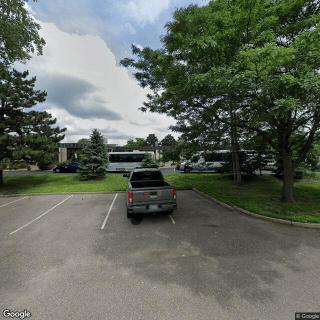
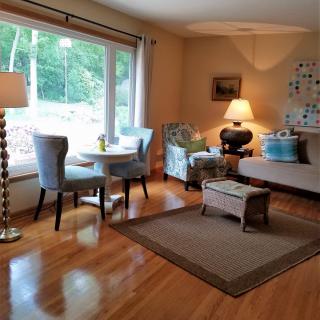
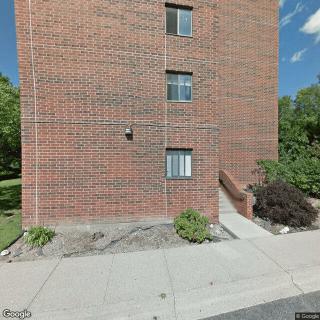
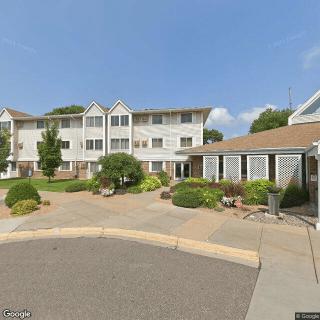
The United Chapters Living I is a fully furnished assisted living community located in Golden Valley, MN. Our residents enjoy a range of amenities and care services to ensure their comfort and well-being.

Our dining room provides nutritious meals prepared by our dedicated staff, who can accommodate special dietary restrictions. Housekeeping services are also available to keep living spaces clean and tidy.

Outdoor space and a garden provide opportunities for residents to enjoy nature and fresh air. Wi-Fi/high-speed internet and telephone services are provided to keep residents connected with loved ones.

Our caring staff is ready to assist with activities of daily living, including bathing, dressing, and transfers. We also coordinate with healthcare providers to ensure residents receive necessary medical care, medication management, and diabetes diet if needed. Transportation arrangement for medical appointments is available for added convenience.

Residents can engage in scheduled daily activities designed to promote socialization and stimulation. With 5 nearby cafes, 8 parks, 17 pharmacies, 1 physician's office, 39 restaurants, 2 places of worship, and 5 hospitals nearby, our community offers easy access to various amenities and services in the surrounding area.

At United Chapters Living I in Golden Valley, MN, we strive to create an environment that promotes independence while providing the necessary support for a comfortable and enjoyable lifestyle.

Nearby Places of Interest

Hospitals

  • Regency Hospital (0.9 miles)
  • Csc Gi Lab (3.4 miles)
  • Hennepin County Medical Center (3.4 miles)
  • Park Nicollet Methodist Hospital (3.7 miles)
  • University of Minnesota Medical Center - East Bank Campus (5 miles)

Restaurants

  • ShowPlace ICON Theater (1.1 miles)
  • Taco Bell (1.6 miles)
  • Yum (2.1 miles)
  • Chipotle Mexican Grill (2.4 miles)
  • Mortimer's (2.5 miles)
  • Inbound BrewCo (2.5 miles)
  • 19 Bar (2.7 miles)

Pharmacies

  • Walgreens (1.6 miles)
  • Walgreens (2.1 miles)
  • Walgreens (2.3 miles)
  • Walgreens (2.4 miles)
  • CVS Pharmacy (2.9 miles)
  • Walgreens (2.9 miles)
  • CVS Pharmacy (2.9 miles)

Parks

  • Dakota Dog Park (2.1 miles)
  • Loring Park (2.5 miles)
  • North Loop Dog Park (2.7 miles)
  • Gateway Dog Park - Off-Leash Play Area (3.1 miles)
  • Boom Island Park (3.2 miles)
  • Aquila Park (3.5 miles)
  • Mill Ruins Park (3.6 miles)

Cafes

  • Spyhouse Coffee (2.3 miles)
  • Dunn Brothers Coffee (2.5 miles)
  • Angel Food Bakery & Coffee Bar (3.2 miles)
  • Jinx Tea (4 miles)
  • Caribou Coffee (4.5 miles)

Places of Worship

  • Westminster Presbyterian Church (2.8 miles)
  • Elim Church Center (3.4 miles)
  • Shepherd of the Hills Lutheran Church (5.1 miles)

Physicians

  • Whittier Clinic (3.3 miles)
  • Northwest Family Physicians PA (5.3 miles)
  • HealthPartners Health Center for Women Clinic St Paul (6.2 miles)
  • Fairview Southdale Physicians Building (6.4 miles)

Frequently Asked Questions

Where is United Chapters Living I?

Nearby Communities

Related Resources

  • when to move from assisted living to nursing home8 Key Indicators That Suggest It May Be Time to Transition from Assisted Living to Skilled Nursing Care

    The transition from assisted living to skilled nursing care is often prompted by complex medical needs that assisted living cannot meet, with key indicators including frequent health declines, increased falls, severe memory issues, and caregiver burnout. Families should recognize these signs early to discuss options with healthcare providers and prepare for the emotional and logistical aspects of moving to a facility that offers comprehensive medical support.

  • active senior livingVibrant Senior Living: A Comprehensive Guide for Active Older Adults

    Vibrant Senior Living emphasizes active senior living communities that promote independence and engagement through diverse amenities and activities, fostering wellness and social interaction among older adults. These communities range from independent to assisted living, with a focus on personal growth, family involvement, financial planning, and leveraging technology to enhance residents' experiences.

  • when to move from assisted living to memory careWhen to Transition from Assisted Living to Memory Care: Key Indicators, Steps, and Finding the Right Community

    Transitioning from assisted living to memory care is driven by an individual's cognitive decline and specific needs, requiring careful evaluation of indicators like increased confusion and wandering. The process involves consulting medical professionals, researching suitable communities, considering financial and legal aspects, and ensuring effective communication for personalized care plans.