Revo Home Health

4200 Dahlberg Drive Ste 300, Golden Valley, MN 55422

For more information about senior living options: (844) 490-3973

3.2 from 15 reviews
5 stars
8
4 stars
0
3 stars
0
2 stars
1
1 stars
6

Assisted Living

Overall Review of Revo Home Health

Pros

  • pro The Eagan location is a beautiful place.
  • pro The clinic is large and well-equipped, including a surgery center and a CDI.
  • pro The staff are friendly.
  • pro Sue is selfless, a good listener, and truly cares about patients.
  • pro The clinic's proximity to the Vikings Performance Center and museum is noted as a convenient landmark.

Cons

  • pro The billing office staff are rude and treat customers like nuisances.
  • pro Emily is described as lacking proper customer service skills.
  • pro iHealth did not contact the insurer to resolve a denied claim and instead expected the customer to call after a long wait.
  • pro The claim was submitted incorrectly by iHealth, leading to denial.
  • pro The company forces customers to resolve billing issues by contacting the insurer themselves rather than handling it.
  • pro iHealth's overall customer service is described as horrible.
  • pro Jordon is cited as unhelpful and doing nothing of value.
  • pro The billing system cannot issue bills properly and relies on faulty emails, portals, or snail mail.
  • pro There is inconsistent processing and misfiled patient charts, causing miscommunication and poor care experiences.

Review

A collection of recent reviews paints a complex picture of experience surrounding iHealth and its related services, with the most persistent thread being frustration around billing, communication, and what some readers describe as inconsistent or impersonal customer service. Across the messages, several writers express disappointment with how billing inquiries are handled, how information is conveyed, and how staff interact with patients when questions arise about money and care. While there are glimpses of positive experiences - especially at a newer clinic location and from a particular staff member who is praised for her effectiveness - the dominant tone is one of frustration and concern about accountability.

A recurring complaint centers on the attitude and effectiveness of the billing office and one staff member named Emily, whose role is labeled Customer Service. The reviewers characterize Emily as dismissive and unhelpful, using phrases that imply a lack of genuine customer service. One contributor directly accuses Emily of lacking any meaningful customer service and urges improvement through better training. This sentiment is echoed in other notes that describe rude or curt responses and a perception that patient questions about money and health are treated as nuisances rather than legitimate concerns. Together, these statements suggest a perceived disconnect between the billing staff's duties and the kind of supportive, solutions-oriented assistance patients expect when dealing with medical bills.

Another major thread concerns how iHealth handles insurance denials and claim resolution. Several reviewers claim that when a claim is denied, iHealth did not proactively contact the insurance company to resolve the issue. Instead, patients say they faced a lengthy wait - up to 20 minutes - and were told to double-check the information submitted, with the impression that the staff became irritated when asked to reverify details. More troubling to these customers is the assertion that iHealth submitted the claim incorrectly, yet the insurer would call iHealth to correct the problem. In other words, patients felt pulled into the middle of the process, expected to act as intermediary between the insurer and the practice rather than receiving clear, proactive support from iHealth. The critique extends to the broader claim that, despite all the talk about patient-centered care, the actual practice of handling billing and denials fell short of those ideals, even suggesting a need for a formal customer survey system to capture and address such shortcomings.

Within the same vein of billing and service concerns, one reviewer singles out a specific staff member, named Jordan, describing the person as ineffective and lacking in meaningful contribution. The phrasing used - "Horrible workers especially Jordon she doesn't or do anything of worth" - is blunt and reflects a strong dissatisfaction with that individual's performance. The intensity of this complaint underscores a broader sentiment that some front-line staff may not be meeting patient expectations for professionalism, attentiveness, or helpfulness during critical moments when patients are navigating bills and procedures.

Amid the negative experiences, there is a striking counterpoint in the comments about a staff member named Sue. A reviewer who characterizes Sue as a remarkable and selfless professional recounts how Sue provided assistance beyond ordinary expectations. This patient credits Sue with listening, caring, and actively organizing care and procedures in a way that the reviewer describes as "unworldly." The praise suggests that Sue embodies what some patients hope to see from healthcare staff: initiative, empathy, and a willingness to go above and beyond to help patients secure the care they need. The reviewer's gratitude is palpable, even expressing a wish to repay the level of service Sue provided and describing her as a model for how patient-focused care should operate. In this way, the reviews reveal that exceptional interpersonal care can exist within a system that otherwise struggles with consistency and communication.

Another facet of the critique focuses on the billing delivery mechanism itself. Reviewers report that bills are difficult to obtain or are delivered inconsistently, and some describe a system that relies on electronic delivery or even traditional mail in ways that feel unreliable or insufficient. Claims that the office "cannot issue bills" or that the use of EOBs from insurance is being treated as a substitute for a formal bill suggest a fundamental misalignment between patient expectations and the practice's operational reality. The implication is that patients are being asked to pay without a clearly delivered bill, a situation that some readers find not only inconvenient but potentially legally questionable. Such observations highlight a desire for clearer, more reliable administrative processes that respect patients' need for transparent, timely billing documentation.

Beyond billing, the reviews touch on a physical location and the care experience at the Eagan clinic. Several comments describe the Eagan site as a "beautiful" facility that opened in April and sits in a location near notable landmarks, including the Vikings Performance Center and museum. The clinic's size and the inclusion of a surgery center and a CDI (Controlled Diagnostic Imaging) are noted as strengths, and some reviewers commend the overall ambiance and the supportive, friendly demeanor of staff at that site. This positive framing suggests that the physical environment and local staff can deliver a high-quality experience even when other parts of the organization struggle with consistency or communication.

The narrative also includes a detailed, patient-centered care experience that reflects both progress and friction. In a six-week window, one patient describes visiting multiple providers, performing a growing roster of exercises, and encountering a mix of guidance - some practitioners prescribed a broad set of exercises while others introduced alternative approaches such as pressure point therapy or cycling routines. A crucial moment arises when the patient recalls a misfiled chart and a miscommunication about a pain condition (L3) and related mobility limits. The patient recounts being told something that did not align with their recollection, discovering the chart discrepancy, and ultimately choosing to leave the appointment. This vignette illuminates the real-world consequences of inconsistent record-keeping and communication, illustrating how even well-meaning care can be undermined by administrative errors and misaligned information.

Despite the challenges described, one reviewer closes with a positive note, simply writing "Wonderful," which stands in stark contrast to the surrounding criticisms. This ending hints at the complexity of the overall experience: some patients encounter caring, capable staff and well-run facilities, while others encounter obstacles in billing, communication, and consistent clinical guidance. Taken together, the collection of reviews presents a landscape in which patient experiences vary markedly depending on the specific staff member, location, and moment in the care or billing journey.

Overall, these reviews convey a common call for improvement in several interconnected areas: genuine customer service that treats patients' money and health questions with respect; proactive and accurate handling of insurance denials and claim submissions; reliable and transparent billing practices that deliver clear invoices rather than relying solely on insurer explanations; and more consistent, patient-centered communication within the care team. The experiences at the Eagan location suggest that when the environment is well-structured and staffed by empathetic, competent professionals, patients can have meaningful trust and positive impressions. However, the recurring concerns about billing rituals, staff responsiveness, and administrative accuracy indicate substantial room for process and culture improvements to align patient expectations with the realities of billing and care delivery.

Features

Housing

  • 21 resident community capacity 21 resident community capacity

Types of Care

  • Assisted Living Assisted LivingAssisted living facilities provide crucial support and care for seniors who may need help with daily tasks such as medication management, bathing, and meal preparation. These communities offer a safe and comfortable environment where seniors can maintain their independence while receiving the assistance they need to thrive in their golden years.

Amenities

  • Beauty salon Beauty salonBeauty salons are important for seniors because they provide a space for them to feel pampered, socialize, and maintain their personal grooming and hygiene. Regular visits to a beauty salon can help boost seniors' self-esteem and overall well-being.
  • Cable or satellite TV Cable or satellite TVCable or satellite TV is important for seniors because it provides entertainment, news, and companionship, helping to combat loneliness and boredom. It also offers a wide range of programming options tailored to different interests and preferences.
  • Dining room Dining roomDining rooms are important for seniors as they provide a space for socialization, connection, and nutritious meals. They offer opportunities for residents to bond over shared meals, foster a sense of community, and promote healthy eating habits. Dining rooms also ensure that seniors have access to well-balanced meals tailored to their dietary needs and preferences.
  • Fully furnished Fully furnishedFully furnished senior living communities are important for seniors because they provide convenience, comfort, and a hassle-free moving experience. Seniors can easily settle into their new living space without the stress of having to buy and move furniture. This allows them to focus on enjoying their new home and community.
  • Garden GardenGardens are important for seniors as they provide a peaceful and therapeutic environment for relaxation, physical activity, and socialization. Being in nature has been shown to reduce stress, improve mood, and promote overall well-being. Gardens also offer opportunities for seniors to engage in gardening activities, which can improve mobility, flexibility, and cognitive function. Additionally, gardens create a sense of community and connection with others who share a passion for plants and outdoor spaces.
  • Housekeeping services Housekeeping servicesHousekeeping services are important for seniors because they help maintain a clean and safe living environment, promote independence, and reduce the risk of accidents or illnesses. Additionally, having assistance with household chores can alleviate physical strain and allow seniors to focus on other aspects of their well-being.
  • Kitchenette KitchenetteKitchenettes are important for seniors living in senior living communities because they provide the convenience and independence of being able to prepare simple meals and snacks in the comfort of their own living space. This can help promote a sense of autonomy and well-being for seniors, allowing them to maintain some level of control over their dietary choices and daily routines.
  • Move-in coordination Move-in coordinationMove-in coordination is important for seniors because it helps ease the transition into their new living environment. It ensures that all logistics, such as packing, organizing movers, and setting up utilities are taken care of, allowing seniors to focus on settling in and adjusting to their new home. Having a smooth move-in process can alleviate stress and anxiety, making the transition smoother and more enjoyable for seniors.
  • Outdoor space Outdoor spaceOutdoor spaces are important for seniors as they provide opportunities for physical activity, social interaction, exposure to natural light and fresh air, and a sense of connection to nature. Having access to outdoor spaces can improve overall well-being and quality of life for older adults living in senior communities.
  • Telephone TelephoneTelephones are important for seniors as they provide a lifeline for communication with loved ones, emergency services, and healthcare providers. They offer a sense of security and independence, enabling seniors to stay connected and access assistance when needed.
  • Wi-Fi/high-speed internet available Wi-Fi/high-speed internet availableWi-Fi/high-speed internet is important for seniors to stay connected with loved ones, access online resources, and participate in virtual activities to combat feelings of loneliness and isolation. It also allows them to easily manage healthcare needs, access entertainment, and engage in lifelong learning opportunities.

Transportation

  • Minneapolis-St Paul International (9 miles away) Minneapolis-St Paul International (9 miles away)

Care Services

  • 24-hour call system 24-hour call system24-hour call systems are important for seniors because they provide peace of mind and immediate assistance in case of emergencies. This technology ensures that help is always available, promoting safety and security for elderly individuals living alone or in assisted living facilities.
  • 24-hour supervision 24-hour supervision24-hour supervision is important for seniors to ensure their safety, well-being, and access to immediate assistance in case of emergencies or health issues. This constant support provides peace of mind for both seniors and their loved ones, allowing them to age in place with dignity and security.
  • Activities of daily living assistance Activities of daily living assistanceActivities of daily living assistance are important for seniors because they provide essential support with tasks such as eating, bathing, dressing, and mobility. This assistance helps seniors maintain their independence, dignity, and overall quality of life as they age.
  • Assistance with bathing Assistance with bathingAssistance with bathing is crucial for seniors as it helps maintain personal hygiene, prevents infections, and ensures their overall well-being and comfort. It also provides a sense of dignity and independence for seniors who may struggle with this task on their own.
  • Assistance with dressing Assistance with dressingAssistance with dressing is important for seniors because it helps maintain their independence, promotes personal hygiene, prevents accidents and injuries, and improves overall quality of life. This service ensures that seniors can continue to dress comfortably and confidently, despite any physical limitations they may have.
  • Assistance with transfers Assistance with transfersAssistance with transfers is crucial for seniors as it helps prevent falls and injuries, maintains their independence, and ensures they can safely navigate their living environment. It also provides peace of mind for both seniors and their loved ones.
  • Coordination with health care providers Coordination with health care providersCoordination with health care providers is crucial for seniors to ensure proper medical care, medication management, and overall well-being. This collaboration helps prevent overlapping treatments, track progress more effectively, and provide comprehensive support tailored to individual needs.
  • Diabetes diet Diabetes dietA diabetes diet is crucial for seniors as it helps manage blood sugar levels, reduce risks of complications, and improve overall health and well-being. By following a balanced and nutritious diet tailored to their specific needs, seniors can better control their diabetes and enhance their quality of life.
  • Meal preparation and service Meal preparation and serviceMeal preparation and service are crucial for seniors as they may have limited mobility or energy to cook nutritious meals. Having access to healthy and convenient food options can ensure they are getting the proper nutrition needed to maintain their overall health and well-being.
  • Medication management Medication managementMedication management is crucial for seniors to ensure they are taking the right medications at the correct dosages and times. This helps prevent adverse drug interactions, reduces the risk of medication errors, and promotes overall health and well-being. Proactive management also allows for adjustments as needed based on changing health conditions or new prescriptions.
  • Mental wellness program Mental wellness programMental wellness programs are essential for seniors as they promote cognitive stimulation, emotional support, and social engagement. These programs help prevent isolation, depression, and cognitive decline, ultimately enhancing the overall quality of life for older adults.
  • Special dietary restrictions Special dietary restrictionsSpecial dietary restrictions are important for seniors because age-related changes in metabolism and health conditions can make it difficult for their bodies to process certain foods. By following a diet tailored to their specific needs, seniors can maintain their overall health and well-being, manage chronic conditions, and reduce the risk of complications such as malnutrition or food interactions with medications.
  • Transportation arrangement (medical) Transportation arrangement (medical)Transportation arrangements for medical purposes are essential for seniors as they may have difficulty driving themselves to appointments or accessing public transportation. Having reliable and safe transportation options ensures that seniors can receive timely medical care and maintain their health and well-being.
  • Transportation to doctors appointments Transportation to doctors appointmentsTransportation to doctors' appointments is crucial for seniors as it ensures they have access to necessary medical care and support for their health needs. Without reliable transportation, seniors may struggle to attend important appointments, leading to potential delays in treatment and health complications. Providing transportation services helps seniors maintain their overall well-being and quality of life.

Dining

  • Diabetes diet Diabetes dietA diabetes diet is crucial for seniors as it helps manage blood sugar levels, reduce risks of complications, and improve overall health and well-being. By following a balanced and nutritious diet tailored to their specific needs, seniors can better control their diabetes and enhance their quality of life.
  • Special dietary restrictions Special dietary restrictionsSpecial dietary restrictions are important for seniors because age-related changes in metabolism and health conditions can make it difficult for their bodies to process certain foods. By following a diet tailored to their specific needs, seniors can maintain their overall health and well-being, manage chronic conditions, and reduce the risk of complications such as malnutrition or food interactions with medications.

Activities

  • Community-sponsored activities Community-sponsored activitiesCommunity-sponsored activities are important for seniors as they provide opportunities for social interaction, mental stimulation, and physical activity. These activities can help improve overall well-being, combat loneliness and isolation, and promote a sense of belonging and purpose among older adults.
  • Resident-run activities Resident-run activitiesResident-run activities are important for seniors as they encourage social interaction, creativity, and a sense of autonomy. These activities empower seniors to stay engaged and active in their community while fostering meaningful connections with their peers.
  • Scheduled daily activities Scheduled daily activitiesScheduled daily activities are important for seniors because they provide structure, socialization, mental stimulation, and physical activity. Engaging in regular activities can improve overall well-being and quality of life for seniors living in a community setting.

Description

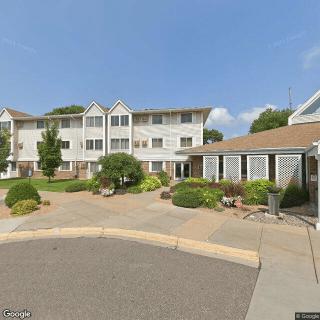
Revo Home Health in Golden Valley, MN is a fully furnished assisted living community that offers a range of amenities and care services to ensure the comfort and well-being of its residents.

The community features spacious living spaces with cable or satellite TV, Wi-Fi/high-speed internet, and telephone services. Each resident can enjoy delicious meals prepared in a dining room with special dietary restrictions taken into consideration. Housekeeping services are provided to maintain a clean and organized environment.

Residents have access to outdoor space to relax and enjoy the beautiful surroundings. Additionally, there is a garden where they can spend time outdoors and connect with nature.

The dedicated staff at Revo Home Health provides 24-hour supervision and assistance with activities of daily living such as bathing, dressing, and transfers. They also coordinate with health care providers to ensure that residents receive appropriate medical care. Diabetes diet management and medication management services are available for those who require them. A mental wellness program is also offered to support the emotional well-being of residents.

Transportation arrangements for medical appointments are made by the community to ensure residents can easily access necessary healthcare services. The community is conveniently located near 5 cafes, 8 parks, 14 pharmacies, 2 physicians' offices, 38 restaurants, 2 places of worship, and 4 hospitals.

Resident-run activities and scheduled daily activities are organized to promote social interaction and engagement within the community.

Revo Home Health in Golden Valley, MN strives to provide a comfortable and nurturing environment where seniors can receive quality care while enjoying their independence and participating in various activities.

Nearby Places of Interest

Hospitals

  • Regency Hospital (0.4 miles)
  • Csc Gi Lab (3.5 miles)
  • Hennepin County Medical Center (3.6 miles)
  • Park Nicollet Methodist Hospital (4.2 miles)
  • University of Minnesota Medical Center - East Bank Campus (5.1 miles)

Pharmacies

  • Walgreens (1.2 miles)
  • Walgreens (2.7 miles)
  • Walgreens (2.7 miles)
  • CVS Pharmacy (2.8 miles)
  • Walgreens (2.8 miles)
  • Walgreens (3 miles)
  • Walgreens (3 miles)

Restaurants

  • ShowPlace ICON Theater (1.5 miles)
  • Taco Bell (1.9 miles)
  • Inbound BrewCo (2.5 miles)
  • Yum (2.6 miles)
  • Modist Brewing Co. (2.7 miles)
  • Pryes Brewing Company (2.7 miles)
  • Smack Shack (2.7 miles)

Parks

  • Dakota Dog Park (2.5 miles)
  • North Loop Dog Park (2.6 miles)
  • Loring Park (2.7 miles)
  • Boom Island Park (3.1 miles)
  • Gateway Dog Park - Off-Leash Play Area (3.3 miles)
  • Mill Ruins Park (3.6 miles)
  • Twin Lake Beach Park (3.7 miles)

Cafes

  • Spyhouse Coffee (2.7 miles)
  • Dunn Brothers Coffee (2.7 miles)
  • Angel Food Bakery & Coffee Bar (3.5 miles)
  • Caribou Coffee (3.9 miles)
  • Jinx Tea (4.5 miles)

Places of Worship

  • Elim Church Center (2.8 miles)
  • Westminster Presbyterian Church (3 miles)
  • Shepherd of the Hills Lutheran Church (5.5 miles)

Physicians

  • Whittier Clinic (3.6 miles)
  • Northwest Family Physicians PA (4.8 miles)
  • HealthPartners Health Center for Women Clinic St Paul (6.3 miles)

Frequently Asked Questions

Where is Revo Home Health?

Nearby Communities

Related Resources

  • assisted living for disabled adultsComprehensive Residential Support and Assisted Living Solutions for Individuals with Disabilities

    The article examines the complexities of assisted living for individuals with disabilities, emphasizing the need for tailored care solutions that enhance quality of life and social inclusion, while addressing financial challenges and advocating for community integration. It discusses various housing options, the importance of financial assistance through public benefits, and highlights trends towards integrated and technology-driven solutions in disability-focused housing.

  • assisted living for disabled adultsComprehensive Supportive Living Arrangements for Adults with Disabilities

    Assisted living for adults with disabilities has transformed to provide personalized care and support services aimed at improving residents' quality of life while balancing independence and assistance. However, low-income individuals often face challenges in affording these services, requiring navigation of various financial resources and advocacy for better policies and solutions.

  • how to pay for assisted livingFunding and Affording Assisted Living: A Thorough Overview

    Assisted living facilities provide support for older adults needing help with daily activities without extensive medical care, but their costs can be high and vary by location and services offered. Families often seek various funding options and financial strategies to manage these expenses effectively while considering future needs and potential price increases.