
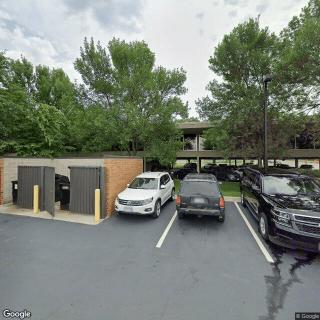
7401 Bush Lake Road, Edina, MN 55439
For more information about senior living options: (866) 208-4318
Overall Review of Stonecrest Living
Pros
 The staff are excellent, caring, and supportive.
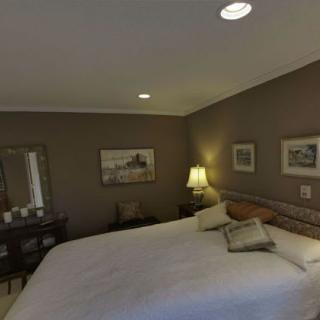
- The houses are always kept clean.
- The staff stay on top of medication times and appointments, and they find ways to help when needed.
- They organize outings and ensure clients have an enjoyable time.
- They provide a varied menu and drinks, including sodas, often without extra cost.
- All the staff work hard to help the clients and do their best.
Review
Stonecrest Living in Edina, Minnesota is best suited for seniors who want a warm, caregiver-forward environment where staff presence and reliability define daily life. The community excels when residents value a home-like setting with attentive hands-on support, dependable help with medications and appointments, and a rhythm built around outings and social engagement. Families seeking assurance that staff will respond quickly, understand individual routines, and keep a close eye on day-to-day needs will find this setting especially compelling. The combination of clean, well-kept houses and staff who are consistently available creates a sense of security that can relieve family members who worry about managing daily care from a distance. In short, Stonecrest Living rewards those who prioritize relational care and predictable, courteous service as the cornerstone of moving into assisted living.
That said, some residents or families may want to consider alternatives if the situation calls for more medical oversight, specialized memory care, or a broader menu of on-site therapy and high-acuity services. For individuals needing around-the-clock skilled nursing, complex wound care, or 24/7 supervision in a setting designed specifically for dementia or other cognitive challenges, a facility with dedicated memory-care wings or hospital-grade medical support could be a better fit. Similarly, if the goal is a more expansive calendar of structured programs, a facility with larger campus amenities, in-house rehab teams, or on-site physicians may be preferable. Those prioritizing privacy and a more intimate, apartment-style environment might find smaller houses or boutique communities a closer match to their preferences. In short, Stonecrest Living should be weighed against facilities that emphasize deeper medical capability and specialized care options.
The strongest positives here are practical, tangible, and consistently demonstrated. The staff’s excellence shows up in genuine kindness, steady availability, and a proactive stance on every task, from coordinating appointment times to noting when medications are due and arranging transportation. That level of attentiveness reduces the burden on families and lowers the risk of missed care, creating a reliable daily routine for residents. Cleanliness of the living spaces is a clear marker of pride and habit, which translates into a safer, more comfortable environment and a sense of dignity for residents who deserve to feel at home. The program of outings and social outings ensures ongoing community integration, not isolation, which is essential for mood and mental well-being. Even meals stand out as a practical benefit, with variety and beverages that reduce extra costs and provide predictable, satisfying options. Taken together, these strengths form a cohesive care ecosystem that delivers peace of mind for families.
Where the view becomes more cautious is around the gaps that the single positive review cannot fully illuminate. The most notable unknowns concern the depth and breadth of medical services on site: the exact nursing coverage, the availability of on-call clinicians, rehabilitation options, and whether specialized memory-care support is available if needed. Pricing transparency is another critical question; without a clear sense of what is included versus what carries additional fees, families risk surprise costs that can strain budgets. Additionally, details about apartment configurations, privacy levels, pet policies, and the scope of transportation or therapy services are not specified. In short, while the care ethos appears strong, the absence of data on medical acuity, dementia support, price components, and on-site medical resources means there is meaningful risk for residents with higher care needs or tighter financial constraints.
The alignment between strengths and potential risks can still be favorable if the resident’s profile matches the proven capabilities. For someone who thrives with responsive staff, predictable routines, and social engagement through regular outings, Stonecrest Living offsets most concerns about daily safety and companionship. The high staff presence and meticulous housekeeping directly address common worries about neglect or neglectful environments, and the inclusive meal structure helps minimize additional meal planning or grocery costs. However, for a resident who will require extensive skilled nursing, continuous medical monitoring, or specialized cognitive-care strategies, the apparent advantages may not fully offset the limits in medical infrastructure. The prudent approach is to view Stonecrest as an excellent fit for assisted living with strong personal attention, while confirming that medical and dementia support needs can be met without leaving the community.
For families moving forward, an intentional tour and a pointed inquiry list are essential. Ask about the exact level of on-site medical care, the ratio of residents to caregivers on different shifts, and the availability of in-house rehabilitation therapies. Clarify what portions of the monthly rate cover meals, utilities, outings, and transportation, and what costs could appear as add-ons. Inquire about memory-care options or any partnerships with nearby providers if cognitive needs progress. Evaluate the layout and privacy options of the living spaces, along with the policy on pets and visits. If the goal is a space where staff-driven care, clean surroundings, and structured social activity form the backbone of daily life, Stonecrest Living delivers with confidence. For those whose priority is robust medical support, memory-care specialization, or a broader service spectrum, alternatives should be pursued with a clear cost-benefit comparison in mind.
 21 resident community capacity
 Assisted Living
 Beauty salon
 Cable or satellite TV
 Dining room
 Fully furnished
 Garden
 Housekeeping services
 Kitchenette
 Move-in coordination
 Outdoor space
 Telephone
 Wi-Fi/high-speed internet available
 Minneapolis-St Paul International (7 miles away)
 24-hour call system
 Activities of daily living assistance
 Assistance with bathing
 Assistance with dressing
 Assistance with transfers
 Diabetes diet
 Meal preparation and service
 Medication management
 Mental wellness program
 Special dietary restrictions
 Transportation arrangement (medical)
 Transportation to doctors appointments

 Assisted Living and Memory Care: Understanding Their Core Differences
 Beyond the Bingo Hall: 50+ Enriching Activities for Seniors in Assisted Living
 Understanding the Distinctions: Assisted Living and Memory Care Explained