Friendship Village of Bloomington a CCRC Costs & Pricing
Friendship Village of Bloomington, a Continuing Care Retirement Community (CCRC), offers competitive pricing that stands out favorably in comparison to both Hennepin County and statewide averages. For instance, the monthly cost for a studio apartment at Friendship Village is $3,000, significantly lower than the county's average of $3,713 and also below the state average of $3,617. Similarly, residents seeking one-bedroom living will find Friendship Village's rate of $3,300 to be very appealing against Hennepin County's average of $3,550; however, it does exceed Minnesota's overall average of $2,893. For those interested in two-bedroom accommodations, the price at Friendship Village is $3,600 - again more affordable than the county's average of $3,848 while remaining slightly above Minnesota's average of $2,955. These cost structures suggest that Friendship Village provides a cost-effective option for senior living within a supportive community atmosphere.
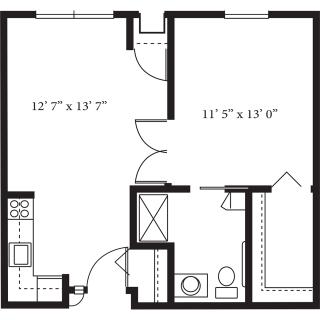
Floor plans
Friendship Village of Bloomington a CCRC
Hennepin County
Minnesota
Studio
$3,000
$3,713
$3,617
1 Bedroom
$3,300
$3,550
$2,893
2 Bedrooms
$3,600
$3,848
$2,955
Assisted Living communities with a similar price nearby
Overall Review of Friendship Village of Bloomington a CCRC
common20 reviews mention this
Care teams feel compassionate
Residents and families frequently describe the staff as compassionate and attentive to needs.
Across many reviews, families mention nurses and care staff who are patient, kind, and responsive, including on memory care and skilled nursing units. Several reviewers also emphasize staff professionalism and how supported they felt during transitions between levels of care. A few residents mention staff being especially thoughtful during difficult moments, including end-of-life experiences.
differentiator14 reviews mention this
Dining is consistently valued
Dining receives frequent praise, including room service coordination and restaurant-style options.
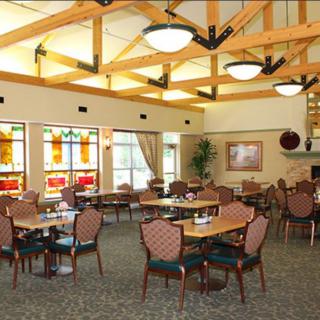
Residents describe the food as strong, with comments about chef quality, meal choices, and meals being coordinated for delivery to rooms at set times. Multiple reviews say the dining room atmosphere looks appealing and fits the overall experience. The community also offers restaurant-style dining and meals with dietary options like gluten-free, low/no sodium, vegan, and vegetarian.
differentiator12 reviews mention this
On-site care levels add continuity
The on-campus continuum of care supports residents as needs change over time.
Several reviews reference moving within the community—from independent living into assisted living, memory care, and/or skilled nursing—without having to start over elsewhere. Families also call out the convenience of having care on the same campus, including health care “under the same roof.” This aligns with the care types offered, including independent living, assisted living, memory care, and a skilled nursing facility.
caveat6 reviews mention this
Communication and staffing can slip
Some reviews report breakdowns in staffing and care responsiveness, especially on nursing floors.
A few reviewers describe longer waits for help, communication problems, and concerns about staffing levels in skilled nursing or memory care. These reviews often mention basic care not being carried out as expected or care instructions not being followed. Others note that early miscommunication improved after staff changes, suggesting the experience may vary by time and unit.
caveat7 reviews mention this
Pricing is described as expensive
Multiple reviews characterize the community as expensive.
Reviews repeatedly flag cost as a downside, including comments about the overall expense and additional charges for small items. One review also calls out an entrance fee structure for the smallest room category and a minimum monthly amount. While some residents say the experience is worth it for their family, the expense theme still comes up often.
How we summarize
Counts show how many written reviews mention each theme; a review can touch several themes, and only frequently mentioned themes are displayed.
Features
Housing
1-bedroom apartments
2-bedroom apartments
3-bedroom apartments
Condos / townhomes
Studio apartments
Types of Care
Assisted Living
Independent Living
Memory Care
Skilled Nursing Facility
Pets
Cats allowed
Dogs allowed
Amenities
Activities off-site
Activities on-site
Air-conditioning
Beautician on-site
Devotional services off-site
Devotional services on-site
Dining room
Full kitchen
Garden
Ground floor units
Handicap accessible
Housekeeping services
Indoor common areas
Kitchenette
Outdoor common areas
Overnight guests
Party space
Resident parking
Respite or short term stays offered
Swimming pool
Swimming pool / hot tub
Wheelchair accessible showers
Wi-Fi/high-speed internet available
Transportation
Minneapolis-St Paul International (9 miles away)
Transportation & parking
Care Services
Diabetic care
High acuity care
Incontinence care
Medication management
Physical therapy
Dining
Gluten-free
Guest meals
International cuisine
Low / no sodium
Meals provided
No Sugar
Professional chef
Restaurant style dining
Vegan
Vegetarian
Activities
Day trips and outings
Devotional activities offsite
Devotional activities on-site
Educational speakers / life long learning
Fitness programs
Happy hour
Live dance or theater performances
Live musical performances
Live well programs
Religious services
Stretching classes
Tai Chi
Languages Spoken
English
Nearby Places of Interest
This part of Bloomington, Minnesota offers a convenient and diverse range of amenities for senior living. With multiple hospitals nearby such as Abbott Northwestern Center For Outpatient Care and Fairview Southdale Hospital, access to healthcare is easily accessible. Additionally, there are various dining options including Wooden Hill Brewing and Shake Shack, as well as pharmacies like Walgreens and CVS Pharmacy for medication needs. Numerous parks such as McGuire Park and Centennial Lakes Park provide opportunities for outdoor activities and relaxation. The area also boasts reputable physicians' offices like Park Nicollet Clinic and CCRM Fertility of Minneapolis for medical care. Public transportation is accessible with the Mall of America LRT Station located within 7.4 miles. Overall, this part of Bloomington offers a convenient and well-rounded environment for seniors looking to live in a vibrant community with easy access to essential services.
Hospitals
Abbott Northwestern Center For Outpatient Care (0.3 miles)
Fairview Southdale Hospital (3.7 miles)
Park Nicollet Methodist Hospital (5.3 miles)
Restaurants
Wooden Hill Brewing (1.7 miles)
McDonald's (1.9 miles)
Old Chicago (2 miles)
Pinstripes (3.3 miles)
Shake Shack (3.6 miles)
Taco Bell (3.9 miles)
Chick-Fil-A (4 miles)
Parks
McGuire Park (1.8 miles)
Hyland Lake Park Reserve (2.4 miles)
Centennial Lakes Park (3.2 miles)
Aquila Park (6.2 miles)
Dakota Dog Park (7 miles)
Bandimere Heights Park (7.3 miles)
Taft Park (7.3 miles)
Pharmacies
Walgreens (1.9 miles)
CVS Pharmacy (2.2 miles)
Minnesota Medical Solutions (2.2 miles)
Walgreens (2.6 miles)
Geritom Medical (3.3 miles)
Walgreens (3.7 miles)
Walgreens (4 miles)
Physicians
Park Nicollet Clinic (2.1 miles)
Southdale Pediatrics (3 miles)
Endocrinology Clinic of Minneapolis (3.5 miles)
Twin Cities Orthopedics Edina - Crosstown (3.6 miles)
CCRM Fertility of Minneapolis (3.6 miles)
Children's Hospitals and Clinics of Minnesota's Ear, Nose and Throat (3.6 miles)
University of Minnesota Physicians Heart at Fairview Southdale Hospital (3.7 miles)
Friendship Village of Bloomington, a Continuing Care Retirement Community (CCRC), offers competitive pricing that stands out favorably in comparison to both Hennepin County and statewide averages. For instance, the monthly cost for a studio apartment at Friendship Village is $3,000, significantly lower than the county's average of $3,713 and also below the state average of $3,617. Similarly, residents seeking one-bedroom living will find Friendship Village's rate of $3,300 to be very appealing against Hennepin County's average of $3,550; however, it does exceed Minnesota's overall average of $2,893. For those interested in two-bedroom accommodations, the price at Friendship Village is $3,600 - again more affordable than the county's average of $3,848 while remaining slightly above Minnesota's average of $2,955. These cost structures suggest that Friendship Village provides a cost-effective option for senior living within a supportive community atmosphere.
Friendship Village of Bloomington a CCRC offers 1-bedroom apartments, 2-bedroom apartments, 3-bedroom apartments, Condos / townhomes, and Studio apartments.
Medication management at Friendship Village of Bloomington ensures that residents receive their prescribed medications safely and on schedule, which is crucial for maintaining overall health and managing symptoms associated with dementia or Alzheimer's disease. The availability of physical therapy aids in enhancing mobility and physical function, addressing specific challenges that individuals may face due to cognitive decline. This form of rehabilitation not only helps maintain independence but also boosts confidence and reduces feelings of frustration among residents. Incontinence care provides respectful and compassionate support for individuals experiencing challenges related to bladder control, thus promoting dignity and comfort. Together, these features create a holistic environment that supports the physical, emotional, and mental well-being of residents living with memory impairment.
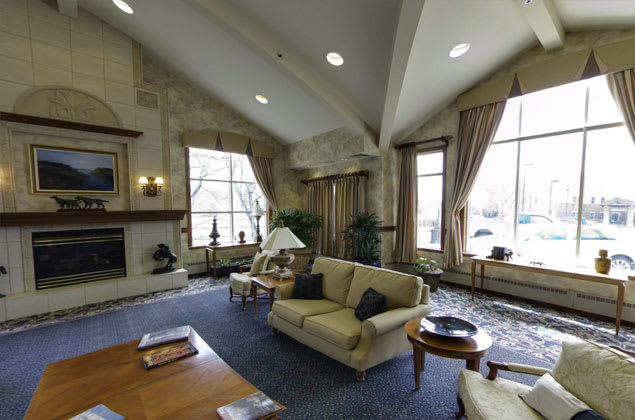
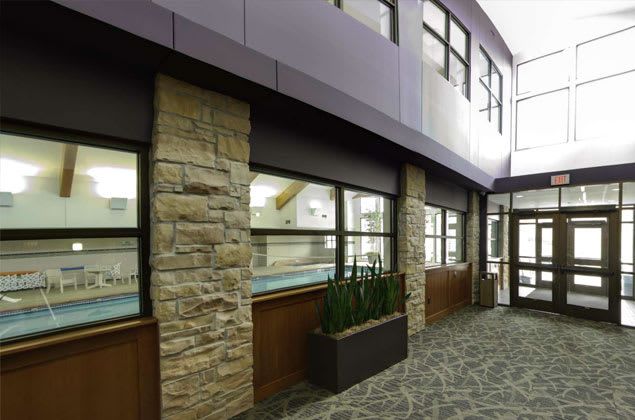
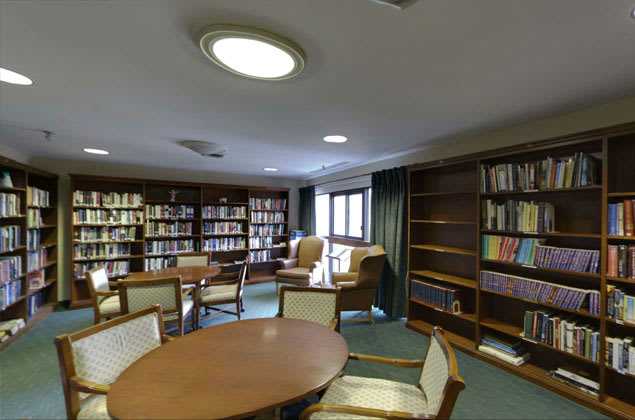
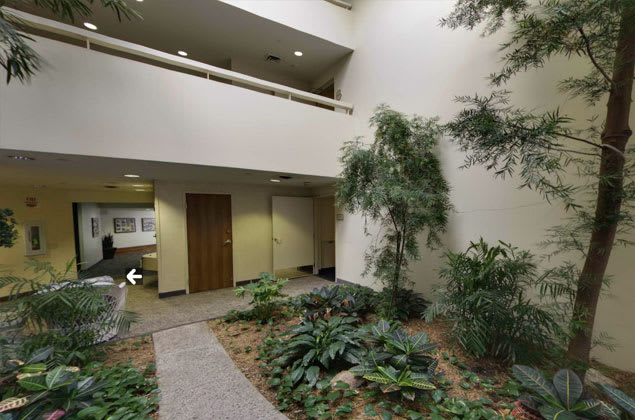
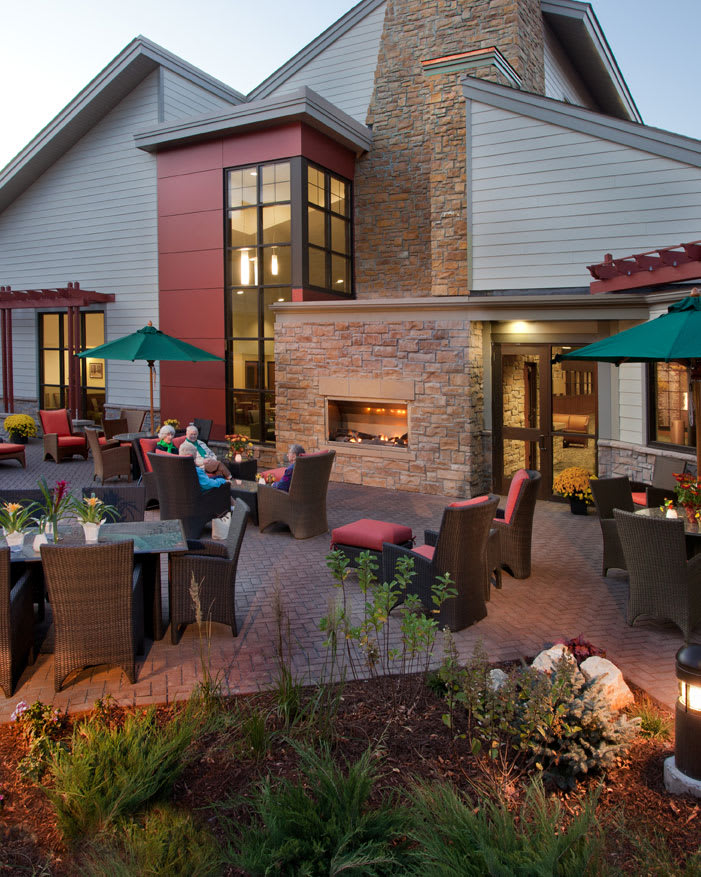
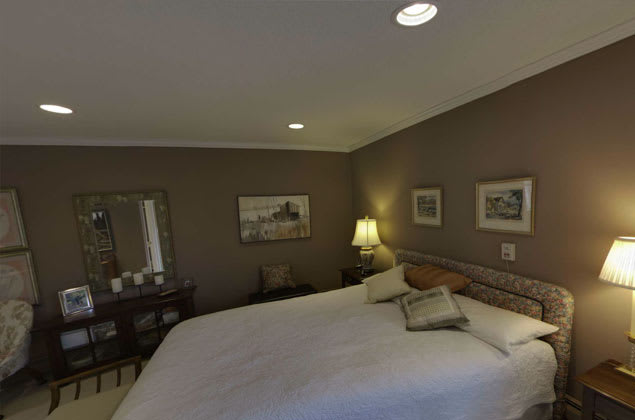
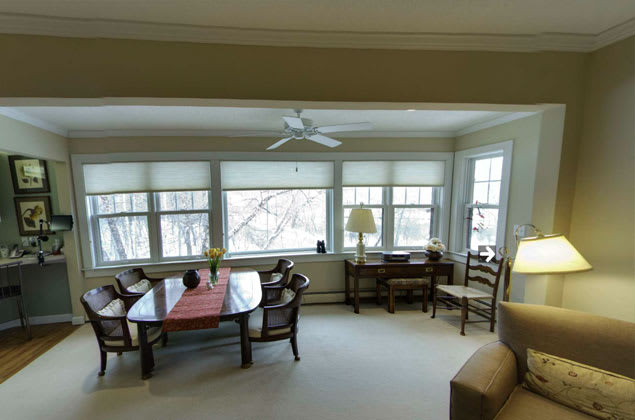
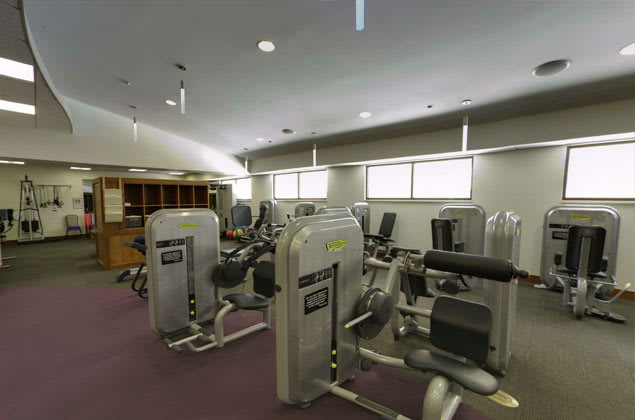
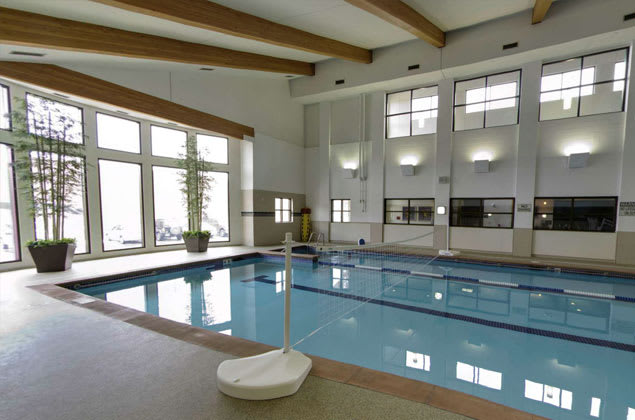
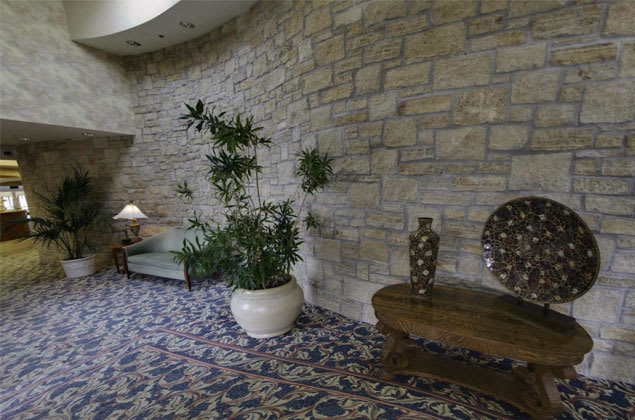
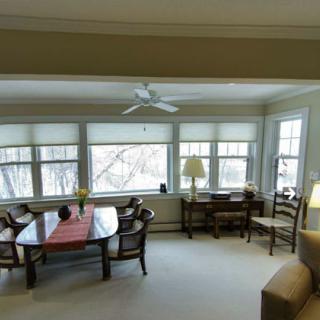
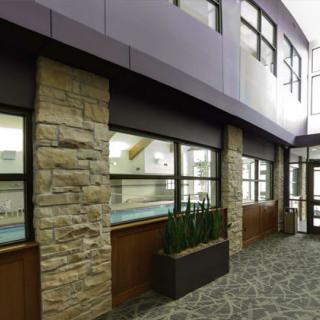
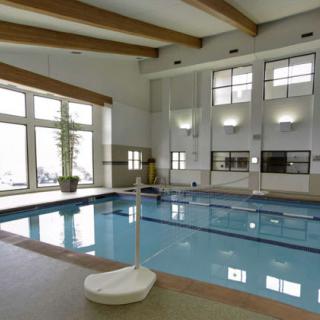
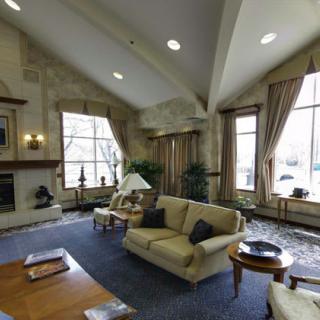
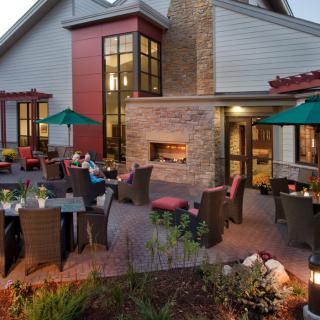
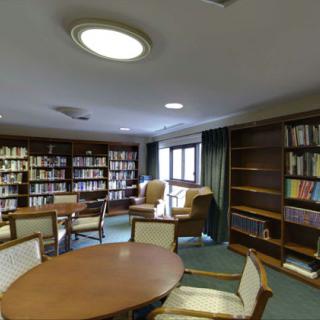
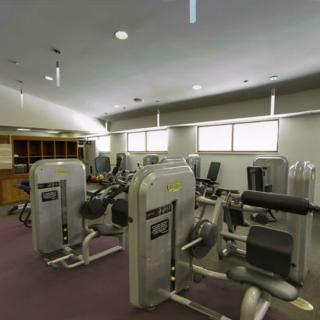
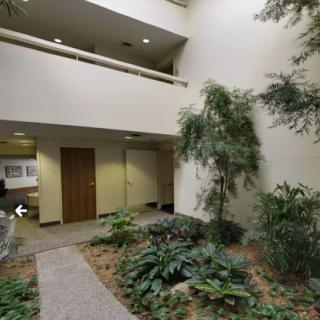
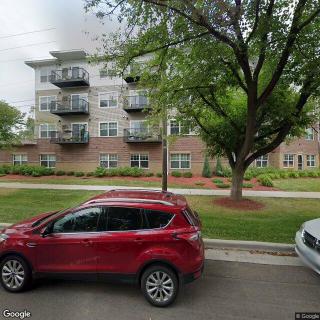
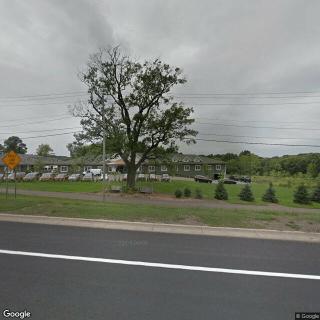
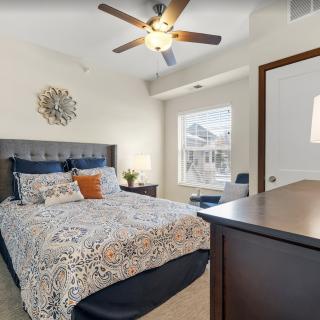
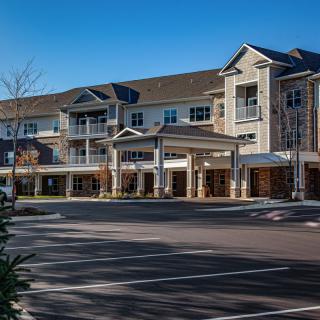
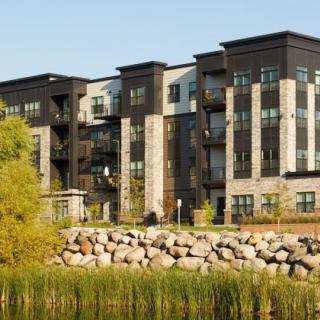
Friendship Village of Bloomington a CCRC on seniors.fyi includes 11 photos including images showing interior, windows, architecture, natural light, bedroom, decor, living room, exercise equipment, and more.
Nearby Communities
Lifespace Personal Services
Bloomington, MN
4 from 39 reviews
Continuum of care (CCRC) with on-site skilled nursing and coordinated care.
Friendship Village Bloomington
Bloomington, MN
4.1 from 36 reviews
Continuum of care from independent living to skilled nursing with memory care and robust on-site amenities.
Kindred At Home VI
Edina, MN
3.7 from 9 reviews
Small, intimate community with 24-hour care, comprehensive services, and resident-led daily activities.
Homecare Resource
Eden Prairie, MN
Fully furnished apartments with 24/7 supervision, ADL support, medication management, and care coordination; active programs.
Touching Hearts At Home II
Bloomington, MN
Small, home-like community with 24/7 supervision and comprehensive care including ADLs, medication management, meals, mental wellness, and transportation coordination.
New Perspective Senior Living
Eden Prairie, MN
4.5 from 44 reviews
Brand-new, well-equipped rooms with onsite care and amenities.
The Waters Of Eden Prairie
Eden Prairie, MN
4.3 from 106 reviews
Friendly, attentive staff in a clean, well-maintained community with engaging activities.
Prairie Bluffs Senior Living
Eden Prairie, MN
3.5 from 35 reviews
$2,780 to $3,480 / month
Friendly staff, engaging activities, and clean, modern facilities.
Amira Choice of Bloomington
Bloomington, MN
4.3 from 36 reviews
$2,515 to $4,265 / month
Beautiful, resort-like building with good food and engaging activities.
"Memory Care Pathways: A Holistic Guide to Dementia Support" outlines the complexities of dementia and its various types, emphasizing early detection, patient-centered care strategies, caregiver support, and long-term care options while addressing legal and financial considerations to enhance the quality of life for individuals with dementia and their families.
Sundown syndrome, or sundowning, is a phenomenon in dementia patients characterized by increased confusion and agitation during late afternoon and evening, influenced by factors like disrupted circadian rhythms and fatigue. Effective caregiver strategies include establishing routines and managing environmental light while addressing caregiver stress through support services.
Delirium is a rapidly onset, reversible cognitive disturbance often caused by acute medical issues, while dementia is a gradual and irreversible decline due to chronic neurodegenerative diseases. Accurate differentiation between the two is essential for appropriate treatment and management in older adults.
Dining, Fireplace, Patio, Outdoor Seating, and Umbrellas
Living Room
Windows
Building
Architecture
Lighting, Bookshelves, Library, and Reading Area
Exercise Equipment, Gym, and Fitness Center
Natural Light
Swimming Pool and Indoor Pool
Dining Table
Stone Wall
Indoor Garden
Get PricingAsk A QuestionSchedule A TourContact Senior Advisor
By clicking submit, you agree to our Partner's Terms of Use. You
also consent to receive calls and texts, which may be autodialed, from our Partner. Your consent is not a condition to
using our Partner's service. Please visit our Partner's Privacy Policy for information about their privacy practices.


 1-bedroom apartments
 Condos / townhomes
 Assisted Living
 Independent Living
 Memory Care
 Skilled Nursing Facility
 Cats allowed
 Dogs allowed
 Activities off-site
 Air-conditioning
 Beautician on-site
 Devotional services off-site
 Dining room
 Full kitchen
 Garden
 Ground floor units
 Handicap accessible
 Housekeeping services
 Indoor common areas
 Outdoor common areas
 Overnight guests
 Party space
 Resident parking
 Respite or short term stays offered
 Swimming pool
 Wheelchair accessible showers
 Wi-Fi/high-speed internet available
 Minneapolis-St Paul International (9 miles away)
 Transportation & parking
 Diabetic care
 High acuity care
 Incontinence care
 Medication management
 Physical therapy
 Gluten-free
 Day trips and outings
 Educational speakers / life long learning
 Fitness programs
 Happy hour
 Live dance or theater performances
 Live musical performances
 Live well programs
 English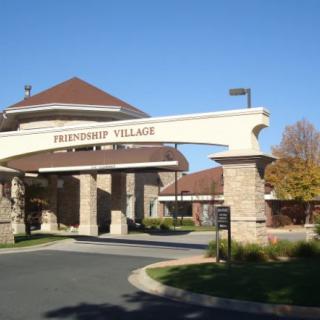
 Continuum of care (CCRC) with on-site skilled nursing and coordinated care.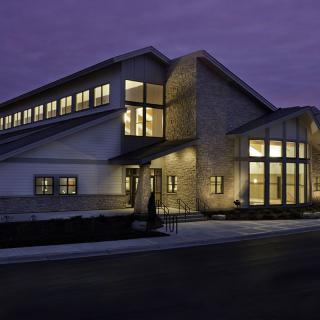

 Memory Care Pathways: A Holistic Guide to Dementia Support
 Comprehending Evening Confusion in Dementia: Causes, Manifestations, and Support
 Delirium and Dementia: Unraveling the Key Differences