
7400 Metro Boulevard Suite 150, Edina, MN 55439
For more information about senior living options: (866) 208-4318
Mercy Link III Costs & Pricing
Mercy Link III presents a compelling value for private room accommodations, with a monthly cost of $3,605. This figure stands in stark contrast to the higher rates observed in both Hennepin County and across Minnesota, where private rooms average $5,580 and $5,090 respectively. Such pricing not only highlights Mercy Link III's commitment to affordability but also positions it as an attractive option for individuals seeking quality care without the financial strain commonly associated with long-term stays. The substantial savings at Mercy Link III reflect its dedication to providing accessible services while maintaining a high standard of care that residents can rely on.
| Floor plans | Mercy Link III | Hennepin County | Minnesota |
|---|---|---|---|
| Private | $3,605 | $5,580 | $5,090 |
Assisted Living communities with a similar price nearby
-
from -$605 / mo
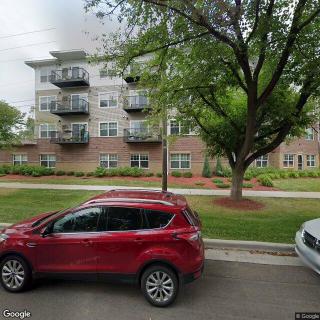
Highland on Graham
$3,000 to $4,000 / month8.6 miles away -
from -$405 / mo

Carver Ridge Senior Living
$3,200 to $4,800 / month15.9 miles away -
About the same

Our Lady Of Peace Home Care
$3,500 to $6,000 / month9.9 miles away -
About the same

Hayden's House
$3,600 to $6,200 / month13.5 miles away -
from -$265 / mo

The Fountains at Hosanna
$3,340 to $4,440 / month11.7 miles away
Overall Review of Mercy Link III
Pros
 They have loved being with them for four years.
- Zack is wonderful.
- The environment is great.
- They wish the company the best of luck.
Cons
 The reviewer felt the program was not suitable for them and feared they would not be cared for.
- They avoided living there due to fear and left as soon as possible.
- The owner was described as a pain, did not pay people, and was often out of the country, with overtime payments left unpaid.
- The owner allegedly called the reviewer’s wife to pressure removing the rating.
- The management team had a horrible work ethic and was unprofessional.
- The service was very unprofessional, with alleged theft of money and time, no follow-up from the owner or office staff, and the reviewer was owed money.
- The reviewer would rate the service less than one star.
Review
Mercy Link III in Edina is best suited for families seeking a small, home-like environment where staff relationships feel familiar and daily routines can be predictable for residents with low-to-moderate care needs. The community seems to deliver warmth when front-line caregivers become known and trusted, which can ease the transition for an older adult who values personal attention over formalized systems. This setting rewards ongoing family involvement and vigilant oversight, because the delicate balance between comfort and care hinges on reliable governance. For residents who require strong medical management, rigorous safety protocols, or transparent financial practices, Mercy Link III is unlikely to satisfy. In practical terms, it offers emotional continuity more than technical reliability.
Alternatives should be considered by anyone whose top priorities include consistent, professional care, clear staffing standards, and trustworthy administration. The reviews highlight significant red flags: unpaid overtime, accusations of theft, and management gaps that leave families with little confidence in follow-through. Those concerns matter most for seniors with complex care needs, memory challenges, or a need for strict scheduling and accountability. If the goal is dependable caregiving backed by accountable ownership, it is prudent to look elsewhere. Mercy Link III may still work for lighter care and a family that can stay closely involved, but it is not ideal for residents who require predictable operations.
On the upside, the environment and some staff members earn genuine praise. A few caregivers, plus a sense of familiarity, can translate into comfort, reduced anxiety, and daily interactions that feel human rather than transactional. In the best cases, that warmth can extend to a resident’s overall well-being and keep social life active. However, these strengths are consistently undercut by more troubling allegations: theft, inconsistent PCA support, and a perception that ownership is disengaged from day-to-day care. The contrast between a friendly setting and a fragile governance framework makes the overall value proposition fragile. The positives create moments of relief, but they do not compensate for the underlying risk of financial and operational instability.
Families evaluating Mercy Link III should insist on concrete assurances: who manages scheduling, how caregivers are trained and supervised, and what recourse exists when care falls short. Request a transparent ledger of monthly expenses, explicit overtime policies, and a public plan for addressing staff turnover. Seek direct access to the administrator and a detailed care plan with measurable goals and regular updates. Observe operations at different times of day, and talk privately with frontline aides to gauge consistency. These steps help separate personal warmth from professional reliability and prevent gaps in care from becoming the norm.
Given the reviews, it pays to explore alternatives that demonstrate stronger governance and financial integrity. Compare Mercy Link III with other Edina communities that boast higher rating scores, consistent staffing, and proactive ownership. Look for facilities with active resident councils, third-party advocacy, and evident responsiveness to complaints. When visiting, bring a checklist: staff-to-resident ratios, emergency response times, medication management protocols, and a clear discharge plan. A measured, thorough evaluation will reveal whether Mercy Link III can evolve into a dependable home or if a different option better fits the family’s risk tolerance and care demands.
Bottom line: Mercy Link III offers a comforting, personal atmosphere that can benefit some residents, but it comes with substantial governance and financial red flags that demand careful scrutiny. For families prioritizing predictable care and transparent leadership, alternatives should be pursued with urgency. If proceeding, lock in a robust monitoring framework, a formal service agreement, and a defined trial period to ensure that emotional warmth translates into lasting, reliable support. When in doubt, err on the side of options with proven accountability and fewer questions about pay practices or ownership engagement.
 21 resident community capacity
 Assisted Living
 Beauty salon
 Cable or satellite TV
 Dining room
 Fully furnished
 Garden
 Housekeeping services
 Kitchenette
 Move-in coordination
 Outdoor space
 Telephone
 Wi-Fi/high-speed internet available
 Minneapolis-St Paul International (7 miles away)
 24-hour call system
 Activities of daily living assistance
 Assistance with bathing
 Assistance with dressing
 Assistance with transfers
 Diabetes diet
 Meal preparation and service
 Medication management
 Mental wellness program
 Special dietary restrictions
 Transportation arrangement (medical)
 Transportation to doctors appointments




 Vibrant Senior Living: A Comprehensive Guide for Active Older Adults
 When to Transition from Assisted Living to Memory Care: Key Indicators, Steps, and Finding the Right Community
 Assisted Living and Memory Care: Understanding Their Core Differences