
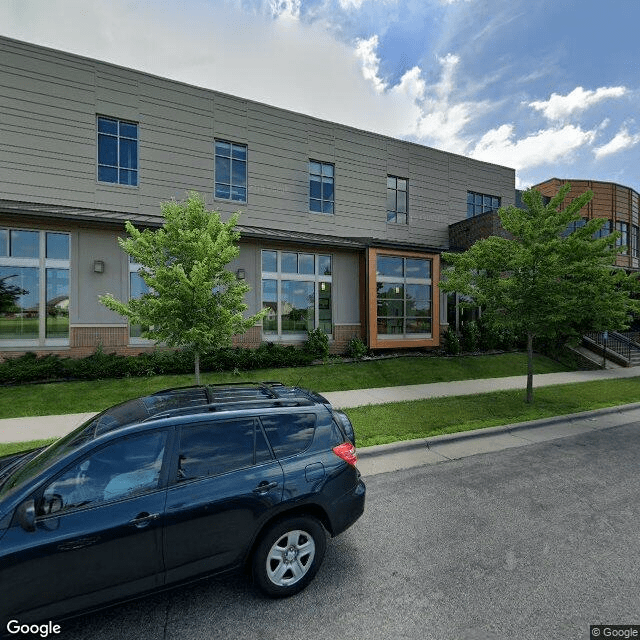
1015 N 4th Avenue, Minneapolis, MN 55405
To contact a resident: (612) 843-4940
For more information about senior living options: (866) 208-4318
Overall Review of Open Circle of Heritage Park
Pros
 The atmosphere for seniors is very warm and loving.
- It is a good senior care place.
- The people there are like a circle of love.
Review
Open Circle of Heritage Park in Minneapolis is best suited for seniors who want a warm, intimate, homelike setting where relationships between residents and caregivers form the core of daily life. The atmosphere carries a sense of genuine care, with staff and residents seemingly integrated into a comforting routine rather than a distant, impersonal operation. For families seeking safety through consistent, personalized attention and a feeling of belonging, this community delivers with remarkable clarity. It is not a high-energy campus designed to dazzle with bells and whistles; it is a quiet, dependable place where daily life is guided by kindness and familiar faces.
Those evaluating options for relatives who require robust medical oversight, specialized dementia care, or a wide, highly structured calendar of activities may want to consider alternatives. The reviews emphasize warmth and personal connection but offer scant detail on clinical capabilities, care levels, rehab services, or pricing. If a loved one needs frequent nursing attention, wound care, infusion therapy, or 24/7 nursing supervision, the lack of explicit information about these services makes direct questions essential. A tour or trial stay should become a priority to verify that the level of medical support aligns with ongoing health needs.
The strongest pro is the emotional fabric of the community, the sense of belonging fostered by attentive staff who treat residents as family. This isn’t merely about friendly smiles; it translates into proactive help, anticipatory care, and a social rhythm that reduces anxiety for both residents and their families. Residents appear engaged, and the social fabric tends to minimize isolation, which in turn supports mood, appetite, and overall well-being. The trade-off could be a pace and programming that emphasize companionship over structured, goal-driven activities, but for seniors who value intimate connection and a steady, comforting routine, the payoff far outweighs that potential limitation.
Yet the absence of concrete details on pricing, care levels, and on-site therapies presents a real decision-making constraint. The strongest positives cannot fully compensate for ambiguities about what is included in monthly fees, what care options exist as needs evolve, or how transitions between care levels are managed. This is not a red flag so much as a call to diligence: the warmth is real, but families must verify that the care infrastructure can scale with health changes. The offset lies in the community’s size and focus, which can enable highly responsive attention and flexibility when it comes to personal preferences and day-to-day routines.
For families preparing to decide, the practical path is straightforward: arrange multiple visits and observe more than introductions. Experience a mealtime, watch how caregivers interact with residents, and converse with current families about consistency and reliability. Inquire about staff turnover, typical response times, and how personal preferences are accommodated within daily schedules. Seek a transparent outline of what is included in fees and what would trigger additional charges, especially if future health shifts occur. A candid discussion about memory care needs or mobility assistance will help determine fit without risking misaligned expectations.
Overall, Open Circle of Heritage Park stands out for seniors who prize warmth, personal connection, and a strong sense of belonging. It is a compelling choice for families seeking a home-like, compassionate setting where residents feel seen and valued. However, for those requiring intensive clinical care, specialized memory care programming, or a campus with a broader spectrum of medical services, exploring alternatives with clearer medical capabilities is prudent. The decision should hinge on aligning emotional and social priorities with verifiable care capacity. A focused visit will reveal whether the circle truly closes with security, dignity, and sustainable peace of mind.
 Day Program
 Devotional services off-site
 Indoor common areas
 Minneapolis-St Paul International (8 miles away)
 Ambulatory care
 Meals provided

 Caring for Those Who Care: Recognizing, Understanding, and Overcoming Caregiver Burnout
 Caregiver Exhaustion: Recognizing the Signs and Restoring Your Well-Being
 Understanding Hospice Care at Home: Comprehensive Services, Key Benefits, and Eligibility