Augustana Home Health Care Services

901 4Th Avenue North, Minneapolis, MN 55405

For more information about senior living options: (844) 490-3973

3.4 from 28 reviews
5 stars
11
4 stars
3
3 stars
6
2 stars
3
1 stars
5

Assisted Living Memory Care

Overall Review of Augustana Home Health Care Services

Pros

  • pro The Pines is an outstanding, intimate facility, providing an incredible level of personal attention and care.
  • pro Great for seniors.
  • pro Peaceful and happy place. Beautiful inside and outside.
  • pro Old folks home nice.
  • pro Beautiful place. You gotta see it to believe.

Cons

  • pro The facility is closed and no longer in operation.
  • pro A visitor was disappointed that there were no weekend staff and that residents lacked wifi or basic cable, with families having to buy and install them.
  • pro One reviewer advised never using the facility if possible.

Review

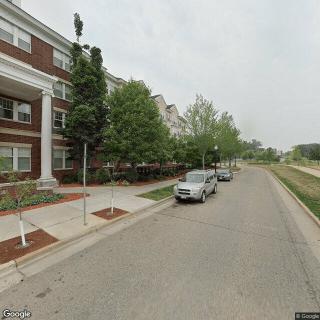
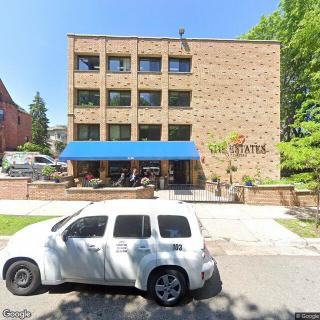
What stands out in these voices is a striking mix of warmth, beauty, and high hopes tempered by concerns about operations and day-to-day realities. Several reviewers paint The Pines as a place that feels peaceful, inviting, and carefully kept, a setting that seems thoughtfully arranged for older adults who deserve comfort and personalized attention. One observer even describes it as "an outstanding, intimate facility, providing an incredible level of personal attention and care," and goes on to say that their spouse would "highly recommend The Pines." There's a sense that the physical space - its layout, its grounds, the interior - offers a serene atmosphere that many families are drawn to when they're choosing a home for a loved one. The language used is affectionate and admiring: beautiful inside and outside, a place you "gotta see," a setting that inspires pride and relief at finding something that feels right.

But alongside those affirmations run a number of practical concerns that can feel jarring when you're trying to assess a senior living option. A critic's blunt observation captures a common worry: "I don't understand how such a big facility does not have any weekend staff or provide wifi/basic cable for the residents there. If they need internet/basic cable/basic TV, their family has to buy and install." The sentiment is one of frustration at what is perceived as gaps in essential services and amenities that families today expect as a baseline. The reviewer goes on to share a personal, troubling moment: "Came to visit my grandma over the weekend and no staff was to be found." That combination - an apparently large facility, a weekend vacancy of staff, and families left responsible for basic connectivity - creates a sense of insecurity about supervision, safety, and day-to-day livability.

In the same breath, some reviewers express unequivocal affection for the place. Short but pointed phrases - "Great for seniors," "I love this place," and "Old folks home nice" - convey straightforward satisfaction with the environment and its potential to meet the needs of residents in a calm, pleasant setting. The repetition of terms like peaceful, beautiful, and happy reinforces this positive impression. For those who value a tranquil, homelike vibe, these comments read as a strong endorsement: a place that can feel like a compassionate home rather than a clinical facility. The near-universal emphasis on serenity and beauty suggests that the environment itself is a real draw for many families.

Yet there is a sharp counterbalance in the mix: a forceful warning. One reviewer simply and emphatically states, "Never use them if you can help it!!!!" The insistence, with multiple exclamation points, signals experiences that so far have deeply unsettled someone enough to feel compelled to urge others away. This stark contradiction - between scenes of beauty and quiet, and a warning to avoid - highlights how experiences can diverge dramatically within the same facility, depending on who is present, when, and what expectations are being met or unmet.

Other remarks tilt toward the experiential and aesthetic side of things, underscoring a belief that the place is not just a dwelling but a space to be seen and valued. "Beautiful place. U gotta see it to believe," one reviewer writes, capturing a sense that the facility's physical presence can exceed what a visitor might anticipate from photos or descriptions alone. A further endorsement - "The Pines is an outstanding, intimate facility, providing an incredible level of personal attention and care" - emphasizes a vision of care that feels attentive and individualized. Taken together, these affirmations sketch a narrative of a home that can be wonderfully comforting and personally meaningful, especially to families seeking a close-knit, considerate residential experience for their loved ones.

Concrete, positive experiences from families add resonance to the overall portrait. "Just moved my mother in law here. Amazing facility and grounds. Very happy!" communicates a direct, contemporary sense of contentment and relief from the standpoint of a recent entrant to the community. It's the kind of testimony that is often the most persuasive to others deliberating a move: strong facilities, attractive surroundings, and evident satisfaction with the care and environment. When paired with the other notes about serenity, beauty, and personal attention, this sentiment reinforces the impression that The Pines can be a welcoming home for many residents and their families.

Lastly, an unexpected line in the collection places the facility in a broader community role: "Minneapolis elections polling location - ward 5 precinct 6C." This detail hints at the building being a familiar, accessible fixture within the neighborhood, capable of serving civic needs beyond its walls. For families and residents who value a sense of place within the local community, this practical note can be reassuring, suggesting that the facility is integrated into the fabric of everyday life and serves as a reachable, functional space for important civic activities as well as housing a loved one.

Taken together, the impressions present a nuanced picture. The Pines appears to be a place of beauty, quiet, and personal attention that many families deeply value, paired with at least one troubling report about weekend staffing and access to basic services. For some, the environment feels peaceful and restorative; for others, operational gaps create worry about daily life, safety, and the ability to rely on staff when needed. The mix of glowing endorsements, urgent cautions, and practical notes - ranging from anecdotal weekend staffing concerns to the facility's role as a neighborhood hub - paints a portrait of a community that many people believe in, even as they urge careful consideration and due diligence when evaluating whether it is the right fit for a specific loved one.

Features

Housing

  • 21 resident community capacity 21 resident community capacity

Types of Care

  • Assisted Living Assisted LivingAssisted living facilities provide crucial support and care for seniors who may need help with daily tasks such as medication management, bathing, and meal preparation. These communities offer a safe and comfortable environment where seniors can maintain their independence while receiving the assistance they need to thrive in their golden years.
  • Memory Care Memory CareMemory care is crucial for seniors as it provides specialized support and services for individuals with dementia or Alzheimer's disease. These programs offer a safe and secure environment where residents receive personalized care, cognitive stimulation, and help with daily activities. Memory care helps seniors maintain their independence, quality of life, and dignity while also providing peace of mind for their families.

Amenities

  • Beauty salon Beauty salonBeauty salons are important for seniors because they provide a space for them to feel pampered, socialize, and maintain their personal grooming and hygiene. Regular visits to a beauty salon can help boost seniors' self-esteem and overall well-being.
  • Cable or satellite TV Cable or satellite TVCable or satellite TV is important for seniors because it provides entertainment, news, and companionship, helping to combat loneliness and boredom. It also offers a wide range of programming options tailored to different interests and preferences.
  • Dining room Dining roomDining rooms are important for seniors as they provide a space for socialization, connection, and nutritious meals. They offer opportunities for residents to bond over shared meals, foster a sense of community, and promote healthy eating habits. Dining rooms also ensure that seniors have access to well-balanced meals tailored to their dietary needs and preferences.
  • Fully furnished Fully furnishedFully furnished senior living communities are important for seniors because they provide convenience, comfort, and a hassle-free moving experience. Seniors can easily settle into their new living space without the stress of having to buy and move furniture. This allows them to focus on enjoying their new home and community.
  • Garden GardenGardens are important for seniors as they provide a peaceful and therapeutic environment for relaxation, physical activity, and socialization. Being in nature has been shown to reduce stress, improve mood, and promote overall well-being. Gardens also offer opportunities for seniors to engage in gardening activities, which can improve mobility, flexibility, and cognitive function. Additionally, gardens create a sense of community and connection with others who share a passion for plants and outdoor spaces.
  • Housekeeping services Housekeeping servicesHousekeeping services are important for seniors because they help maintain a clean and safe living environment, promote independence, and reduce the risk of accidents or illnesses. Additionally, having assistance with household chores can alleviate physical strain and allow seniors to focus on other aspects of their well-being.
  • Kitchenette KitchenetteKitchenettes are important for seniors living in senior living communities because they provide the convenience and independence of being able to prepare simple meals and snacks in the comfort of their own living space. This can help promote a sense of autonomy and well-being for seniors, allowing them to maintain some level of control over their dietary choices and daily routines.
  • Move-in coordination Move-in coordinationMove-in coordination is important for seniors because it helps ease the transition into their new living environment. It ensures that all logistics, such as packing, organizing movers, and setting up utilities are taken care of, allowing seniors to focus on settling in and adjusting to their new home. Having a smooth move-in process can alleviate stress and anxiety, making the transition smoother and more enjoyable for seniors.
  • Outdoor space Outdoor spaceOutdoor spaces are important for seniors as they provide opportunities for physical activity, social interaction, exposure to natural light and fresh air, and a sense of connection to nature. Having access to outdoor spaces can improve overall well-being and quality of life for older adults living in senior communities.
  • Telephone TelephoneTelephones are important for seniors as they provide a lifeline for communication with loved ones, emergency services, and healthcare providers. They offer a sense of security and independence, enabling seniors to stay connected and access assistance when needed.
  • Wi-Fi/high-speed internet available Wi-Fi/high-speed internet availableWi-Fi/high-speed internet is important for seniors to stay connected with loved ones, access online resources, and participate in virtual activities to combat feelings of loneliness and isolation. It also allows them to easily manage healthcare needs, access entertainment, and engage in lifelong learning opportunities.

Transportation

  • Minneapolis-St Paul International (8 miles away) Minneapolis-St Paul International (8 miles away)

Care Services

  • 24-hour call system 24-hour call system24-hour call systems are important for seniors because they provide peace of mind and immediate assistance in case of emergencies. This technology ensures that help is always available, promoting safety and security for elderly individuals living alone or in assisted living facilities.
  • 24-hour supervision 24-hour supervision24-hour supervision is important for seniors to ensure their safety, well-being, and access to immediate assistance in case of emergencies or health issues. This constant support provides peace of mind for both seniors and their loved ones, allowing them to age in place with dignity and security.
  • Activities of daily living assistance Activities of daily living assistanceActivities of daily living assistance are important for seniors because they provide essential support with tasks such as eating, bathing, dressing, and mobility. This assistance helps seniors maintain their independence, dignity, and overall quality of life as they age.
  • Assistance with bathing Assistance with bathingAssistance with bathing is crucial for seniors as it helps maintain personal hygiene, prevents infections, and ensures their overall well-being and comfort. It also provides a sense of dignity and independence for seniors who may struggle with this task on their own.
  • Assistance with dressing Assistance with dressingAssistance with dressing is important for seniors because it helps maintain their independence, promotes personal hygiene, prevents accidents and injuries, and improves overall quality of life. This service ensures that seniors can continue to dress comfortably and confidently, despite any physical limitations they may have.
  • Assistance with transfers Assistance with transfersAssistance with transfers is crucial for seniors as it helps prevent falls and injuries, maintains their independence, and ensures they can safely navigate their living environment. It also provides peace of mind for both seniors and their loved ones.
  • Coordination with health care providers Coordination with health care providersCoordination with health care providers is crucial for seniors to ensure proper medical care, medication management, and overall well-being. This collaboration helps prevent overlapping treatments, track progress more effectively, and provide comprehensive support tailored to individual needs.
  • Dementia waiver Dementia waiverDementia waivers are essential for seniors as they provide critical protections and accommodations for those experiencing cognitive decline. These waivers ensure individuals with dementia receive appropriate care, support, and resources to maintain their quality of life and dignity as they navigate the challenges of this progressive condition.
  • Diabetes diet Diabetes dietA diabetes diet is crucial for seniors as it helps manage blood sugar levels, reduce risks of complications, and improve overall health and well-being. By following a balanced and nutritious diet tailored to their specific needs, seniors can better control their diabetes and enhance their quality of life.
  • Hospice waiver Hospice waiverHospice waivers are important for seniors because they allow individuals to receive specialized end-of-life care and support at home or in a hospice facility. This waiver ensures that seniors can access the necessary resources and services to maintain comfort and dignity during their final days.
  • Meal preparation and service Meal preparation and serviceMeal preparation and service are crucial for seniors as they may have limited mobility or energy to cook nutritious meals. Having access to healthy and convenient food options can ensure they are getting the proper nutrition needed to maintain their overall health and well-being.
  • Medication management Medication managementMedication management is crucial for seniors to ensure they are taking the right medications at the correct dosages and times. This helps prevent adverse drug interactions, reduces the risk of medication errors, and promotes overall health and well-being. Proactive management also allows for adjustments as needed based on changing health conditions or new prescriptions.
  • Mental wellness program Mental wellness programMental wellness programs are essential for seniors as they promote cognitive stimulation, emotional support, and social engagement. These programs help prevent isolation, depression, and cognitive decline, ultimately enhancing the overall quality of life for older adults.
  • Mild cognitive impairment Mild cognitive impairment"Mild cognitive impairment" is important for seniors because it is an early stage of cognitive decline that can potentially progress to more severe conditions such as dementia. Recognizing and addressing mild cognitive impairment can help seniors receive appropriate care and support to maintain their quality of life and independence for as long as possible.
  • Special dietary restrictions Special dietary restrictionsSpecial dietary restrictions are important for seniors because age-related changes in metabolism and health conditions can make it difficult for their bodies to process certain foods. By following a diet tailored to their specific needs, seniors can maintain their overall health and well-being, manage chronic conditions, and reduce the risk of complications such as malnutrition or food interactions with medications.
  • Specialized memory care programming Specialized memory care programmingSpecialized memory care programming is crucial for seniors with cognitive impairments such as dementia or Alzheimer's disease. These programs provide a safe and supportive environment tailored to the unique needs of individuals with memory loss, helping them maintain their independence, dignity, and quality of life.
  • Transportation arrangement (medical) Transportation arrangement (medical)Transportation arrangements for medical purposes are essential for seniors as they may have difficulty driving themselves to appointments or accessing public transportation. Having reliable and safe transportation options ensures that seniors can receive timely medical care and maintain their health and well-being.
  • Transportation to doctors appointments Transportation to doctors appointmentsTransportation to doctors' appointments is crucial for seniors as it ensures they have access to necessary medical care and support for their health needs. Without reliable transportation, seniors may struggle to attend important appointments, leading to potential delays in treatment and health complications. Providing transportation services helps seniors maintain their overall well-being and quality of life.
Dining

  • Diabetes diet Diabetes dietA diabetes diet is crucial for seniors as it helps manage blood sugar levels, reduce risks of complications, and improve overall health and well-being. By following a balanced and nutritious diet tailored to their specific needs, seniors can better control their diabetes and enhance their quality of life.
  • Special dietary restrictions Special dietary restrictionsSpecial dietary restrictions are important for seniors because age-related changes in metabolism and health conditions can make it difficult for their bodies to process certain foods. By following a diet tailored to their specific needs, seniors can maintain their overall health and well-being, manage chronic conditions, and reduce the risk of complications such as malnutrition or food interactions with medications.

Activities

  • Community-sponsored activities Community-sponsored activitiesCommunity-sponsored activities are important for seniors as they provide opportunities for social interaction, mental stimulation, and physical activity. These activities can help improve overall well-being, combat loneliness and isolation, and promote a sense of belonging and purpose among older adults.
  • Resident-run activities Resident-run activitiesResident-run activities are important for seniors as they encourage social interaction, creativity, and a sense of autonomy. These activities empower seniors to stay engaged and active in their community while fostering meaningful connections with their peers.
  • Scheduled daily activities Scheduled daily activitiesScheduled daily activities are important for seniors because they provide structure, socialization, mental stimulation, and physical activity. Engaging in regular activities can improve overall well-being and quality of life for seniors living in a community setting.

Description

Augustana Home Health Care Services in Minneapolis, MN is an assisted living community specializing in Memory Care. Our facility offers a range of amenities to ensure our residents' comfort and convenience. Each unit is fully furnished and equipped with cable or satellite TV, Wi-Fi/high-speed internet, telephone access, and a kitchenette for those who prefer to prepare their own meals. Housekeeping services are provided to maintain cleanliness and orderliness in the living spaces.

We prioritize the well-being and independence of our residents by providing 24-hour supervision and assistance with activities of daily living such as bathing, dressing, and transfers. Our staff works closely with healthcare providers to ensure comprehensive coordination of care. For individuals with specific dietary needs such as diabetes or special dietary restrictions, we offer meal preparation and service that adhere to these requirements.

At Augustana Home Health Care Services, we understand the importance of mental wellness. We have implemented a mental wellness program catered towards residents with mild cognitive impairment or dementia. Specialized memory care programming is available to provide cognitive stimulation and promote engagement among our residents.

Transportation arrangement for medical purposes is also provided, ensuring that residents can easily access necessary healthcare appointments. Additionally, we are conveniently located near various places including cafes, parks, pharmacies, physicians' offices, restaurants, places of worship, and hospitals.

Our assisted living community strives to foster an active lifestyle through resident-run activities and scheduled daily activities that cater to individual interests. Residents have the opportunity to socialize with their peers while engaging in fulfilling experiences.

Choose Augustana Home Health Care Services for compassionate care in a welcoming environment where individuals experiencing memory loss can live comfortably while receiving the support they need.

Nearby Places of Interest

Restaurants

  • Inbound BrewCo (0.6 miles)
  • Modist Brewing Co. (0.8 miles)
  • Cowboy Jack's (0.8 miles)
  • Smack Shack (0.8 miles)
  • Gluek's Restaurant & Bar (0.9 miles)
  • Hell's Kitchen (1 miles)
  • Spoon And Stable (1.1 miles)

Parks

  • North Loop Dog Park (0.8 miles)
  • Loring Park (0.9 miles)
  • Gateway Dog Park - Off-Leash Play Area (1.3 miles)
  • Boom Island Park (1.3 miles)
  • Mill Ruins Park (1.6 miles)
  • Franklin Terrace Off-Leash Dog Park (3.3 miles)
  • Dakota Dog Park (3.7 miles)

Pharmacies

  • Walgreens (1 miles)
  • CVS Pharmacy (1.5 miles)
  • Walgreens (1.9 miles)
  • CVS Pharmacy (2.2 miles)
  • Walgreens (2.7 miles)
  • Target Pharmacy (2.7 miles)
  • Walgreens (3.1 miles)

Cafes

  • Dunn Brothers Coffee (1 miles)
  • Spyhouse Coffee (1.6 miles)
  • Jinx Tea (4.5 miles)
  • Roundtable Cof (4.7 miles)
  • Caribou Coffee (4.7 miles)
  • Angel Food Bakery & Coffee Bar (5 miles)
  • Starbucks (5.2 miles)

Places of Worship

  • Westminster Presbyterian Church (1 miles)
  • Elim Church Center (3.8 miles)

Hospitals

  • Csc Gi Lab (1.5 miles)
  • Hennepin County Medical Center (1.5 miles)
  • Regency Hospital (2.2 miles)
  • University of Minnesota Medical Center - East Bank Campus (3 miles)
  • Park Nicollet Methodist Hospital (4.9 miles)

Physicians

  • Whittier Clinic (2.1 miles)
  • HealthPartners Health Center for Women Clinic St Paul (4.3 miles)
  • Northwest Family Physicians PA (6.1 miles)

Transportation

  • Minnesota State Fair Transit Hub (5.6 miles)

Frequently Asked Questions

Where is Augustana Home Health Care Services?
Does Augustana Home Health Care Services provide care for residents with dementia or Alzheimer's disease?

Nearby Communities

Related Resources

  • list of drugs linked to dementiaA Thorough Discussion of Medications Potentially Linked to Dementia Risk

    Dementia, influenced by aging and certain medications, may be exacerbated by drug classes such as anticholinergics, benzodiazepines, and antipsychotics, which are associated with cognitive impairment. Regular medication reviews by healthcare professionals are crucial for older adults to manage risks and optimize cognitive health.

  • do dementia patients sleep a lotWhy Do Dementia Patients Sleep So Much? Understanding Oversleeping, Stages, and Care Approaches

    Dementia often results in disrupted sleep patterns, leading to excessive daytime sleeping due to factors like brain damage affecting circadian rhythms, medication side effects, and lack of structure in daily activities. Caregivers must monitor these changes closely, as oversleeping can increase risks such as malnutrition or dehydration, and provide necessary support and routines to enhance patient engagement and well-being.

  • when to move from assisted living to nursing home8 Key Indicators That Suggest It May Be Time to Transition from Assisted Living to Skilled Nursing Care

    The transition from assisted living to skilled nursing care is often prompted by complex medical needs that assisted living cannot meet, with key indicators including frequent health declines, increased falls, severe memory issues, and caregiver burnout. Families should recognize these signs early to discuss options with healthcare providers and prepare for the emotional and logistical aspects of moving to a facility that offers comprehensive medical support.