Grace Home Health is an assisted living community in Minneapolis, MN.
Information last verified:
1015 4Th Avenue North Ste 206, Minneapolis, MN 55405
For more information about senior living options: (866) 208-4318
4.6 from 25 reviews
5 stars
21
4 stars
1
3 stars
1
2 stars
0
1 stars
2
Grace Home Health Costs & Pricing
At Grace Home Health, the monthly cost for a one-bedroom accommodation is set at $7,000. This figure is significantly higher than the average rates observed in Hennepin County, which stand at $3,550, and even more so compared to the statewide average in Minnesota of $2,893. While Grace Home Health may offer enhanced services or a unique living experience that justifies this premium, it is essential for potential clients and their families to weigh these costs against the amenities and care provided when considering their options. The investment reflects not only the quality of care but also the comprehensive support tailored to individual needs that Grace Home Health strives to deliver.
Floor plans
Grace Home Health
Hennepin County
Minnesota
1 Bedroom
$7,000
$3,550
$2,893
Assisted Living communities with a similar price nearby
Families describe being able to reach the team quickly when questions came up.
Several reviewers say they could call, reach out, or get responses during stressful changes and day-to-day needs. They mention being kept updated and getting answers thoroughly rather than waiting for follow-up. That lines up with the community’s focus on round-the-clock support systems and coordinating care providers.
common20 reviews mention this
Compassionate, caring team stands out
Residents and families consistently describe staff who are compassionate and genuinely kind.
Across the majority of reviews, people highlight the kindness, compassion, and attentiveness of the caregiving team. Multiple reviewers describe staff treating them with respect, including involving family members in what is happening. Even when reviews are comparing prior experiences, they still return to how cared for they felt here.
common9 reviews mention this
Clear communication and updates
Reviewers frequently mention clear communication and regular updates for families.
A recurring theme is that the team communicated well, kept families informed, and made it easier to understand condition changes. Several reviewers specifically call out being updated and being able to ask questions when something came up. Others add that the communication was professional and helped them feel supported throughout the process.
caveat2 reviews mention this
Some concerns about care practices
A small number of reviews raise serious concerns about how care decisions were handled.
Two reviews describe experiences they found unacceptable, including claims about medication-related problems and privacy or professionalism concerns. One review describes an ultimatum-like approach tied to receiving comfort care, and the other alleges withholding needed medications and improper sharing of patient information. These accounts contrast sharply with the overall positive descriptions of kindness and responsiveness in the other reviews.
common5 reviews mention this
More than just nursing visits
Reviewers describe a broader support approach that can include music, spiritual care, and social work.
Some reviews mention services beyond basic visits, including music therapy and chaplain support. Others describe support from a social worker and ongoing check-ins after admission timing challenges. This aligns with residents’ descriptions of a team that provided comfort through multiple kinds of visits and support.
How we summarize
Counts show how many written reviews mention each theme; a review can touch several themes, and only frequently mentioned themes are displayed.
Features
Housing
21 resident community capacity
Types of Care
Assisted Living
Amenities
Beauty salon
Cable or satellite TV
Dining room
Fully furnished
Garden
Housekeeping services
Kitchenette
Move-in coordination
Outdoor space
Telephone
Wi-Fi/high-speed internet available
Transportation
Minneapolis-St Paul International (8 miles away)
Care Services
24-hour call system
24-hour supervision
Activities of daily living assistance
Assistance with bathing
Assistance with dressing
Assistance with transfers
Coordination with health care providers
Diabetes diet
Meal preparation and service
Medication management
Mental wellness program
Special dietary restrictions
Transportation arrangement (medical)
Transportation to doctors appointments
Dining
Diabetes diet
Special dietary restrictions
Activities
Community-sponsored activities
Resident-run activities
Scheduled daily activities
Nearby Places of Interest
Restaurants
Inbound BrewCo (0.6 miles)
Modist Brewing Co. (0.8 miles)
Smack Shack (0.9 miles)
Cowboy Jack's (0.9 miles)
Gluek's Restaurant & Bar (0.9 miles)
Hell's Kitchen (1.1 miles)
Pryes Brewing Company (1.1 miles)
Parks
North Loop Dog Park (0.8 miles)
Loring Park (1 miles)
Gateway Dog Park - Off-Leash Play Area (1.3 miles)
Boom Island Park (1.4 miles)
Mill Ruins Park (1.7 miles)
Franklin Terrace Off-Leash Dog Park (3.4 miles)
Dakota Dog Park (3.7 miles)
Cafes
Dunn Brothers Coffee (1 miles)
Spyhouse Coffee (1.6 miles)
Jinx Tea (4.5 miles)
Caribou Coffee (4.7 miles)
Roundtable Cof (4.8 miles)
Angel Food Bakery & Coffee Bar (4.9 miles)
Starbucks (5.3 miles)
Pharmacies
Walgreens (1 miles)
CVS Pharmacy (1.5 miles)
Walgreens (1.9 miles)
CVS Pharmacy (2.3 miles)
Walgreens (2.6 miles)
Target Pharmacy (2.8 miles)
Walgreens (3.1 miles)
Places of Worship
Westminster Presbyterian Church (1.1 miles)
Elim Church Center (3.8 miles)
Hospitals
Csc Gi Lab (1.6 miles)
Hennepin County Medical Center (1.6 miles)
Regency Hospital (2.1 miles)
University of Minnesota Medical Center - East Bank Campus (3.1 miles)
Park Nicollet Methodist Hospital (4.9 miles)
Physicians
Whittier Clinic (2.2 miles)
HealthPartners Health Center for Women Clinic St Paul (4.3 miles)
At Grace Home Health, the monthly cost for a one-bedroom accommodation is set at $7,000. This figure is significantly higher than the average rates observed in Hennepin County, which stand at $3,550, and even more so compared to the statewide average in Minnesota of $2,893. While Grace Home Health may offer enhanced services or a unique living experience that justifies this premium, it is essential for potential clients and their families to weigh these costs against the amenities and care provided when considering their options. The investment reflects not only the quality of care but also the comprehensive support tailored to individual needs that Grace Home Health strives to deliver.
The article discusses assisted living expenses, the importance of long-term care insurance in covering these costs, and various financing options, highlighting the need for careful policy review and early planning to address potential needs. It also clarifies common misconceptions about Medicare and private health insurance limitations regarding long-term care coverage.
Assisted living facilities offer crucial support for older adults needing help with daily activities but come with varying and significant costs, which can be financed through personal savings, government assistance programs, long-term care insurance, and home equity options. Professional guidance from experts can aid families in navigating these financial complexities to establish a sustainable budgeting approach for assisted living services.
Assisted living costs often exceed Social Security benefits, necessitating a combination of funding sources like state aid and Medicaid. Understanding the interaction between Social Security programs and available financial support is essential for affording such care.
Get PricingAsk A QuestionSchedule A TourContact Senior Advisor
By clicking submit, you agree to our Partner's Terms of Use. You
also consent to receive calls and texts, which may be autodialed, from our Partner. Your consent is not a condition to
using our Partner's service. Please visit our Partner's Privacy Policy for information about their privacy practices.


 21 resident community capacity
 Assisted Living
 Beauty salon
 Cable or satellite TV
 Dining room
 Fully furnished
 Garden
 Housekeeping services
 Kitchenette
 Move-in coordination
 Outdoor space
 Telephone
 Wi-Fi/high-speed internet available
 Minneapolis-St Paul International (8 miles away)
 24-hour call system
 Activities of daily living assistance
 Assistance with bathing
 Assistance with dressing
 Assistance with transfers
 Diabetes diet
 Meal preparation and service
 Medication management
 Mental wellness program
 Special dietary restrictions
 Transportation arrangement (medical)
 Transportation to doctors appointments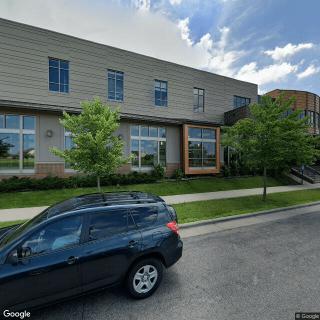
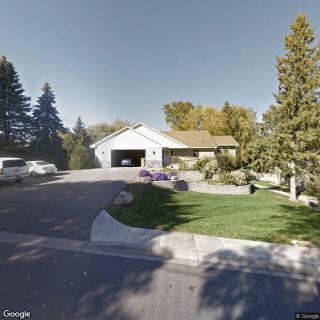
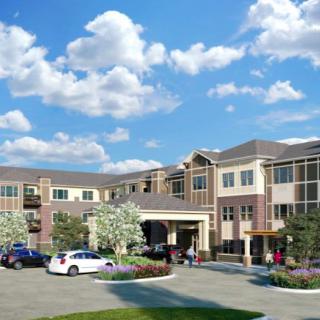
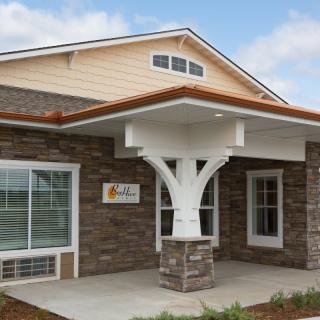
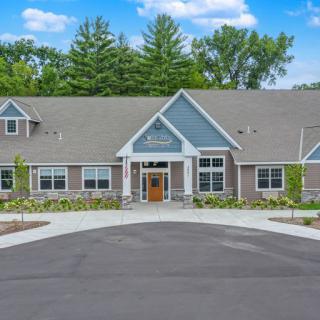
 Inclusive community with indoor social spaces, meals, activities, and off-site devotional services near abundant nearby amenities.
 Assisted Living Expenses and Long-Term Care Insurance: A Comprehensive Exploration
 Securing Financial Support for Assisted Living: A Comprehensive Overview
 Social Security Benefits and Assisted Living: Navigating Options Across the U.S.