Nura Pa in Coon Rapids, MN

2104 Northdale Boulevard # 220, Coon Rapids, MN 55432

For more information about senior living options: (844) 490-3973

4.3 from 105 reviews
5 stars
82
4 stars
4
3 stars
4
2 stars
1
1 stars
14

Seniors.FYI Elite Community Awards

Top 5% Senior Living Community in 2024Top 5% Senior Living Community in 2026

Add this award to your website

Overall Review of Nura Pa

Pros

  • pro Staff is great and concerned.
  • pro The entire staff treats patients like family; they're fantastic and really care.
  • pro The team at Nura has been wonderful.
  • pro They are helpful by working with you, to determine what the next step in your care journey is.
  • pro They care and believe you.
  • pro The clinic runs like clockwork, with friendly staff and excellent doctors and nurses.
  • pro They are so wonderful they would recommend them to everyone.
  • pro Nura staff are the BEST!

Cons

  • pro The clinic is criticized for having zero ability to listen to patients and showing no concern for their questions.
  • pro It’s alleged they would inject patients without basic imaging, even when the patient has metal in their body.
  • pro The organization is described as disorganized with chronic scheduling problems, leading to long waits and missed appointments.
  • pro Clinicians are accused of treating patients as drug seekers, including contracts and frequent drug tests that feel humiliating.
  • pro Some doctors are described as smug, condescending, or not engaging, leaving patients feeling dismissed.
  • pro The clinic is criticized for prescribing very low-dose opioids that do not relieve pain.
  • pro Access to nerve blocks or radiofrequency ablation is slow, with months-long delays.

Review

Nura Pa in Coon Rapids is best suited for adults with long-standing, disabling pain who have already tried conventional therapies and are willing to pursue an aggressive, multidisciplinary approach. This is a clinic that markets itself to patients needing more than injections and pills, offering an integrated path that can include nerve blocks, epidurals, intrathecal pumps, spinal cord stimulation, physical therapy, aquatic therapy, and even behavioral health support. The central value proposition is treatment customization: clinicians listen, map out a full care plan, and stay engaged through a multi-pronged effort to reduce pain, restore function, and reclaim daily life. For many reviewers, the promise translates into measurable improvements in mobility, sleep, and overall mood, with patients reporting that life returns when the pain loses its grip. The emphasis on coordinated care–where doctors, nurses, and therapists collaborate around a single plan–is repeatedly highlighted as a deciding factor.

That said, this is not the right choice for everyone. Alternatives become worth considering for those who prize punctuality and predictability over the breadth of intervention options. The experience can skew toward inconsistency: some patients encounter long wait times, uneven scheduling, and mixed encounters with individual clinicians. For those who require rapid, conservative management or simpler regimens, the depth and complexity of Nura Pa’s offerings can feel overkill or slow to produce a visible payoff. Travel burden also matters: several strong testimonials come from people willing to drive or relocate to access the most capable pain specialists, which means distant patients or those with limited transportation may want to weigh logistics against potential benefit. Finally, some patients have had negative interactions with particular providers or administrative processes, which understandably colors overall impressions.

The clinic’s strongest assets lie in its top-tier clinical talent, the breadth of interventional options, and the clear commitment to a patient-centric plan. Across multiple reviews, the staff are described as compassionate, approachable, and deeply knowledgeable, with clinicians who tailor treatment to the individual rather than defaulting to a one-size-fits-all protocol. The availability of advanced therapies, such as implanted pain pumps and spinal cord stimulators, alongside traditional nerve blocks, can produce dramatic relief for those who have exhausted other paths. When the plan works, it often changes lives: patients regain mobility, return to activities they love, and salvage relationships strained by chronic pain. The multidisciplinary texture, pain management, physical therapy, and mental health on the same ecosystem, helps address the whole person, not just the pain generator.

There are, however, meaningful frictions to anticipate. The most common cautions center on postponed follow-ups and uneven access to timely procedures, especially nerve blocks and repeat interventional steps. A few patients report feeling unheard or rushed, particularly during injections, and there are accounts of communication gaps that complicate scheduling and the understanding of next steps. Administrative hurdles, forms, referrals, insurance questions, and occasional billing quirks, can add friction to an already stressful journey. Travel time compounds these issues for those far from the main hubs; even those with strong outcomes often note the trade-off between results and time spent moving through a complex system. In short, while the medical care can be transformative, the path is not always smooth or quick.

From a practical standpoint, prospective patients should come prepared to engage actively: request a specific physician with a proven track record in interventional care, ask for a comprehensive, milestone-driven plan, and probe how follow-ups will be scheduled and funded. It helps to establish a clear rubric for success, pain reduction thresholds, functional goals, and timelines for trials of pumps or neuromodulation, so the journey remains accountable. Families should also assess their willingness to commute or endure periodic clinic visits over several months, balanced against the likelihood of meaningful, sustained relief. The best outcomes tend to arise when patients commit to a coordinated strategy, steadily test the available modalities, and participate in the full spectrum of the clinic’s offerings rather than seeking quick, one-off fixes.

In the end, Nura Pa stands out as a compelling option for a specific, demanding segment of pain patients: those who have endured chronic pain for years, who are open to a comprehensive, sometimes intensive treatment plan, and who value care teams that listen, explain, and adapt. The combination of expert interventional capacity, a patient-first culture, and a wide array of therapies can deliver life-changing gains, particularly for neuropathic and musculoskeletal conditions where conventional care has fallen short. Yet the decision should be tempered by practical realities, time, travel, and the potential for uneven experiences across clinicians. For families weighing a move toward a high-touch pain program, Nura Pa offers a credible, potentially transformative path, provided one enters with clear expectations, a readiness to engage, and a plan that leverages the team’s strengths while mitigating the inevitable scheduling and administrative headaches.

Features

Housing

  • 21 resident community capacity 21 resident community capacity

Types of Care

  • Assisted Living Assisted LivingAssisted living facilities provide crucial support and care for seniors who may need help with daily tasks such as medication management, bathing, and meal preparation. These communities offer a safe and comfortable environment where seniors can maintain their independence while receiving the assistance they need to thrive in their golden years.

Amenities

  • Beauty salon Beauty salonBeauty salons are important for seniors because they provide a space for them to feel pampered, socialize, and maintain their personal grooming and hygiene. Regular visits to a beauty salon can help boost seniors' self-esteem and overall well-being.
  • Cable or satellite TV Cable or satellite TVCable or satellite TV is important for seniors because it provides entertainment, news, and companionship, helping to combat loneliness and boredom. It also offers a wide range of programming options tailored to different interests and preferences.
  • Dining room Dining roomDining rooms are important for seniors as they provide a space for socialization, connection, and nutritious meals. They offer opportunities for residents to bond over shared meals, foster a sense of community, and promote healthy eating habits. Dining rooms also ensure that seniors have access to well-balanced meals tailored to their dietary needs and preferences.
  • Fully furnished Fully furnishedFully furnished senior living communities are important for seniors because they provide convenience, comfort, and a hassle-free moving experience. Seniors can easily settle into their new living space without the stress of having to buy and move furniture. This allows them to focus on enjoying their new home and community.
  • Garden GardenGardens are important for seniors as they provide a peaceful and therapeutic environment for relaxation, physical activity, and socialization. Being in nature has been shown to reduce stress, improve mood, and promote overall well-being. Gardens also offer opportunities for seniors to engage in gardening activities, which can improve mobility, flexibility, and cognitive function. Additionally, gardens create a sense of community and connection with others who share a passion for plants and outdoor spaces.
  • Housekeeping services Housekeeping servicesHousekeeping services are important for seniors because they help maintain a clean and safe living environment, promote independence, and reduce the risk of accidents or illnesses. Additionally, having assistance with household chores can alleviate physical strain and allow seniors to focus on other aspects of their well-being.
  • Kitchenette KitchenetteKitchenettes are important for seniors living in senior living communities because they provide the convenience and independence of being able to prepare simple meals and snacks in the comfort of their own living space. This can help promote a sense of autonomy and well-being for seniors, allowing them to maintain some level of control over their dietary choices and daily routines.
  • Move-in coordination Move-in coordinationMove-in coordination is important for seniors because it helps ease the transition into their new living environment. It ensures that all logistics, such as packing, organizing movers, and setting up utilities are taken care of, allowing seniors to focus on settling in and adjusting to their new home. Having a smooth move-in process can alleviate stress and anxiety, making the transition smoother and more enjoyable for seniors.
  • Outdoor space Outdoor spaceOutdoor spaces are important for seniors as they provide opportunities for physical activity, social interaction, exposure to natural light and fresh air, and a sense of connection to nature. Having access to outdoor spaces can improve overall well-being and quality of life for older adults living in senior communities.
  • Restaurant-style dining Restaurant-style diningRestaurant-style dining is important for seniors because it allows them to enjoy delicious, nutritious meals in a social and upscale setting. This enhances their dining experience, promotes healthy eating habits, and fosters socialization with fellow residents, ultimately contributing to their overall well-being and quality of life.
  • Small library Small librarySmall libraries are important for seniors as they provide access to a variety of reading materials, including books, newspapers, and magazines. This can help stimulate their minds, keep them engaged, and provide a sense of community through book clubs and other social activities. Additionally, reading has been shown to improve cognitive function and overall mental well-being in older adults.
  • Telephone TelephoneTelephones are important for seniors as they provide a lifeline for communication with loved ones, emergency services, and healthcare providers. They offer a sense of security and independence, enabling seniors to stay connected and access assistance when needed.
  • Wi-Fi/high-speed internet available Wi-Fi/high-speed internet availableWi-Fi/high-speed internet is important for seniors to stay connected with loved ones, access online resources, and participate in virtual activities to combat feelings of loneliness and isolation. It also allows them to easily manage healthcare needs, access entertainment, and engage in lifelong learning opportunities.

Transportation

  • Minneapolis-St Paul International (21 miles away) Minneapolis-St Paul International (21 miles away)

Care Services

  • 24-hour call system 24-hour call system24-hour call systems are important for seniors because they provide peace of mind and immediate assistance in case of emergencies. This technology ensures that help is always available, promoting safety and security for elderly individuals living alone or in assisted living facilities.
  • 24-hour supervision 24-hour supervision24-hour supervision is important for seniors to ensure their safety, well-being, and access to immediate assistance in case of emergencies or health issues. This constant support provides peace of mind for both seniors and their loved ones, allowing them to age in place with dignity and security.
  • Activities of daily living assistance Activities of daily living assistanceActivities of daily living assistance are important for seniors because they provide essential support with tasks such as eating, bathing, dressing, and mobility. This assistance helps seniors maintain their independence, dignity, and overall quality of life as they age.
  • Assistance with bathing Assistance with bathingAssistance with bathing is crucial for seniors as it helps maintain personal hygiene, prevents infections, and ensures their overall well-being and comfort. It also provides a sense of dignity and independence for seniors who may struggle with this task on their own.
  • Assistance with dressing Assistance with dressingAssistance with dressing is important for seniors because it helps maintain their independence, promotes personal hygiene, prevents accidents and injuries, and improves overall quality of life. This service ensures that seniors can continue to dress comfortably and confidently, despite any physical limitations they may have.
  • Assistance with transfers Assistance with transfersAssistance with transfers is crucial for seniors as it helps prevent falls and injuries, maintains their independence, and ensures they can safely navigate their living environment. It also provides peace of mind for both seniors and their loved ones.
  • Diabetes diet Diabetes dietA diabetes diet is crucial for seniors as it helps manage blood sugar levels, reduce risks of complications, and improve overall health and well-being. By following a balanced and nutritious diet tailored to their specific needs, seniors can better control their diabetes and enhance their quality of life.
  • Meal preparation and service Meal preparation and serviceMeal preparation and service are crucial for seniors as they may have limited mobility or energy to cook nutritious meals. Having access to healthy and convenient food options can ensure they are getting the proper nutrition needed to maintain their overall health and well-being.
  • Medication management Medication managementMedication management is crucial for seniors to ensure they are taking the right medications at the correct dosages and times. This helps prevent adverse drug interactions, reduces the risk of medication errors, and promotes overall health and well-being. Proactive management also allows for adjustments as needed based on changing health conditions or new prescriptions.
  • Mental wellness program Mental wellness programMental wellness programs are essential for seniors as they promote cognitive stimulation, emotional support, and social engagement. These programs help prevent isolation, depression, and cognitive decline, ultimately enhancing the overall quality of life for older adults.
  • Special dietary restrictions Special dietary restrictionsSpecial dietary restrictions are important for seniors because age-related changes in metabolism and health conditions can make it difficult for their bodies to process certain foods. By following a diet tailored to their specific needs, seniors can maintain their overall health and well-being, manage chronic conditions, and reduce the risk of complications such as malnutrition or food interactions with medications.

Dining

  • Diabetes diet Diabetes dietA diabetes diet is crucial for seniors as it helps manage blood sugar levels, reduce risks of complications, and improve overall health and well-being. By following a balanced and nutritious diet tailored to their specific needs, seniors can better control their diabetes and enhance their quality of life.
  • Special dietary restrictions Special dietary restrictionsSpecial dietary restrictions are important for seniors because age-related changes in metabolism and health conditions can make it difficult for their bodies to process certain foods. By following a diet tailored to their specific needs, seniors can maintain their overall health and well-being, manage chronic conditions, and reduce the risk of complications such as malnutrition or food interactions with medications.

Activities

  • Community-sponsored activities Community-sponsored activitiesCommunity-sponsored activities are important for seniors as they provide opportunities for social interaction, mental stimulation, and physical activity. These activities can help improve overall well-being, combat loneliness and isolation, and promote a sense of belonging and purpose among older adults.
  • Resident-run activities Resident-run activitiesResident-run activities are important for seniors as they encourage social interaction, creativity, and a sense of autonomy. These activities empower seniors to stay engaged and active in their community while fostering meaningful connections with their peers.
  • Scheduled daily activities Scheduled daily activitiesScheduled daily activities are important for seniors because they provide structure, socialization, mental stimulation, and physical activity. Engaging in regular activities can improve overall well-being and quality of life for seniors living in a community setting.

Description

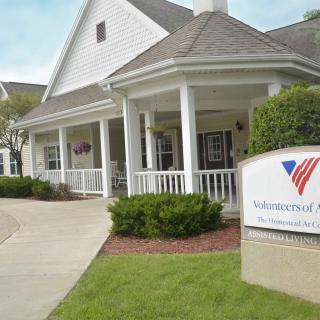
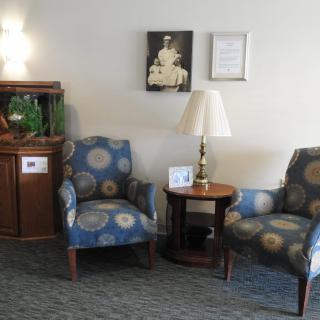
Nura Pa in Coon Rapids, MN is an assisted living community that offers a wide range of amenities and care services to meet the needs of its residents. The apartments are fully furnished and include cable or satellite TV, a kitchenette, and Wi-Fi/high-speed internet.

Residents can enjoy delicious meals in the restaurant-style dining room, with special dietary restrictions accommodated. There is also a small library for leisurely reading and three nearby cafes for socializing.

Care services at Nura Pa include 24-hour supervision and assistance with activities of daily living such as bathing, dressing, and transfers. The community also provides assistance with medication management and follows special dietary restrictions for diabetic residents.

Residents can participate in resident-run activities as well as scheduled daily activities organized by the community. Outdoor space is available for residents to relax and enjoy the fresh air.

Nura Pa is conveniently located near various amenities including five nearby parks for outdoor recreation and 16 pharmacies for easy access to medications. There are also 13 physicians nearby for medical care.

For entertainment options, there are two theaters nearby and numerous restaurants where residents can enjoy meals out. Additionally, there is one place of worship nearby for those seeking spiritual support.

With its comprehensive amenities, care services, and convenient location, Nura Pa provides a comfortable and supportive living environment for seniors in Coon Rapids, MN.

Nearby Places of Interest

Restaurants

  • Burger King (0.1 miles)
  • McDonald's (0.4 miles)
  • Taco Bell (0.4 miles)
  • New Mandarin Restaurant (1.1 miles)
  • Alloy Brewing (1.1 miles)
  • Mandarin Buffet (1.9 miles)
  • Shortstop Bar & Grill (2.2 miles)

Places of Worship

  • Ephiphany Catholic Church (0.8 miles)
  • Saint Katharine Drexel Catholic Church (7 miles)
  • Fridley United Methodist Church (7.4 miles)

Pharmacies

  • Walgreens (1.2 miles)
  • Cub Pharmacy (2.6 miles)
  • Walmart Pharmacy (2.7 miles)
  • Walgreens (2.9 miles)
  • Fairview Pharmacy Services (2.9 miles)
  • CVS Pharmacy (3.1 miles)
  • Walgreens (3.2 miles)

Cafes

  • Caribou Coffee (1.9 miles)
  • Starbucks (3 miles)
  • Caribou Coffee (3.7 miles)

Physicians

  • North Suburban Eye Specialists (2 miles)
  • Dr Kara Durick, Optometrist, and Associates - Coon Rapids (2.2 miles)
  • The Dental Specialists (2.3 miles)
  • Mercy Orthopedics Clinic (2.4 miles)
  • Suburban Radiologists (3.5 miles)
  • Suburban Imaging (4.1 miles)
  • Twin Cities Orthopedics Blaine (4.1 miles)

Parks

  • Crooked Lake Park & Beach (2.2 miles)
  • Riverdale Park (2.5 miles)
  • Pennisula Park (3.5 miles)
  • Pinebrook Park (3.7 miles)
  • Sunshine Park (4.3 miles)
  • Kelsey Round Lake Park (5.1 miles)
  • Ham Lake City Park (6.8 miles)

Theaters

  • Andover Cinema (2.6 miles)
  • AMC Coon Rapids 16 (2.9 miles)

Hospitals

  • Anoka Metro Regional Treatment Center (3.7 miles)
  • Unity Hospital (6.2 miles)

Frequently Asked Questions

Where is Nura Pa?

Nearby Communities

  • TR Homes

    TR Homes

    Coon Rapids, MN


    pro Fully furnished homes with extensive care and social activities.

  • Select Senior Living

    Select Senior Living

    Coon Rapids, MN

    4.1 from 52 reviews
    $2,953 to $4,680 / month

    pro Friendly, knowledgeable staff; spacious, well-appointed apartments; and pleasant dining.

  • Select Sr Living Of Coon Rapid

    Select Sr Living Of Coon Rapid

    Coon Rapids, MN

    3.5 from 8 reviews
     

    pro Comprehensive amenities and 24/7 care with engaging activities.

  • SELECT SENIOR LIVING OF COON RAPIDS

    SELECT SENIOR LIVING OF COON RAPIDS

    COON RAPIDS, MN

    3.5 from 8 reviews
     

    pro Nearby dining, parks, healthcare, worship, and theaters.

  • The Homestead At Coon Rapids

    The Homestead At Coon Rapids

    Coon Rapids, MN

    3.8 from 4 reviews
     

    pro Caring, stable staff with engaging activities that support resident well-being.

  • Homestead Coon Rapids Memory

    Homestead Coon Rapids Memory

    Coon Rapids, MN

    3.2 from 86 reviews
    $1,790 to $2,325 / month

    pro Competitive memory care pricing below county/state averages (semi-private $1,790; studio $2,325).

  • Camilia Rose Care Center

    Camilia Rose Care Center

    Coon Rapids, MN

    3 from 10 reviews
     

    pro Warm, courteous staff in a clean, inviting facility with engaging amenities.

  • Park River Estates Care Center

    Park River Estates Care Center

    Coon Rapids, MN

    3.2 from 26 reviews
     

    pro Vibrant activities and attentive staff in a clean, well-maintained setting.

  • Gabby Care Homes

    Gabby Care Homes

    Champlin, MN

    4.5 from 34 reviews
     

    pro Small, intimate setting with comprehensive, personalized care.

Related Resources

  • assisted living for disabled adultsComprehensive Residential Support and Assisted Living Solutions for Individuals with Disabilities

    The article examines the complexities of assisted living for individuals with disabilities, emphasizing the need for tailored care solutions that enhance quality of life and social inclusion, while addressing financial challenges and advocating for community integration. It discusses various housing options, the importance of financial assistance through public benefits, and highlights trends towards integrated and technology-driven solutions in disability-focused housing.

  • assisted living for disabled adultsComprehensive Supportive Living Arrangements for Adults with Disabilities

    Assisted living for adults with disabilities has transformed to provide personalized care and support services aimed at improving residents' quality of life while balancing independence and assistance. However, low-income individuals often face challenges in affording these services, requiring navigation of various financial resources and advocacy for better policies and solutions.

  • how to pay for assisted livingFunding and Affording Assisted Living: A Thorough Overview

    Assisted living facilities provide support for older adults needing help with daily activities without extensive medical care, but their costs can be high and vary by location and services offered. Families often seek various funding options and financial strategies to manage these expenses effectively while considering future needs and potential price increases.