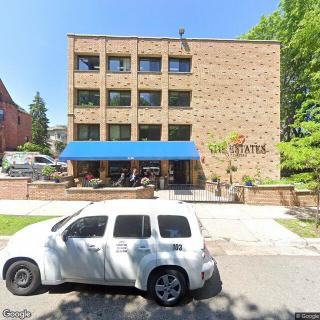
Mn Care Access

912 East 24Th Street #B208, Minneapolis, MN 55404

For more information about senior living options: (844) 490-3973

3 from 100 reviews
5 stars
37
4 stars
10
3 stars
9
2 stars
7
1 stars
37

Assisted Living

What level of care are you interested in?

Assisted Living

Memory Care

Independent Living

Skilled Nursing Facility

Continuing Care Retirement Community (CCRC)CCRC

Other


Request a tour at Mn Care Access

    Overall Review of Mn Care Access

    Pros

    • pro They were very helpful and knew what they were doing.
    • pro They were in and out quickly.
    • pro They provided quick, attentive service.
    • pro They were very pleasant.
    • pro A staff member was described as extraordinary and helpful.
    • pro The security guard in the lobby was extremely wonderful and kind.
    • pro The location is conveniently near I-94 and light rail, easy to find with street parking.
    • pro The staff were friendly and well educated, and the lines moved quickly.

    Cons

    • pro They describe MNsure as a scam with poor service and language barriers.
    • pro They say the phone system is always busy and callers are redirected to endless numbers.
    • pro They claim staff are unhelpful or incompetent, with information lost or not acted on.
    • pro They report enrollment and renewal applications are canceled or delayed despite submission.
    • pro They note the website and office hours are unreliable and not updated, causing wasted trips.
    • pro They complain the building is hard to access and the surrounding area is noisy due to emergency vehicles.
    • pro They accuse the Minnesota Department of Human Services and government of corruption and mismanagement.
    • pro They describe extreme hold times and a lack of accountability or direct contact.
    • pro One review includes a harsh personal attack toward a staff member (e.g., calling Emily Collins despicable).

    Review

    A thread runs through a large swath of recent experiences with MNsure, Minnesota's Department of Human Services, and related state offices: promises of help, stubborn inefficiencies, endless phone menus, and a sense that the systems meant to protect people who need health coverage and social services are often doing more harm than good. In one voice, a mix of managed enrollment troubles, miscommunications about plans and coverage, and nonstop navigational hurdles paints a picture of a process that feels broken at multiple touchpoints. The writer describes a pattern of misfiled or misinterpreted enrollment forms, repeated requests for the same information, and a continual churn that leaves people with uncertain or interrupted health coverage.

    A central grievance centers on enrollment and coverage confusion. The author says they submitted a managed enrollment plan several weeks ago, only to receive a new enrollment form that excluded a longtime provider, HealthPartners. The implication is that they could end up with a different insurer than expected, at least temporarily, and there's real anxiety that the enrollment form wasn't processed in time, potentially leaving them uninsured or underinsured. In one striking line, the writer notes they fear Medica may be the provider for the next month until the muddled paperwork settles, and they hope Medica can cover the needed services in the meantime. The sense conveyed is not just paperwork lag but a real risk to ongoing access to care during a vulnerable period.

    Physical access and the environment around the offices contribute to the frustration as well. The reviewer describes the Saint Paul Human Services building as difficult to reach and poorly planned, situated in a way that makes the experience uncomfortable even before any service is sought. The nearby presence of a fire station with frequent emergency vehicles - sirens that sound as trucks exit, sometimes in a way that feels unsafe or disruptive - amplifies the sense of chaos. The complaint extends to the behavior of vehicles leaving the building and navigating a one-way street, with repeated "new driver" mishaps that allegedly damage garage doors and amplify the sense that safety and efficiency have been sacrificed to logistics. The broader city noise, including horns and sirens, is framed as a health and quality-of-life issue, undermining the dignity of an already stressful visit.

    Hours of operation and the difficulty of getting timely information loom large in the narrative. The Saint Paul Human Services building is described as publishing hours that don't match reality; the facility and other Department of Human Services offices close earlier than expected, and there is a lack of reliable direct contact to verify actual hours. The writer even labels the system "corrupt" and expresses pessimism that anyone in authority will read or respond with constructive action. This sense of disconnection between stated hours and actual access is a recurring theme, leaving visitors with little confidence that they can reliably access help when they need it.

    The stories about handling applications and renewals reveal a frustrating pattern of noncooperation and miscommunication. Documents and information are supposedly received and then denied or lost, even after the applicant has provided the required data multiple times. One example describes submitting information by mail at least three times, only to be told that nothing had been received. Calls either ring with no answer, loop to other numbers, or end with no resolution. There are reports of insurance cancellations despite ongoing attempts to provide the necessary information, and of case numbers being issued yet with no sense that anything has been properly tracked or acknowledged. The overall impression is of a system where accountability for documents and status updates is thin and confusing, with patients and applicants bearing the brunt of the churn.

    Interspersed with the harsher assessments are moments of appreciation for individual staff or experiences that felt human and responsive. The reviewer notes a few bright spots: a security guard in the lobby who was kind and reassuring about the drop box, and a phone representative who eventually provided useful guidance after a long hold. There are mentions of quick, attentive service and staff who were clearly well-intentioned and capable in their roles. Still, these positive notes are intermittently sandwiched between reports of long hold times, cold triggering of automated menus, and a sense that even well-meaning staff are overwhelmed by a system that resists straightforward solutions.

    A broader sense of systemic strain also emerges. The author contrasts the slow, opaque processes of MNsure and its affiliated agencies with other governmental capabilities, noting how quickly investigations or responses seem to happen in unrelated areas (for example, ticket purchases for Taylor Swift). The underlying sentiment is that the health and social services apparatus appears slow, opaque, and unwilling to accept accountability. There are strong expressions of frustration about the quality and fairness of access to care, especially for vulnerable groups such as seniors and people with AIDS or disabilities, and a sense that political or bureaucratic concerns overshadow the needs of ordinary citizens seeking basic coverage and services.

    Against this backdrop, there are occasional affirmations of helpfulness and accessibility. A few readers emphasize that the organizations can be capable and courteous in the right circumstances, and that some individuals they encountered were effective and compassionate. There is also a recurring acknowledgment that the physical environment - while problematic in some cases - can feature people who try to make the best of difficult situations: security staff offering reassurance, courteous callers, and staff who "knew what they were doing" in spite of procedural barriers. The overall tone, however, remains somber and channeled toward a desire for real improvements: clearer communication, reliable hours and access, better management of enrollment data, and a system that treats people's health and wellbeing as a priority rather than a burden.

    In sum, the collection of reviews paints a portrait of embedded friction within MNsure and the Minnesota Department of Human Services ecosystem. The experiences range from disorienting and unsafe-feeling building access to persistent administrative missteps that threaten ongoing health coverage. The criticisms are loud and repeated: inconsistent hours, unresponsive phone lines, lost or mishandled paperwork, and a sense that the system's design obscures accountability. Yet, amid the frustration, there are glimmers of individual care and competence - moments when staff and security workers offered genuine kindness or when certain interactions were smooth and efficient. Taken together, the narrative calls for structural improvements: more reliable information about hours and processes, streamlined enrollment and renewal procedures, and responsive customer service that centers the needs and dignity of the people who rely on these public programs every day.

    Features

    Housing

    • 21 resident community capacity 21 resident community capacity

    Types of Care

    • Assisted Living Assisted LivingAssisted living facilities provide crucial support and care for seniors who may need help with daily tasks such as medication management, bathing, and meal preparation. These communities offer a safe and comfortable environment where seniors can maintain their independence while receiving the assistance they need to thrive in their golden years.

    Amenities

    • Beauty salon Beauty salonBeauty salons are important for seniors because they provide a space for them to feel pampered, socialize, and maintain their personal grooming and hygiene. Regular visits to a beauty salon can help boost seniors' self-esteem and overall well-being.
    • Cable or satellite TV Cable or satellite TVCable or satellite TV is important for seniors because it provides entertainment, news, and companionship, helping to combat loneliness and boredom. It also offers a wide range of programming options tailored to different interests and preferences.
    • Dining room Dining roomDining rooms are important for seniors as they provide a space for socialization, connection, and nutritious meals. They offer opportunities for residents to bond over shared meals, foster a sense of community, and promote healthy eating habits. Dining rooms also ensure that seniors have access to well-balanced meals tailored to their dietary needs and preferences.
    • Fully furnished Fully furnishedFully furnished senior living communities are important for seniors because they provide convenience, comfort, and a hassle-free moving experience. Seniors can easily settle into their new living space without the stress of having to buy and move furniture. This allows them to focus on enjoying their new home and community.
    • Garden GardenGardens are important for seniors as they provide a peaceful and therapeutic environment for relaxation, physical activity, and socialization. Being in nature has been shown to reduce stress, improve mood, and promote overall well-being. Gardens also offer opportunities for seniors to engage in gardening activities, which can improve mobility, flexibility, and cognitive function. Additionally, gardens create a sense of community and connection with others who share a passion for plants and outdoor spaces.
    • Housekeeping services Housekeeping servicesHousekeeping services are important for seniors because they help maintain a clean and safe living environment, promote independence, and reduce the risk of accidents or illnesses. Additionally, having assistance with household chores can alleviate physical strain and allow seniors to focus on other aspects of their well-being.
    • Kitchenette KitchenetteKitchenettes are important for seniors living in senior living communities because they provide the convenience and independence of being able to prepare simple meals and snacks in the comfort of their own living space. This can help promote a sense of autonomy and well-being for seniors, allowing them to maintain some level of control over their dietary choices and daily routines.
    • Move-in coordination Move-in coordinationMove-in coordination is important for seniors because it helps ease the transition into their new living environment. It ensures that all logistics, such as packing, organizing movers, and setting up utilities are taken care of, allowing seniors to focus on settling in and adjusting to their new home. Having a smooth move-in process can alleviate stress and anxiety, making the transition smoother and more enjoyable for seniors.
    • Outdoor space Outdoor spaceOutdoor spaces are important for seniors as they provide opportunities for physical activity, social interaction, exposure to natural light and fresh air, and a sense of connection to nature. Having access to outdoor spaces can improve overall well-being and quality of life for older adults living in senior communities.
    • Restaurant-style dining Restaurant-style diningRestaurant-style dining is important for seniors because it allows them to enjoy delicious, nutritious meals in a social and upscale setting. This enhances their dining experience, promotes healthy eating habits, and fosters socialization with fellow residents, ultimately contributing to their overall well-being and quality of life.
    • Small library Small librarySmall libraries are important for seniors as they provide access to a variety of reading materials, including books, newspapers, and magazines. This can help stimulate their minds, keep them engaged, and provide a sense of community through book clubs and other social activities. Additionally, reading has been shown to improve cognitive function and overall mental well-being in older adults.
    • Telephone TelephoneTelephones are important for seniors as they provide a lifeline for communication with loved ones, emergency services, and healthcare providers. They offer a sense of security and independence, enabling seniors to stay connected and access assistance when needed.
    • Wi-Fi/high-speed internet available Wi-Fi/high-speed internet availableWi-Fi/high-speed internet is important for seniors to stay connected with loved ones, access online resources, and participate in virtual activities to combat feelings of loneliness and isolation. It also allows them to easily manage healthcare needs, access entertainment, and engage in lifelong learning opportunities.

    Transportation

    • Minneapolis-St Paul International (6 miles away) Minneapolis-St Paul International (6 miles away)

    Care Services

    • 24-hour call system 24-hour call system24-hour call systems are important for seniors because they provide peace of mind and immediate assistance in case of emergencies. This technology ensures that help is always available, promoting safety and security for elderly individuals living alone or in assisted living facilities.
    • 24-hour supervision 24-hour supervision24-hour supervision is important for seniors to ensure their safety, well-being, and access to immediate assistance in case of emergencies or health issues. This constant support provides peace of mind for both seniors and their loved ones, allowing them to age in place with dignity and security.
    • Activities of daily living assistance Activities of daily living assistanceActivities of daily living assistance are important for seniors because they provide essential support with tasks such as eating, bathing, dressing, and mobility. This assistance helps seniors maintain their independence, dignity, and overall quality of life as they age.
    • Assistance with bathing Assistance with bathingAssistance with bathing is crucial for seniors as it helps maintain personal hygiene, prevents infections, and ensures their overall well-being and comfort. It also provides a sense of dignity and independence for seniors who may struggle with this task on their own.
    • Assistance with dressing Assistance with dressingAssistance with dressing is important for seniors because it helps maintain their independence, promotes personal hygiene, prevents accidents and injuries, and improves overall quality of life. This service ensures that seniors can continue to dress comfortably and confidently, despite any physical limitations they may have.
    • Assistance with transfers Assistance with transfersAssistance with transfers is crucial for seniors as it helps prevent falls and injuries, maintains their independence, and ensures they can safely navigate their living environment. It also provides peace of mind for both seniors and their loved ones.
    • Diabetes diet Diabetes dietA diabetes diet is crucial for seniors as it helps manage blood sugar levels, reduce risks of complications, and improve overall health and well-being. By following a balanced and nutritious diet tailored to their specific needs, seniors can better control their diabetes and enhance their quality of life.
    • Meal preparation and service Meal preparation and serviceMeal preparation and service are crucial for seniors as they may have limited mobility or energy to cook nutritious meals. Having access to healthy and convenient food options can ensure they are getting the proper nutrition needed to maintain their overall health and well-being.
    • Medication management Medication managementMedication management is crucial for seniors to ensure they are taking the right medications at the correct dosages and times. This helps prevent adverse drug interactions, reduces the risk of medication errors, and promotes overall health and well-being. Proactive management also allows for adjustments as needed based on changing health conditions or new prescriptions.
    • Mental wellness program Mental wellness programMental wellness programs are essential for seniors as they promote cognitive stimulation, emotional support, and social engagement. These programs help prevent isolation, depression, and cognitive decline, ultimately enhancing the overall quality of life for older adults.
    • Special dietary restrictions Special dietary restrictionsSpecial dietary restrictions are important for seniors because age-related changes in metabolism and health conditions can make it difficult for their bodies to process certain foods. By following a diet tailored to their specific needs, seniors can maintain their overall health and well-being, manage chronic conditions, and reduce the risk of complications such as malnutrition or food interactions with medications.

    Dining

    • Diabetes diet Diabetes dietA diabetes diet is crucial for seniors as it helps manage blood sugar levels, reduce risks of complications, and improve overall health and well-being. By following a balanced and nutritious diet tailored to their specific needs, seniors can better control their diabetes and enhance their quality of life.
    • Special dietary restrictions Special dietary restrictionsSpecial dietary restrictions are important for seniors because age-related changes in metabolism and health conditions can make it difficult for their bodies to process certain foods. By following a diet tailored to their specific needs, seniors can maintain their overall health and well-being, manage chronic conditions, and reduce the risk of complications such as malnutrition or food interactions with medications.

    Activities

    • Community-sponsored activities Community-sponsored activitiesCommunity-sponsored activities are important for seniors as they provide opportunities for social interaction, mental stimulation, and physical activity. These activities can help improve overall well-being, combat loneliness and isolation, and promote a sense of belonging and purpose among older adults.
    • Resident-run activities Resident-run activitiesResident-run activities are important for seniors as they encourage social interaction, creativity, and a sense of autonomy. These activities empower seniors to stay engaged and active in their community while fostering meaningful connections with their peers.
    • Scheduled daily activities Scheduled daily activitiesScheduled daily activities are important for seniors because they provide structure, socialization, mental stimulation, and physical activity. Engaging in regular activities can improve overall well-being and quality of life for seniors living in a community setting.

    Description

    MN Care Access in Minneapolis, MN is a fully furnished assisted living community that offers a wide range of amenities and care services for seniors. Residents can enjoy the convenience of cable or satellite TV, Wi-Fi/high-speed internet, and telephone access to stay connected with their loved ones. The community also provides comfortable dining rooms and restaurant-style dining options for residents to savor delicious meals.

    For relaxation and recreation, MN Care Access features outdoor spaces and gardens where residents can unwind and enjoy the fresh air. A small library offers opportunities for residents to indulge in their favorite books or engage in quiet reading sessions. In addition, there are resident-run activities and scheduled daily activities that cater to various interests and preferences.

    At MN Care Access, the well-being of residents is a top priority. The community provides 24-hour supervision, assistance with activities of daily living, bathing, dressing, and transfers to ensure that residents receive the support they need. Specially trained staff members assist with medication management and follow special dietary restrictions including diabetes diets. A mental wellness program is also available to promote overall emotional well-being.

    Located in Minneapolis, MN, this assisted living community offers convenient access to nearby amenities such as cafes, parks, pharmacies, physicians' offices, restaurants, transportation options, places of worship, and hospitals. With its comprehensive amenities and caring staff members, MN Care Access provides a welcoming and supportive environment for seniors seeking assisted living services in Minneapolis.

    Nearby Places of Interest

    Hospitals

    • Csc Gi Lab (0.8 miles)
    • Hennepin County Medical Center (0.9 miles)
    • University of Minnesota Medical Center - East Bank Campus (1.7 miles)
    • Regency Hospital (4.2 miles)
    • VA Medical Center (4.8 miles)
    • Park Nicollet Methodist Hospital (5.4 miles)

    Pharmacies

    • CVS Pharmacy (0.9 miles)
    • Walgreens (1.3 miles)
    • CVS Pharmacy (1.7 miles)
    • Walgreens (1.8 miles)
    • Walgreens (1.9 miles)
    • Target Pharmacy (2 miles)
    • Walgreens (2.4 miles)

    Parks

    • Gateway Dog Park - Off-Leash Play Area (0.9 miles)
    • Loring Park (1.3 miles)
    • Mill Ruins Park (1.4 miles)
    • Franklin Terrace Off-Leash Dog Park (1.6 miles)
    • North Loop Dog Park (2.2 miles)
    • Boom Island Park (2.3 miles)
    • Longfellow Park (2.4 miles)

    Physicians

    • Whittier Clinic (1 miles)
    • HealthPartners Health Center for Women Clinic St Paul (2.7 miles)
    • Dermatology Consultants P.A. (4.6 miles)
    • Southwest Dermatology Specialist (5.1 miles)
    • Parkway Family Physicians (5.3 miles)

    Restaurants

    • 19 Bar (1.1 miles)
    • Maxwell's American Cafe (1.1 miles)
    • Hell's Kitchen (1.2 miles)
    • Sawatdee Thai Restaurant - Minneapolis (1.3 miles)
    • Mortimer's (1.4 miles)
    • Owamni (1.5 miles)
    • Gluek's Restaurant & Bar (1.5 miles)

    Places of Worship

    • Westminster Presbyterian Church (1.1 miles)
    • WW Studio (5.4 miles)

    Cafes

    • Dunn Brothers Coffee (1.3 miles)
    • Spyhouse Coffee (1.7 miles)
    • Roundtable Cof (3.1 miles)
    • Jinx Tea (4.3 miles)
    • Groundswell (5.1 miles)
    • Starbucks (5.1 miles)

    Transportation

    • Minnesota State Fair Transit Hub (4.4 miles)

    Frequently Asked Questions

    Where is Mn Care Access?

    Nearby Communities

    • Gateway Homecare Services

      Gateway Homecare Services

      Minneapolis, MN


      pro 24/7 supervision with comprehensive care, meals, and transport coordination.

    • S & H Health Care Services

      S & H Health Care Services

      Minneapolis, MN


      pro Fully furnished apartments with 24/7 supervision and dining options.

    • Tailored Care Residence I

      Tailored Care Residence I

      Minneapolis, MN


      pro Personalized 24/7 care with a mental wellness program and restaurant-style dining in a homelike setting.

    • Millennium Health Care

      Millennium Health Care

      Minneapolis, MN

      3.7 from 3 reviews
       

      pro Small, personalized assisted living with 24/7 supervision, meals, and furnished apartments.

    • Midwest Homes

      Midwest Homes

      Minneapolis, MN

      3.1 from 11 reviews
       

      pro 24/7 supervision with ADL support, medication management, and mental wellness in a furnished, community setting.

    • United Social Service I

      United Social Service I

      Minneapolis, MN


      pro Comprehensive care with meals, housekeeping, outdoor spaces, and engaging activities.

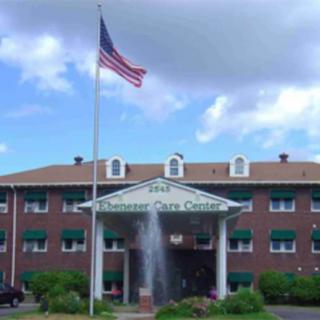
    • Ebenezer Care Center

      Ebenezer Care Center

      Minneapolis, MN

      4.2 from 10 reviews
       

      pro Initial tours showed safety and accessible activity areas.

    • Ebenezer Management Services

      Ebenezer Management Services

      Minneapolis, MN

      4.8 from 8 reviews
       

      pro Fully furnished apartments with 24/7 supervision and medication management

    • The Estates At Chateau

      The Estates At Chateau

      Minneapolis, MN

      3 from 24 reviews
      $3,600 / month

      pro Affordable private-room price with extensive on-site services.

    Related Resources

    • does medicaid pay for assisted livingHow and When Medicaid May Cover Assisted Living Costs

      Medicaid coverage for assisted living varies by state and is primarily available to low-income individuals, with eligibility dependent on strict income and asset limits. Some states offer HCBS waivers for specific services in assisted living, but families must generally cover room and board costs, and should verify facility acceptance of Medicaid while considering potential waiting lists.

    • assisted living waiver programA Detailed Exploration of Assisted Living Medicaid Waivers Across the United States
      Medicaid waivers for assisted living services provide vital support for seniors and individuals with disabilities in need of long-term care, with varying state-specific eligibility criteria and benefits. These waivers cover personal care and case management but often do not fully cover room and board, leading to waiting lists for many applicants.

    • assisted living for disabled adultsComprehensive Residential Support and Assisted Living Solutions for Individuals with Disabilities

      The article examines the complexities of assisted living for individuals with disabilities, emphasizing the need for tailored care solutions that enhance quality of life and social inclusion, while addressing financial challenges and advocating for community integration. It discusses various housing options, the importance of financial assistance through public benefits, and highlights trends towards integrated and technology-driven solutions in disability-focused housing.


    Get Pricing Ask A Question Schedule A Tour Contact Senior Advisor