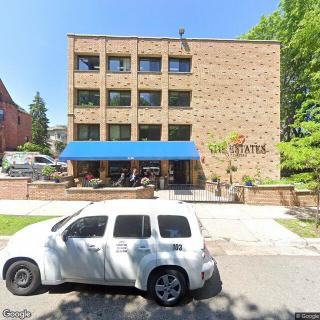
Millennium Health Care in Minneapolis, MN

2400 Elliot Avenue #416, Minneapolis, MN 55404

For more information about senior living options: (844) 490-3973

3.7 from 3 reviews
5 stars
2
4 stars
0
3 stars
0
2 stars
0
1 stars
1

Assisted Living

What level of care are you interested in?

Assisted Living

Memory Care

Independent Living

Skilled Nursing Facility

Continuing Care Retirement Community (CCRC)CCRC

Other


Request a tour at Millennium Health Care

    Overall Review of Millennium Health Care

    Cons

    • pro The organization lacks professionalism.
    • pro The team and its leader lack effective communication and respect toward potential partners and residents.
    • pro They have been frequently late to showings or forgotten about the showings and were not present.
    • pro The organization is not a good fit for those seeking reliable services.

    Review

    This community is best suited for families that prioritize clinical capabilities and on-site health oversight, and are willing to tolerate some operational rough edges in exchange for access to ICS-structured care. The presence of integrated care services signals potential for timely medical input and coordinated support, which can matter greatly for residents with complex health needs who cannot afford gaps in oversight. In short, it serves as a reasonable option for those who value medical infrastructure and are comfortable evaluating how it actually translates into day-to-day reliability.

    Those who should consider alternatives are families who require unwavering professionalism, meticulous scheduling, and consistently respectful partner communications. The current pattern described by critiques - late or missing showings, and leadership that does not demonstrate reliable engagement with prospective residents or partners - poses a significant risk for anyone coordinating move-ins, care planning, or long-term arrangements. For households that count responsiveness and dependable logistics as non-negotiables, this facility warrants a careful comparison with options that emphasize streamlined tours, documented commitments, and stronger accountability from leadership.

    The key upside - the ICS units and on-site clinical orientation - can offset some downsides if managed well. A facility with integrated care services has the potential to deliver smoother transitions, better care coordination, and early detection of health changes. When the clinical backbone is paired with a proactive governance team, families may experience fewer escalation points and clearer care pathways. However, that upside remains contingent on reliable leadership and consistent communication, and here the visible gaps undermine even solid clinical foundations. In other words, the healthcare apparatus may be sound, but its value collapses without dependable scheduling, timely follow-through, and respectful engagement with families and partners.

    The core drawbacks are concrete and consequential. Professionalism appears inconsistent, with reported lapses in basic courtesy and respect toward both potential residents and collaborating partners. The scheduling failures - showings being late or forgotten entirely - create real ambiguity about what life inside the community would feel like for residents and their families. Such patterns raise legitimate questions about how the staff communicates about care plans, responds to inquiries, and coordinates with families during transitions. When the front door to the facility operates erratically, even strong clinical offerings struggle to gain traction, because decision-makers must rely on trust that is not adequately earned.

    In practical terms, families weighing this community should demand a disciplined approach before committing. Seek a clearly articulated tour and decision timeline with a confirmed, accountable point person. Request written policies on showing schedules, follow-up timelines, and what happens if commitments are missed. Probe the ICS capabilities directly: what services are on-site, how often physicians or advanced practitioners visit, and how care plans are communicated to families. Talk to current residents or their families about day-to-day responsiveness and the consistency of staff interactions. Require a concrete communication protocol, with expected response times and a predictable escalation path for urgent questions. If those guardrails cannot be demonstrated, alternatives deserve serious consideration.

    Ultimately, this community is a measured bet for families who can tolerate a few operational rough edges in exchange for access to integrated clinical care. For families where reliability, polished partner relations, and punctual communication are non-negotiable, it may be wiser to explore other options first. The decision should rest on a clear read of leadership accountability and the ability to convert clinical potential into dependable, resident-centered experience. If the environment can be tightened on governance and communication, the clinical advantage becomes genuinely meaningful; absent that, a cautious pivot toward more consistently reliable operators is prudent.

    Features

    Housing

    • 21 resident community capacity 21 resident community capacity

    Types of Care

    • Assisted Living Assisted LivingAssisted living facilities provide crucial support and care for seniors who may need help with daily tasks such as medication management, bathing, and meal preparation. These communities offer a safe and comfortable environment where seniors can maintain their independence while receiving the assistance they need to thrive in their golden years.

    Amenities

    • Beauty salon Beauty salonBeauty salons are important for seniors because they provide a space for them to feel pampered, socialize, and maintain their personal grooming and hygiene. Regular visits to a beauty salon can help boost seniors' self-esteem and overall well-being.
    • Cable or satellite TV Cable or satellite TVCable or satellite TV is important for seniors because it provides entertainment, news, and companionship, helping to combat loneliness and boredom. It also offers a wide range of programming options tailored to different interests and preferences.
    • Dining room Dining roomDining rooms are important for seniors as they provide a space for socialization, connection, and nutritious meals. They offer opportunities for residents to bond over shared meals, foster a sense of community, and promote healthy eating habits. Dining rooms also ensure that seniors have access to well-balanced meals tailored to their dietary needs and preferences.
    • Fully furnished Fully furnishedFully furnished senior living communities are important for seniors because they provide convenience, comfort, and a hassle-free moving experience. Seniors can easily settle into their new living space without the stress of having to buy and move furniture. This allows them to focus on enjoying their new home and community.
    • Garden GardenGardens are important for seniors as they provide a peaceful and therapeutic environment for relaxation, physical activity, and socialization. Being in nature has been shown to reduce stress, improve mood, and promote overall well-being. Gardens also offer opportunities for seniors to engage in gardening activities, which can improve mobility, flexibility, and cognitive function. Additionally, gardens create a sense of community and connection with others who share a passion for plants and outdoor spaces.
    • Housekeeping services Housekeeping servicesHousekeeping services are important for seniors because they help maintain a clean and safe living environment, promote independence, and reduce the risk of accidents or illnesses. Additionally, having assistance with household chores can alleviate physical strain and allow seniors to focus on other aspects of their well-being.
    • Kitchenette KitchenetteKitchenettes are important for seniors living in senior living communities because they provide the convenience and independence of being able to prepare simple meals and snacks in the comfort of their own living space. This can help promote a sense of autonomy and well-being for seniors, allowing them to maintain some level of control over their dietary choices and daily routines.
    • Move-in coordination Move-in coordinationMove-in coordination is important for seniors because it helps ease the transition into their new living environment. It ensures that all logistics, such as packing, organizing movers, and setting up utilities are taken care of, allowing seniors to focus on settling in and adjusting to their new home. Having a smooth move-in process can alleviate stress and anxiety, making the transition smoother and more enjoyable for seniors.
    • Outdoor space Outdoor spaceOutdoor spaces are important for seniors as they provide opportunities for physical activity, social interaction, exposure to natural light and fresh air, and a sense of connection to nature. Having access to outdoor spaces can improve overall well-being and quality of life for older adults living in senior communities.
    • Restaurant-style dining Restaurant-style diningRestaurant-style dining is important for seniors because it allows them to enjoy delicious, nutritious meals in a social and upscale setting. This enhances their dining experience, promotes healthy eating habits, and fosters socialization with fellow residents, ultimately contributing to their overall well-being and quality of life.
    • Small library Small librarySmall libraries are important for seniors as they provide access to a variety of reading materials, including books, newspapers, and magazines. This can help stimulate their minds, keep them engaged, and provide a sense of community through book clubs and other social activities. Additionally, reading has been shown to improve cognitive function and overall mental well-being in older adults.
    • Telephone TelephoneTelephones are important for seniors as they provide a lifeline for communication with loved ones, emergency services, and healthcare providers. They offer a sense of security and independence, enabling seniors to stay connected and access assistance when needed.
    • Wi-Fi/high-speed internet available Wi-Fi/high-speed internet availableWi-Fi/high-speed internet is important for seniors to stay connected with loved ones, access online resources, and participate in virtual activities to combat feelings of loneliness and isolation. It also allows them to easily manage healthcare needs, access entertainment, and engage in lifelong learning opportunities.

    Transportation

    • Minneapolis-St Paul International (6 miles away) Minneapolis-St Paul International (6 miles away)

    Care Services

    • 24-hour call system 24-hour call system24-hour call systems are important for seniors because they provide peace of mind and immediate assistance in case of emergencies. This technology ensures that help is always available, promoting safety and security for elderly individuals living alone or in assisted living facilities.
    • 24-hour supervision 24-hour supervision24-hour supervision is important for seniors to ensure their safety, well-being, and access to immediate assistance in case of emergencies or health issues. This constant support provides peace of mind for both seniors and their loved ones, allowing them to age in place with dignity and security.
    • Activities of daily living assistance Activities of daily living assistanceActivities of daily living assistance are important for seniors because they provide essential support with tasks such as eating, bathing, dressing, and mobility. This assistance helps seniors maintain their independence, dignity, and overall quality of life as they age.
    • Assistance with bathing Assistance with bathingAssistance with bathing is crucial for seniors as it helps maintain personal hygiene, prevents infections, and ensures their overall well-being and comfort. It also provides a sense of dignity and independence for seniors who may struggle with this task on their own.
    • Assistance with dressing Assistance with dressingAssistance with dressing is important for seniors because it helps maintain their independence, promotes personal hygiene, prevents accidents and injuries, and improves overall quality of life. This service ensures that seniors can continue to dress comfortably and confidently, despite any physical limitations they may have.
    • Assistance with transfers Assistance with transfersAssistance with transfers is crucial for seniors as it helps prevent falls and injuries, maintains their independence, and ensures they can safely navigate their living environment. It also provides peace of mind for both seniors and their loved ones.
    • Diabetes diet Diabetes dietA diabetes diet is crucial for seniors as it helps manage blood sugar levels, reduce risks of complications, and improve overall health and well-being. By following a balanced and nutritious diet tailored to their specific needs, seniors can better control their diabetes and enhance their quality of life.
    • Meal preparation and service Meal preparation and serviceMeal preparation and service are crucial for seniors as they may have limited mobility or energy to cook nutritious meals. Having access to healthy and convenient food options can ensure they are getting the proper nutrition needed to maintain their overall health and well-being.
    • Medication management Medication managementMedication management is crucial for seniors to ensure they are taking the right medications at the correct dosages and times. This helps prevent adverse drug interactions, reduces the risk of medication errors, and promotes overall health and well-being. Proactive management also allows for adjustments as needed based on changing health conditions or new prescriptions.
    • Mental wellness program Mental wellness programMental wellness programs are essential for seniors as they promote cognitive stimulation, emotional support, and social engagement. These programs help prevent isolation, depression, and cognitive decline, ultimately enhancing the overall quality of life for older adults.
    • Special dietary restrictions Special dietary restrictionsSpecial dietary restrictions are important for seniors because age-related changes in metabolism and health conditions can make it difficult for their bodies to process certain foods. By following a diet tailored to their specific needs, seniors can maintain their overall health and well-being, manage chronic conditions, and reduce the risk of complications such as malnutrition or food interactions with medications.

    Dining

    • Diabetes diet Diabetes dietA diabetes diet is crucial for seniors as it helps manage blood sugar levels, reduce risks of complications, and improve overall health and well-being. By following a balanced and nutritious diet tailored to their specific needs, seniors can better control their diabetes and enhance their quality of life.
    • Special dietary restrictions Special dietary restrictionsSpecial dietary restrictions are important for seniors because age-related changes in metabolism and health conditions can make it difficult for their bodies to process certain foods. By following a diet tailored to their specific needs, seniors can maintain their overall health and well-being, manage chronic conditions, and reduce the risk of complications such as malnutrition or food interactions with medications.

    Activities

    • Community-sponsored activities Community-sponsored activitiesCommunity-sponsored activities are important for seniors as they provide opportunities for social interaction, mental stimulation, and physical activity. These activities can help improve overall well-being, combat loneliness and isolation, and promote a sense of belonging and purpose among older adults.
    • Resident-run activities Resident-run activitiesResident-run activities are important for seniors as they encourage social interaction, creativity, and a sense of autonomy. These activities empower seniors to stay engaged and active in their community while fostering meaningful connections with their peers.
    • Scheduled daily activities Scheduled daily activitiesScheduled daily activities are important for seniors because they provide structure, socialization, mental stimulation, and physical activity. Engaging in regular activities can improve overall well-being and quality of life for seniors living in a community setting.

    Description

    Millennium Health Care in Minneapolis, MN is an exceptional assisted living community that provides a wide range of amenities and care services to ensure the comfort and well-being of its residents. The community offers fully furnished apartments with cable or satellite TV, Wi-Fi/high-speed internet, and a small library for entertainment and relaxation.

    Residents can enjoy delicious meals in the dining room with restaurant-style dining or choose from special dietary restrictions options. The kitchenette in each apartment allows for personal meal preparation if desired. Housekeeping services are provided to maintain a clean and tidy living environment.

    To promote an active lifestyle, Millennium Health Care offers various activities such as resident-run activities and scheduled daily activities. These activities aim to engage residents, promote socialization, and enhance mental well-being. Additionally, a mental wellness program is available to cater to the unique needs of each individual.

    The community ensures the safety and support of its residents through 24-hour supervision and assistance with daily living tasks such as bathing, dressing, and transfers. Medication management is also provided to ensure proper adherence to prescribed medications. A diabetes diet is available for those who require it.

    Millennium Health Care's prime location boasts convenient access to nearby amenities including 4 cafes, 13 parks, 16 pharmacies, 3 physicians' offices, 39 restaurants, 1 transportation service, and 1 place of worship. In case of emergencies or medical needs, there are also 5 hospitals located nearby.

    Overall, Millennium Health Care in Minneapolis provides a comfortable and supportive environment where residents can enjoy their golden years while receiving excellent care services tailored to their individual needs.

    Nearby Places of Interest

    Pharmacies

    • CVS Pharmacy (0.8 miles)
    • Walgreens (1.3 miles)
    • CVS Pharmacy (1.7 miles)
    • Walgreens (1.8 miles)
    • Walgreens (1.9 miles)
    • Target Pharmacy (2 miles)
    • Walgreens (2.4 miles)

    Hospitals

    • Csc Gi Lab (0.9 miles)
    • Hennepin County Medical Center (0.9 miles)
    • University of Minnesota Medical Center - East Bank Campus (1.7 miles)
    • Regency Hospital (4.2 miles)
    • VA Medical Center (4.8 miles)
    • Park Nicollet Methodist Hospital (5.3 miles)

    Parks

    • Gateway Dog Park - Off-Leash Play Area (0.9 miles)
    • Loring Park (1.3 miles)
    • Mill Ruins Park (1.5 miles)
    • Franklin Terrace Off-Leash Dog Park (1.7 miles)
    • North Loop Dog Park (2.2 miles)
    • Longfellow Park (2.4 miles)
    • Boom Island Park (2.4 miles)

    Physicians

    • Whittier Clinic (1 miles)
    • HealthPartners Health Center for Women Clinic St Paul (2.8 miles)
    • Dermatology Consultants P.A. (4.7 miles)
    • Southwest Dermatology Specialist (5.1 miles)
    • Parkway Family Physicians (5.3 miles)

    Restaurants

    • 19 Bar (1.1 miles)
    • Maxwell's American Cafe (1.2 miles)
    • Hell's Kitchen (1.2 miles)
    • Mortimer's (1.3 miles)
    • Sawatdee Thai Restaurant - Minneapolis (1.3 miles)
    • Matt's Bar (1.5 miles)
    • Owamni (1.5 miles)

    Places of Worship

    • Westminster Presbyterian Church (1.1 miles)
    • WW Studio (5.4 miles)

    Cafes

    • Dunn Brothers Coffee (1.3 miles)
    • Spyhouse Coffee (1.6 miles)
    • Roundtable Cof (3.2 miles)
    • Jinx Tea (4.2 miles)
    • Starbucks (5.1 miles)
    • Groundswell (5.1 miles)

    Transportation

    • Minnesota State Fair Transit Hub (4.5 miles)

    Frequently Asked Questions

    Where is Millennium Health Care?

    Nearby Communities

    • S & H Health Care Services

      S & H Health Care Services

      Minneapolis, MN


      pro Fully furnished apartments with 24/7 supervision and dining options.

    • Mn Care Access

      Mn Care Access

      Minneapolis, MN

      3 from 100 reviews
       

      pro 24/7 supervision with comprehensive care and diabetes-friendly dining.

    • Gateway Homecare Services

      Gateway Homecare Services

      Minneapolis, MN


      pro 24/7 supervision with comprehensive care, meals, and transport coordination.

    • Midwest Homes

      Midwest Homes

      Minneapolis, MN

      3.1 from 11 reviews
       

      pro 24/7 supervision with ADL support, medication management, and mental wellness in a furnished, community setting.

    • Tailored Care Residence I

      Tailored Care Residence I

      Minneapolis, MN


      pro Personalized 24/7 care with a mental wellness program and restaurant-style dining in a homelike setting.

    • United Social Service I

      United Social Service I

      Minneapolis, MN


      pro Comprehensive care with meals, housekeeping, outdoor spaces, and engaging activities.

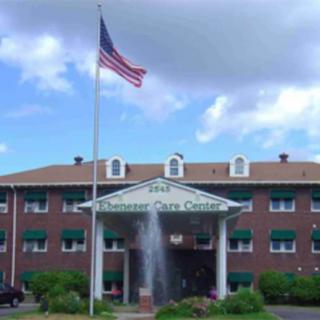
    • Ebenezer Care Center

      Ebenezer Care Center

      Minneapolis, MN

      4.2 from 10 reviews
       

      pro Initial tours showed safety and accessible activity areas.

    • Ebenezer Management Services

      Ebenezer Management Services

      Minneapolis, MN

      4.8 from 8 reviews
       

      pro Fully furnished apartments with 24/7 supervision and medication management

    • The Estates At Chateau

      The Estates At Chateau

      Minneapolis, MN

      3 from 24 reviews
      $3,600 / month

      pro Affordable private-room price with extensive on-site services.

    Related Resources

    • aid and attendance vaAn Extensive Exploration of the VA Aid and Attendance Benefit

      The VA Aid and Attendance benefit provides financial support to veterans needing assistance with daily living due to medical conditions or disabilities, augmenting standard VA pensions for services like in-home care. Eligibility is based on service duration, wartime status, income, and medical needs, with a detailed application process required to access funds for caregiving and home modifications.

    • senior move managementSenior Transition Services: Understanding Their Role, Cost, and Importance

      Senior move management services assist older adults in the relocation process by providing emotional support and organizational help, addressing unique challenges like downsizing and moving from long-term homes. These specialists collaborate with real estate agents and manage logistics, making the transition smoother for seniors and their families.

    • independent living vs assisted livingExploring the Path to Senior Living: A Comprehensive Look at Independent Living and Assisted Living

      The article examines senior housing options, detailing the distinctions between independent living and assisted living, along with the emerging "independent assisted living" model that blends both approaches. It highlights the importance of assessing individual needs, preferences, and financial factors in making informed decisions about suitable living arrangements for seniors.


    Get Pricing Ask A Question Schedule A Tour Contact Senior Advisor