
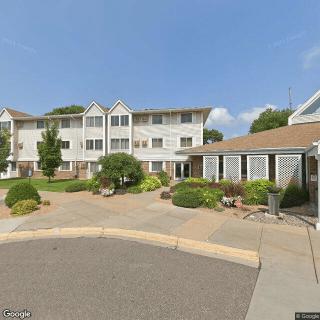
1100 Winnetka Avenue North, Golden Valley, MN 55427
For more information about senior living options: (866) 208-4318
Love & Care Costs & Pricing
Love & Care offers competitive pricing for its private room accommodations at $4,311 per month, making it a more affordable option compared to the average costs in Hennepin County and the broader Minnesota region, which stand at $5,580 and $5,090 respectively. This substantial difference not only highlights Love & Care's commitment to providing quality care at accessible rates but also positions it as an appealing choice for individuals seeking valued services without the burden of higher expenses typical in the area. Families can find reassurance knowing that they are prioritizing both care quality and financial prudence by selecting Love & Care.
| Floor plans | Love & Care | Hennepin County | Minnesota |
|---|---|---|---|
| Private | $4,311 | $5,580 | $5,090 |
Assisted Living communities with a similar price nearby
-
from +$689 / mo
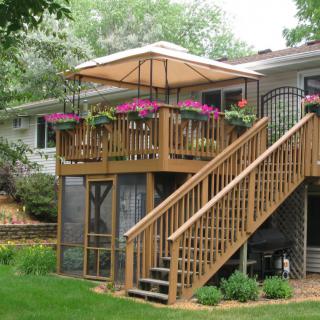
LuAnn's Place
$5,000 to $6,800 / month9.6 miles away -
from -$811 / mo

Our Lady Of Peace Home Care
$3,500 to $6,000 / month9.7 miles away -
from -$711 / mo

Hayden's House
$3,600 to $6,200 / month4.9 miles away -
About the same
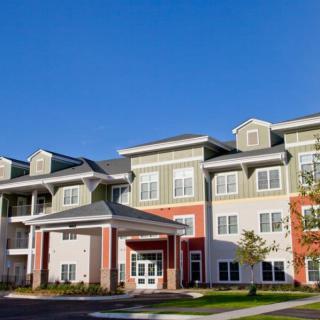
Keystone Place at LaValle Fields
$4,295 to $5,695 / month22.0 miles away -
from -$811 / mo
Stanton House W Services
$3,500 / month5.6 miles away
Overall Review of Love & Care
Pros
 They have transformed her mother’s life and brought peace and comfort to the family.
- They show patience, consistency, and heartfelt compassion.
- They treat her with kindness and make her feel seen, respected, and valued.
- The progress since they began care has been remarkable.
- They go above and beyond for her and for the family.
- They bring love, care, and dignity into her life.
- They’ve made a lasting difference in their lives.
Review
Love & Care in Golden Valley is best suited for families seeking a deeply human, relationship-first approach to elder care. This community shines when the priority is dignity, gentle encouragement, and daily routines that honor a resident’s sense of self. It is especially fitting for seniors who need practical help getting to appointments, coordinating transportation for dialysis, and support with daily tasks, all delivered with a patient, calm demeanor. The experiences shared by two families describe a home-like atmosphere where the elder’s voice is heard, and caregivers consistently go the extra mile to reduce confusion and fear. The result is a level of peace and steadiness that can ease the burden on the entire household.
Those who should consider alternatives are families confronting higher medical complexity or specialized memory-care needs, or those who require a broader program of on-site clinical oversight. If 24/7 nursing support, hospital-grade care, or a more robust, activity-rich environment is essential, this option may feel limited. Similarly, seniors who thrive on a wide social calendar and structured programming may not find everything they want in a small, intimate setting. For families seeking a facility that readily combines medical intensity with a wide array of daily organized activities, other communities could be a better fit.
The strongest positives here are the caregivers’ extraordinary patience, consistency, and genuine compassion. Residents are spoken to with kindness, encouraged, and treated as individuals worthy of respect and dignity, features that translate into tangible improvements in mood and overall well-being. Reviews repeatedly note that progress is not just about task completion but about a meaningful shift in the elder’s daily experience. A practical advantage is the ability to handle appointment logistics, an often stressful part of caregiving, without fracturing family routines, which provides real relief and stability.
Against these strengths, the main potential limitation is the absence of explicit, visible medical programming or specialized care tracks. While the staff excels at compassionate daily support and coordination, families should verify the level of on-site nursing, monitoring, and rehabilitative services if those needs are anticipated. The intimate, relationship-centered model offers extraordinary emotional and logistical benefits, but it may not substitute for settings with broader clinical resources or dedicated memory-care design. For many, the offset is strong: a consistent, trusted presence that lowers anxiety and preserves dignity, which can be more valuable than more clinical settings in the right circumstances.
Prospective movers should pursue concrete conversations about care plans, staffing, and escalation procedures. Clarify what on-site medical oversight exists, how emergencies are handled, and how care plans adapt as needs evolve. Inquire about memory-care options should concerns arise, weekend and evening coverage, and how transportation for medical visits is scheduled and coordinated. With two highly positive observations backing a consistent, compassionate model, the decision should hinge on whether the elder’s needs align with a small, person-centered environment that prioritizes trust, respect, and predictable daily rhythms.
Overall, Love & Care presents a powerful choice for families prioritizing warmth, dignity, and dependable, day-to-day support. It stands out for residents who benefit from a calm, patient caregiving style and seamless help with appointment logistics, all delivered in an intimate setting. Those seeking more intensive medical supervision, recovery-oriented rehabilitation, or comprehensive memory-care programming should consider alternatives that emphasize medical resources and structured activity options. When alignment exists between the elder’s preferences for a respectful, low-friction caregiving atmosphere and the family’s readiness to support ongoing planning, Love & Care offers a compelling, practical fit.
 21 resident community capacity
 Assisted Living
 Beauty salon
 Cable or satellite TV
 Dining room
 Fully furnished
 Garden
 Housekeeping services
 Kitchenette
 Move-in coordination
 Outdoor space
 Restaurant-style dining
 Small library
 Telephone
 Wi-Fi/high-speed internet available
 Minneapolis-St Paul International (11 miles away)
 24-hour call system
 Activities of daily living assistance
 Assistance with bathing
 Assistance with dressing
 Assistance with transfers
 Diabetes diet
 Medication management
 Mental wellness program
 Special dietary restrictions



 Exploring the Contrasts Between Assisted Living and Skilled Nursing
 8 Key Indicators That Suggest It May Be Time to Transition from Assisted Living to Skilled Nursing Care
 Vibrant Senior Living: A Comprehensive Guide for Active Older Adults