For more information about senior living options: (866) 208-4318
2.8 from 60 reviews
5 stars
14
4 stars
7
3 stars
10
2 stars
11
1 stars
18
Lake Street Station Costs & Pricing
Lake Street Station offers competitive rental rates, particularly when contrasted with the broader market in Hennepin County and the state of Minnesota. For a one-bedroom apartment, Lake Street Station's monthly cost stands at $970, significantly more affordable than Hennepin County's average of $3,550 and also lower than Minnesota's statewide average of $2,893. Similarly, the two-bedroom option at Lake Street Station is priced at $1,155, which again is a striking bargain compared to Hennepin County's rate of $3,848 and the state's average of $2,955. This positioning not only highlights Lake Street Station as an attractive choice for renters seeking quality living arrangements but also emphasizes its appeal amidst rising housing costs in the region.
Floor plans
Lake Street Station
Hennepin County
Minnesota
1 Bedroom
$970
$3,550
$2,893
2 Bedrooms
$1,155
$3,848
$2,955
Senior living communities with a similar price nearby
from -$40 / mo
RosePointe II
5 from 24 reviews
$930 to $1,155 / month
6.2 miles away
About the same
Lakewood Hills
5 from 12 reviews
$955 to $1,080 / month
12.9 miles away
from -$95 / mo
The Anthony James
4.9 from 13 reviews
$875 to $1,135 / month
10.3 miles away
from +$85 / mo
Norris Square
4.7 from 9 reviews
$1,055 to $4,430 / month
15.7 miles away
from +$71 / mo
Oak Ridge Place
4.7 from 56 reviews
$1,041 to $2,000 / month
22.1 miles away
Overall Review of Lake Street Station
caveat10 reviews mention this
Cleanliness problems come up often
Residents repeatedly mention dirty areas and unpleasant odors.
Multiple reviews describe the station as dirty or never clean, with trash and broken or damaged elements showing up in their comments. Several residents also single out strong smells like urine, including at specific entrances or stairwells. Even when people note improvements, the overall tone still points to ongoing upkeep issues rather than a consistently clean environment.
caveat10 reviews mention this
Safety and loitering concerns recur
Safety concerns and sketchy behavior are a recurring theme in reviews.
Several reviews warn that the area feels unsafe at times, mentioning drug use and drug dealing near the station. Others describe sketchy characters, loitering, or people approaching riders, while multiple commenters ask where transit police are. Some reviews do mention security activity positively, but the dominant pattern is that residents still feel uneasy in day-to-day conditions.
common3 reviews mention this
Convenient transit access is praised
Residents value the stationā€™s convenience for getting around.
A few reviews highlight how convenient Lake Street Station is, describing it as easy to use and helpful for commuters. One reviewer also notes shelters from the weather and the elevated platform design. The area around the station includes everyday destinations like restaurants, parks, clinics, and pharmacies within a short distance, which helps explain why the location itself gets positive attention.
How we summarize
Counts show how many written reviews mention each theme; a review can touch several themes, and only frequently mentioned themes are displayed.
Features
Types of Care
Active Adult Communities (55+)
Transportation
Minneapolis-St Paul International (5 miles away)
Nearby Places of Interest
This part of Minneapolis, Minnesota offers a mix of amenities and services that cater to seniors looking for a vibrant community. With a variety of restaurants ranging from American to Thai cuisine, there are plenty of dining options to explore. Additionally, the area has several parks nearby for leisurely walks or picnics, as well as hospitals and pharmacies for medical needs. For spiritual fulfillment, there are places of worship within a short drive. The transportation options make it convenient for seniors to get around the city with ease. Overall, this neighborhood provides a diverse range of resources and opportunities for senior living in a bustling urban setting.
Lake Street Station offers competitive rental rates, particularly when contrasted with the broader market in Hennepin County and the state of Minnesota. For a one-bedroom apartment, Lake Street Station's monthly cost stands at $970, significantly more affordable than Hennepin County's average of $3,550 and also lower than Minnesota's statewide average of $2,893. Similarly, the two-bedroom option at Lake Street Station is priced at $1,155, which again is a striking bargain compared to Hennepin County's rate of $3,848 and the state's average of $2,955. This positioning not only highlights Lake Street Station as an attractive choice for renters seeking quality living arrangements but also emphasizes its appeal amidst rising housing costs in the region.
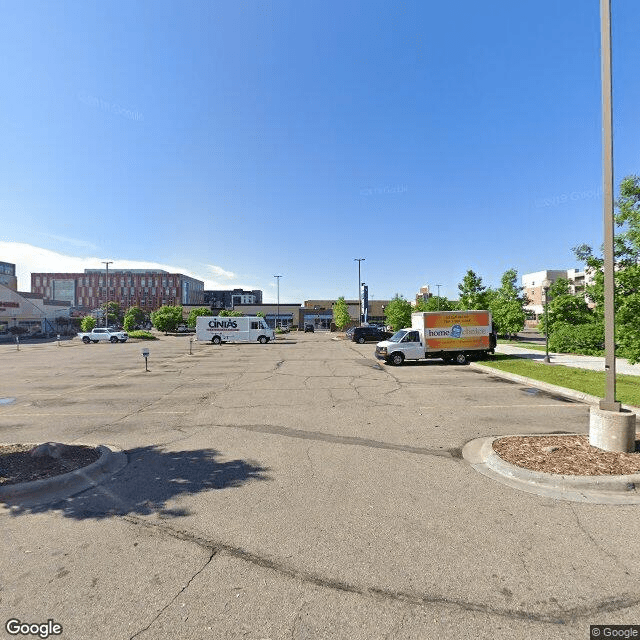
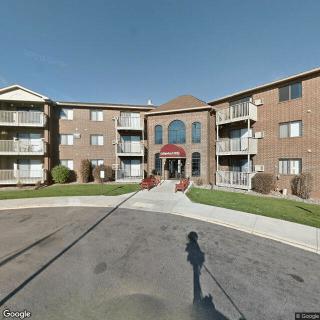
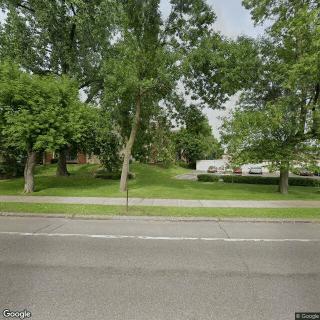
Lake Street Station is located at 2200 East Lake Street, Minneapolis, MN 55407 in Hennepin County, Minnesota
Nearby Communities
Diamonds Home Health Care
Minneapolis, MN
5 from 3 reviews
24/7 care with transportation for medical appointments and a mental wellness program.
Twin Cities Group Homes
Minneapolis, MN
3.9 from 22 reviews
Fully furnished apartments with 24/7 care and restaurant-style dining.
Caremark Home Health Care
Minneapolis, MN
Comprehensive assisted living with 24/7 supervision, medication management, wellness program, housekeeping, and on-site dining.
Star Group Home
Minneapolis, MN
Comprehensive care with 24-hour supervision, medication management, ADL support, restaurant-style dining, and diabetes-friendly options, plus on-site amenities.
Hope Wellness Center
Minneapolis, MN
5 from 2 reviews
24/7 supervision with comprehensive amenities.
Ama Group Home
Minneapolis, MN
5 from 4 reviews
Small, home-like setting with 24/7 caregiving and comprehensive services.
Minnehaha Senior Living
Minneapolis, MN
3.8 from 66 reviews
$3,300 to $3,875 / month
Clean facility with friendly staff and engaging activities.
Ebenezer Management Services
Minneapolis, MN
4.8 from 8 reviews
Fully furnished apartments with 24/7 supervision and medication management
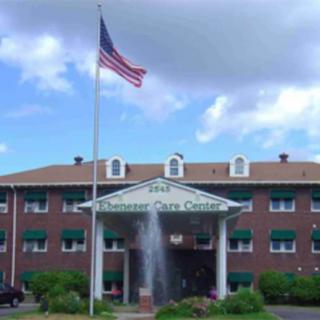
Ebenezer Care Center
Minneapolis, MN
4.2 from 10 reviews
Initial tours showed safety and accessible activity areas.
The guide outlines the eligibility criteria for home health care services, emphasizing clinical requirements, insurance options, and application processes. It distinguishes between Medicare's strict and Medicaid's flexible qualifications while addressing challenges families may face in securing necessary care at home.
Elder abuse affects many older adults worldwide and includes physical, emotional, neglectful, and financial harm, with about one in six individuals over 60 experiencing abuse annually. Prevention and intervention strategies focus on awareness, support for caregivers, and mandatory reporting, while recovery necessitates comprehensive support for both physical and emotional needs.
The guide details ten essential responsibilities of senior caregivers, including personal care, mobility assistance, medication management, and emotional support, while emphasizing the importance of safety, nutrition, and maintaining a safe living environment to enhance seniors' quality of life and independence.
Get PricingAsk A QuestionSchedule A TourContact Senior Advisor
By clicking submit, you agree to our Partner's Terms of Use. You
also consent to receive calls and texts, which may be autodialed, from our Partner. Your consent is not a condition to
using our Partner's service. Please visit our Partner's Privacy Policy for information about their privacy practices.




 Active Adult Communities (55+)
 Minneapolis-St Paul International (5 miles away)
 24/7 care with transportation for medical appointments and a mental wellness program.
 Comprehensive Guide to Qualifying for Home Health Care Services
 Powerful Realities of Elder Abuse and the Most Effective Ways to Report It
 Ten Vital Duties of a Senior Caregiver: A Comprehensive Guide