For more information about senior living options: (866) 208-4318
2.6 from 46 reviews
5 stars
15
4 stars
2
3 stars
2
2 stars
2
1 stars
25
Overall Review of LaCroix Family Residences
common10 reviews mention this
Therapy and rehab support stands out
Physical and occupational therapy receives consistent, hands-on praise from families.
Several reviewers describe PT and OT as professional and helpful, with therapists encouraging progress and working toward recovery goals. A few also mention that therapy was a key reason the experience felt positive during short stays or after falls. That said, some families complain about delays or insufficient rehab, so results appear to vary by circumstance and staff responsiveness.
common10 reviews mention this
Food quality is a frequent theme
Residents and families often comment on the food, both positively and negatively.
On the positive side, multiple reviews say the food is good or excellent and that meal options help make stays more manageable. Some families also mention their loved ones were finally eating better or gaining weight. Others report meals being unappetizing or poorly served, including trouble cutting food and missed meals, which is a recurring negative detail in the less positive reviews.
common18 reviews mention this
Staff kindness is widely mentioned
Many reviewers say caregivers are kind, caring, and attentive to day-to-day needs.
A large share of reviews describe staff as caring, thoughtful, and friendly, including nurses, therapists, and social workers. Some families specifically thank named staff members for listening to concerns and reacting to changing medical needs. At the same time, other reviewers describe rude behavior, cold attitudes, and staff seeming slow or inattentive, so experiences are not uniformly positive.
caveat14 reviews mention this
Communication and call response concerns
Several reviews describe slow responses, missed calls, or poor communication with families.
Some reviewers say staff took too long to respond to call lights or urgent requests, including medication timing and help with basic needs. Others describe not getting returned calls or emails, as well as confusion around discharge planning and follow-up. There are also reports of caregivers not communicating changes clearly to families, which left some families feeling in the dark during critical moments.
caveat8 reviews mention this
Safety and fall-related complaints recur
Safety issues, including falls, are a notable concern in multiple reviews.
A number of reviews mention falls during stays, with families describing serious outcomes such as head injury or need to return to a hospital. Several of these negative accounts also describe inadequate assistance for transfers to meals and the bathroom, as well as call-button response problems. While other reviewers say they saw attentive care and improving outcomes, fall-related complaints remain one of the strongest themes among critical reviews.
common
Nearby essentials are close by
There are nearby pharmacies, clinics, and everyday stops within about a few miles.
The surrounding area includes common destinations such as a pharmacy and medical offices nearby. Families also have access to local parks and casual dining within a short drive, which can help for visits and errands while a loved one is in care.
How we summarize
We summarize when many written reviews mention each theme; a review can touch several themes, and only frequently mentioned themes are displayed.
Features
Types of Care
Board and Care Home
Transportation
Minneapolis-St Paul International (12 miles away)
Nearby Places of Interest
This part of Minneapolis, Minnesota offers a variety of amenities and services that would cater well to seniors looking for a comfortable and convenient living environment. With multiple places of worship nearby, such as Elim Church Center and Westminster Presbyterian Church, residents have easy access to spiritual support and community engagement. Additionally, the proximity of several pharmacies like Walgreens and Park Nicollet Clinic ensures easy access to healthcare needs. The area also boasts several parks for recreation and relaxation, including Twin Lake Beach Park and Loring Park. For social outings or dining options, there are plenty of cafes and restaurants within a short distance, such as Caribou Coffee and Big Louie's Bar & Grill. Furthermore, with hospitals like Regency Hospital and Unity Hospital in the vicinity, residents can feel secure knowing that medical care is easily accessible. Overall, this part of Minneapolis provides a well-rounded environment for senior living with a mix of essential services and recreational opportunities.
Places of Worship
Elim Church Center (0.3 miles)
Westminster Presbyterian Church (4.9 miles)
Fridley United Methodist Church (5.3 miles)
Pharmacies
Walgreens (0.4 miles)
Walgreens (2.4 miles)
Walgreens (2.5 miles)
Park Nicollet Clinic (2.6 miles)
HyVee Pharmacy (2.7 miles)
Walgreens (2.7 miles)
CVS Pharmacy (3 miles)
Parks
Twin Lake Beach Park (0.8 miles)
North Loop Dog Park (3.9 miles)
Boom Island Park (4 miles)
Loring Park (4.9 miles)
Mill Ruins Park (5 miles)
Gateway Dog Park - Off-Leash Play Area (5.1 miles)
The article clarifies common misconceptions about Powers of Attorney (POA), highlighting the necessity of the principal's consent, the limitations on an agent's authority, and the importance of mental capacity when signing. It also distinguishes between various types of POAs, addresses concerns about potential abuse, and emphasizes the need for legal consultation to ensure valid and up-to-date documents.
Senior move management provides specialized support for older adults relocating by assisting with logistics, emotional challenges, and downsizing decisions to ensure a smooth transition to new living environments. These services address the unique needs of seniors and have become increasingly important as baby boomers retire and seek to downsize.
Weight training is vital for seniors to maintain muscle mass, bone density, and overall health, combating age-related declines through customized resistance exercises that enhance balance and well-being. Safe routines should start with realistic goals and proper form, while emphasizing gradual progress and consultations with healthcare providers to ensure safety and effectiveness.
Get PricingAsk A QuestionSchedule A TourContact Senior Advisor
By clicking submit, you agree to our Partner's Terms of Use. You
also consent to receive calls and texts, which may be autodialed, from our Partner. Your consent is not a condition to
using our Partner's service. Please visit our Partner's Privacy Policy for information about their privacy practices.

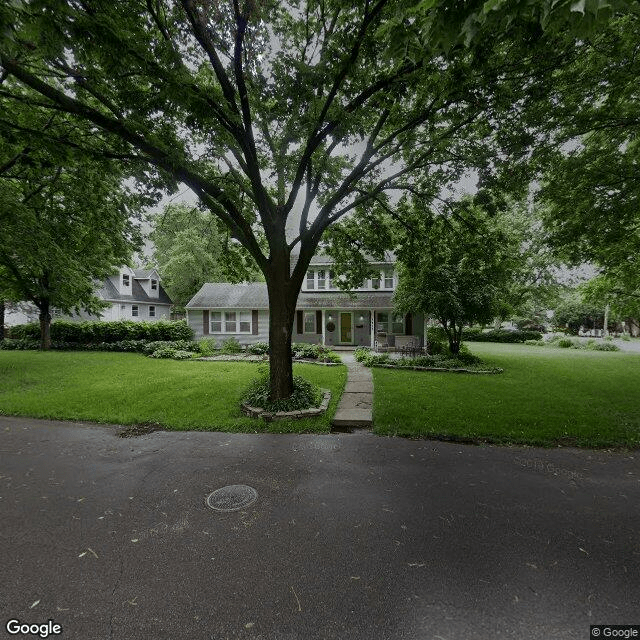
 Board and Care Home
 Minneapolis-St Paul International (12 miles away)
 Fully furnished apartments with comprehensive care and transport support.

 A Comprehensive Exploration of Common Misunderstandings about Powers of Attorney
 Senior Move Management: Understanding the Role, Value, and Associated Costs
 Weight Training for Seniors: Building Strength and Vitality