
7160 Cahill Road Apt 134, Edina, MN 55439
For more information about senior living options: (866) 208-4318
Overall Review of Isaiah Residential Care Services
Pros
 They care about their employees and the people who use and live within their facilities, making it a top-notch organization.
- They are dedicated to serving older adults.
- The Cassia location was loved for its staff, residents, and leadership team.
- The facility is very well maintained across nursing, assisted living, and adult day care, with rehab for short-term stays.
- The people are absolutely wonderful.
Cons
 Corporate Cassia ruined everything for this community.
- Corporate only sees the bottom line and no longer follows their mission, vision, or values.
- The HR and management are liars.
- They failed to pay for promised prep time and supply expenses.
- They have exceptionally poor management and do not respond to staff requests or communications.
- Do not work here; do not send your family to this place.
Review
Isaiah Residential Care Services in Edina is best suited for families who want a broadly capable campus where care spans independent living through memory care and short-term rehab, delivered in a maintained, workplace-attuned environment. The community’s strongest appeal lies in a perceived culture of genuine concern for residents and staff, and a facility that appears well-kept and orderly. For families that want a one-stop setting with multiple care options on one campus, Isaiah offers a coherent path without frequent transitions. The tone in the best-case narrative is one of dependable daily routines, consistent staffing presence, and a commitment to residents that shows up in how the building feels and how staff interact with people.
That said, a substantial segment should consider alternatives, especially if governance and financial clarity are deciding factors. Several reviews point to tensions between local community leadership and broader corporate directives, with residents and families sensing a drift away from a resident-first mission toward corporate bottom-lines. Promises about prep time, supply reimbursements, and expense approvals have reportedly been miscommunicated or reversed, creating real frustration for staff and families alike. If reliability in financial practices, timely payments, and transparent, resident-centered decision making are non-negotiable, exploring other options or demanding explicit, written commitments before committing is prudent.
The main pros here, an attentive staff, a well-maintained physical plant, and a broad service mix, do carry substantial weight. Residents benefit from the continuity of having multiple levels of care in one place, which reduces the disruption of moving as care needs change. A well-regarded maintenance standard and a culture that some describe as genuinely caring translate into everyday comfort and predictability. These strengths do offset some risk, because a clean, well-run environment coupled with accessible services can deliver meaningful quality of life improvements for many residents, particularly when direct care staff are consistent and responsive.
However, the same set of reviews flags critical cons that can erode the value proposition if left unaddressed. The most consequential issues center on administration and corporate oversight: inconsistent policies, delayed or disputed reimbursements for staff-supplied materials, and a sense that day-to-day decisions are filtered through layers of non-local control. When staff feel unsupported or slowed by approvals, communication breaks down with families and residents, and the resident experience can suffer. The risk is not merely administrative; it translates into tangible patterns, missed communications, stalled activities, and a perception that residents’ needs are subordinated to process. For families, these are meaningful red flags that can overwhelm otherwise solid care.
To navigate decisions confidently, prospective families should press for specifics during tours and conversations. Ask for current staff-to-resident ratios across day and evening shifts, turnover rates, and examples of how expense reimbursements are processed and approved. Demand transparent discussion of prep-time policies and any changes that may affect responsibilities for activities staff or caregivers. Request written service plans, pricing disclosures, and escalation paths for disputes. Speak directly with front-line staff and a few residents to gauge consistency of care, responsiveness, and the quality of activity programming. A community that readily provides honest answers, solid documentation, and direct contact with local leadership is the community that can best translate its strengths into reliable daily living.
In the end, Isaiah offers a compelling platform for families seeking comprehensive care on one campus, especially when the emphasis is on compassionate daily life, consistent upkeep, and a full spectrum of services. The decisive caveat is governance transparency: if corporate-driven strategy undermines clear, timely, and fair treatment of staff and residents, the advantages erode quickly. For families able to verify and secure concrete commitments around pay practices, approvals, and responsive communication, Isaiah can be a dependable choice. For those who cannot tolerate ambiguity or delays in basic administrative promises, exploring alternatives with tighter local control and clearer financial practices is a prudent, even necessary, step.
 21 resident community capacity
 Assisted Living
 Beauty salon
 Cable or satellite TV
 Dining room
 Fully furnished
 Garden
 Housekeeping services
 Kitchenette
 Move-in coordination
 Outdoor space
 Telephone
 Wi-Fi/high-speed internet available
 Minneapolis-St Paul International (7 miles away)
 24-hour call system
 Activities of daily living assistance
 Assistance with bathing
 Assistance with dressing
 Assistance with transfers
 Diabetes diet
 Meal preparation and service
 Medication management
 Mental wellness program
 Special dietary restrictions
 Transportation arrangement (medical)
 Transportation to doctors appointments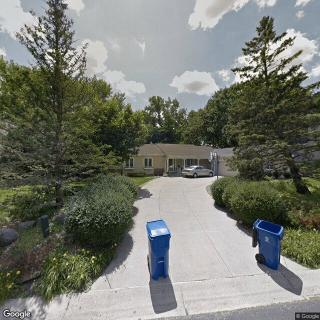






 Assisted Living Support for Veterans: A Complete and Detailed Overview
 Exploring the Contrasts Between Assisted Living and Skilled Nursing
 8 Key Indicators That Suggest It May Be Time to Transition from Assisted Living to Skilled Nursing Care