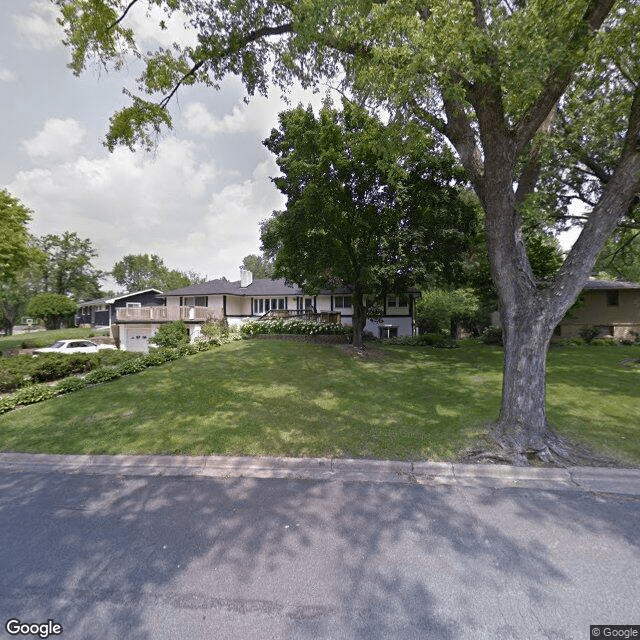
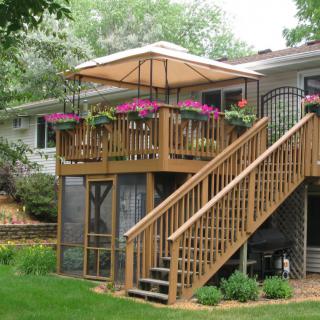
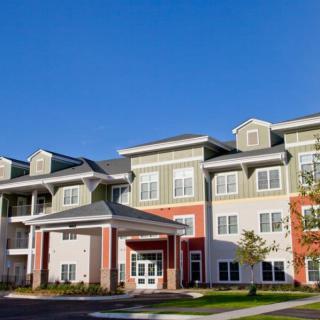
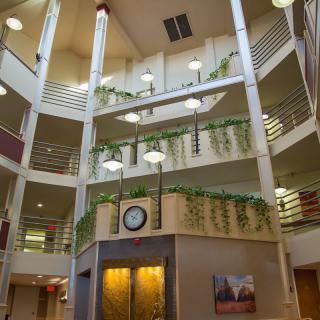
Evensong Manor in Brooklyn Park, MN

Save
Evensong Manor

Evensong Manor in Brooklyn Park, MN

Information last verified:

6264 Yukon Avenue North, Brooklyn Park, MN 55428

For more information about senior living options: (844) 490-3973

3.6 from 33 reviews
5 stars
18
4 stars
4
3 stars
0
2 stars
1
1 stars
10

Seniors.FYI Elite Community Awards

Top 5% Senior Living Community in 2021

Add this award to your website

Evensong Manor Costs & Pricing

Evensong Manor offers a range of living options that reflect its commitment to providing exceptional care while also aligning with the broader market trends in Hennepin County and Minnesota. The monthly costs for private rooms at Evensong Manor range from $5,100 to $7,498, positioning them slightly below the county average of $5,580 but higher than the state average of $5,090. For semi-private accommodations, Evensong Manor's rate of $6,249 surpasses both county and state benchmarks, which are significantly lower at $4,356 and $4,051 respectively. Additionally, their studio apartments command a premium price of $8,123 - again reflecting the quality and services offered - while still being markedly higher than county and state averages of $3,713 and $3,617. Overall, Evensong Manor's pricing structure illustrates its superior offerings in a competitive landscape focused on delivering top-tier assisted living experiences.

Floor plansEvensong ManorHennepin CountyMinnesota
Private$5,100 to $7,498$5,580$5,090
Semi-Private$6,249$4,356$4,051
Studio$8,123$3,713$3,617

Overall Review of Evensong Manor

Pros

  • pro The Waterford is a lovely 55+ independent living community.
  • pro It has beautiful updates that enhance the overall feel of the community.
  • pro It is a calm, friendly environment with a strong sense of care and connection among residents and staff.
  • pro Interactions with the staff are tremendous, with particular praise for Regina Jones.
  • pro The staff are able to look past challenging behavior and assist residents when needed.
  • pro Waterford is highly recommended for assisted living.
  • pro Waterford checks all the boxes for families seeking the right place.
  • pro The moving-in process is smooth, and staff are nice and helpful.
  • pro Maintenance responds promptly to fix issues.
  • pro The nurses are amazing and careful with medications.
  • pro Response times are quick, often within five minutes of a call button.
  • pro The Waterford goes above and beyond to provide great care and maintain a wonderful home.

Cons

  • pro Waterford is described by reviewers as a terrible company with chronic maintenance delays and unresponsiveness from management.
  • pro Reviewers say the staff are understaffed and lazy, leading to inadequate resident care and even theft of a resident’s belongings.
  • pro Some claim neglect caused serious harm to a loved one, including death.
  • pro There are reports of safety and sanitation failures, such as no overnight staff in the dementia ward and a bathroom left unclean for hours.
  • pro Administrative issues include an office that is never staffed and repairs or refunds that never happen.
  • pro The environment is not welcoming, and some would not recommend Waterford for a loved one.

Review

This Brooklyn Park community is best suited for families that prize a warm, socially rich environment backed by attentive nursing oversight and a clear sense of everyday support. The strongest fit appears to be seniors who place a premium on connection, engaging programming, and a pleasant campus atmosphere, where staff are described as friendly, responsive, and genuinely involved in residents’ daily lives. For families seeking reassurance that help is readily available, that meals and activities are thoughtfully handled, and that a caregiving culture actively reduces isolation, this setting can feel like a strong match. However, this is not a one-size-fits-all recommendation; for those whose priority is flawless operations with zero risk of service gaps, alternatives with stronger, consistently executed processes should be explored.

From the favorable side, the positives paint a compelling picture. The community is described as beautiful, calm, and well-maintained, with updates that refresh the independent-living feel and a property that residents and visitors find inviting. Interaction with staff is repeatedly highlighted as a strength, including nurses who manage medications carefully and caregivers who respond quickly to call buttons. Families report peace of mind from reliable staff presence, often noting that help arrives within minutes when a call button is pressed. The dining program and weekly or regular activities receive praise, and the facility’s memory-care initiatives are cited as meaningful connections for residents. The overall atmosphere, welcoming front-desk engagement, cheerful daily interactions, and visible pride from the care team, contributes to a sense of home and belonging that many families prioritize.

Yet the narrative is not without sharp cautions. Several reviews describe serious drawbacks that cannot be dismissed. There are consistent concerns about staffing adequacy, especially in dementia and memory-care areas, where reports of overnight gaps and delayed medication administration surface. Maintenance responsiveness is uneven, with instances where repairs and housekeeping needs stretch far beyond reasonable timelines. Some families recount troubling behavioral safety issues and even allegations of neglect, theft, or unsafe conditions, which understandably shake confidence in long-term residency. Billing and administrative follow-through are also flagged as problem areas in certain accounts, weakening the sense of organizational reliability that families rely on when entrusting loved ones to care.

These contrasts force a clear calculus: the strongest pros, resident-centered care, responsive nursing, and a lively program slate, do offset substantial concerns only when care needs stay within the realm of manageable daily support and when staffing remains consistently sufficient. For residents who thrive on social engagement, who require regular assistance but not constant, high-intensity supervision, the positives can translate into tangible quality-of-life gains. The reported quick response times to call buttons and the emphasis on comfortable, homelike surroundings offer a meaningful emotional buffer for families seeking steadiness and connection. The potential for strong memory-care partnerships and an active enrichment calendar further increases compatibility for those prioritizing cognitive engagement and routine.

However, the cons must be weighed with equal weight for families facing higher care demands or stringent safety expectations. Understaffing, particularly in memory-care settings, raises legitimate concerns about supervision consistency, timely medication delivery, and safety during night hours. When maintenance issues linger, residents experience tangible disruptions that undermine daily stability and can erode trust over time. Reports of miscommunications with administration or billing irregularities also matter, especially for families managing budgets and expectations around ongoing care. In short, this environment can deliver warmth and responsiveness in many situations, but it is not immune to operational fragility that can shift the experience from comforting to precarious if care needs intensify.

Alternatives become worth serious consideration for families prioritizing maximum consistency, predictable staffing, and verifiable safety records. Communities with demonstrably lower staff turnover, more robust dementia training, and tighter maintenance SLAs may offer greater peace of mind for residents with advanced memory needs or for families requiring unwavering reliability. Prospective residents should consider facilities that provide transparent staffing ratios, routine care-plan reviews, and documented response-time metrics. References from current families, recent inspection outcomes, and a clear path for escalating concerns are essential data points to gather before making a commitment. The goal is to ensure that the chosen community can sustain the level of care, safety, and engagement envisioned for a loved one’s next chapter.

In the end, the decision hinges on alignment between expectations and operational reality. The community in question offers a compelling blend of warmth, activity, and visible care culture that can translate into meaningful daily life improvements for many residents and their families. But when care intensity, safety guarantees, and administrative reliability are non-negotiable, it becomes essential to probe deeply, tour, meet the care team, review floor plans for memory-care needs, and request recent metrics on staffing and maintenance performance. If those conversations reveal durable staffing stability, transparent processes, and proven incident-free care, this could be an excellent fit. If, instead, concerns about staffing gaps, maintenance delays, or inconsistent follow-through persist, exploring alternatives with stronger track records becomes a prudent step. The right choice will hinge on a frank appraisal of risk tolerance, care requirements, and the capacity of operations to reliably support daily living and long-term security.

Features

Housing

  • 21 resident community capacity 21 resident community capacity

Types of Care

  • Assisted Living Assisted LivingAssisted living facilities provide crucial support and care for seniors who may need help with daily tasks such as medication management, bathing, and meal preparation. These communities offer a safe and comfortable environment where seniors can maintain their independence while receiving the assistance they need to thrive in their golden years.
  • Board and Care Home Board and Care HomeBoard and care homes provide a smaller, more intimate setting for seniors who require assistance with daily tasks but do not need the level of care offered by a nursing home. They offer personalized care, meals, and social activities in a homelike environment, ensuring that seniors receive individualized attention and support in their golden years.

Amenities

  • Beauty salon Beauty salonBeauty salons are important for seniors because they provide a space for them to feel pampered, socialize, and maintain their personal grooming and hygiene. Regular visits to a beauty salon can help boost seniors' self-esteem and overall well-being.
  • Cable or satellite TV Cable or satellite TVCable or satellite TV is important for seniors because it provides entertainment, news, and companionship, helping to combat loneliness and boredom. It also offers a wide range of programming options tailored to different interests and preferences.
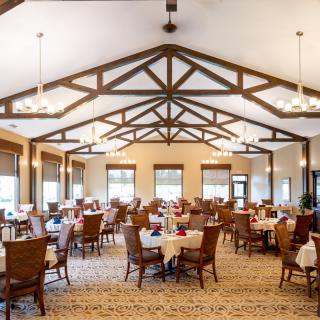
  • Dining room Dining roomDining rooms are important for seniors as they provide a space for socialization, connection, and nutritious meals. They offer opportunities for residents to bond over shared meals, foster a sense of community, and promote healthy eating habits. Dining rooms also ensure that seniors have access to well-balanced meals tailored to their dietary needs and preferences.
  • Fully furnished Fully furnishedFully furnished senior living communities are important for seniors because they provide convenience, comfort, and a hassle-free moving experience. Seniors can easily settle into their new living space without the stress of having to buy and move furniture. This allows them to focus on enjoying their new home and community.
  • Garden GardenGardens are important for seniors as they provide a peaceful and therapeutic environment for relaxation, physical activity, and socialization. Being in nature has been shown to reduce stress, improve mood, and promote overall well-being. Gardens also offer opportunities for seniors to engage in gardening activities, which can improve mobility, flexibility, and cognitive function. Additionally, gardens create a sense of community and connection with others who share a passion for plants and outdoor spaces.
  • Housekeeping services Housekeeping servicesHousekeeping services are important for seniors because they help maintain a clean and safe living environment, promote independence, and reduce the risk of accidents or illnesses. Additionally, having assistance with household chores can alleviate physical strain and allow seniors to focus on other aspects of their well-being.
  • Kitchenette KitchenetteKitchenettes are important for seniors living in senior living communities because they provide the convenience and independence of being able to prepare simple meals and snacks in the comfort of their own living space. This can help promote a sense of autonomy and well-being for seniors, allowing them to maintain some level of control over their dietary choices and daily routines.
  • Move-in coordination Move-in coordinationMove-in coordination is important for seniors because it helps ease the transition into their new living environment. It ensures that all logistics, such as packing, organizing movers, and setting up utilities are taken care of, allowing seniors to focus on settling in and adjusting to their new home. Having a smooth move-in process can alleviate stress and anxiety, making the transition smoother and more enjoyable for seniors.
  • Outdoor space Outdoor spaceOutdoor spaces are important for seniors as they provide opportunities for physical activity, social interaction, exposure to natural light and fresh air, and a sense of connection to nature. Having access to outdoor spaces can improve overall well-being and quality of life for older adults living in senior communities.
  • Private PrivatePrivacy is important for seniors as it allows them to maintain their independence, dignity, and sense of control over their own lives. It also gives them the space and freedom to relax, reflect, and engage in activities that bring them joy and fulfillment. Creating private spaces within senior living facilities is crucial for promoting overall well-being and quality of life.
  • Telephone TelephoneTelephones are important for seniors as they provide a lifeline for communication with loved ones, emergency services, and healthcare providers. They offer a sense of security and independence, enabling seniors to stay connected and access assistance when needed.
  • Wi-Fi/high-speed internet available Wi-Fi/high-speed internet availableWi-Fi/high-speed internet is important for seniors to stay connected with loved ones, access online resources, and participate in virtual activities to combat feelings of loneliness and isolation. It also allows them to easily manage healthcare needs, access entertainment, and engage in lifelong learning opportunities.

Transportation

  • Minneapolis-St Paul International (15 miles away) Minneapolis-St Paul International (15 miles away)

Care Services

  • 24-hour call system 24-hour call system24-hour call systems are important for seniors because they provide peace of mind and immediate assistance in case of emergencies. This technology ensures that help is always available, promoting safety and security for elderly individuals living alone or in assisted living facilities.
  • 24-hour supervision 24-hour supervision24-hour supervision is important for seniors to ensure their safety, well-being, and access to immediate assistance in case of emergencies or health issues. This constant support provides peace of mind for both seniors and their loved ones, allowing them to age in place with dignity and security.
  • Activities of daily living assistance Activities of daily living assistanceActivities of daily living assistance are important for seniors because they provide essential support with tasks such as eating, bathing, dressing, and mobility. This assistance helps seniors maintain their independence, dignity, and overall quality of life as they age.
  • Assistance with bathing Assistance with bathingAssistance with bathing is crucial for seniors as it helps maintain personal hygiene, prevents infections, and ensures their overall well-being and comfort. It also provides a sense of dignity and independence for seniors who may struggle with this task on their own.
  • Assistance with dressing Assistance with dressingAssistance with dressing is important for seniors because it helps maintain their independence, promotes personal hygiene, prevents accidents and injuries, and improves overall quality of life. This service ensures that seniors can continue to dress comfortably and confidently, despite any physical limitations they may have.
  • Assistance with transfers Assistance with transfersAssistance with transfers is crucial for seniors as it helps prevent falls and injuries, maintains their independence, and ensures they can safely navigate their living environment. It also provides peace of mind for both seniors and their loved ones.
  • Coordination with health care providers Coordination with health care providersCoordination with health care providers is crucial for seniors to ensure proper medical care, medication management, and overall well-being. This collaboration helps prevent overlapping treatments, track progress more effectively, and provide comprehensive support tailored to individual needs.
  • Diabetes diet Diabetes dietA diabetes diet is crucial for seniors as it helps manage blood sugar levels, reduce risks of complications, and improve overall health and well-being. By following a balanced and nutritious diet tailored to their specific needs, seniors can better control their diabetes and enhance their quality of life.
  • Diabetic care Diabetic careDiabetic care is crucial for seniors as they are more susceptible to developing diabetes due to aging and other health conditions. Proper management of diabetes can help prevent complications such as heart disease, vision loss, and nerve damage, improving the overall quality of life for seniors in senior living communities.
  • Meal preparation and service Meal preparation and serviceMeal preparation and service are crucial for seniors as they may have limited mobility or energy to cook nutritious meals. Having access to healthy and convenient food options can ensure they are getting the proper nutrition needed to maintain their overall health and well-being.
  • Medication management Medication managementMedication management is crucial for seniors to ensure they are taking the right medications at the correct dosages and times. This helps prevent adverse drug interactions, reduces the risk of medication errors, and promotes overall health and well-being. Proactive management also allows for adjustments as needed based on changing health conditions or new prescriptions.
  • Mental wellness program Mental wellness programMental wellness programs are essential for seniors as they promote cognitive stimulation, emotional support, and social engagement. These programs help prevent isolation, depression, and cognitive decline, ultimately enhancing the overall quality of life for older adults.
  • Special dietary restrictions Special dietary restrictionsSpecial dietary restrictions are important for seniors because age-related changes in metabolism and health conditions can make it difficult for their bodies to process certain foods. By following a diet tailored to their specific needs, seniors can maintain their overall health and well-being, manage chronic conditions, and reduce the risk of complications such as malnutrition or food interactions with medications.
  • Transportation arrangement (medical) Transportation arrangement (medical)Transportation arrangements for medical purposes are essential for seniors as they may have difficulty driving themselves to appointments or accessing public transportation. Having reliable and safe transportation options ensures that seniors can receive timely medical care and maintain their health and well-being.
  • Transportation to doctors appointments Transportation to doctors appointmentsTransportation to doctors' appointments is crucial for seniors as it ensures they have access to necessary medical care and support for their health needs. Without reliable transportation, seniors may struggle to attend important appointments, leading to potential delays in treatment and health complications. Providing transportation services helps seniors maintain their overall well-being and quality of life.
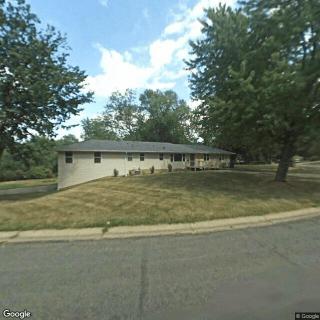
Dining

  • Diabetes diet Diabetes dietA diabetes diet is crucial for seniors as it helps manage blood sugar levels, reduce risks of complications, and improve overall health and well-being. By following a balanced and nutritious diet tailored to their specific needs, seniors can better control their diabetes and enhance their quality of life.
  • Special dietary restrictions Special dietary restrictionsSpecial dietary restrictions are important for seniors because age-related changes in metabolism and health conditions can make it difficult for their bodies to process certain foods. By following a diet tailored to their specific needs, seniors can maintain their overall health and well-being, manage chronic conditions, and reduce the risk of complications such as malnutrition or food interactions with medications.

Activities

  • Community-sponsored activities Community-sponsored activitiesCommunity-sponsored activities are important for seniors as they provide opportunities for social interaction, mental stimulation, and physical activity. These activities can help improve overall well-being, combat loneliness and isolation, and promote a sense of belonging and purpose among older adults.
  • Resident-run activities Resident-run activitiesResident-run activities are important for seniors as they encourage social interaction, creativity, and a sense of autonomy. These activities empower seniors to stay engaged and active in their community while fostering meaningful connections with their peers.
  • Scheduled daily activities Scheduled daily activitiesScheduled daily activities are important for seniors because they provide structure, socialization, mental stimulation, and physical activity. Engaging in regular activities can improve overall well-being and quality of life for seniors living in a community setting.

Description

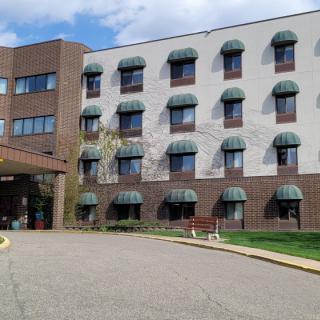
Evensong Manor is a cozy and comfortable board and care home located in Brooklyn Park, MN. We offer personalized care services for individuals who require assistance with their daily living activities. Our dedicated team provides 24-hour supervision, assistance with bathing, dressing, and transfers, as well as medication management.

At Evensong Manor, we strive to create a warm and welcoming environment for our residents. Our fully furnished accommodations are equipped with amenities such as cable or satellite TV, Wi-Fi/high-speed internet, a telephone, and a kitchenette. Housekeeping services ensure that the living spaces are clean and tidy at all times.

We understand the importance of maintaining mental wellness, which is why we offer a specialized mental wellness program to support our residents' emotional wellbeing. Additionally, our staff works closely with healthcare providers to coordinate any necessary medical appointments or treatments.

Meals at Evensong Manor are prepared and served with attention to special dietary restrictions. Our dining room provides a comfortable setting for residents to enjoy their meals alongside fellow residents.

Residents can also take advantage of our outdoor space and garden area to relax and spend time outdoors. For those looking for activities within the community, we offer resident-run activities as well as scheduled daily activities to keep everyone engaged and entertained.

Evensong Manor benefits from its convenient location near various amenities in the neighborhood. There are two cafes nearby for socializing or grabbing a quick bite, three parks to enjoy nature walks or picnics, 15 pharmacies for easy access to medications, five physicians' offices for medical care needs, 16 restaurants for dining out or trying new cuisines, and one place of worship nearby for spiritual nourishment.

If you're looking for a homely assisted living community that offers personalized care services in Brooklyn Park, MN, Evensong Manor is here to provide you or your loved one with a safe and comfortable place to call home. Come visit us today!

Nearby Places of Interest

Located in Brooklyn Park, Minnesota, this neighborhood offers a convenient and diverse range of amenities for seniors looking to settle down. With multiple pharmacies within close proximity, accessing necessary medications is made easy. A variety of restaurants provide options for dining out or grabbing a quick bite to eat, while nearby physicians and healthcare facilities ensure access to quality medical care. For leisure activities, several parks offer opportunities for outdoor recreation and relaxation. Additionally, cafes and places of worship are within a reasonable distance for socializing and spiritual fulfillment. Overall, this part of Brooklyn Park provides a well-rounded environment for seniors seeking a comfortable and convenient living experience.

Pharmacies

  • CVS Pharmacy (1 miles)
  • HyVee Pharmacy (2.3 miles)
  • Walgreens (2.3 miles)
  • Walgreens (2.4 miles)
  • Walgreens (2.8 miles)
  • CVS Pharmacy (3.1 miles)
  • Walgreens (3.5 miles)

Restaurants

  • Wendy's (1.2 miles)
  • McDonald's (1.8 miles)
  • Big Louie's Bar & Grill (1.9 miles)
  • White Castle (2.4 miles)
  • Pub 42 (2.4 miles)
  • Culver's (2.6 miles)
  • Portillo's Hot Dogs (3 miles)

Physicians

  • Northwest Family Physicians PA (1.5 miles)
  • Partners In Pediatrics (2.7 miles)
  • Northstar Pain Care Clinic (3 miles)
  • Eyeklinic of Edinburgh (4.8 miles)
  • Suburban Radiologists (5 miles)
  • Minnesota Gastroenterology PA (5.5 miles)
  • Fairview Maple Grove Medical Center (6.1 miles)

Parks

  • Twin Lake Beach Park (3 miles)
  • French Regional Park (4 miles)
  • Pinebrook Park (5 miles)
  • Plymouth Dog Park (5.4 miles)
  • Parkers Lake Park (6.6 miles)
  • Corcoran Lions Park (6.8 miles)
  • Churchill Farms Residents' Park (7.5 miles)

Cafes

  • Caribou Coffee (3.2 miles)
  • Starbucks (3.8 miles)
  • Caribou Coffee (7.1 miles)

Places of Worship

  • Elim Church Center (3.8 miles)
  • Fridley United Methodist Church (6.6 miles)

Hospitals

  • Plymouth Surgery Center (5.5 miles)
  • Regency Hospital (5.8 miles)
  • Unity Hospital (6.9 miles)

Frequently Asked Questions

How much does it cost to live at Evensong Manor in Brooklyn Park, MN?
Where is Evensong Manor?

Nearby Communities

  • New Millennium Health Care

    New Millennium Health Care

    Brooklyn Park, MN


  • Souriyathy Housing With Services II

    Souriyathy Housing With Services II

    Brooklyn Park, MN


    pro Comprehensive care with 24/7 supervision, ADL support, medication management, meals, housekeeping, and transportation.

  • The Appointed Home

    The Appointed Home

    New Hope, MN


    pro Specialized memory care with 24/7 supervision and tailored activities.

  • Hayden's House

    Hayden's House

    New Hope, MN

    4.8 from 43 reviews
    $3,600 to $6,200 / month

    pro Premium amenities and comprehensive assisted living care.

  • Uplifted Care Services 2

    Uplifted Care Services 2

    Brooklyn Park, MN

    5 from 2 reviews
     

    pro 24/7 supervision with full ADL support and transportation.

  • Dis-Generation Group

    Dis-Generation Group

    Brooklyn Park, MN


    pro 24-hour supervision with ADL support and diabetes-friendly dining in a fully furnished setting.

  • The Residence at North Ridge

    The Residence at North Ridge

    New Hope, MN

    4 from 81 reviews
    $1,700 to $2,200 / month

    pro Caring staff and a strong resident community; clean, welcoming environment.

  • Silvercreek On Main

    Silvercreek On Main

    Maple Grove, MN

    4.5 from 112 reviews
     

    pro Friendly staff, a welcoming environment, and a wide range of on-site amenities supporting an active lifestyle.

  • Copperfield Hill

    Copperfield Hill

    Robbinsdale, MN

    4 from 130 reviews
    $1,595 to $2,950 / month

    pro Welcoming community with a broad range of activities and flexible care options.

Related Resources

  • active senior livingVibrant Senior Living: A Comprehensive Guide for Active Older Adults

    Vibrant Senior Living emphasizes active senior living communities that promote independence and engagement through diverse amenities and activities, fostering wellness and social interaction among older adults. These communities range from independent to assisted living, with a focus on personal growth, family involvement, financial planning, and leveraging technology to enhance residents' experiences.

  • when to move from assisted living to memory careWhen to Transition from Assisted Living to Memory Care: Key Indicators, Steps, and Finding the Right Community

    Transitioning from assisted living to memory care is driven by an individual's cognitive decline and specific needs, requiring careful evaluation of indicators like increased confusion and wandering. The process involves consulting medical professionals, researching suitable communities, considering financial and legal aspects, and ensuring effective communication for personalized care plans.

  • assisted living vs memory careAssisted Living and Memory Care: Understanding Their Core Differences

    Assisted living provides moderate support for seniors seeking independence, while memory care offers specialized support for individuals with dementia or cognitive impairments through structured routines and trained staff. Key differences include care approaches, environment security measures, staff training levels, activity types, and cost considerations.