
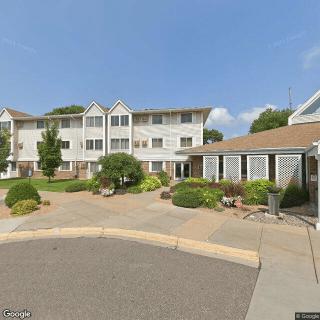
4024 Idaho Avenue, Crystal, MN 55427
For more information about senior living options: (866) 208-4318
Overall Review of Esteem Home Health Services
Cons
 The reviewer describes the service as the worst they have ever experienced.
- The reviewer would give less than one star if that were possible.
Review
Esteem Home Health Services in Crystal, MN is best suited for families that need in-home support on a modest budget and are prepared to actively supervise caregivers. The service is not presented as a flawlessly run operation, nor as a source for highly specialized medical care, but for households willing to take a hands-on role in coordinating visits, screening staff, and pushing for timely communication. In such arrangements, the agency can deliver functional help, and there is at least some evidence that when expectations align, a positive experience is possible.
Those requiring consistent reliability, steady scheduling, and clear clinical oversight should consider alternatives. If care needs are complex, involve skilled nursing, wound care, IV therapy, or round-the-clock attention, a provider with proven, robust accountability and a stronger track record is a safer bet. Families managing difficult medical conditions or needing seamless team coordination will likely find Esteem’s variability to be a serious drawback. In short, this option is not the default choice for high-stakes medical in-home care.
The most salient pros appear to be low-cost access to in-home assistance and the potential for favorable experiences when staff align with expectations. A positive reviewer’s experience indicates there is room for competent, caring interaction and reasonable value, suggesting that Esteem can meet basic daily-support needs in the right circumstances. However, these pros are fragile assets in light of the competing reviews and the overall rating, which signal that the conditions under which those positives emerge are not consistent or reliably sustained.
The main drawbacks are pronounced and systemic enough to influence decisions. A near-inevitable takeaway from the negative feedback is that service delivery can be erratic, with serious concerns about responsiveness, quality of care, and overall reliability. When caregivers are inconsistent, families must double down on supervision, scheduling, and problem resolution. Ambiguity around service area or whether the agency can promptly cover urgent requests also raises questions about coverage and contingency planning. In short, the risk profile is non-trivial for households that cannot absorb gaps in care.
To navigate those risks, approach this option with a concrete plan. Require a dedicated care manager and a stable assignment of caregivers with documented credentials and clear scope of practice. Insist on a written care plan and a defined escalation path for delays or problems, plus weekly updates or daily notes during a trial period. Verify licensure, background checks, and ongoing supervision by a qualified clinician. Ask for references from families with similar needs and confirm real-world responsiveness by requesting a trial schedule before committing long-term. Create a simple performance metric: punctuality, consistency of caregiver, and timely communication, with a clear stop-work point if expectations are not met.
Ultimately, Esteem Home Health Services is not a universal answer for every in-home care scenario. It can work for families able to supervise care closely, tolerate potential inconsistencies, and manage the administrative load that comes with a lower-cost option. For households that prioritize dependable, predictable service, clear clinical oversight, and minimal family intervention, alternatives are worth pursuing. If choosing Esteem, enter with eyes wide open: secure a tight, written care plan, insist on a stable caregiver lineup, and commit to active, ongoing oversight to ensure that the positives do not get lost in a pattern of service gaps.
 5 resident community capacity
 Assisted Living
 Cable or satellite TV
 Dining room
 Fully furnished
 Garden
 Housekeeping services
 Move-in coordination
 Outdoor space
 Telephone
 Wi-Fi/high-speed internet available
 Minneapolis-St Paul International (13 miles away)
 24-hour supervision
 Activities of daily living assistance
 Assistance with bathing
 Assistance with dressing
 Assistance with transfers
 Diabetes diet
 Meal preparation and service
 Medication management
 Special dietary restrictions
 Transportation arrangement (medical)
 Transportation to doctors appointments
 Excellent access to healthcare, dining, parks, and amenities.



 Medicare Coverage for Assisted Living: An In-Depth Exploration
 Choosing the Right Senior Care: A Detailed Exploration of Assisted Living and Nursing Homes
 Understanding the True Cost of Assisted Living in 2025: A Comprehensive Guide