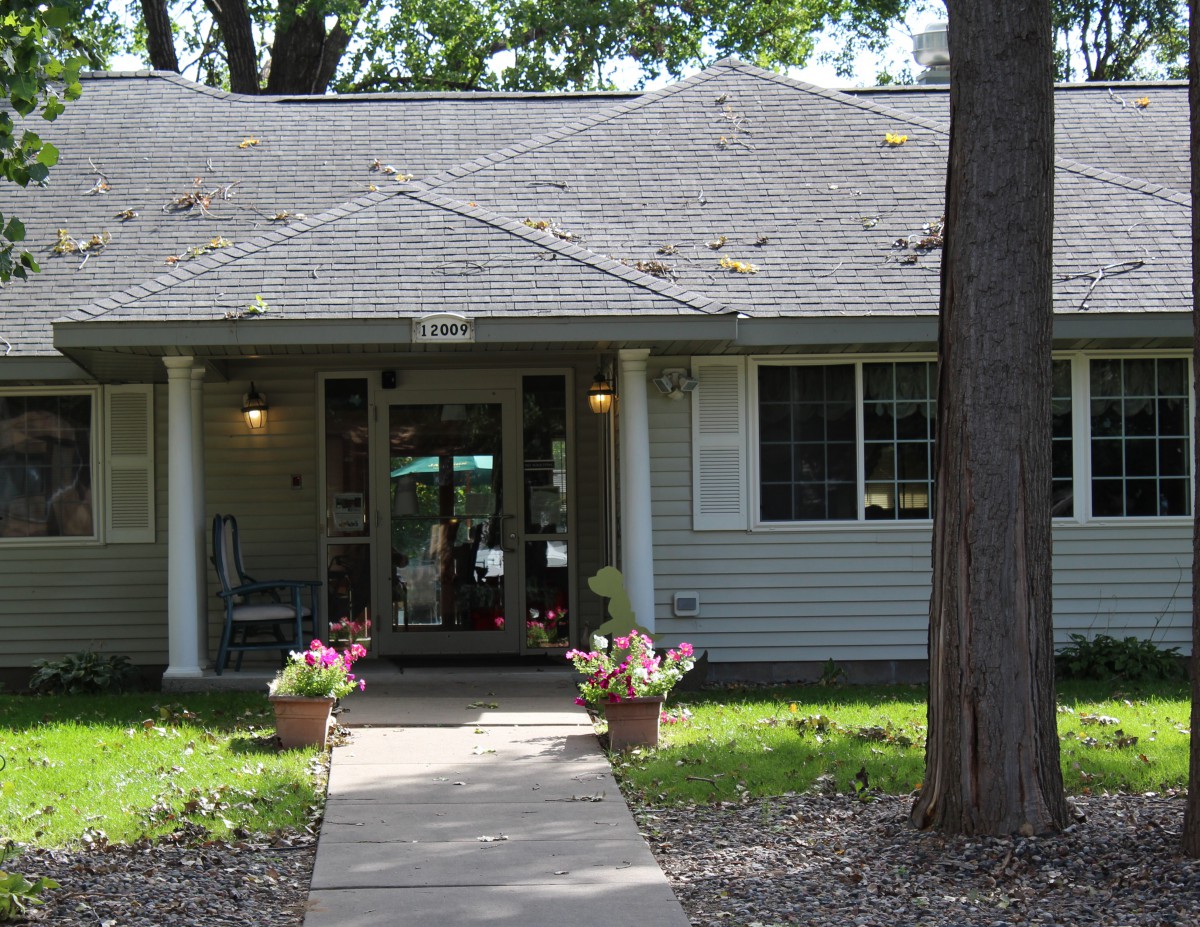
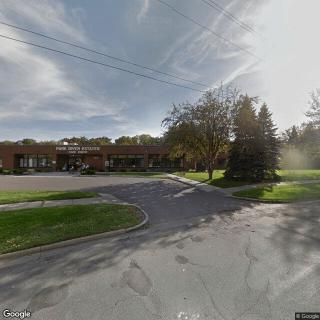
12009 Eagle Street, Coon Rapids, MN 55448
For more information about senior living options: (866) 208-4318
Overall Review of Eagle Street Assisted Living
Pros
 The staff are wonderful and attentive, making residents feel at home.
- They helped her move there quickly through the Mary T system.
- The facility feels like a home atmosphere, with a small group of residents and private bedrooms.
- Meals are prepared for residents, and they dine together in the dining room; the food is good.
- There are engaging activities, including ceramics classes and regular exercise sessions.
- The staff consistently talk to residents, help them, and take good care of them.
Cons
 She has only a small bedroom.
- The reviewer believed that large facilities with long hallways would confuse her.
- There was an incident where she locked herself in her room and the key could not be found.
- The maintenance worker did not give the owner the key the day before, contributing to the problem and her fall.
- They had to call the fire department and break the door down to reach her.
- She experienced diarrhea and it was thought the foods she hoarded made her sick.
Review
Eagle Street Assisted Living in Coon Rapids is best suited for seniors who want a small, home-like setting where staff relationships feel personal and meals come prepared for them every day. The community’s footprint is intimate, 12 residents in a house-style environment, so residents who thrive on predictability, routine, and easy access to caregivers will benefit most. Families already connected to the Mary T system will especially appreciate the smoother admission process and continuity of care, as Eagle Street is part of that network. For someone who prizes social engagement without the bustle of a large campus, this is a compelling fit.
That said, Eagle Street is not the right choice for every situation. Families with loved ones needing extensive, around-the-clock skilled nursing or rapid access to medical specialists may want larger facilities with bigger staffs and more on-site resources. Those who value substantial privacy, with private apartments and kitchenettes, may feel hemmed in by the all-included meals-and-community model and the small bedroom footprint. A concrete safety concern, the incident where a door key access issue delayed entry and required breaking a door, should prompt discussions about security, emergency protocols, and whether 24/7 oversight aligns with a resident’s fall risk and activity level.
On the upside, the core strengths are tangible and well-aligned with the setting. Staff are described as wonderful, consistently attentive, and proactive in engaging residents. The meals are prepared in-house and arrive with generous portions, and residents regularly eat together in a dining room that reinforces social connection. Activities are meaningful and varied, ceramic classes, exercise sessions three times weekly, and everyday opportunities to participate in shared interests. Those elements collectively offset the modest scale, turning daily life into a cohesive, supported routine rather than a string of isolated moments.
The benefits of the small, home atmosphere largely offset the primary drawbacks, but not perfectly for every resident. The close-knit environment can reduce confusion and anxiety for seniors who prefer fewer corridor-style navigations, and staff turnover or momentary gaps seem less likely to disrupt daily life because caretakers are consistently present in a tight community. Yet the safety misstep around the key protocol reveals a real dependency on staff responsiveness and clear systems; residents must trust that emergencies will be handled promptly. For some, the need to seek help proactively, rather than having help readily available at a glance, will influence satisfaction and perceived security.
From a practical transition perspective, Eagle Street offers clarity and manageability. The facility’s size means easier navigation for visitors and fewer environmental stressors for residents who dislike large campuses. The absence of a kitchenette in residents’ rooms aligns with expectations for all-meals service and centralized dining, a relief for families who want predictable meal quality and portion control. For those weighing memory or mobility concerns, the small scale can be a strength or a limitation, depending on the individual’s need for structured supervision, social interaction, and personalized activities. The Mary T connection is a tangible advantage for continuity and administrative ease during the move.
Bottom line: Eagle Street Assisted Living serves a specific niche exceptionally well, the senior who prioritizes warmth, direct staff contact, and daily communal life over expansive campuses or private apartment configurations. It is a strong recommendation for families seeking a compassionate, manageable setting with reliable meal service and engaging programming in a tight-knit community. Those who require heavy medical attention, large-scale amenities, or private, apartment-style living should consider alternatives with broader medical support and more expansive space. Prospective families should tour with questions about safety protocols, staff-to-resident ratios, room sizes, and how emergencies are handled, ensuring the fit matches the loved one’s care goals and independence preferences.
 12 resident community capacity
 Assisted Living
 Skilled Nursing Facility
 Beautician on-site
 Cable or satellite TV
 Dining room
 Fully furnished
 Garden
 Guest parking
 Housekeeping services
 Laundry
 Move-in coordination
 Outdoor space
 Telephone
 Wi-Fi/high-speed internet available
 Minneapolis-St Paul International (22 miles away)
 24-hour supervision
 Activities of daily living assistance
 Assistance with bathing
 Assistance with dressing
 Assistance with transfers
 Diabetes diet
 Hospice care
 Meal preparation and service
 Medication management
 Special dietary restrictions
 Transportation arrangement (medical)
 Transportation to doctors appointments
 Arts and crafts
 Cooking club
 Games
Games Live musical performances
 Religious services
 Stories





 Securing Financial Support for Assisted Living: A Comprehensive Overview
 Social Security Benefits and Assisted Living: Navigating Options Across the U.S.
 An Extensive Exploration of the VA Aid and Attendance Benefit