
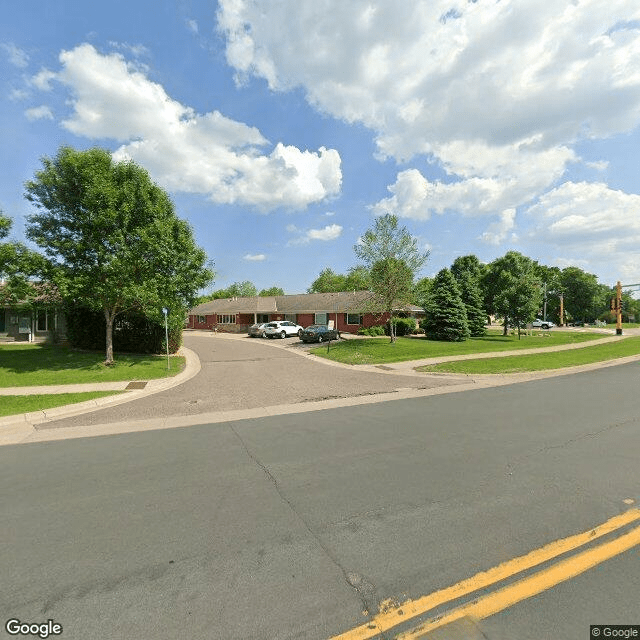
1190 117Th Avenue Nw, Coon Rapids, MN 55448
For more information about senior living options: (866) 208-4318
Creekside Cottage Assisted Living Costs & Pricing
Creekside Cottage Assisted Living offers competitive pricing with its one-bedroom accommodations priced at $1,275 per month. This rate demonstrates a significant value compared to the average costs within Anoka County, which stands at $2,102, and even more so when juxtaposed with the broader state average of $2,893 in Minnesota. Such pricing positions Creekside Cottage as an attractive option for those seeking quality assisted living services without compromising their budget, all while benefiting from the supportive environment that the community fosters.
| Floor plans | Creekside Cottage Assisted Living | Anoka County | Minnesota |
|---|---|---|---|
| 1 Bedroom | $1,275 | $2,102 | $2,893 |
Skilled Nursing Facilities with a similar price nearby
-
from -$41 / mo

Silvercrest Properties 1
$1,234 to $2,559 / month7.8 miles away -
from +$116 / mo
Ackerberg Sholom West
$1,391 to $4,020 / month17.5 miles away -
from -$221 / mo

Maranatha Place Senior Apartments
$1,054 to $3,210 / month7.5 miles away -
from -$175 / mo
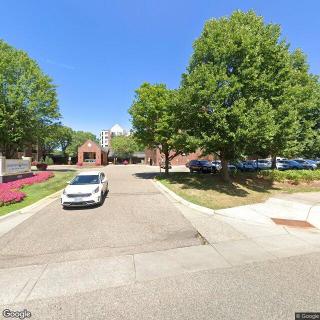
Covenant Village of Golden Valley
$1,100 to $1,560 / month13.0 miles away
Overall Review of Creekside Cottage Assisted Living
Pros
 The staff at Mary T Assisted Living were incredibly friendly and supportive from the very beginning.
- Angie truly went above and beyond, helping with Doreen’s move when transportation was not available.
- The team cared for Doreen with patience, professionalism, and compassion from day one through hospice care.
- Kim showed empathy and compassion, making a world of difference in Doreen’s final days.
- Mary T is described as a truly special place with thoughtful, loving care.
- Creekside Cottage Assisted Living has friendly staff and convenient, accessible showers that residents appreciate.
Cons
 Doreen was not always easy to care for.
- There are times residents do not eat because of the food being served.
- There are no activities at Creekside Cottage.
Review
Creekside Cottage Assisted Living in Coon Rapids is best suited for seniors who prize a warm, approachable staff and a straightforward, low-stress daily routine. This community works well for residents who want reliable help with everyday tasks, easy access to essentials like accessible showers, and a calm, unpretentious living environment. It’s not a flashy option, but it delivers consistency in staffing and a comfortable, predictable rhythm that can reduce caregiver burden for families who prioritize dependable support over a full slate of activities or culinary variety.
Families should clearly consider alternatives if engagement, nutrition, or specialized care are top priorities. For residents who crave a robust activities calendar, chef-prepared meals with variety, or memory-care-focused programming, Creekside may feel limiting. Those needing intensive clinical oversight, frequent medical management, or structured social programming may be better served by communities that emphasize therapy schedules, memory-care environments, or larger activity teams. In short, Creekside is a solid fit for steadier, simpler needs, not for those seeking a bustling social scene or comprehensive clinical services.
On the upside, the standout strength is the staff. Reviews describe team members as friendly, attentive, and genuinely helpful, with communication that keeps families in the loop. That level of approachable, everyday support can make a tangible difference in peace of mind for loved ones and their families, especially when day-to-day routines rely on dependable assistance. The practical care ethos, staff who are willing to step in and help out as needed, creates a sense of security that is hard to match in more impersonal settings.
Yet the most noticeable drawbacks center on programming and nutrition. The same resident notes that there are no activities at all, which translates into limited opportunities for socialization, stimulation, and purposeful engagement. Another frequent concern is food quality or choice, with statements that meals aren’t consistently appealing or satisfying. For seniors who depend on meals as a daily satisfaction or who rely on structured engagement to stay connected and motivated, these gaps can erode quality of life over time and elevate the risk of weight loss or disengagement.
The pros and cons must be weighed against each resident’s trajectory. For a resident who values a quiet, supportive atmosphere and can thrive with minimal programming, Creekside’s warmth and practical help may offset the lack of activities and variable meals. The depth of staff involvement can compensate in the short term for a limited activity calendar, especially for those who require steady supervision and uncomplicated routines. However, for families prioritizing social vitality, meaningful daily activities, and culinary variety, Creekside’s gaps are likely to grow more consequential over weeks and months.
In deciding, focus on a few concrete steps: arrange a viewing and ask to see an activity schedule and sample menu, then verify how meals are planned and served and who plans them. Inquire about staff-to-resident ratios during different shifts, and request a few days of observation to gauge how care and communication actually unfold. Compare Creekside with other local options, particularly those that demonstrate robust programming or specialty care, and use the Mary T Assisted Living example as a benchmark for what highly engaged, compassionate care can look like in practice. The choice should prioritize the resident’s most important needs: warmth and reliability, or engagement and nutrition, and align those needs with the community’s ability to deliver.
 12 resident community capacity
 Assisted Living
 Memory Care
 Skilled Nursing Facility
 Activities on-site
 Beautician on-site
 Cable or satellite TV
 Devotional services off-site
 Dining room
 Fully furnished
 Garden
 Guest parking
 Housekeeping services
 Indoor common areas
 Laundry
 Move-in coordination
 Outdoor space
 Telephone
 Wi-Fi/high-speed internet available
 Minneapolis-St Paul International (21 miles away)
 24-hour supervision
 Ambulatory care
 Assistance with bathing
 Assistance with dressing
 Assistance with transfers
 Diabetes diet
 Diabetic care
 Hospice care
 Meal preparation and service
 Medication management
 Special dietary restrictions
 Transportation arrangement (medical)
 Transportation to doctors appointments
 Arts and crafts
 Cooking club
 Games
Games Live musical performances
 Stories




 Assisted Living and Memory Care: Understanding Their Core Differences
 Choosing the Right Senior Care: A Detailed Exploration of Assisted Living and Nursing Homes
 Safeguarding Your Memory Through the Golden Years: Eight Ways to Preserve Cognitive Health