
11777 Xeon Blvd, Coon Rapids, MN 55448
To contact a resident: (763) 754-2505
For more information about senior living options: (866) 208-4318
DeMar Assisted Living by Mary T Costs & Pricing
DeMar Assisted Living by Mary T offers competitive pricing for its residents, specifically for its one-bedroom accommodations, which are priced at $1,175 per month. This rate stands in stark contrast to the average costs in Anoka County, where similar facilities charge approximately $2,102, and even more so when compared to the broader state average of $2,893 in Minnesota. The affordability of DeMar Assisted Living not only reflects a commitment to providing quality care at accessible rates but also positions it as a favorable option for families seeking supportive living arrangements that won't stretch their budgets beyond reasonable limits.
| Floor plans | DeMar Assisted Living by Mary T | Anoka County | Minnesota |
|---|---|---|---|
| 1 Bedroom | $1,175 | $2,102 | $2,893 |
Memory care communities with a similar price nearby
-
from -$92 / mo
St. Benedict's Community - Monticello
$1,083 to $1,988 / month24.6 miles away -
About the same

Southview Senior Living
$1,149 to $2,449 / month23.4 miles away -
from -$225 / mo

Presbyterian Homes of Bloomington
$950 to $2,400 / month25.0 miles away -
from +$59 / mo

Silvercrest Properties 1
$1,234 to $2,559 / month8.0 miles away -
from -$119 / mo

Waterford Estates and Manor
$1,056 to $2,100 / month8.6 miles away
Overall Review of DeMar Assisted Living by Mary T
Pros
 Kate is great.
 - She helps out so much beyond her job description.
- Kate talks with people and shows she cares.
- The home is well cared for and the staff are warm.
- The staff patiently helped him adjust and became like family to the reviewers.
- The staff formed meaningful connections with the brother and with other clients.
- The reviewers are forever grateful to Mary T Inc- Residential Services, its staff, and their community for guiding them through difficult times and for caring for their brother as if he were family.
Cons
 Their services have gone downhill.
- They don't care about disabled people or about taking care of the property, lawn, or any maintenance.
Review
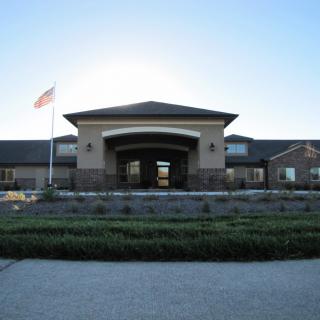
DeMar Assisted Living by Mary T in Coon Rapids is best suited for families seeking a small, home-like environment where relationships with staff matter as much as daily routines. The strongest case is built on human connection: residents feel known, and care teams work to form bonds that resemble a caring, extended family. The standout factor is the staff presence, people like Kate who routinely go beyond prescribed duties to offer companionship, practical help, and reassurance. This is the kind of setting that comforts families during upheaval, providing steady hands to guide a loved one through transitions and to foster a sense of belonging within a close-knit community.
That said, this option may not fit those who demand flawless maintenance and consistently polished operations. Feedback points to declines in services and neglect of basic upkeep, lawn care and routine maintenance have been cited as areas needing attention. For families prioritizing a pristine, highly structured environment with predictable, corporate-level programming, alternative communities with dedicated facilities management and steadier performance may be a better seat at the table. In short, the emotional and relational strengths are clear; the operational consistency is more variable.
Yet the positives carry real weight because they translate into tangible daily benefits. Kate’s leadership and empathy stand out as a core asset, offering residents a dependable touchpoint and staff who respond with flexibility to individual needs. The team’s ability to communicate warmth, provide emotional support, and adapt care plans contributes to smoother daily life and less resistance to changes in health or routine. The house itself often presents as well kept, and the sense of community during tours and visits reinforces the impression that this is more than a place to sleep, it’s a space where people feel connected and valued. When families describe navigating a health challenge, the staff’s capacity to guide and reassure, while treating the resident as family, becomes a central, differentiating strength.
That human-centered approach matters most when health events disrupt ordinary life. The ability of staff to talk with residents as real people, sharing conversations, participating in activities, and listening attentively, creates a stability that can help a resident adjust quickly to new circumstances. The philosophy of viewing residents as members of a larger, caring community helps preserve dignity and continuity, which is especially meaningful for families facing uncertain futures. In practice, the emotional intelligence and relational consistency available here can offset some operational rough edges by delivering reliable, compassionate care from day to day.
Families evaluating this option should use a practical decision framework. If the priority is a homelike atmosphere with personal attention and staff who remember names and histories, DeMar stands out. If the priority is maintenance reliability, formalized programming, and a more antiseptic, corporate feel, exploring alternatives makes sense. Prospective residents should inquire about staffing levels, turnover, and the specific plan for addressing the maintenance concerns raised in reviews. Reconnecting with Kate and speaking directly with leadership about expectations and service standards will reveal whether the current culture matches the family’s needs and the resident’s temperament.
Bottom line: DeMar Assisted Living by Mary T delivers undeniable warmth, a family-like environment, and a care ethos that can ease difficult transitions. For families drawn to a relational, home-centric model, the strengths are compelling, especially when a particular staff member’s advocacy makes a real difference. The counterweight is the risk of uneven operational performance; where unwavering maintenance discipline is essential, consider alternatives with stronger, more consistent upkeep. Weigh the emotional fit against the likelihood of variable services, and use a focused tour to confirm that day-to-day realities align with what matters most in choosing the right care setting.
 Assisted Living
 Memory Care
 Activities on-site
 Devotional services off-site
 Indoor common areas
 Minneapolis-St Paul International (21 miles away)
 Ambulatory care
 Diabetic care
 Meals provided




 Illuminating Insights About Alzheimer's Disease: Ten Crucial Realities
 A Thorough Discussion of Medications Potentially Linked to Dementia Risk
 Why Do Dementia Patients Sleep So Much? Understanding Oversleeping, Stages, and Care Approaches