
1515 44Th Avenue Ne, Columbia Heights, MN 55421
For more information about senior living options: (866) 208-4318
Overall Review of Crest View Home Health Care
Pros
 The staff at Royce Place is caring and well informed.
- Employee retention is strong, so residents see the same friendly faces.
- The facility displays a calendar of daily activities and clearly shows what’s offered.
- The dining area has a country-style feel, with menus offering alternatives and appealing-looking food.
Cons
 The environment is dangerous and neglectful, with kidney failure patients sent out in socks in winter.
- It is described as an evil place.
Review
Crest View Home Health Care in Columbia Heights appears best suited for families that prize long-tenured, familiar caregivers and a home-like atmosphere, provided the resident’s needs are relatively stable and can be actively overseen by family or a trusted advocate. The strongest positive signal in reviews is the continuity of staff: caregivers who stay in place long enough to know residents well, which can translate into smoother daily routines and more personalized interactions. This is not a glossy, high-traffic institution; it rewards relationships built over time. For families who can stay engaged, that constancy can yield meaningful comfort and predictability for a resident who thrives on recognizable faces and consistent care patterns.
Still, this community carries a heavy caveat: multiple reviewers describe the environment in stark terms, with serious concerns about safety and neglect. The most alarming allegations point to dangerous conditions and perceived neglect, including a chilling image of medically vulnerable residents being managed inappropriately. Those kinds of red flags cannot be dismissed. They threaten the very core of daily safety and prompt urgent questions about supervision, response protocols, and accountability. In light of such concerns, Crest View should not be considered without a rigorous, hands-on assessment of safety practices and a clear, verifiable plan to address any gaps.
On balance, the strong staff retention referenced in reviews helps to offset some downsides for families who can meaningfully monitor care. Familiar faces may yield better communication, quicker recognition of changes in condition, and smoother coordination with families. Yet even that potential advantage has limited reach when safety and quality are in question. If the resident requires high-acuity medical oversight, rapid response, or specialized nursing expertise, the perceived deficiencies reported by reviewers should steer families toward other options. The bottom line is that warmth and consistency cannot substitute for reliable safety standards and proactive risk management.
For families weighing Crest View, concrete due diligence is essential. Request the latest state inspection results, licensing status, and any incident reports or corrective action plans. Arrange a multi-visit tour at different times of day to observe caregiver interactions, around-the-clock responsiveness, and how emergencies would be handled. Speak with multiple staff members and, if possible, current residents or family members about day-to-day care, medication management, and meal service. Ask how staffing levels are maintained during peak hours and what steps are taken when concerns arise. A transparent, solution-oriented answer to these questions is non-negotiable before committing.
Alternatives should be seriously considered for residents with complex health needs, fragile safety concerns, or a history of neglect in any setting. Facilities with demonstrated safety records, stronger clinical oversight, and clearer accountability structures may better protect those at higher risk. If the decision leans toward Crest View, it is essential to pair the choice with an explicit plan for ongoing oversight: scheduled family check-ins, a designated point person on the care team, and measurable goals for safety, response times, and quality of life.
Ultimately, Crest View is not a one-size-fits-all solution. For a resident who can benefit from stable, familiar caregivers and whose medical needs are modest, and for families prepared to stay actively involved, it can offer a comfortable, low-disruption environment. For anyone prioritizing safety, rapid escalation of care, and rigorous clinical oversight, stronger options should be pursued. The decisive factor is clarity about safety commitments and the faith that ongoing oversight will translate into consistently high-quality care.
 21 resident community capacity
 Assisted Living
 Memory Care
 Beauty salon
 Cable or satellite TV
 Dining room
 Fully furnished
 Garden
 Housekeeping services
 Kitchenette
 Move-in coordination
 Outdoor space
 Telephone
 Wi-Fi/high-speed internet available
 Minneapolis-St Paul International (12 miles away)
 24-hour call system
 Activities of daily living assistance
 Assistance with bathing
 Assistance with dressing
 Assistance with transfers
 Diabetes diet
 Hospice waiver
 Meal preparation and service
 Medication management
 Mental wellness program
 Special dietary restrictions
 Transportation arrangement (medical)
 Transportation to doctors appointments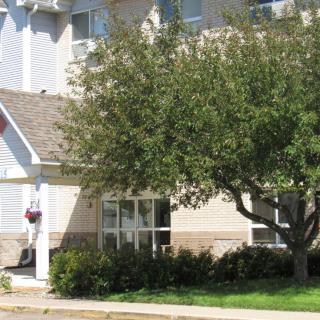





 Nourishing the Mind: Essential Dietary Approaches for Dementia
 Understanding Dementia Behaviors: Practical Insights and Strategies for Caregivers
 When Dementia Sparks Anger and Aggression: Understanding the Connection and Ways to Cope