
4444 Reservoir Blvd. NE, Columbia Heights, MN 55421
To contact a resident: (763) 782-1601
For more information about senior living options: (866) 208-4318
Overall Review of Columbia Village/Crest View
Pros
 The staff are very friendly and genuinely care about their residents.
- The environment feels like a small, welcoming community.
- Impressions on visits to the facility are generally positive.
- The director provides helpful assistance during tours.
- The Boulevard is described as a nice place to live.
Cons
 The staff are the worst the reviewer has ever dealt with.
- The admissions person is very rude and swears at callers and hangs up on them.
- The admissions person should be fired and is lucky to have a job.
- The receptionist is described as rude.
- The place should be locked down.
- The CEO is rude and condescending.
- The reviewer hates this place.
- The reviewer could not recommend Royce Place to anyone.
- The private rooms are small, depressing, and isolating.
- It was extremely difficult to reach staff by telephone and messages were not returned.
- They were not notified when health issues came up with the resident.
- The resident had three falls within eight days, including one where she lay on the floor for two hours.
- The pull cords in the apartment are almost useless.
- The resident could not toilet herself, get dressed, walk with a walker, or call for help, and staff minimized these difficulties.
- The staff prioritized keeping the resident as a self-pay case rather than moving her to a higher level of care.
- They neglected to document that two staff assisted after a fall.
- The family felt they were treated like troublemakers.
Review
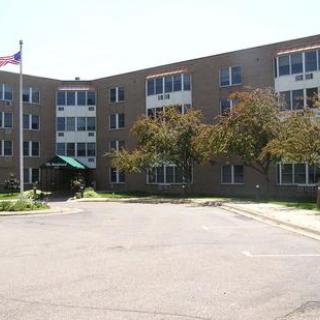
Columbia Village/Crest View is best suited for families seeking a small, neighborly atmosphere where staff warmth and daily interactions feel personal, even as the building shows its age. The community often resonates with residents who want an approachable, human touch from frontline staff and who don’t require the latest amenities or ultramodern design. In practical terms, it suits seniors who can tolerate an older facility while prioritizing a sense of community and accessible, in-house assistance over polished, high‑end presentation.
But this is a place families should scrutinize if reliable, professional care and proactive safety oversight are nonnegotiable. Numerous reviews flag the admissions process as confrontational and unprofessional, with calls and questions met by rude responses. Communication holes are a recurring theme, delayed callbacks and difficulty obtaining timely updates about a loved one’s health. For families needing consistent, detail‑driven coordination between administration, nursing, and families, these patterns are a red flag that cannot be ignored. The facility also does not offer dedicated memory-care programming, which matters for residents with dementia or Alzheimer’s who require specialized approaches.
On the upside, the most persistent positives center on human warmth: very friendly, caring staff that help create a sense of community in an older building. When staff are kind and accessible, residents feel seen, and families gain confidence in the daily lived experience, even if the physical surroundings show their age. The site’s staffing and the direct attention residents receive can counterbalance some limitations in facility modernization. There is also an established pathway for nursing‑level and assisted‑living care, plus an occupational therapy area that supports ongoing rehab for residents with injuries or mobility challenges. A sense of welcome during visits, and positive impressions of the director, are repeatedly highlighted as meaningful contrasts to the negatives.
The core cons, however, can dominate the decision calculus. Severely troubling accounts describe not only rude behavior but a culture that appears slow to respond to medical or safety concerns. Safety lapses surface in stories of falls, hard-to-reach pull cords, and delays in notifying families about health changes. The tension between “self‑pay” incentives and ensuring appropriate higher levels of care creates an uncomfortable impression that financial considerations may trump resident safety. The experience of long-term stayers who felt they were not treated with urgency or respect, and who experienced communication gaps during transitions, undermines confidence in the facility’s ability to manage complex needs.
Still, the questions for families hinge on whether the positives can realistically offset the downsides. If a loved one places high priority on warmth, personal attention, and a compact community feel, Crest View offers a tangible, compassionate environment that can feel like home. The caveat is that no facility is flawless, and here the gaps in communication and safety must be actively mitigated by hands‑on family involvement, clear written care plans, and regular check-ins with a trusted administrator or nurse manager. For residents with memory‑care needs, or for families seeking a facility with robust, proactive protocols across medical events and safety, the weight of the cons increases.
For families weighing options, concrete steps matter. Ask for recent staff-to-resident ratios across shifts, and request direct contact with the nursing director to review safety protocols, fall prevention, and response times to alarms. Confirm how care plans adjust when a resident moves from independent- or assisted-living to higher levels of care, and verify whether private rooms remain equitable in cost and quality when Medicaid eligibility changes. Probe the admissions process for transparency and courtesy, and insist on speaking with current residents or family councils about day-to-day interactions. Finally, compare Crest View with communities that offer formal memory-care programs and stronger incident reporting, so decisions are grounded in how a chosen home will balance warmth with dependable, safety-first care.
 Assisted Living
 Activities on-site
 Devotional services off-site
 Indoor common areas
 Minneapolis-St Paul International (12 miles away)
 Ambulatory care
 Diabetic care
 Meals provided




 Beyond the Bingo Hall: 50+ Enriching Activities for Seniors in Assisted Living
 Understanding the Distinctions: Assisted Living and Memory Care Explained
 Guiding Elderly Parents Who Refuse Assisted Living: 6 Practical Steps