
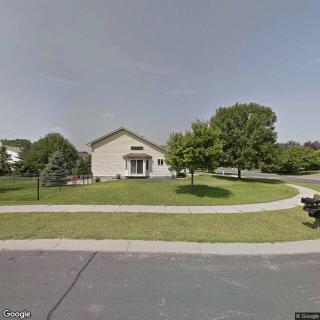
652 109Th Avenue Northeast, Blaine, MN 55434
For more information about senior living options: (866) 208-4318
Overall Review of Care Homes
Pros
 Trish is warm and welcoming to residents and visitors.
- The staff care deeply for the residents.
- The small community provides excellent care and attention.
- Trish knows every resident by name and goes to great lengths to make them comfortable.
- Families would feel confident sending their loved ones here; the staff are amazing and treat everyone like family.
- The environment is nice, with compassionate, responsive care.
- The care team offers professional and personal help with empathy.
Cons
 The management team seems to change every 6-13 months, and it’s never for the better.
- Nobody answers the phone anymore, even during business hours, and there doesn’t appear to be a voicemail box.
- The only way to communicate is via email, so families don’t know who the staff are.
- There are concerns about emergencies because staff can’t be reached when needed.
- The manager is very disrespectful and hangs up on people when she cannot give an answer.
- Terrible management.
- The facility is described as a terrible place where loved ones deserve better.
Review
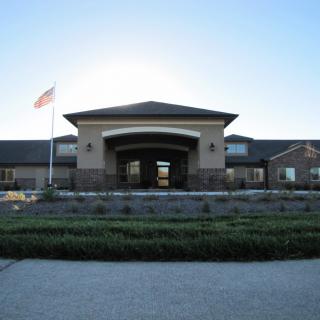
Care Homes in Blaine, MN is best suited for families seeking a small, home-like assisted living environment where staff know residents well and care feels personal. It works best for residents who want steady, hands-on daily support without the bustle of a large campus, and for families that value a culture of empathy and familiarity. Those who prioritize being part of everyday care planning and enjoy a setting where staff routinely go the extra mile to accommodate individual preferences will find this community appealing. The emphasis on genuine connections among residents, staff, and families can translate into a comforting, “everyone knows your name” atmosphere that can feel like a true extension of home.
Certain families should consider alternatives. The most telling red flag is the inconsistency in leadership and communication fronting the community. Ownership and management changes have been frequent, and several reviews note on-site presence as irregular. If reliable, direct communication with a stable administrator is non-negotiable, or if a prompt, predictable response to emergencies and daily inquiries is essential, this community may not meet those expectations. For families that need a highly structured administrative framework, a facility with a longer track record of steady leadership and more transparent, reachable management should be explored.
The strongest positives center on personal attention and the intimate scale. Residents benefit from a small, cohesive environment where staff truly seems to know them by name, and where care feels individualized rather than routine. Several reviewers highlight a warm, compassionate staff and leadership that treats residents with respect and kindness. The presence of dedicated, capable individuals, especially Trish, who become the face of the facility, and the sense that care is anchored in relationships rather than process, stands out as a core strength. In this light, residents who need frequent reassurance, prolonged assistance, and a calm, familiar routine are likely to experience meaningful comfort and continuity.
Yet the cons are not minor. Recurring critiques focus on communication lapses and unstable administration: leadership turnover roughly every six to thirteen months, gaps in on-site availability, and phone systems that don’t reliably connect families to the right people. The emergency communication bottleneck, voicemail boxes filling up or main lines not answered promptly, poses real concerns for families managing urgent needs. A perception of disrespect from some managers further complicates trust. Taken together, these issues can undermine confidence during crises and slow the flow of important information to families.
Those pros can offset many drawbacks for families who value stability in caregiver relationships over administrative polish. When care staff remain consistently engaged and residents are surrounded by familiar faces who know their routines and preferences, the day-to-day sense of security can blunt the impact of occasional administrative gaps. A small community model also tends to yield quicker problem-solving at the bedside, provided the leadership team remains engaged and available. However, the offset hinges on one key condition: ongoing, meaningful improvements in communication and on-site leadership presence. Without that, the risk of miscommunication and delayed responses grows, and the intangible peace of mind slowly erodes.
For prospective families, a prudent path is to look beyond the glossy snapshots and ask direct questions. How stable is the current administrative team, and what is the plan to minimize turnover? How promptly can calls be answered or returned, and through which channels? Can a prospective resident meet the on-site administrator and the primary caregiving staff to gauge rapport and responsiveness? Inquire specifically about memory care support, if relevant, and how care plans are updated with family input. If the answers point to solid, consistent communication and reliable leadership, the warmth and individualized attention present here can translate into a highly satisfactory living experience. If not, it may be wise to shortlist alternatives that pair strong clinical oversight with dependable admin access.
 21 resident community capacity
 Assisted Living
 Beauty salon
 Cable or satellite TV
 Dining room
 Fully furnished
 Garden
 Housekeeping services
 Kitchenette
 Move-in coordination
 Outdoor space
 Restaurant-style dining
 Small library
 Telephone
 Wi-Fi/high-speed internet available
 Minneapolis-St Paul International (20 miles away)
 24-hour call system
 Activities of daily living assistance
 Assistance with bathing
 Assistance with dressing
 Assistance with transfers
 Diabetes diet
 Medication management
 Mental wellness program
 Special dietary restrictions


 Beyond the Bingo Hall: 50+ Enriching Activities for Seniors in Assisted Living
 Understanding the Distinctions: Assisted Living and Memory Care Explained
 Guiding Elderly Parents Who Refuse Assisted Living: 6 Practical Steps