Comfort Residence Blaine offers competitive pricing for its accommodations when compared to both Ramsey County and the broader Minnesota market. For a studio apartment, residents can expect to pay $3,506 per month, which is slightly lower than the county average of $3,546 and notably more affordable than the state average of $3,617. However, the costs shift significantly for one-bedroom units; Comfort Residence Blaine's monthly rate of $4,000 is considerably higher than Ramsey County's average of $2,287 and Minnesota's average of $2,893. This discrepancy may reflect the unique amenities and services offered at Comfort Residence Blaine, making it essential for prospective residents to consider what additional value they might gain from their stay.
Floor plans
Comfort Residence Blaine
Ramsey County
Minnesota
Studio
$3,506
$3,546
$3,617
1 Bedroom
$4,000
$2,287
$2,893
Memory care communities with a similar price nearby
Families report trouble getting through by phone when they need help.
Several residents’ families say they can’t reach anyone by calling, including accounts of no one answering and confusion around voicemail and emergency calls. One review also describes communication problems during business hours, even when help is urgently needed. This conflicts with the community’s emphasis on coordinated assistance and around-the-clock contact methods listed in its care services.
common13 reviews mention this
Caregivers are frequently praised
Residents’ families often describe a warm, caring team.
Across multiple reviews, families talk about staff members being welcoming, responsive, and compassionate, with residents treated with respect. Several reviewers specifically mention getting help promptly with questions or needs, and one describes tailored support as health changed over time. While a few reviews focus on breakdowns in care delivery, the majority of resident and family feedback points to a consistently supportive day-to-day presence.
caveat2 reviews mention this
Medication care raises concerns
A couple of reviews describe problems with medication handling.
Two reviews raise serious concerns about medication management, including one describing missed medication and another alleging unsafe handling. These reports stand out against the community’s published emphasis on medication management and ongoing supervision as part of care services. Families considering placement may want to ask how medication is tracked and verified for their specific needs.
differentiator3 reviews mention this
Care is tailored for memory care
Memory care reviews describe support matched to changing needs.
Reviewers describe time spent in the assisted living and memory care sections, with services adjusted as health changed. One family notes medical help is available at all times and that support is focused on the person’s needs, including addressing questions quickly by management. Another review points to memory issues and medication lapses as a central problem, underscoring why families may want clear expectations for staffing response and daily routines in memory care.
common2 reviews mention this
Activities keep residents engaged
Residents are described as staying busy with organized activities.
Reviews mention scheduled engagement, including an activity director keeping residents involved with various activities. The community also offers on-site and resident-run activity options, plus scheduled daily activities listed as part of its offerings. Even with a few negative experiences described elsewhere, these comments suggest activity programming is a consistent bright spot for some families.
How we summarize
Counts show how many written reviews mention each theme; a review can touch several themes, and only frequently mentioned themes are displayed.
Features
Housing
36 resident community capacity
Types of Care
Assisted Living
Memory Care
Amenities
Activities on-site
Beauty salon
Cable or satellite TV
Devotional services off-site
Dining room
Fully furnished
Garden
Housekeeping services
Indoor common areas
Kitchenette
Move-in coordination
Outdoor common areas
Outdoor space
Respite or short term stays offered
Telephone
Wheelchair accessible showers
Wi-Fi/high-speed internet available
Transportation
Minneapolis-St Paul International (20 miles away)
Care Services
24-hour call system
24-hour supervision
Activities of daily living assistance
Ambulatory care
Assistance with bathing
Assistance with dressing
Assistance with transfers
Coordination with health care providers
Diabetes diet
Diabetic care
Incontinence care
Meal preparation and service
Medication management
Mental wellness program
Special dietary restrictions
Transportation arrangement (medical)
Transportation to doctors appointments
Dining
Diabetes diet
Meals provided
Special dietary restrictions
Activities
Activities on-site
Community-sponsored activities
Devotional activities offsite
Resident-run activities
Scheduled daily activities
Nearby Places of Interest
Pharmacies
Walgreens (0.3 miles)
Walgreens (1.5 miles)
Walgreens (2.3 miles)
Walgreens (2.7 miles)
CVS Pharmacy (3.8 miles)
Walgreens (5.1 miles)
Walgreens (5.2 miles)
Restaurants
Raising Cane's Chicken Fingers (0.4 miles)
Wild Bills Sports Saloon (0.4 miles)
Arby's (0.4 miles)
The Tavern Grill (0.4 miles)
Invictus Brewing (0.8 miles)
Blainbrook Entertainment Center (1.7 miles)
Shortstop Bar & Grill (2.2 miles)
Physicians
Twin Cities Orthopedics Blaine (0.7 miles)
Multicare Associates (1.5 miles)
Oakdale OBGYN (1.5 miles)
Suburban Imaging (1.5 miles)
Northtown Mall (2.8 miles)
Pain and Brain Healing Center (3 miles)
Aesthetic Reconstructive Plastic Surgery (4 miles)
Comfort Residence Blaine offers competitive pricing for its accommodations when compared to both Ramsey County and the broader Minnesota market. For a studio apartment, residents can expect to pay $3,506 per month, which is slightly lower than the county average of $3,546 and notably more affordable than the state average of $3,617. However, the costs shift significantly for one-bedroom units; Comfort Residence Blaine's monthly rate of $4,000 is considerably higher than Ramsey County's average of $2,287 and Minnesota's average of $2,893. This discrepancy may reflect the unique amenities and services offered at Comfort Residence Blaine, making it essential for prospective residents to consider what additional value they might gain from their stay.
Comfort Residence Blaine offers a comprehensive suite of features that are specifically designed to enhance the quality of life for residents with dementia or Alzheimer's disease. Assistance with dressing and bathing ensures that personal hygiene and self-esteem are maintained, while medication management helps prevent confusion and ensures adherence to prescribed treatments. Meal preparation and service cater to dietary needs, fostering both nutrition and social interaction during mealtime. Transportation arrangements for medical appointments ensure timely care access, complemented by coordinated efforts with healthcare providers to create a seamless support network. The assistance with activities of daily living allows residents to maintain their independence while receiving necessary support, and 24-hour supervision provides safety and peace of mind for families. Additionally, a mental wellness program is integral in promoting cognitive engagement, while specialized incontinence care addresses physical needs sensitively and discreetly, thus helping residents feel more comfortable in their environment.
Nearby Communities
Comfort Keepers of Blaine
Blaine, MN
5 from 6 reviews
Excellent proximity to healthcare and nearby amenities.
Careservices
Blaine, MN
5 from 10 reviews
24/7 supervision with fully furnished apartments and engaging activities.
Wellness Group Home
Blaine, MN
24/7 supervision with comprehensive care and engaging activities
Revo Health
Blaine, MN
4.2 from 120 reviews
Fully furnished apartments with 24/7 care and restaurant-style dining.
Morningstar Care Services
Blaine, MN
Small, intimate community with 24/7 supervision and restaurant-style dining.
Care Homes
Blaine, MN
3.7 from 25 reviews
Small, personalized community with 24/7 supervision, comprehensive care, and restaurant-style dining.
Edgemont Place
Blaine, MN
4 from 69 reviews
$5,400 to $7,100 / month
Caring nursing staff and varied activities in a pleasant environment.
Crest View Senior Community at Blaine
Blaine, MN
3.7 from 42 reviews
$1,405 to $3,765 / month
Welcoming, engaged community with on-site amenities and activities.
Synergy HomeCare - Blaine
Blaine, MN
4.7 from 53 reviews
Compassionate, attentive caregivers and reliable office coordination.
Alzheimer’s disease is a progressive neurological disorder that significantly impacts memory and cognitive functions, accounting for 60-80% of dementia cases, with early diagnosis being crucial yet challenging. It involves brain changes like beta-amyloid plaques and tau tangles, influenced by genetic and lifestyle factors, and while there is no cure, symptom management and support for caregivers are essential.
Dementia, influenced by aging and certain medications, may be exacerbated by drug classes such as anticholinergics, benzodiazepines, and antipsychotics, which are associated with cognitive impairment. Regular medication reviews by healthcare professionals are crucial for older adults to manage risks and optimize cognitive health.
Dementia often results in disrupted sleep patterns, leading to excessive daytime sleeping due to factors like brain damage affecting circadian rhythms, medication side effects, and lack of structure in daily activities. Caregivers must monitor these changes closely, as oversleeping can increase risks such as malnutrition or dehydration, and provide necessary support and routines to enhance patient engagement and well-being.
Get PricingAsk A QuestionSchedule A TourContact Senior Advisor
By clicking submit, you agree to our Partner's Terms of Use. You
also consent to receive calls and texts, which may be autodialed, from our Partner. Your consent is not a condition to
using our Partner's service. Please visit our Partner's Privacy Policy for information about their privacy practices.



 36 resident community capacity
 Assisted Living
 Memory Care
 Activities on-site
 Beauty salon
 Cable or satellite TV
 Devotional services off-site
 Dining room
 Fully furnished
 Garden
 Housekeeping services
 Indoor common areas
 Kitchenette
 Move-in coordination
 Outdoor common areas
 Respite or short term stays offered
 Telephone
 Wheelchair accessible showers
 Wi-Fi/high-speed internet available
 Minneapolis-St Paul International (20 miles away)
 24-hour call system
 Ambulatory care
 Assistance with bathing
 Assistance with dressing
 Assistance with transfers
 Diabetes diet
 Diabetic care
 Incontinence care
 Meal preparation and service
 Medication management
 Mental wellness program
 Special dietary restrictions
 Transportation arrangement (medical)
 Transportation to doctors appointments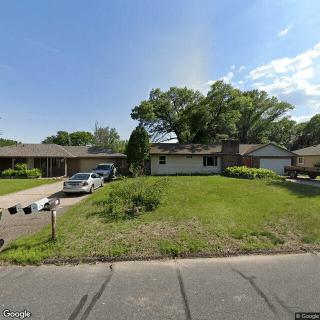
 Excellent proximity to healthcare and nearby amenities.
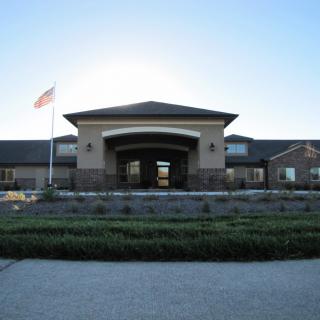


 Illuminating Insights About Alzheimer's Disease: Ten Crucial Realities
 A Thorough Discussion of Medications Potentially Linked to Dementia Risk
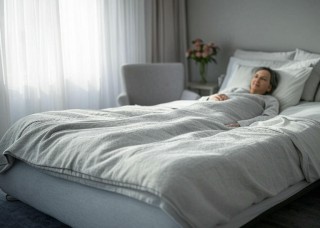 Why Do Dementia Patients Sleep So Much? Understanding Oversleeping, Stages, and Care Approaches