Revo Health

11225 Ulysses Street Drive, Blaine, MN 55434

For more information about senior living options: (844) 490-3973

4.2 from 100 reviews
5 stars
74
4 stars
7
3 stars
0
2 stars
3
1 stars
16

Assisted Living

What level of care are you interested in?

Assisted Living

Memory Care

Independent Living

Skilled Nursing Facility

Continuing Care Retirement Community (CCRC)CCRC

Other


Request a tour at Revo Health

    Overall Review of Revo Health

    Pros

    • pro The staff were described as wonderful, friendly, knowledgeable, and professional, delivering great care.
    • pro Dr. Jason Barry and his nurse Becky were amazing - polite, knowledgeable, professional, and genuinely caring.
    • pro Becky Munson was praised for excellent service.
    • pro The hip replacement experience was exemplary, with staff showing concern for the patient's health and well-being and earning a strong recommendation for TCO.
    • pro The clinic staff were described as very professional, leaving the reviewer pleasantly surprised and turning them into a TCO fan.
    • pro A reviewer noted that a husband had a wonderful experience with TCO.

    Cons

    • pro They felt rushed through expensive X-rays and a two-minute doctor visit, then told to go to the hospital.
    • pro They perceived the practice as caring more about billing and speed than patient care.
    • pro The MRI department in Stillwater mixed up scans with the wrong dates and notes.
    • pro Care teams failed to clearly explain MRI results or offer real treatment options beyond replacement.
    • pro A nurse dismissed the deformity with a comment like, "That's just the way the good lord made you," which felt hurtful and lacking empathy.
    • pro The nursing staff were hard in approach and did not listen, leaving them to research MRI results on their own.
    • pro Only cortisone shots or prednisone were offered, and the Mayo Clinic option was discouraged in a way the reviewer found unfounded.
    • pro Billing was opaque and excessive, with confusion about insurance coverage and a large total for visits billed as urgent care.
    • pro There was no accessible patient advocate, and attempts to contact a manager or get timely follow-up yielded little to no response.
    • pro The reviewer felt the organization had grown too large to care about individuals.

    Review

    Across multiple reviews, Twin Cities Orthopedics (TCO) emerges as a place where some patients find highly capable, personable care, while others describe a string of frustrating experiences that leave them questioning communication, empathy, and value. On one end, patients highlight friendly staff, responsive clinicians, and results that restore function. On the other end, there are reports of rushed visits, mismanaged imaging, dismissive attitudes, scarce treatment options beyond standard interventions, and billing practices that feel opaque or unfair. Taken together, the comments paint a complex portrait of an organization that can deliver excellent care in some encounters, but struggles with consistency and patient-centered communication in others.

    Several reviewers stress that when the care is good, it's very good. In particular, some patients point to quick access and attentive clinicians who treat them with respect. They describe staff as friendly, knowledgeable, and professional, with specific praise for individuals such as Dr. Jason Barry and his nurse Becky, who are described as genuinely caring and highly skilled. Another patient thanks Becky Munson for excellent service, noting friendly staff, reasonable hours, and decent overall service. There are also mentions of positive experiences with other team members like Ryan, Hannah, and Jared, who are described as professional, friendly, and thorough. A separate account praises the broader TCO experience after a successful right hip replacement and follow-up, emphasizing ongoing concern for health and well-being.

    However, a substantial portion of the feedback centers on concerning gaps in care, communication, and cost transparency. One patient recounts a rushed visit that involved "a ton of expensive X-rays," followed by a doctor's brief appearance and a quick directive to go to the hospital. The impression left is that the team is more focused on high billing activity and speed than on thorough assessment or clear guidance. Another reviewer describes an experience in the Stillwater MRI department where scans were misdated or misfiled, setting off a frustrating chain of events. They report not receiving clear explanations from care teams about MRI results and feeling that options were limited to injections or steroids, with little empathy or engagement from staff.

    The emotional impact of poor communication and dismissive attitudes comes through strongly. One reviewer with Coxa Breva deformity, who has a long history and significant pain, recalls being told by a nurse, "That's just the way the good lord made you," which felt hurtful and dismissive. They also describe having to do their own MRI result research because the communication from nurses and doctors did not provide clear explanations. The sense conveyed is that for patients who do not anticipate needing a joint replacement, the available options feel narrow or inadequately explained, leaving them with little sense of hope or personalized plan.

    Another theme running through the critiques is the difficulty in advocacy and escalation. Some patients feel there is no accessible patient advocate, with complaints routed through an online form that does not accommodate care concerns or direct escalation to a manager. Reports describe repeated attempts to obtain a response, only to find that surveys and forms yield little to no follow-up. The sentiment is that the organization's size has created a barrier to individual attention - concerns are not heard or addressed promptly, leaving patients frustrated and doubting the organization's commitment to patient-centered care. An update from one patient confirms ongoing trouble: a manager never returns calls, forms are not assigned, and the patient ends up feeling ignored.

    Billing and insurance practices add another layer of frustration. A reviewer recounts a case in Blaine where, despite confirming urgent-care status and insurance eligibility at the time of service, the clinic billed as regular visits, producing a surprise, substantial bill after the fact. The description is blunt: charges far exceed what would be expected for urgent-care visits, and the explanation from billing staff is that pricing is "posted online," with little in-office guidance or signage. The resulting financial stress - illustrated by a detailed bill showing thousands in charges with patient responsibility in the hundreds to the thousands - paints a picture of miscommunication about coverage and billing rules, which exacerbates a patient's confusion and financial burden.

    Against this backdrop of mixed experiences, the stories also include moments of apology and reassurance from the clinicians who clearly strive to deliver quality care. One patient highlights a seamless and positive encounter with Becky Munson and others who offered competent care, suggesting that when staff are aligned with patient needs - through open communication, empathy, and clear explanations - the experience can be markedly better. The anecdotes about successful surgeries and thorough follow-up care reinforce that many patients leave with real improvements and gratitude for the medical expertise they received.

    In sum, the collection of reviews depicts an orthopedic care network capable of excellent, compassionate care in some visits while revealing systemic issues elsewhere. The strongest themes point to the need for more consistent patient advocacy, clearer and more empathetic communication, better explanation of MRI findings and treatment options, and greater transparency in billing and insurance interactions. Patients who encountered efficient, respectful teams felt heard and supported, often praising individual clinicians. Others who faced missteps - from mixed imaging results and dismissive attitudes to cumbersome escalation processes and surprising bills - felt left adrift, questioning whether the organization truly prioritizes patient-centered outcomes for those who do not immediately require joint replacement.

    Features

    Housing

    • 21 resident community capacity 21 resident community capacity

    Types of Care

    • Assisted Living Assisted LivingAssisted living facilities provide crucial support and care for seniors who may need help with daily tasks such as medication management, bathing, and meal preparation. These communities offer a safe and comfortable environment where seniors can maintain their independence while receiving the assistance they need to thrive in their golden years.

    Amenities

    • Beauty salon Beauty salonBeauty salons are important for seniors because they provide a space for them to feel pampered, socialize, and maintain their personal grooming and hygiene. Regular visits to a beauty salon can help boost seniors' self-esteem and overall well-being.
    • Cable or satellite TV Cable or satellite TVCable or satellite TV is important for seniors because it provides entertainment, news, and companionship, helping to combat loneliness and boredom. It also offers a wide range of programming options tailored to different interests and preferences.
    • Dining room Dining roomDining rooms are important for seniors as they provide a space for socialization, connection, and nutritious meals. They offer opportunities for residents to bond over shared meals, foster a sense of community, and promote healthy eating habits. Dining rooms also ensure that seniors have access to well-balanced meals tailored to their dietary needs and preferences.
    • Fully furnished Fully furnishedFully furnished senior living communities are important for seniors because they provide convenience, comfort, and a hassle-free moving experience. Seniors can easily settle into their new living space without the stress of having to buy and move furniture. This allows them to focus on enjoying their new home and community.
    • Garden GardenGardens are important for seniors as they provide a peaceful and therapeutic environment for relaxation, physical activity, and socialization. Being in nature has been shown to reduce stress, improve mood, and promote overall well-being. Gardens also offer opportunities for seniors to engage in gardening activities, which can improve mobility, flexibility, and cognitive function. Additionally, gardens create a sense of community and connection with others who share a passion for plants and outdoor spaces.
    • Housekeeping services Housekeeping servicesHousekeeping services are important for seniors because they help maintain a clean and safe living environment, promote independence, and reduce the risk of accidents or illnesses. Additionally, having assistance with household chores can alleviate physical strain and allow seniors to focus on other aspects of their well-being.
    • Kitchenette KitchenetteKitchenettes are important for seniors living in senior living communities because they provide the convenience and independence of being able to prepare simple meals and snacks in the comfort of their own living space. This can help promote a sense of autonomy and well-being for seniors, allowing them to maintain some level of control over their dietary choices and daily routines.
    • Move-in coordination Move-in coordinationMove-in coordination is important for seniors because it helps ease the transition into their new living environment. It ensures that all logistics, such as packing, organizing movers, and setting up utilities are taken care of, allowing seniors to focus on settling in and adjusting to their new home. Having a smooth move-in process can alleviate stress and anxiety, making the transition smoother and more enjoyable for seniors.
    • Outdoor space Outdoor spaceOutdoor spaces are important for seniors as they provide opportunities for physical activity, social interaction, exposure to natural light and fresh air, and a sense of connection to nature. Having access to outdoor spaces can improve overall well-being and quality of life for older adults living in senior communities.
    • Restaurant-style dining Restaurant-style diningRestaurant-style dining is important for seniors because it allows them to enjoy delicious, nutritious meals in a social and upscale setting. This enhances their dining experience, promotes healthy eating habits, and fosters socialization with fellow residents, ultimately contributing to their overall well-being and quality of life.
    • Small library Small librarySmall libraries are important for seniors as they provide access to a variety of reading materials, including books, newspapers, and magazines. This can help stimulate their minds, keep them engaged, and provide a sense of community through book clubs and other social activities. Additionally, reading has been shown to improve cognitive function and overall mental well-being in older adults.
    • Telephone TelephoneTelephones are important for seniors as they provide a lifeline for communication with loved ones, emergency services, and healthcare providers. They offer a sense of security and independence, enabling seniors to stay connected and access assistance when needed.
    • Wi-Fi/high-speed internet available Wi-Fi/high-speed internet availableWi-Fi/high-speed internet is important for seniors to stay connected with loved ones, access online resources, and participate in virtual activities to combat feelings of loneliness and isolation. It also allows them to easily manage healthcare needs, access entertainment, and engage in lifelong learning opportunities.

    Transportation

    • Minneapolis-St Paul International (20 miles away) Minneapolis-St Paul International (20 miles away)

    Care Services

    • 24-hour call system 24-hour call system24-hour call systems are important for seniors because they provide peace of mind and immediate assistance in case of emergencies. This technology ensures that help is always available, promoting safety and security for elderly individuals living alone or in assisted living facilities.
    • 24-hour supervision 24-hour supervision24-hour supervision is important for seniors to ensure their safety, well-being, and access to immediate assistance in case of emergencies or health issues. This constant support provides peace of mind for both seniors and their loved ones, allowing them to age in place with dignity and security.
    • Activities of daily living assistance Activities of daily living assistanceActivities of daily living assistance are important for seniors because they provide essential support with tasks such as eating, bathing, dressing, and mobility. This assistance helps seniors maintain their independence, dignity, and overall quality of life as they age.
    • Assistance with bathing Assistance with bathingAssistance with bathing is crucial for seniors as it helps maintain personal hygiene, prevents infections, and ensures their overall well-being and comfort. It also provides a sense of dignity and independence for seniors who may struggle with this task on their own.
    • Assistance with dressing Assistance with dressingAssistance with dressing is important for seniors because it helps maintain their independence, promotes personal hygiene, prevents accidents and injuries, and improves overall quality of life. This service ensures that seniors can continue to dress comfortably and confidently, despite any physical limitations they may have.
    • Assistance with transfers Assistance with transfersAssistance with transfers is crucial for seniors as it helps prevent falls and injuries, maintains their independence, and ensures they can safely navigate their living environment. It also provides peace of mind for both seniors and their loved ones.
    • Diabetes diet Diabetes dietA diabetes diet is crucial for seniors as it helps manage blood sugar levels, reduce risks of complications, and improve overall health and well-being. By following a balanced and nutritious diet tailored to their specific needs, seniors can better control their diabetes and enhance their quality of life.
    • Meal preparation and service Meal preparation and serviceMeal preparation and service are crucial for seniors as they may have limited mobility or energy to cook nutritious meals. Having access to healthy and convenient food options can ensure they are getting the proper nutrition needed to maintain their overall health and well-being.
    • Medication management Medication managementMedication management is crucial for seniors to ensure they are taking the right medications at the correct dosages and times. This helps prevent adverse drug interactions, reduces the risk of medication errors, and promotes overall health and well-being. Proactive management also allows for adjustments as needed based on changing health conditions or new prescriptions.
    • Mental wellness program Mental wellness programMental wellness programs are essential for seniors as they promote cognitive stimulation, emotional support, and social engagement. These programs help prevent isolation, depression, and cognitive decline, ultimately enhancing the overall quality of life for older adults.
    • Special dietary restrictions Special dietary restrictionsSpecial dietary restrictions are important for seniors because age-related changes in metabolism and health conditions can make it difficult for their bodies to process certain foods. By following a diet tailored to their specific needs, seniors can maintain their overall health and well-being, manage chronic conditions, and reduce the risk of complications such as malnutrition or food interactions with medications.

    Dining

    • Diabetes diet Diabetes dietA diabetes diet is crucial for seniors as it helps manage blood sugar levels, reduce risks of complications, and improve overall health and well-being. By following a balanced and nutritious diet tailored to their specific needs, seniors can better control their diabetes and enhance their quality of life.
    • Special dietary restrictions Special dietary restrictionsSpecial dietary restrictions are important for seniors because age-related changes in metabolism and health conditions can make it difficult for their bodies to process certain foods. By following a diet tailored to their specific needs, seniors can maintain their overall health and well-being, manage chronic conditions, and reduce the risk of complications such as malnutrition or food interactions with medications.

    Activities

    • Community-sponsored activities Community-sponsored activitiesCommunity-sponsored activities are important for seniors as they provide opportunities for social interaction, mental stimulation, and physical activity. These activities can help improve overall well-being, combat loneliness and isolation, and promote a sense of belonging and purpose among older adults.
    • Resident-run activities Resident-run activitiesResident-run activities are important for seniors as they encourage social interaction, creativity, and a sense of autonomy. These activities empower seniors to stay engaged and active in their community while fostering meaningful connections with their peers.
    • Scheduled daily activities Scheduled daily activitiesScheduled daily activities are important for seniors because they provide structure, socialization, mental stimulation, and physical activity. Engaging in regular activities can improve overall well-being and quality of life for seniors living in a community setting.

    Description

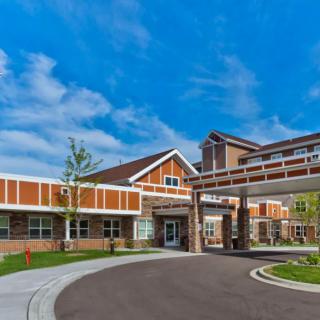
    Revo Health in Blaine, MN is an assisted living community that offers a wide range of amenities and care services to enhance the quality of life for its residents. The community features fully furnished apartments with cable or satellite TV, Wi-Fi/high-speed internet, and housekeeping services to ensure a comfortable and convenient living environment.

    Residents can enjoy delicious meals prepared by professional chefs in the restaurant-style dining room, which can accommodate special dietary restrictions. For those who prefer to cook their own meals, each apartment is equipped with a kitchenette. Outdoor spaces and gardens provide opportunities for relaxation and socialization in a beautiful setting.

    Revo Health also provides various care services to meet the individual needs of its residents. Trained staff members are available around the clock to provide 24-hour supervision and assistance with activities of daily living such as bathing, dressing, and transfers. Medication management ensures that residents receive their required medications in a timely manner. Additionally, a mental wellness program is offered to support the emotional well-being of residents.

    To encourage an active lifestyle, Revo Health organizes resident-run activities and scheduled daily activities that cater to different interests and hobbies. Nearby cafes, parks, pharmacies, physicians' offices, restaurants, places of worship, theaters, and hospitals offer convenience and accessibility for residents.

    Overall, Revo Health in Blaine, MN provides a warm and supportive environment where seniors can maintain their independence while receiving personalized care and enjoying various amenities and activities.

    Nearby Places of Interest

    Physicians

    • Twin Cities Orthopedics Blaine (0 miles)
    • Multicare Associates (0.8 miles)
    • Oakdale OBGYN (0.8 miles)
    • Suburban Imaging (0.8 miles)
    • Pain and Brain Healing Center (2.3 miles)
    • Northtown Mall (3.4 miles)
    • Aesthetic Reconstructive Plastic Surgery (4.7 miles)

    Pharmacies

    • Walgreens (0.4 miles)
    • Walgreens (1.6 miles)
    • Walgreens (1.6 miles)
    • Walgreens (3.4 miles)
    • CVS Pharmacy (4.5 miles)
    • Fairview Pharmacy Services (4.7 miles)
    • Walgreens (5.1 miles)

    Restaurants

    • The Tavern Grill (0.4 miles)
    • Wild Bills Sports Saloon (0.4 miles)
    • Raising Cane's Chicken Fingers (0.5 miles)
    • Blainbrook Entertainment Center (1 miles)
    • Arby's (1.1 miles)
    • Invictus Brewing (1.2 miles)
    • The Roadside (1.7 miles)

    Theaters

    • AMC Coon Rapids 16 (2.5 miles)
    • Andover Cinema (4.8 miles)

    Cafes

    • Starbucks (2.6 miles)
    • Caribou Coffee (3.7 miles)
    • Caribou Coffee (6.3 miles)
    • Caribou Coffee (7.8 miles)

    Places of Worship

    • Ephiphany Catholic Church (3.9 miles)
    • Fridley United Methodist Church (6.2 miles)
    • North Heights Lutheran Church (7.4 miles)
    • Open Range Cowboy Church (7.9 miles)

    Parks

    • Lexington Athletic Complex (3.9 miles)
    • Ham Lake City Park (5.4 miles)
    • Crooked Lake Park & Beach (5.5 miles)
    • Pinebrook Park (5.5 miles)
    • Sunshine Park (6.1 miles)
    • Riverdale Park (6.2 miles)
    • Pennisula Park (7.6 miles)

    Hospitals

    • Unity Hospital (4.9 miles)
    • Anoka Metro Regional Treatment Center (7.5 miles)

    Transportation

    • Lino Air Park (5.1 miles)

    Frequently Asked Questions

    Where is Revo Health?

    Nearby Communities

    Related Resources

    • assisted living activitiesBeyond the Bingo Hall: 50+ Enriching Activities for Seniors in Assisted Living

      Assisted living communities offer diverse activities beyond traditional games to enhance seniors' physical health, cognitive well-being, emotional enrichment, and social connections, including fitness classes, creative expression, and intergenerational interactions. These enriching programs foster community bonds and support residents' independence and happiness.

    • assisted living vs memory careUnderstanding the Distinctions: Assisted Living and Memory Care Explained

      The article differentiates between assisted living and memory care, explaining that assisted living supports seniors with daily activities while promoting independence, whereas memory care provides specialized services for individuals with dementia, focusing on secure environments and cognitive support. It also addresses staff training, safety considerations, costs, family involvement, and transition strategies for families navigating these care options.

    • elderly parent refuses assisted livingGuiding Elderly Parents Who Refuse Assisted Living: 6 Practical Steps

      Family caregivers face emotional, legal, and practical challenges when elderly parents refuse assisted living, often due to fears of losing autonomy. Open conversations and professional assessments can help address these concerns while exploring alternatives and ensuring safety, potentially leading to legal guardianship if necessary.


    Get Pricing Ask A Question Schedule A Tour Contact Senior Advisor