
Best Care Home Health

Save
Best Care Home Health Best Care Home Health Best Care Home Health

Best Care Home Health

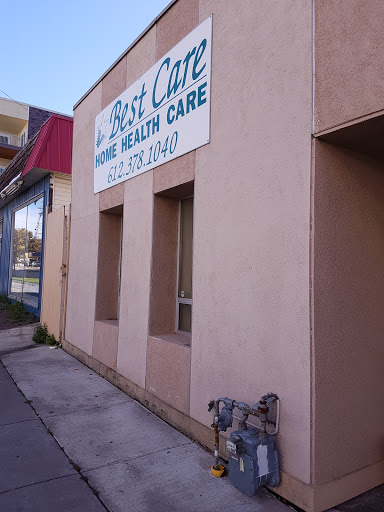
3008 University Avenue Se, Minneapolis, MN 55414

For more information about senior living options: (844) 490-3973

3.1 from 15 reviews
5 stars
7
4 stars
0
3 stars
1
2 stars
1
1 stars
6

Assisted Living

What level of care are you interested in?

Assisted Living

Memory Care

Independent Living

Skilled Nursing Facility

Continuing Care Retirement Community (CCRC)CCRC

Other


Request a tour at Best Care Home Health

    Overall Review of Best Care Home Health

    Pros

    • pro The owner is awesome.
    • pro The owner is great.
    • pro The staff are wonderful and caring.
    • pro They did a great job.

    Cons

    • pro The clinical director is bitter and miserable.
    • pro The assistant is described as the director's dog.
    • pro Bad vibes all around.
    • pro The director picked on the reviewer for being quiet and pretty.
    • pro The clinical manager has lost her mind.
    • pro The clinical manager claims she is not a micromanager, which is described as a lie.
    • pro The assistant clinical manager is a whiny tattletale.
    • pro The reviewer would never recommend the place unless the managers are replaced.
    • pro In six months, three different case managers - none competent or reliable.
    • pro Emails and calls went unanswered; critical deadlines ignored; supervisor contact info invalid.
    • pro The onboarding process is a nightmare; staff haven't received materials; information isn't timely.
    • pro The company does not take disabilities seriously; not suitable for CADI or waiver services; client needs not considered.

    Review

    Across the set of feedback, a clear thread runs through the experiences: the care and operations of this agency are deeply mixed, with strong praise for leadership from one side and pointed, sometimes scathing criticism from others. A number of reviewers emphasize a stark contrast between an owner they describe as "awesome" or "great" and a clinical leadership team they label as difficult, micromanaging, or out of touch. The same voices that praise the owner also describe ongoing problems with internal communication, reliability, and responsiveness that directly affect the people who rely on the agency's services.

    A recurring topic is the instability and perceived incompetence of the clinical and care-management staff. One reviewer notes they went through three different case managers in under six months, with none proving competent or reliable. This churn is linked to real-world consequences: delays and disruptions to their son's CDCS/DD Waiver plan, missed deadlines, and unanswered emails and calls. The reviewer even points out that essential contact information for the supervisor was invalid, implying a breakdown in the very pathways that families rely on to coordinate complex care. The result, in their words, is that their son paid the price for the agency's shortcomings.

    Another thread centers on onboarding and administrative responsiveness. A reviewer describes onboarding care staff as an ongoing nightmare, with staff never receiving timely onboarding materials. They report phones that are rarely answered, website emails that go unanswered, and what appears to be an internal disconnect between different staffing departments. This disconnect seems to compound the frustration of clients who must juggle multiple entities (the client, the home care staff, the fiscal agency) and rely on smooth, timely communication to ensure care does not lapse. There's also a harsh critique that the agency does not take disabilities seriously and questions whether the agency should be licensing for CADI or other waiver services, suggesting that in their view, client needs are not prioritized.

    Within the more pointed interpersonal critiques, specific personality and leadership dynamics are named. The clinical director is described as bitter and miserable, with one speaker characterizing the assistant as "her DOG" and labeling the assistant clinical manager as a "whiny tattletale." Another reviewer asserts the clinical manager is a micromanager in denial about the behavior they exhibit, underscoring a perception of a toxic internal culture that hinders the delivery of steady, professional care. These characterizations paint a picture of a workplace where internal friction and power struggles spill over into client experiences, making consistency and trust hard to come by.

    Amidst the negativity, there are notable counterpoints that tinged the overall tone with a sense of nuance. Some reviewers reserve praise for the owner, calling them "awesome" and suggesting that the owner's leadership stands in stark contrast to the rest of the management team. A few lines simply acknowledge "Great job" or "Wonderful caring staff!!," indicating that, in certain settings or with certain teams within the organization, clients have encountered compassionate, capable, and attentive care. This dichotomy - strong leadership at the top or in certain branches, paired with strained day-to-day management - emerges as a defining feature of the experiences shared.

    Taken together, the feedback suggests a pattern of high variability in service delivery. For families seeking reliable, timely, and coordinated care, the prevailing message from the more negative accounts is cautionary: expect communication gaps, potential staff turnover, and delayed or disrupted care plans that require persistent advocacy from clients or their fiscal coordinators. The more positive notes, while less frequent, imply that the agency can offer warmth, dedication, and attentiveness when the right people are involved and when internal processes function smoothly. In short, the agency's performance appears to hinge more on leadership presence and specific team dynamics than on a uniformly implemented standard of care, leaving prospective clients to weigh the owner's reputed strengths against the documented challenges within clinical and administrative operations.

    Features

    Housing

    • 21 resident community capacity 21 resident community capacity

    Types of Care

    • Assisted Living Assisted LivingAssisted living facilities provide crucial support and care for seniors who may need help with daily tasks such as medication management, bathing, and meal preparation. These communities offer a safe and comfortable environment where seniors can maintain their independence while receiving the assistance they need to thrive in their golden years.

    Amenities

    • Beauty salon Beauty salonBeauty salons are important for seniors because they provide a space for them to feel pampered, socialize, and maintain their personal grooming and hygiene. Regular visits to a beauty salon can help boost seniors' self-esteem and overall well-being.
    • Cable or satellite TV Cable or satellite TVCable or satellite TV is important for seniors because it provides entertainment, news, and companionship, helping to combat loneliness and boredom. It also offers a wide range of programming options tailored to different interests and preferences.
    • Dining room Dining roomDining rooms are important for seniors as they provide a space for socialization, connection, and nutritious meals. They offer opportunities for residents to bond over shared meals, foster a sense of community, and promote healthy eating habits. Dining rooms also ensure that seniors have access to well-balanced meals tailored to their dietary needs and preferences.
    • Fully furnished Fully furnishedFully furnished senior living communities are important for seniors because they provide convenience, comfort, and a hassle-free moving experience. Seniors can easily settle into their new living space without the stress of having to buy and move furniture. This allows them to focus on enjoying their new home and community.
    • Garden GardenGardens are important for seniors as they provide a peaceful and therapeutic environment for relaxation, physical activity, and socialization. Being in nature has been shown to reduce stress, improve mood, and promote overall well-being. Gardens also offer opportunities for seniors to engage in gardening activities, which can improve mobility, flexibility, and cognitive function. Additionally, gardens create a sense of community and connection with others who share a passion for plants and outdoor spaces.
    • Housekeeping services Housekeeping servicesHousekeeping services are important for seniors because they help maintain a clean and safe living environment, promote independence, and reduce the risk of accidents or illnesses. Additionally, having assistance with household chores can alleviate physical strain and allow seniors to focus on other aspects of their well-being.
    • Kitchenette KitchenetteKitchenettes are important for seniors living in senior living communities because they provide the convenience and independence of being able to prepare simple meals and snacks in the comfort of their own living space. This can help promote a sense of autonomy and well-being for seniors, allowing them to maintain some level of control over their dietary choices and daily routines.
    • Move-in coordination Move-in coordinationMove-in coordination is important for seniors because it helps ease the transition into their new living environment. It ensures that all logistics, such as packing, organizing movers, and setting up utilities are taken care of, allowing seniors to focus on settling in and adjusting to their new home. Having a smooth move-in process can alleviate stress and anxiety, making the transition smoother and more enjoyable for seniors.
    • Outdoor space Outdoor spaceOutdoor spaces are important for seniors as they provide opportunities for physical activity, social interaction, exposure to natural light and fresh air, and a sense of connection to nature. Having access to outdoor spaces can improve overall well-being and quality of life for older adults living in senior communities.
    • Telephone TelephoneTelephones are important for seniors as they provide a lifeline for communication with loved ones, emergency services, and healthcare providers. They offer a sense of security and independence, enabling seniors to stay connected and access assistance when needed.
    • Wi-Fi/high-speed internet available Wi-Fi/high-speed internet availableWi-Fi/high-speed internet is important for seniors to stay connected with loved ones, access online resources, and participate in virtual activities to combat feelings of loneliness and isolation. It also allows them to easily manage healthcare needs, access entertainment, and engage in lifelong learning opportunities.

    Transportation

    • Minneapolis-St Paul International (6 miles away) Minneapolis-St Paul International (6 miles away)

    Care Services

    • 24-hour call system 24-hour call system24-hour call systems are important for seniors because they provide peace of mind and immediate assistance in case of emergencies. This technology ensures that help is always available, promoting safety and security for elderly individuals living alone or in assisted living facilities.
    • 24-hour supervision 24-hour supervision24-hour supervision is important for seniors to ensure their safety, well-being, and access to immediate assistance in case of emergencies or health issues. This constant support provides peace of mind for both seniors and their loved ones, allowing them to age in place with dignity and security.
    • Activities of daily living assistance Activities of daily living assistanceActivities of daily living assistance are important for seniors because they provide essential support with tasks such as eating, bathing, dressing, and mobility. This assistance helps seniors maintain their independence, dignity, and overall quality of life as they age.
    • Assistance with bathing Assistance with bathingAssistance with bathing is crucial for seniors as it helps maintain personal hygiene, prevents infections, and ensures their overall well-being and comfort. It also provides a sense of dignity and independence for seniors who may struggle with this task on their own.
    • Assistance with dressing Assistance with dressingAssistance with dressing is important for seniors because it helps maintain their independence, promotes personal hygiene, prevents accidents and injuries, and improves overall quality of life. This service ensures that seniors can continue to dress comfortably and confidently, despite any physical limitations they may have.
    • Assistance with transfers Assistance with transfersAssistance with transfers is crucial for seniors as it helps prevent falls and injuries, maintains their independence, and ensures they can safely navigate their living environment. It also provides peace of mind for both seniors and their loved ones.
    • Coordination with health care providers Coordination with health care providersCoordination with health care providers is crucial for seniors to ensure proper medical care, medication management, and overall well-being. This collaboration helps prevent overlapping treatments, track progress more effectively, and provide comprehensive support tailored to individual needs.
    • Diabetes diet Diabetes dietA diabetes diet is crucial for seniors as it helps manage blood sugar levels, reduce risks of complications, and improve overall health and well-being. By following a balanced and nutritious diet tailored to their specific needs, seniors can better control their diabetes and enhance their quality of life.
    • Meal preparation and service Meal preparation and serviceMeal preparation and service are crucial for seniors as they may have limited mobility or energy to cook nutritious meals. Having access to healthy and convenient food options can ensure they are getting the proper nutrition needed to maintain their overall health and well-being.
    • Medication management Medication managementMedication management is crucial for seniors to ensure they are taking the right medications at the correct dosages and times. This helps prevent adverse drug interactions, reduces the risk of medication errors, and promotes overall health and well-being. Proactive management also allows for adjustments as needed based on changing health conditions or new prescriptions.
    • Mental wellness program Mental wellness programMental wellness programs are essential for seniors as they promote cognitive stimulation, emotional support, and social engagement. These programs help prevent isolation, depression, and cognitive decline, ultimately enhancing the overall quality of life for older adults.
    • Special dietary restrictions Special dietary restrictionsSpecial dietary restrictions are important for seniors because age-related changes in metabolism and health conditions can make it difficult for their bodies to process certain foods. By following a diet tailored to their specific needs, seniors can maintain their overall health and well-being, manage chronic conditions, and reduce the risk of complications such as malnutrition or food interactions with medications.
    • Transportation arrangement (medical) Transportation arrangement (medical)Transportation arrangements for medical purposes are essential for seniors as they may have difficulty driving themselves to appointments or accessing public transportation. Having reliable and safe transportation options ensures that seniors can receive timely medical care and maintain their health and well-being.
    • Transportation to doctors appointments Transportation to doctors appointmentsTransportation to doctors' appointments is crucial for seniors as it ensures they have access to necessary medical care and support for their health needs. Without reliable transportation, seniors may struggle to attend important appointments, leading to potential delays in treatment and health complications. Providing transportation services helps seniors maintain their overall well-being and quality of life.

    Dining

    • Diabetes diet Diabetes dietA diabetes diet is crucial for seniors as it helps manage blood sugar levels, reduce risks of complications, and improve overall health and well-being. By following a balanced and nutritious diet tailored to their specific needs, seniors can better control their diabetes and enhance their quality of life.
    • Special dietary restrictions Special dietary restrictionsSpecial dietary restrictions are important for seniors because age-related changes in metabolism and health conditions can make it difficult for their bodies to process certain foods. By following a diet tailored to their specific needs, seniors can maintain their overall health and well-being, manage chronic conditions, and reduce the risk of complications such as malnutrition or food interactions with medications.

    Activities

    • Community-sponsored activities Community-sponsored activitiesCommunity-sponsored activities are important for seniors as they provide opportunities for social interaction, mental stimulation, and physical activity. These activities can help improve overall well-being, combat loneliness and isolation, and promote a sense of belonging and purpose among older adults.
    • Resident-run activities Resident-run activitiesResident-run activities are important for seniors as they encourage social interaction, creativity, and a sense of autonomy. These activities empower seniors to stay engaged and active in their community while fostering meaningful connections with their peers.
    • Scheduled daily activities Scheduled daily activitiesScheduled daily activities are important for seniors because they provide structure, socialization, mental stimulation, and physical activity. Engaging in regular activities can improve overall well-being and quality of life for seniors living in a community setting.

    Description

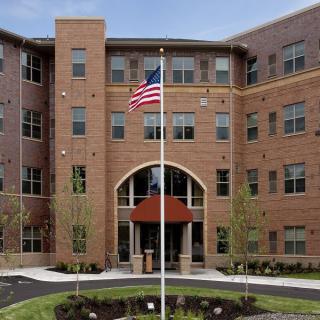
    The Best Care Home Health in Minneapolis, MN offers a wide range of amenities and care services to ensure the comfort and well-being of its residents. The community provides a homely atmosphere with fully furnished apartments, cable or satellite TV, telephone, Wi-Fi/high-speed internet, and housekeeping services.

    Residents can enjoy delicious meals in the dining room with special dietary restrictions catered to. The kitchenette allows for personal meal preparation as desired. Outdoor spaces and gardens provide opportunities for relaxation and recreation.

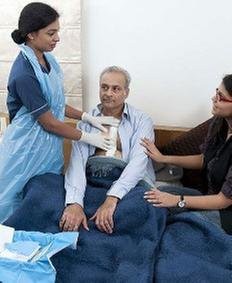
    Care services include 24-hour supervision, assistance with activities of daily living such as bathing and dressing, transfers, medication management, diabetes diet management, coordination with health care providers, and transportation arrangements for medical appointments.

    Mental wellness programs are also available to support residents' emotional and cognitive well-being. Additionally, scheduled daily activities and resident-run activities promote engagement and socialization.

    The community is conveniently located near various amenities including cafes, parks, pharmacies, physicians' offices, restaurants, places of worship, theaters, hospitals. Transportation is easily accessible for both medical visits and recreational outings.

    Overall, Best Care Home Health in Minneapolis provides a comfortable living environment with comprehensive care services that prioritize the overall health and happiness of its residents.

    Nearby Places of Interest

    Restaurants

    • Surly Brewing Company (0.3 miles)
    • Dubliner Pub (1.4 miles)
    • BlackStack Brewing (1.6 miles)
    • Maxwell's American Cafe (1.9 miles)
    • Aster Cafe (2.2 miles)
    • Sawatdee Thai Restaurant - Minneapolis (2.3 miles)
    • McDonald's (2.3 miles)

    Physicians

    • HealthPartners Health Center for Women Clinic St Paul (0.4 miles)
    • Dermatology Consultants P.A. (2.7 miles)
    • Whittier Clinic (3.4 miles)
    • Parkway Family Physicians (4.2 miles)

    Pharmacies

    • Walgreens (0.7 miles)
    • Target Pharmacy (1.3 miles)
    • CVS Pharmacy (2.8 miles)
    • Walgreens (2.9 miles)
    • CVS Pharmacy (3.1 miles)
    • Walgreens (3.5 miles)
    • Walgreens (3.5 miles)

    Parks

    • Franklin Terrace Off-Leash Dog Park (0.8 miles)
    • Longfellow Park (2 miles)
    • Mill Ruins Park (2.2 miles)
    • Gateway Dog Park - Off-Leash Play Area (2.7 miles)
    • Boom Island Park (3.1 miles)
    • Como Park (3.1 miles)
    • Lake Hiawatha Park (3.3 miles)

    Hospitals

    • University of Minnesota Medical Center - East Bank Campus (0.8 miles)
    • Hennepin County Medical Center (2.4 miles)
    • Csc Gi Lab (2.4 miles)
    • VA Medical Center (4.7 miles)
    • United Hospital Joint Relacement Center (5.5 miles)
    • St Joseph's Hospital-St Paul (5.8 miles)

    Cafes

    • Roundtable Cof (0.9 miles)
    • Groundswell (2.9 miles)
    • Dunn Brothers Coffee (3.4 miles)
    • Spyhouse Coffee (4 miles)
    • Starbucks (4 miles)
    • Starbucks (4.6 miles)

    Transportation

    • Minnesota State Fair Transit Hub (2 miles)
    • Concourse D (5.9 miles)
    • Concourse E (5.9 miles)

    Places of Worship

    • Westminster Presbyterian Church (3 miles)
    • St George Greek Orthodox Church (3.8 miles)
    • WW Studio (4.2 miles)
    • Cathedral of St Paul (5.4 miles)

    Theaters

    • AMC Rosedale 14 (3.7 miles)

    Frequently Asked Questions

    Where is Best Care Home Health?
    What photos are available for Best Care Home Health in Minneapolis, Minnesota?

    Nearby Communities

    Related Resources

    • senior move managementSenior Transition Services: Understanding Their Role, Cost, and Importance

      Senior move management services assist older adults in the relocation process by providing emotional support and organizational help, addressing unique challenges like downsizing and moving from long-term homes. These specialists collaborate with real estate agents and manage logistics, making the transition smoother for seniors and their families.

    • independent living vs assisted livingExploring the Path to Senior Living: A Comprehensive Look at Independent Living and Assisted Living

      The article examines senior housing options, detailing the distinctions between independent living and assisted living, along with the emerging "independent assisted living" model that blends both approaches. It highlights the importance of assessing individual needs, preferences, and financial factors in making informed decisions about suitable living arrangements for seniors.

    • is assisted living tax deductibleIs Assisted Living Deductible on Your Taxes? Understanding the Complexities of Assisted Living Expenses and Deductions


      The deductibility of assisted living expenses on taxes hinges on factors like the individual's medical condition and service nature, typically requiring the resident to be "chronically ill" per IRS definitions. Taxpayers may deduct eligible medical expenses related to personal care services but generally not rent unless primarily for medical care, and they should maintain thorough documentation to support claims while considering itemizing versus standard deductions.


    Get Pricing Ask A Question Schedule A Tour Contact Senior Advisor