Abiitan Mill City offers competitive pricing for its living spaces compared to both Hennepin County and the broader state of Minnesota. For a one-bedroom unit, residents enjoy a cost of $1,537, significantly lower than the county average of $3,550 and the state average of $2,893. The studio apartments at Abiitan are priced at $1,719, again undercutting the county's average of $3,713 and only slightly above the state's figure of $3,617. For those needing more space, the two-bedroom option is available at $2,396, which is notably less than Hennepin County's average of $3,848 while remaining below Minnesota's overall average of $2,955. This pricing structure positions Abiitan Mill City as an appealing choice for individuals seeking quality living arrangements without the steep costs typically associated with urban settings.
Floor plans
Abiitan Mill City
Hennepin County
Minnesota
1 Bedroom
$1,537
$3,550
$2,893
Studio
$1,719
$3,713
$3,617
2 Bedrooms
$2,396
$3,848
$2,955
Memory care communities with a similar price nearby
Memory care is repeatedly mentioned as reassuring for families dealing with dementia.
Multiple reviews describe choosing Abiitan Mill City for memory care, with at least one family specifically calling out dementia care as a good fit. Those same reviews speak to dedicated memory care staff and a calm, attentive approach. The community also offers dementia-related services and specialized memory care programming in its care model.
common14 reviews mention this
Activities keep residents engaged
Residents and visitors repeatedly mention a full schedule of activities and programs.
Reviewers consistently describe intellectual, arts, and wellness-style programming, including lectures and yoga. Several also mention using on-site spaces for things like puzzles or joining events during their time there. The community’s activity offerings span on-site and off-site options, with multiple classes, groups, and daily programming categories.
common14 reviews mention this
Caring, responsive staff stands out
Residents describe staff as caring and quick to help when needed.
Across reviews, people highlight staff kindness, responsiveness, and a sense of genuine care. Some comments focus on help with daily needs and getting meals or support promptly, while others describe staff members as excellent during tours and ongoing interactions. The community’s care services include hands-on assistance with activities of daily living and medication management support.
common8 reviews mention this
Restaurant-style dining and cafe
Dining is a consistent part of the experience, with both praise and a few practical complaints.
Several reviews say the restaurant and cafe offer excellent food and menu choices, and that there are everyday dining options on-site. One reviewer compares the dining situation to restaurant-quality promises, while another focuses on a problem with getting food to a room rather than using the dining room. The community offers restaurant-style dining, room service, meals provided, and multiple diet-related dining options.
common11 reviews mention this
Downtown location near the river
The downtown, river-area setting is a major reason people are interested.
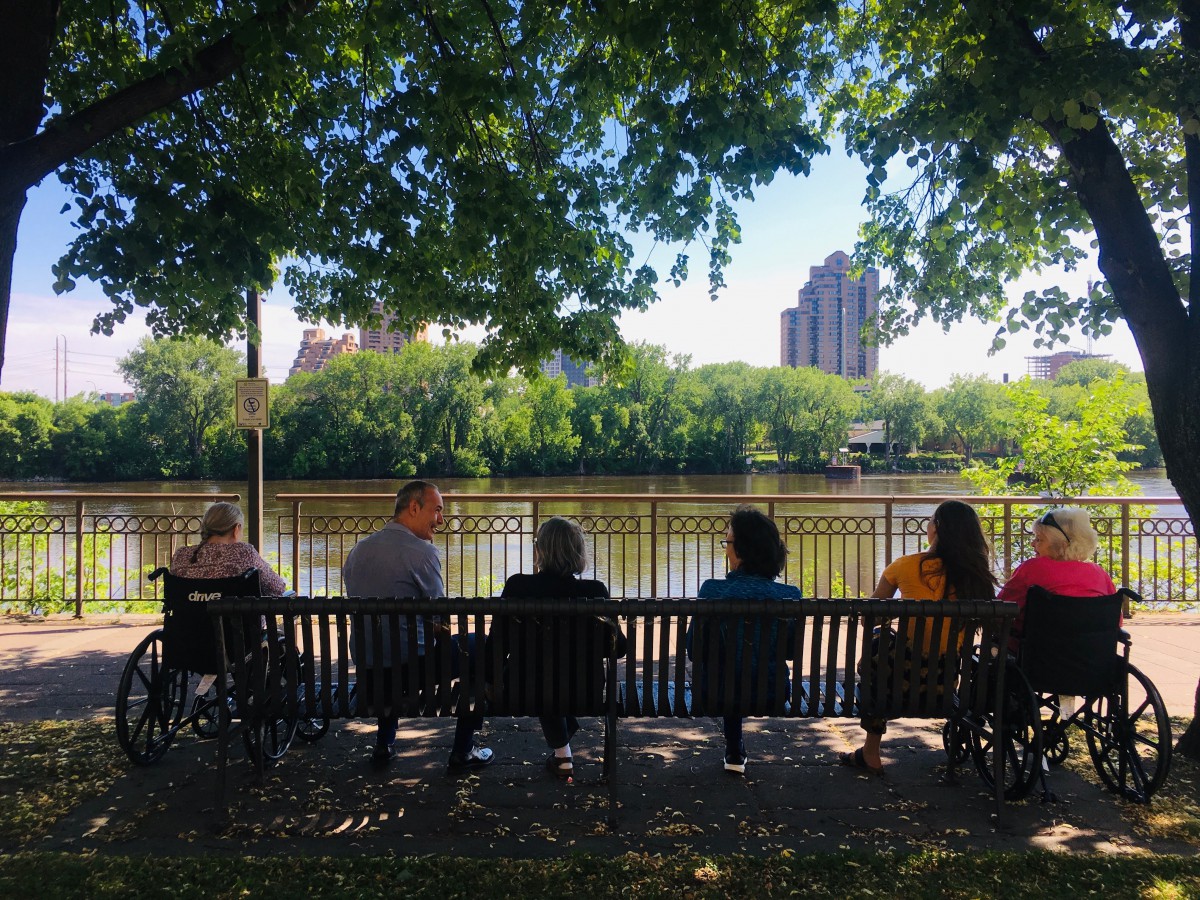
Many reviews mention being close to major cultural venues, plus easy access to restaurants and walking areas near the river. Visitors also describe it as a good fit for people who like urban life, even when the view or greenery isn’t what everyone expects. Nearby amenities include restaurants and park space within about a tenth to half a mile, supporting the walkable feel reviewers talk about.
caveat2 reviews mention this
Parking and signage can be tricky
Parking access and wayfinding are described as not very intuitive.
Some reviewers specifically mention limited or hard-to-find parking, including signage that isn’t clear to the public. Another comment notes that the visitor ramp parking isn’t intuitive or advertised, which could make the location challenging for some people. These concerns are separate from the overall experience of staff and activities.
How we summarize
Counts show how many written reviews mention each theme; a review can touch several themes, and only frequently mentioned themes are displayed.
Features
Housing
21 resident community capacity
1-bedroom apartments
2-bedroom apartments
3-bedroom apartments
Studio apartments
Types of Care
Assisted Living
Independent Living
Memory Care
Pets
Cats allowed
Dogs allowed
Amenities
Activities off-site
Activities on-site
Air-conditioning
Beautician on-site
Beauty salon
Cable or satellite TV
Cafe
Devotional services off-site
Dining room
Fireplaces
Full kitchen
Fully furnished
Garden
Ground floor units
Guasts at mealtime
Guest parking
Handicap accessible
Housekeeping services
Indoor common areas
Kitchenette
Laundry
Move-in coordination
Outdoor common areas
Outdoor space
Overnight guests
Party space
Private cleaning services
Resident parking
Respite or short term stays offered
Security gate
TV room
Telephone
Wheelchair accessible showers
Wi-Fi/high-speed internet available
Transportation
Minneapolis-St Paul International (7 miles away)
Transportation & parking
Care Services
24-hour call system
24-hour supervision
Activities of daily living assistance
Ambulatory care
Assistance with bathing
Assistance with dressing
Assistance with transfers
Coordination with health care providers
Dementia waiver
Diabetes diet
Diabetic care
Hospice care
Hospice waiver
Meal preparation and service
Medication management
Mental wellness program
Mild cognitive impairment
Physical therapy
Special dietary restrictions
Specialized memory care programming
Transportation arrangement (medical)
Transportation to doctors appointments
Dining
Anytime dining
Diabetes diet
Gluten-free
Guest meals
International cuisine
Kosher
Low / no sodium
Meals provided
No Sugar
Professional chef
Restaurant style dining
Room service
Special dietary restrictions
Vegan
Vegetarian
Activities
Activities off-site
Art classes
Arts and crafts
Book club
Community-sponsored activities
Cooking classes
Cooking club
Day trips and outings
Devotional activities offsite
Educational speakers / life long learning
Fitness programs
Games
Gardening club
Happy hour
Karaoke
Live dance or theater performances
Live musical performances
Live well programs
Religious services
Scheduled daily activities
Stories
Stretching classes
Wine tasting
Yoga / chair yoga
Nearby Places of Interest
This part of Minneapolis, Minnesota offers a variety of amenities that may be appealing to seniors looking for a convenient and vibrant community. With several restaurants nearby such as Owamni and Spoon And Stable, there are plenty of dining options to explore. Additionally, there are several parks in the area including Mill Ruins Park and Loring Park, providing opportunities for outdoor recreation and relaxation. For medical needs, there are hospitals such as Hennepin County Medical Center and pharmacies like Walgreens conveniently located within close proximity. Places of worship such as Westminster Presbyterian Church offer spiritual support and community connections. Overall, this neighborhood offers a mix of dining options, green spaces, healthcare facilities, and cultural attractions making it a potentially attractive option for senior living in Minneapolis.
Abiitan Mill City offers competitive pricing for its living spaces compared to both Hennepin County and the broader state of Minnesota. For a one-bedroom unit, residents enjoy a cost of $1,537, significantly lower than the county average of $3,550 and the state average of $2,893. The studio apartments at Abiitan are priced at $1,719, again undercutting the county's average of $3,713 and only slightly above the state's figure of $3,617. For those needing more space, the two-bedroom option is available at $2,396, which is notably less than Hennepin County's average of $3,848 while remaining below Minnesota's overall average of $2,955. This pricing structure positions Abiitan Mill City as an appealing choice for individuals seeking quality living arrangements without the steep costs typically associated with urban settings.
Abiitan Mill City's comprehensive features are specifically designed to enhance the quality of life for residents with dementia or Alzheimer's disease. The 24-hour supervision ensures constant safety and support, while assistance with activities of daily living--such as bathing, dressing, and transfers--promotes independence in a secure environment. Coordination with health care providers allows for tailored medical care, complemented by the dementia waiver which ensures appropriate services are available. Meal preparation and service cater to dietary needs, promoting nutrition, while medication management helps prevent complications associated with polypharmacy. The mental wellness program addresses emotional health through structured activities aimed at reducing anxiety and fostering cognitive engagement. Furthermore, specialized memory care programming focuses on techniques that enhance memory function and quality interactions. Physical therapy supports mobility and physical well-being, while transportation arrangements facilitate access to necessary medical appointments, thus ensuring holistic care for residents in various stages of cognitive decline.
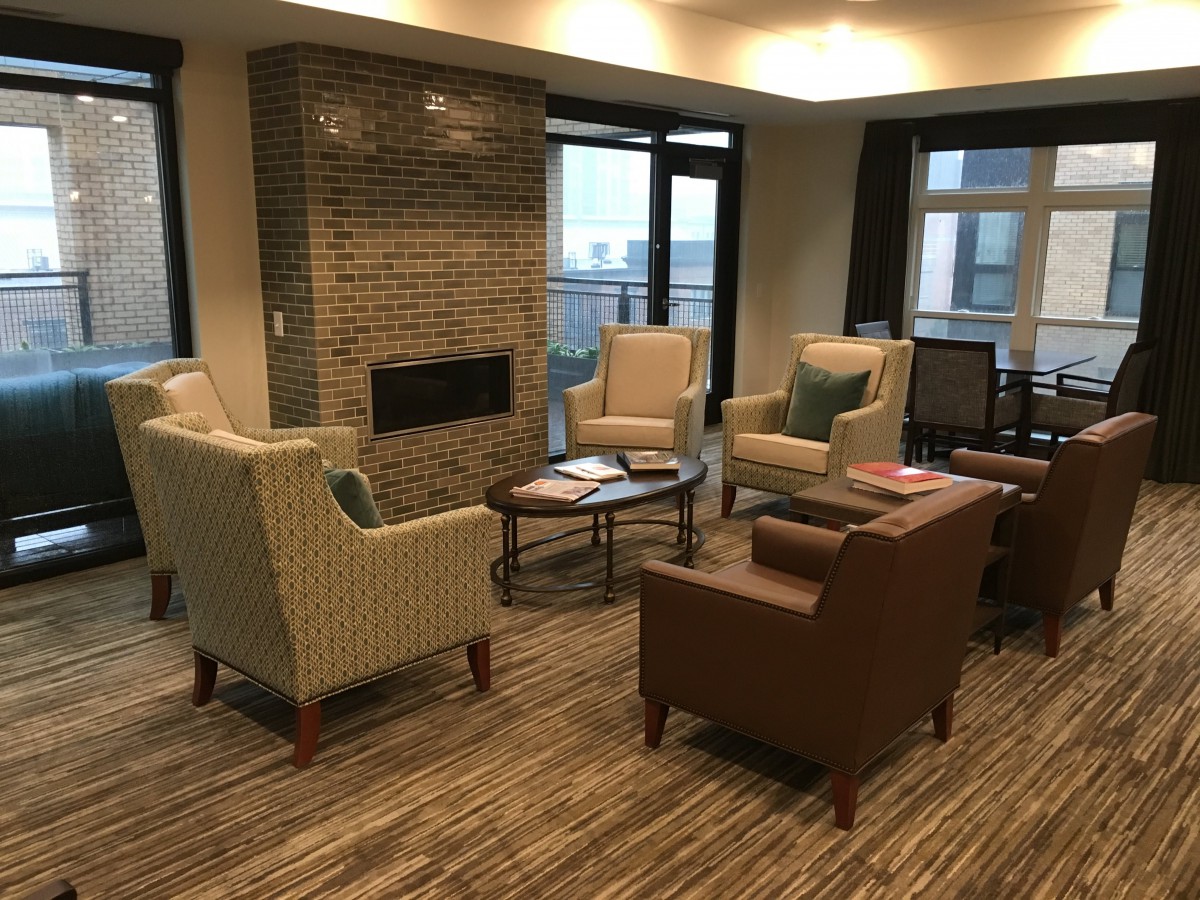
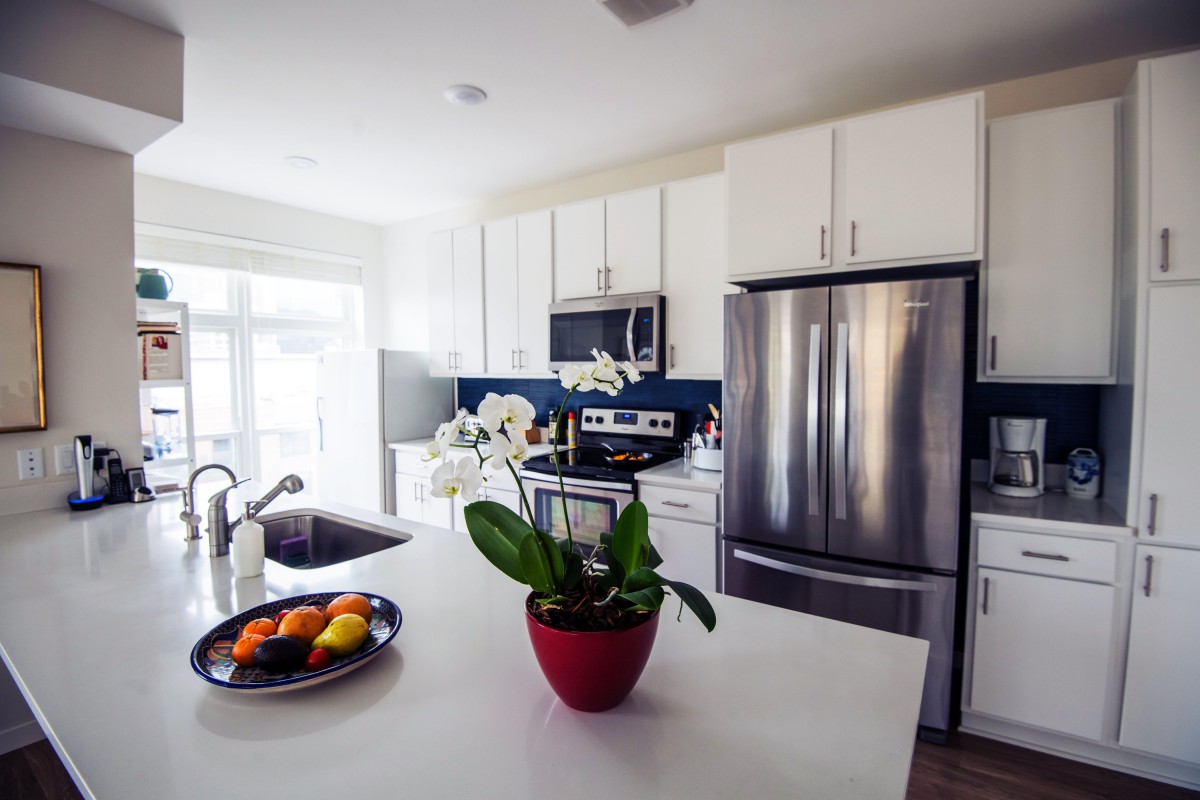
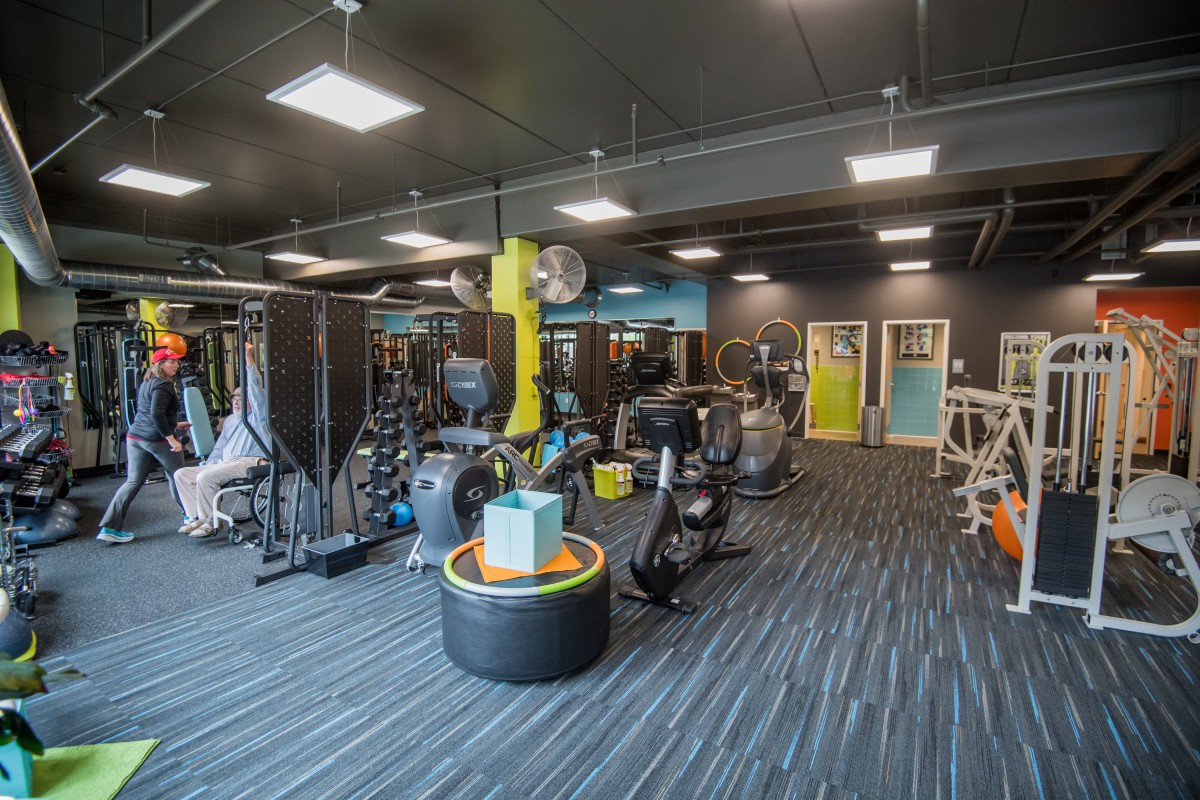
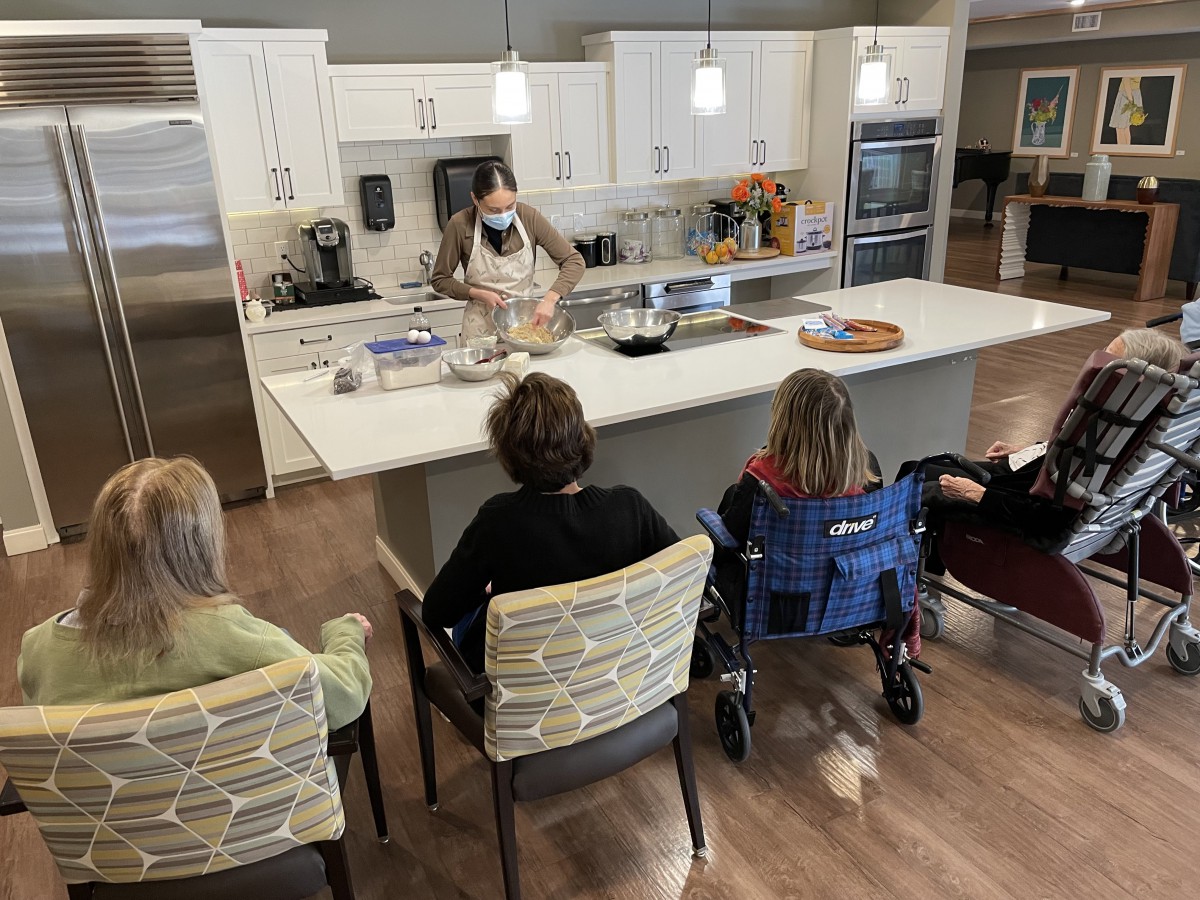
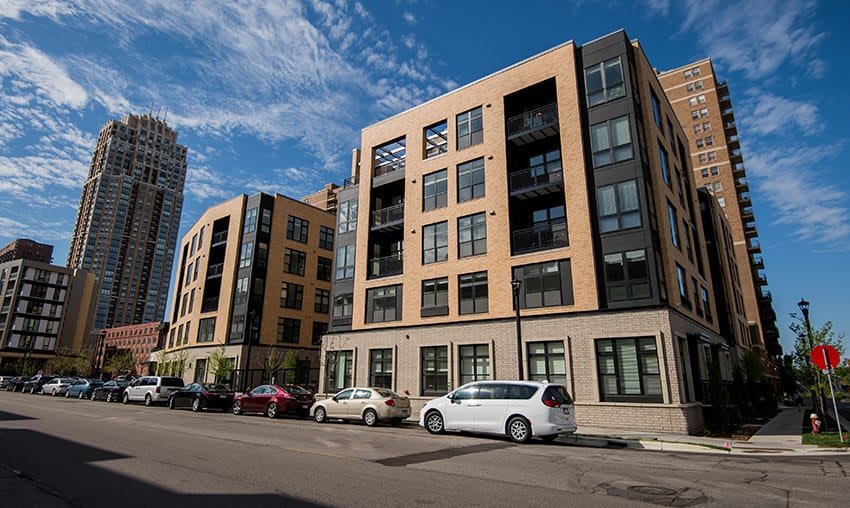
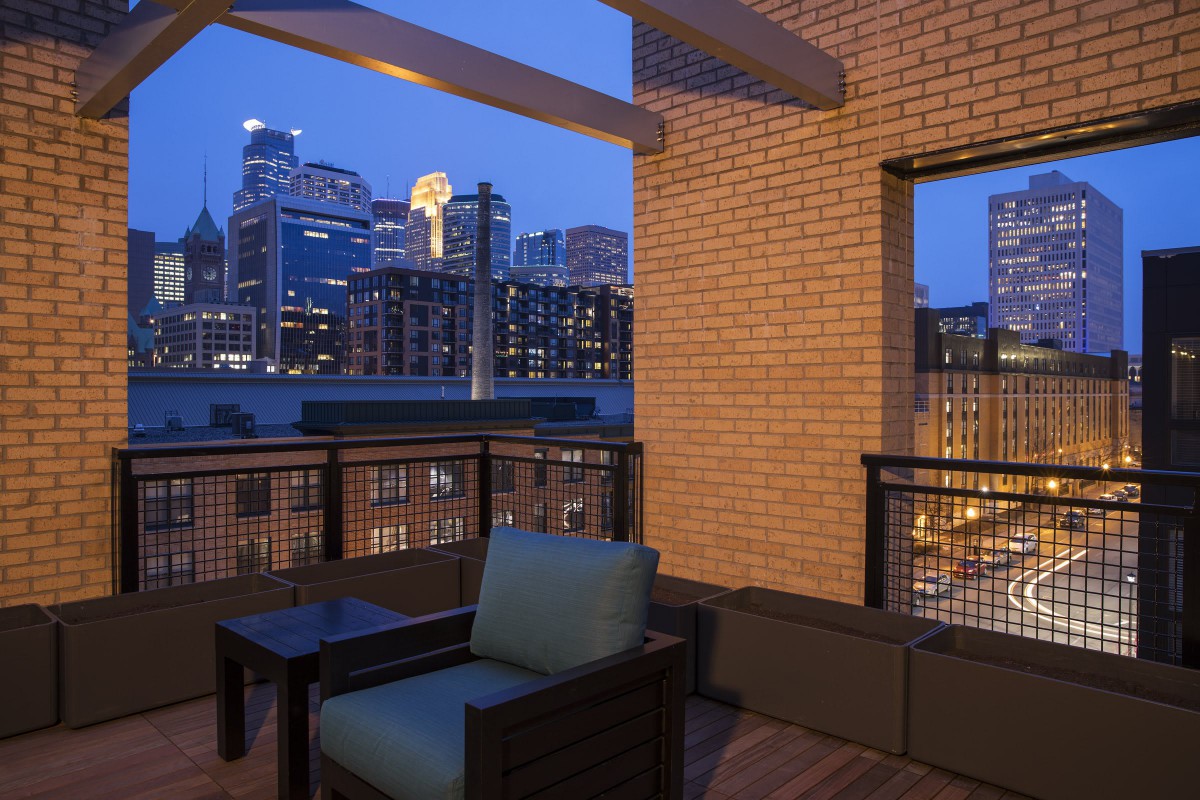
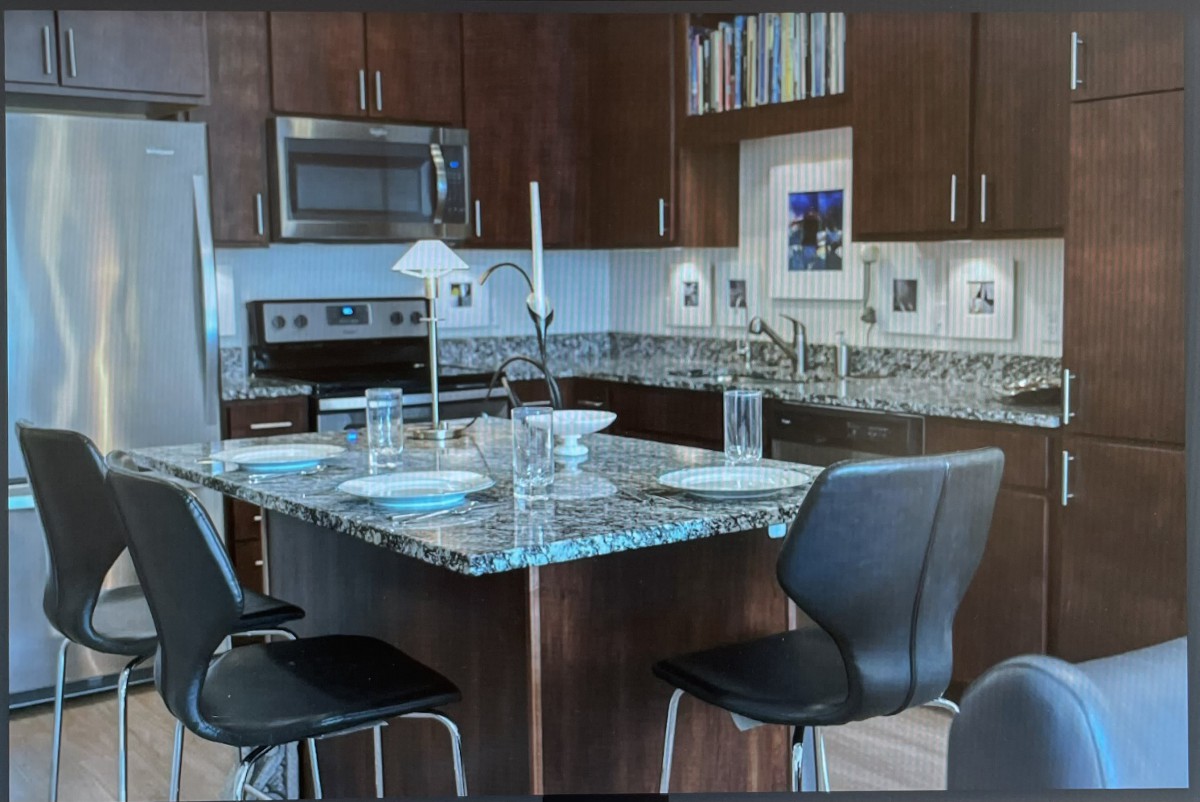
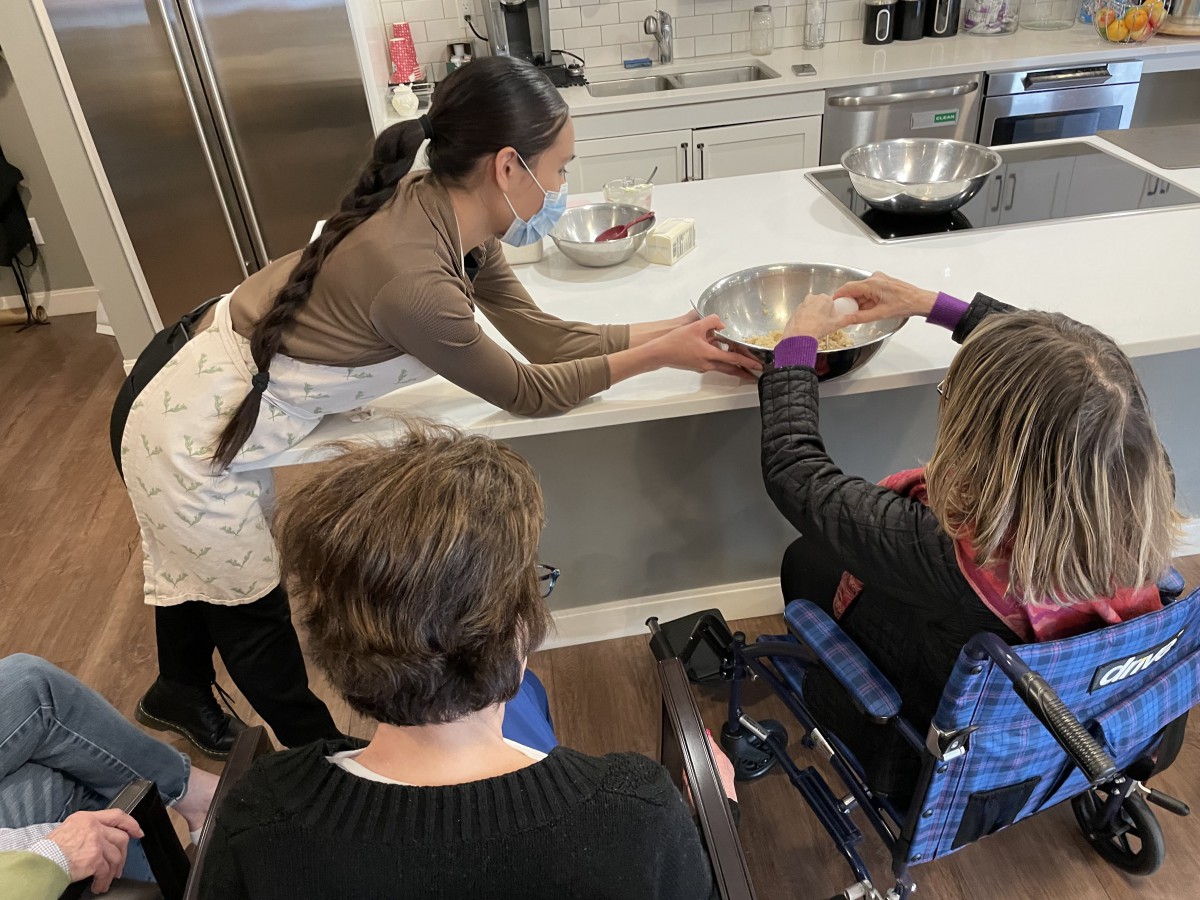
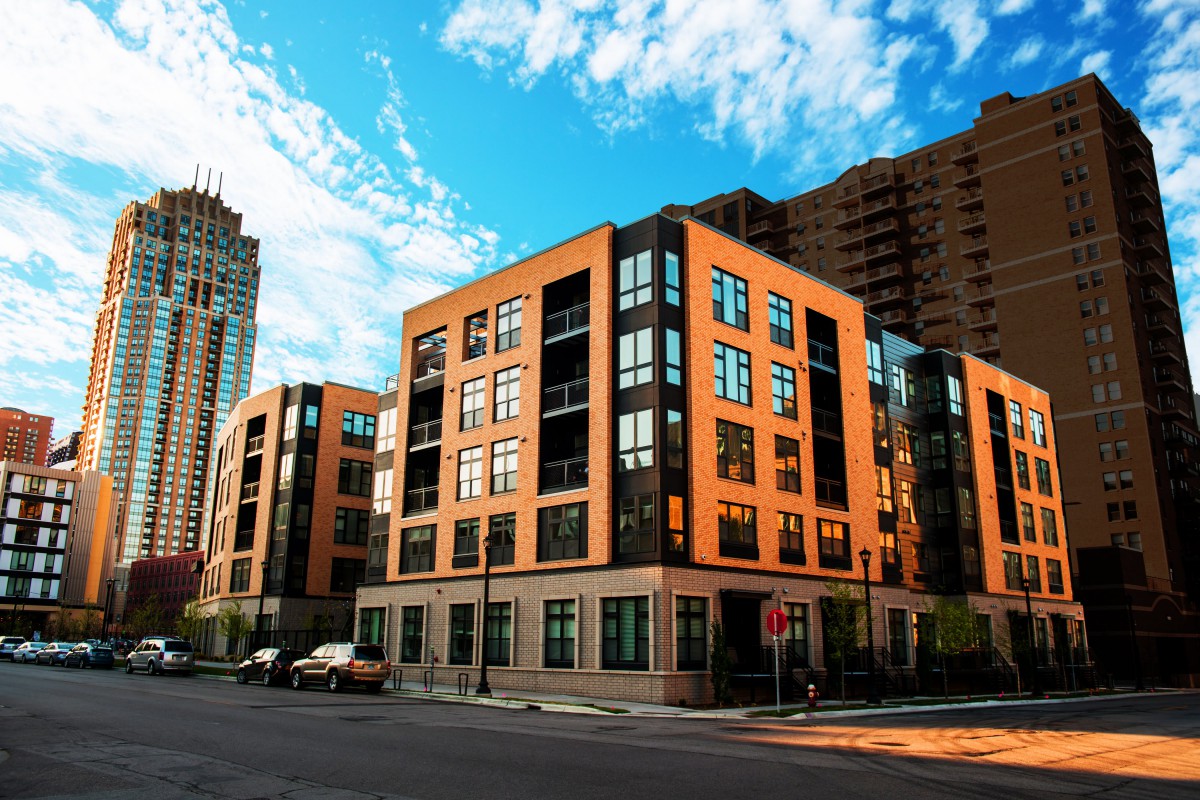
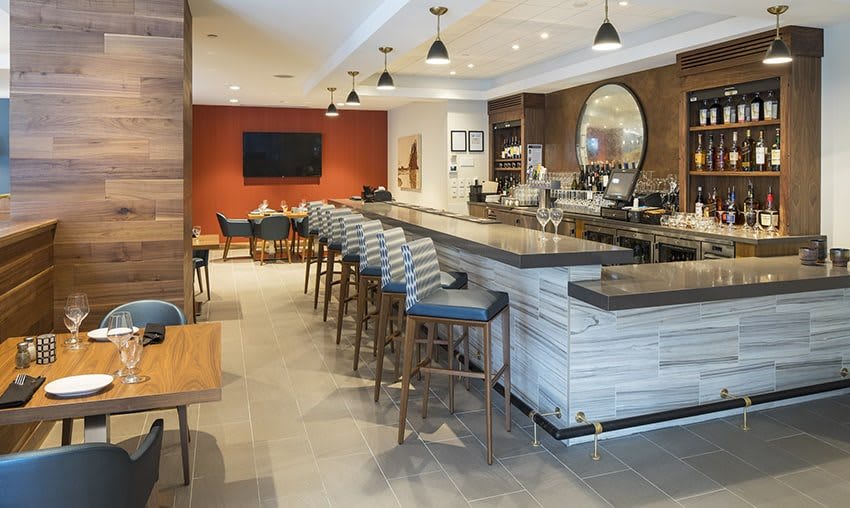
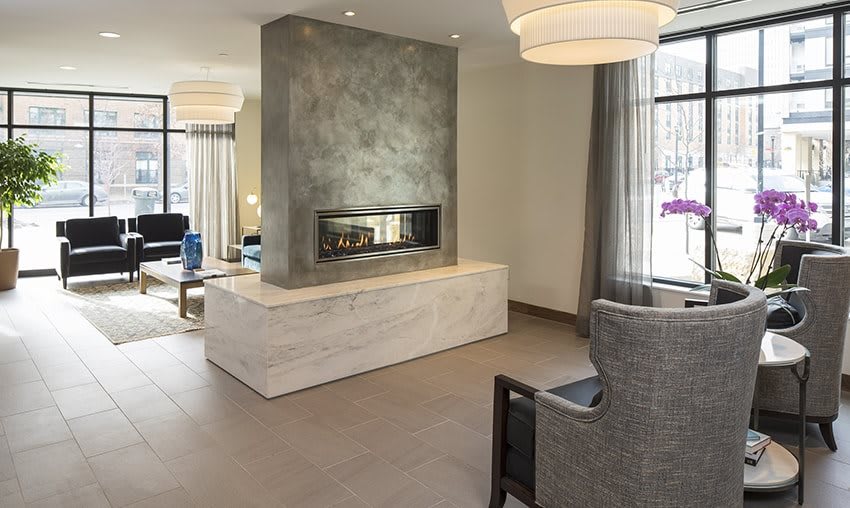
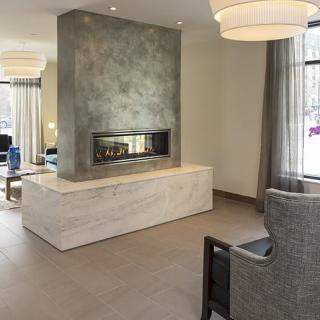
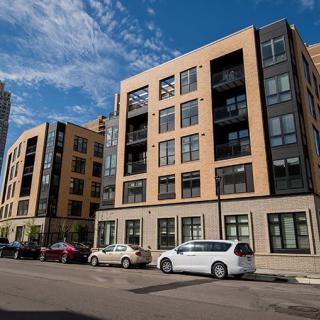
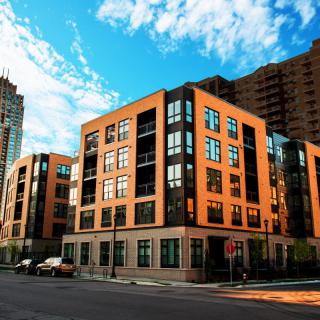
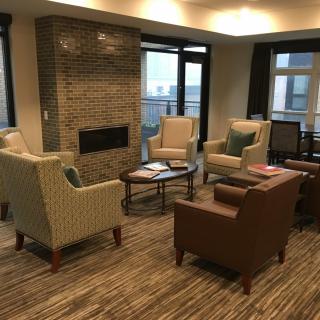
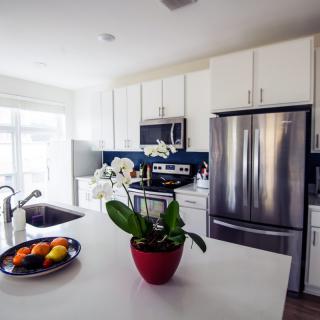
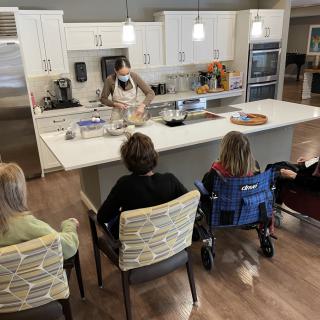
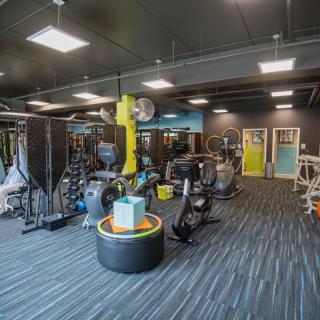
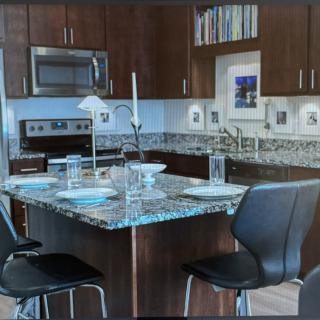
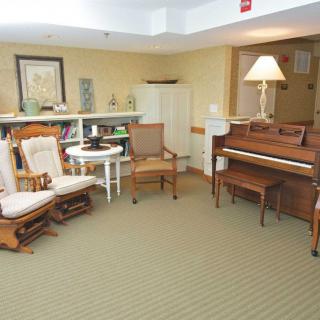
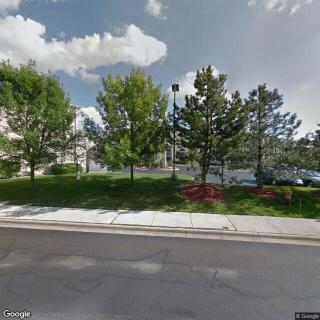
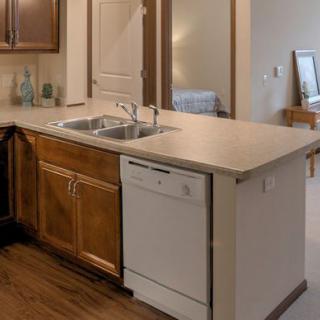
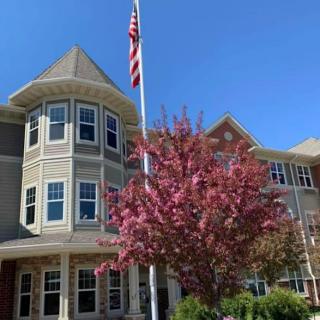
Abiitan Mill City on seniors.fyi includes 15 photos including images showing interior, urban, kitchen, living room, architecture, fireplace, windows, exercise equipment, and more.
Nearby Communities
The Terraces Memory Care at Abiitan
Minneapolis, MN
$2,450 to $7,250 / month
Specialized memory care with personalized care and engaging activities plus extensive dining options.
Millers Landing
Minneapolis, MN
2.7 from 7 reviews
Memory-care-focused with 24/7 supervision, dementia programming, and coordinated care.
Miller's Landing
Minneapolis, MN
3 from 9 reviews
$2,200 to $5,600 / month
Warm memory-care community with engaging on-site activities and proactive efforts to improve family visits.
Comprehensive Home Care, Inc
Minneapolis, MN
5 from 7 reviews
Strong access to healthcare, dining, parks, and transit in a vibrant neighborhood.
1-Belevo Health Services
Minneapolis, MN
Fully furnished rooms with 24-hour supervision and medication management.
Alliance Group Home
Minneapolis, MN
4 from 2 reviews
Fully furnished apartments with 24/7 supervision, medication management, and restaurant-style dining.
The Estates At Chateau
Minneapolis, MN
3 from 27 reviews
$3,600 / month
Affordable private-room price with extensive on-site services.
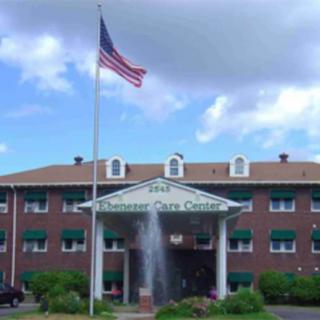
Ebenezer Care Center
Minneapolis, MN
4.2 from 10 reviews
Initial tours showed safety and accessible activity areas.
Signe Burckhardt Manor
Minneapolis, MN
3.9 from 14 reviews
Strong, supportive community with satisfied staff and residents, plus affordable housing options.
The article differentiates between assisted living and memory care, explaining that assisted living supports seniors with daily activities while promoting independence, whereas memory care provides specialized services for individuals with dementia, focusing on secure environments and cognitive support. It also addresses staff training, safety considerations, costs, family involvement, and transition strategies for families navigating these care options.
The article outlines effective communication strategies for interacting with loved ones with dementia, highlighting the need for empathy, patience, and understanding while emphasizing supportive approaches like using simple language, minimizing distractions, and focusing on feelings over facts to maintain dignity and foster connection. It also suggests seeking professional guidance when needed as communication challenges evolve.
VA nursing homes, or Community Living Centers (CLCs), offer tailored long-term care for veterans, featuring medical attention and rehabilitation in a supportive environment. The guide covers facility types, eligibility criteria, financial assistance options, quality of care standards, and alternatives to full-time nursing home placement.
Exercise Equipment, Gym, Fitness Center, Workout Space, and Excercise Equipment
Appliances
Balcony
Lights
Urban
Apartment Building
Stove
Design and Fridge
Modern Interior
Cooking
Get PricingAsk A QuestionSchedule A TourContact Senior Advisor
By clicking submit, you agree to our Partner's Terms of Use. You
also consent to receive calls and texts, which may be autodialed, from our Partner. Your consent is not a condition to
using our Partner's service. Please visit our Partner's Privacy Policy for information about their privacy practices.











 21 resident community capacity
 1-bedroom apartments
 Assisted Living
 Independent Living
 Memory Care
 Cats allowed
 Dogs allowed
 Activities off-site
 Air-conditioning
 Beautician on-site
 Cable or satellite TV
 Cafe
Cafe Devotional services off-site
 Dining room
 Fireplaces
 Full kitchen
 Fully furnished
 Garden
 Ground floor units
 Guest parking
 Handicap accessible
 Housekeeping services
 Indoor common areas
 Laundry
 Move-in coordination
 Outdoor common areas
 Overnight guests
 Party space
 Respite or short term stays offered
 Security gate
 Telephone
 Wheelchair accessible showers
 Wi-Fi/high-speed internet available
 Minneapolis-St Paul International (7 miles away)
 Transportation & parking
 24-hour call system
 Ambulatory care
 Assistance with bathing
 Assistance with dressing
 Assistance with transfers
 Diabetes diet
 Diabetic care
 Hospice care
 Meal preparation and service
 Medication management
 Mental wellness program
 Physical therapy
 Special dietary restrictions
 Transportation arrangement (medical)
 Art classes
 Book club
 Cooking classes
 Day trips and outings
 Educational speakers / life long learning
 Fitness programs
 Games
Games Happy hour
 Karaoke
 Live dance or theater performances
 Live musical performances
 Live well programs
 Wine tasting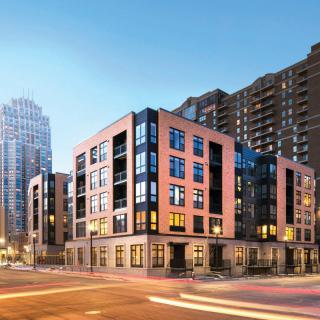
 Specialized memory care with personalized care and engaging activities plus extensive dining options.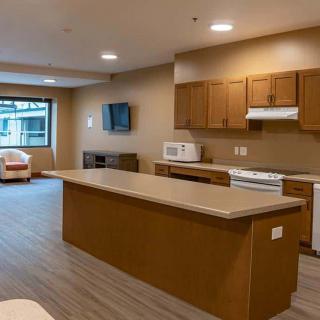



 Understanding the Distinctions: Assisted Living and Memory Care Explained
 How to Communicate with a Loved One Living with Dementia: 10 Supportive Strategies
 Comprehensive Guide to VA Nursing Homes: A Crucial Long-Term Care Resource for Veterans