









Millers Landing in Minneapolis, MN

Save

  • Interior

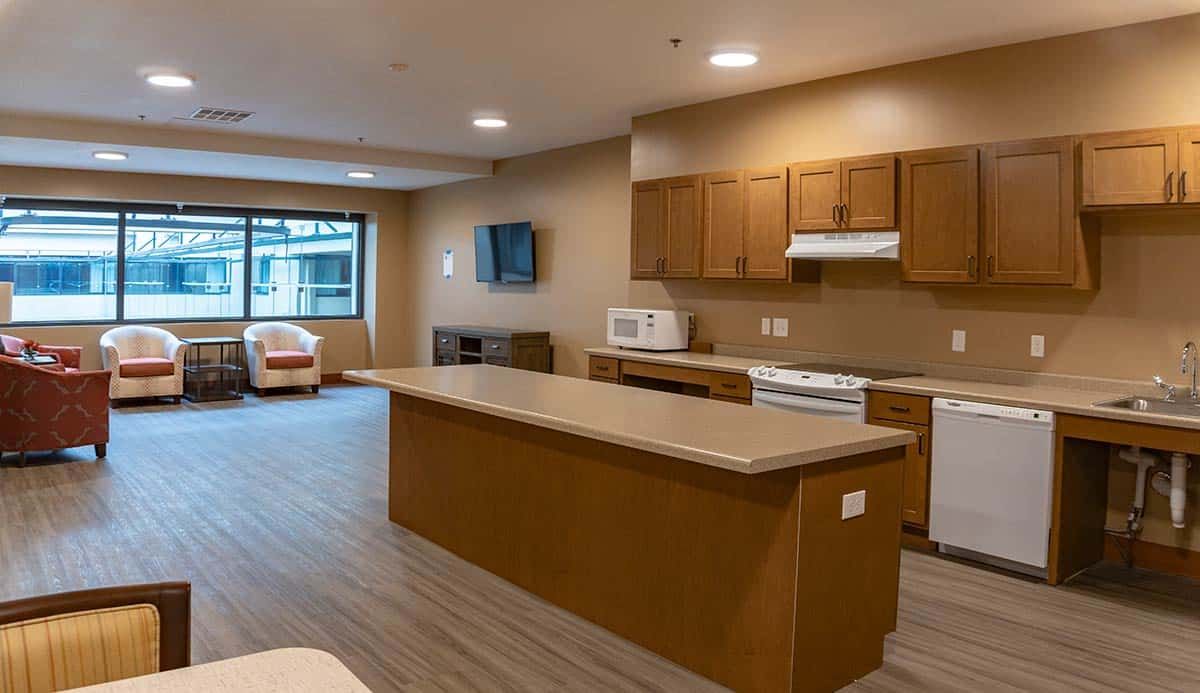
    A modern kitchen with wooden cabinetry and a large island countertop, featuring appliances like a microwave and stove, connected to a living area.
  • Decor

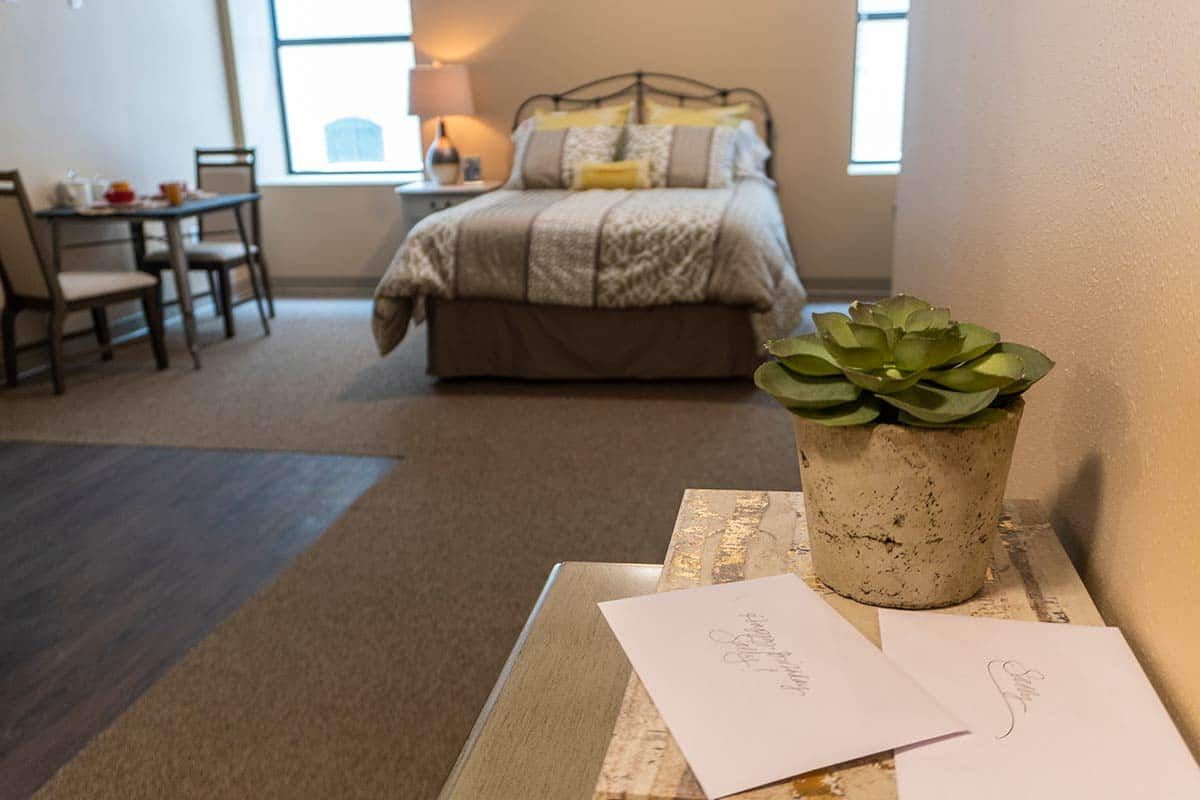
    A cozy and minimalist bedroom with a comfortable bed, soft lighting from lamps, and a desk with a chair.
  • Living Room

    A modern living room with a mix of striped and solid-colored furniture, featuring large windows and contemporary decor.
  • Architecture

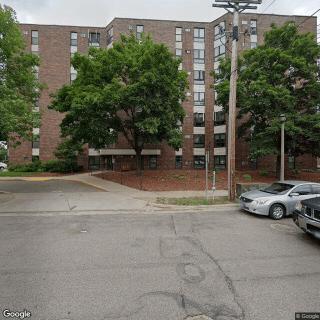
    A vibrant city skyline with a mix of modern skyscrapers and historic architecture under a partly cloudy sky.
  • Bedroom

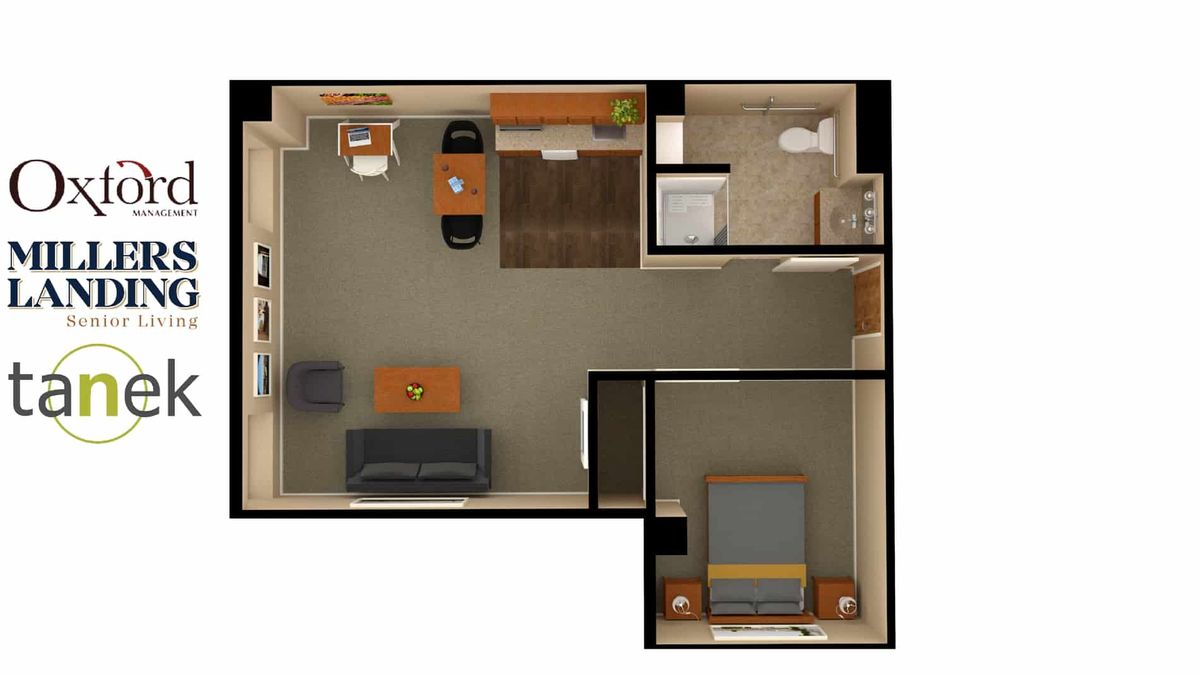
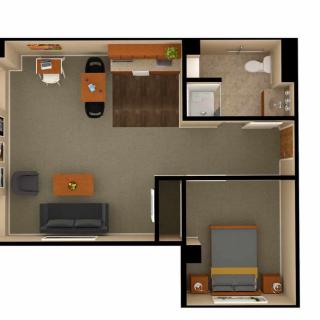
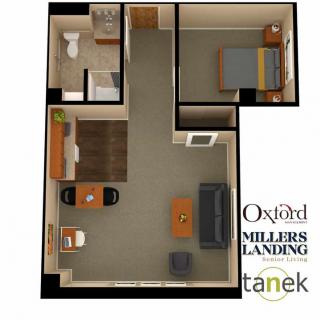
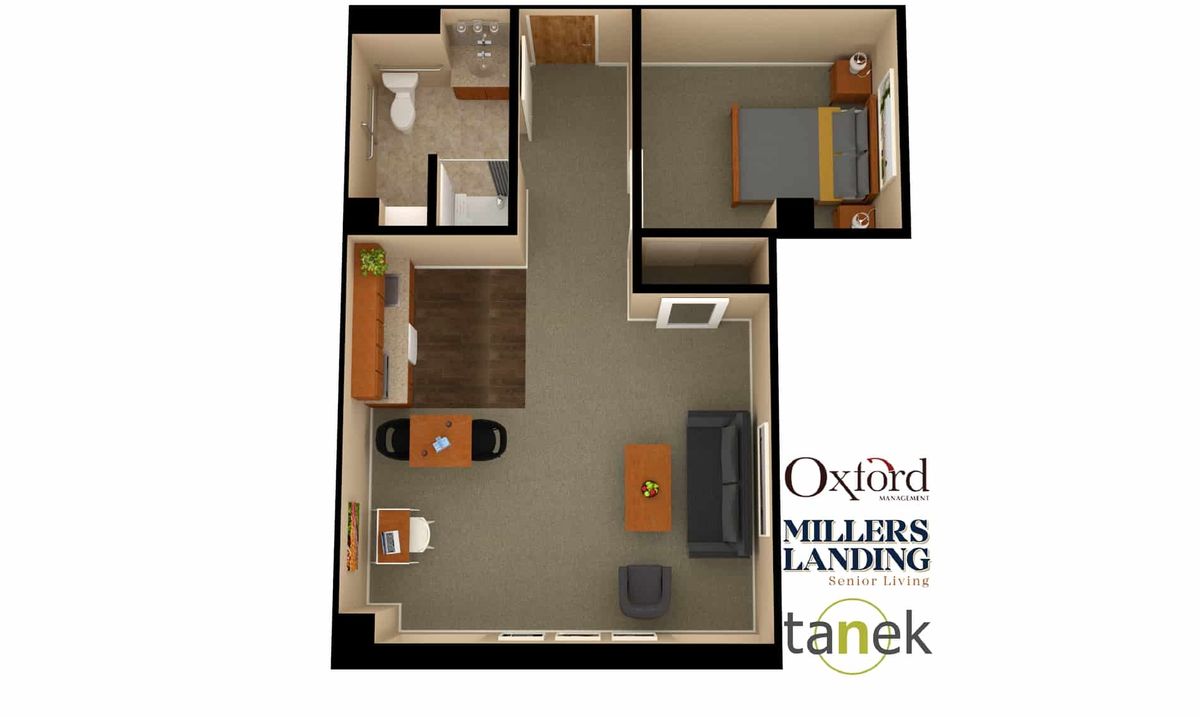
    A floor plan of a one-bedroom apartment featuring a living room, kitchen, and bathroom.
  • Windows

    A cozy bedroom with a neatly made bed, a lamp, and a comfortable chair by the window.
  • Dining

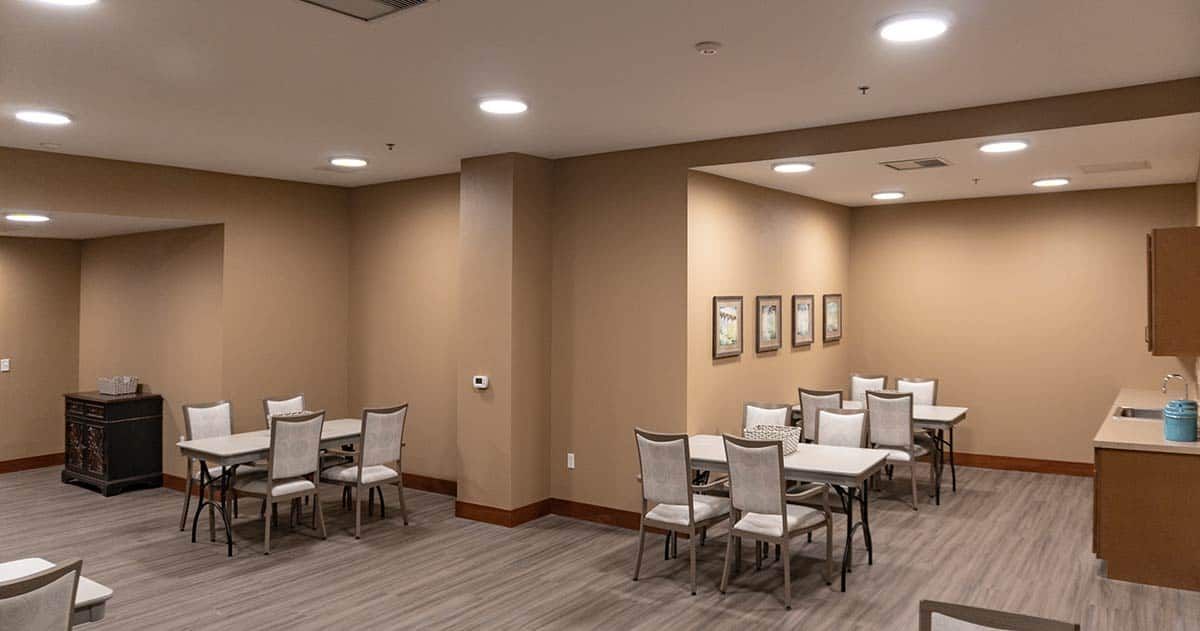
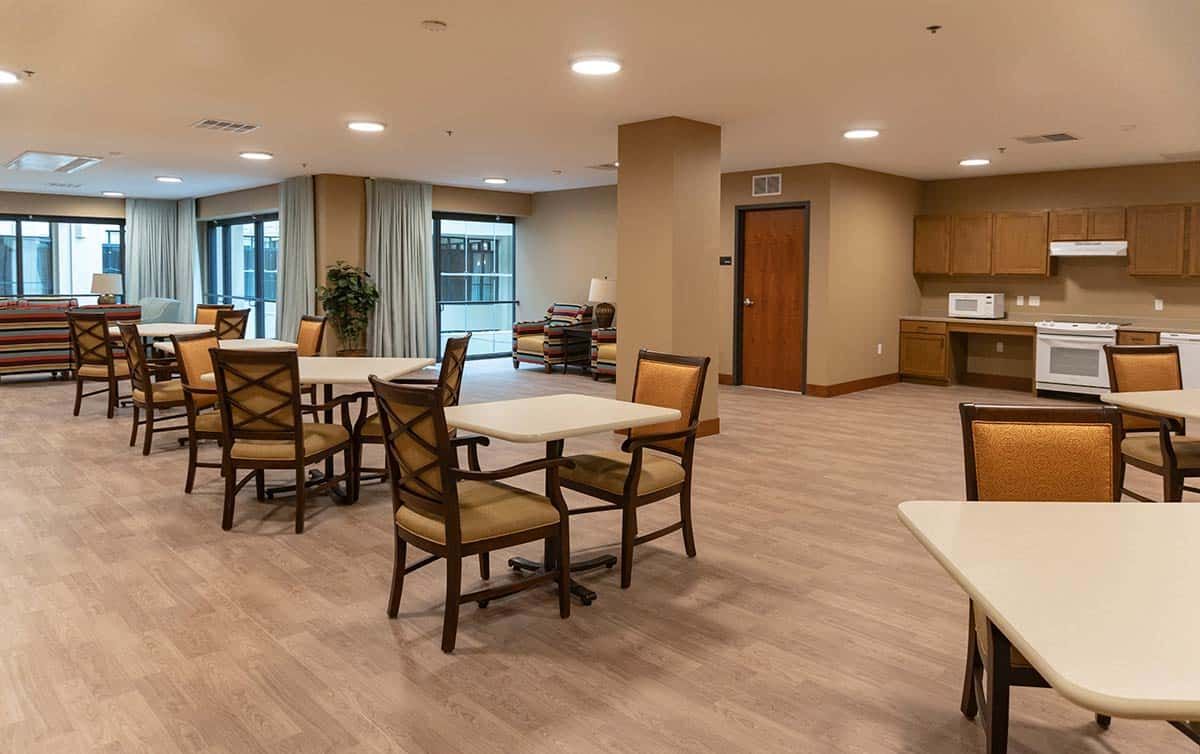
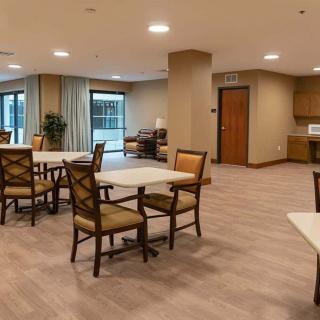
    A modern dining area with tables and chairs, featuring wood flooring and ample seating.
  • Lighting

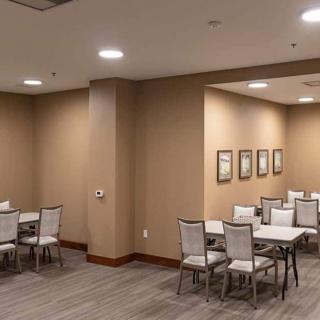
    An empty conference room with tables and chairs arranged neatly, adorned with wall art.
  • Artwork

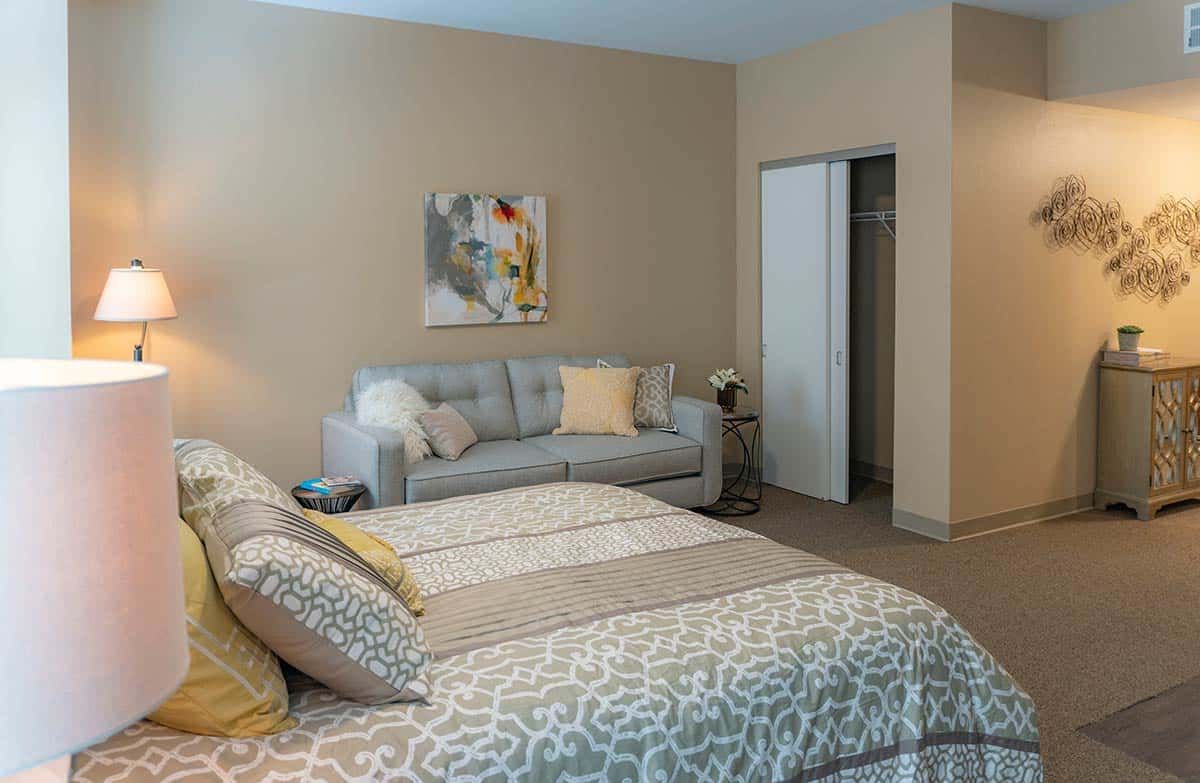
    A cozy bedroom with a bed, sofa, and artwork on the wall.
  • Seating Area

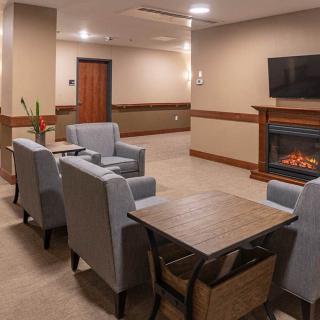
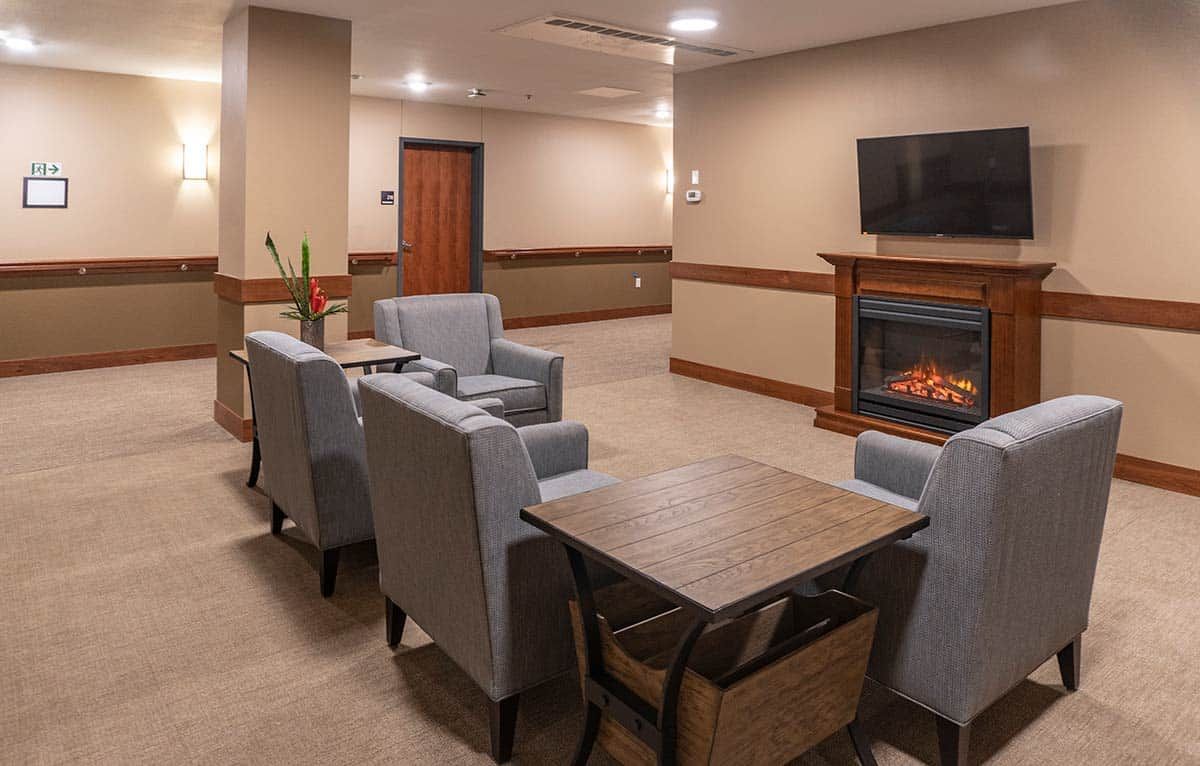
    Cozy lounge area with modern seating and a fireplace.
  • Floor Plan

    A floor plan of a studio apartment featuring a living area, kitchen, bedroom, and bathroom.
  • Television

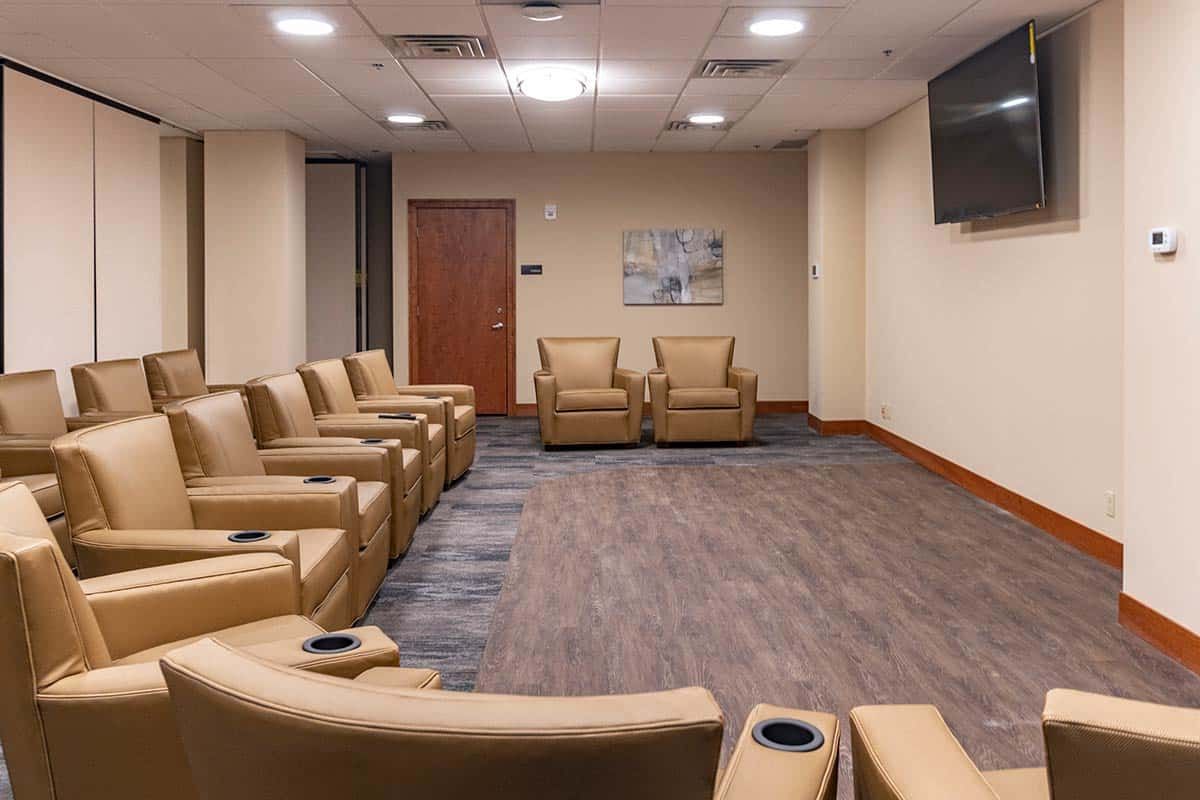
    A modern waiting room with comfortable armchairs and a television.
  • Natural Light

    A modern indoor seating area with wooden furniture and greenery accents, located in a well-lit atrium.
  • Kitchenette

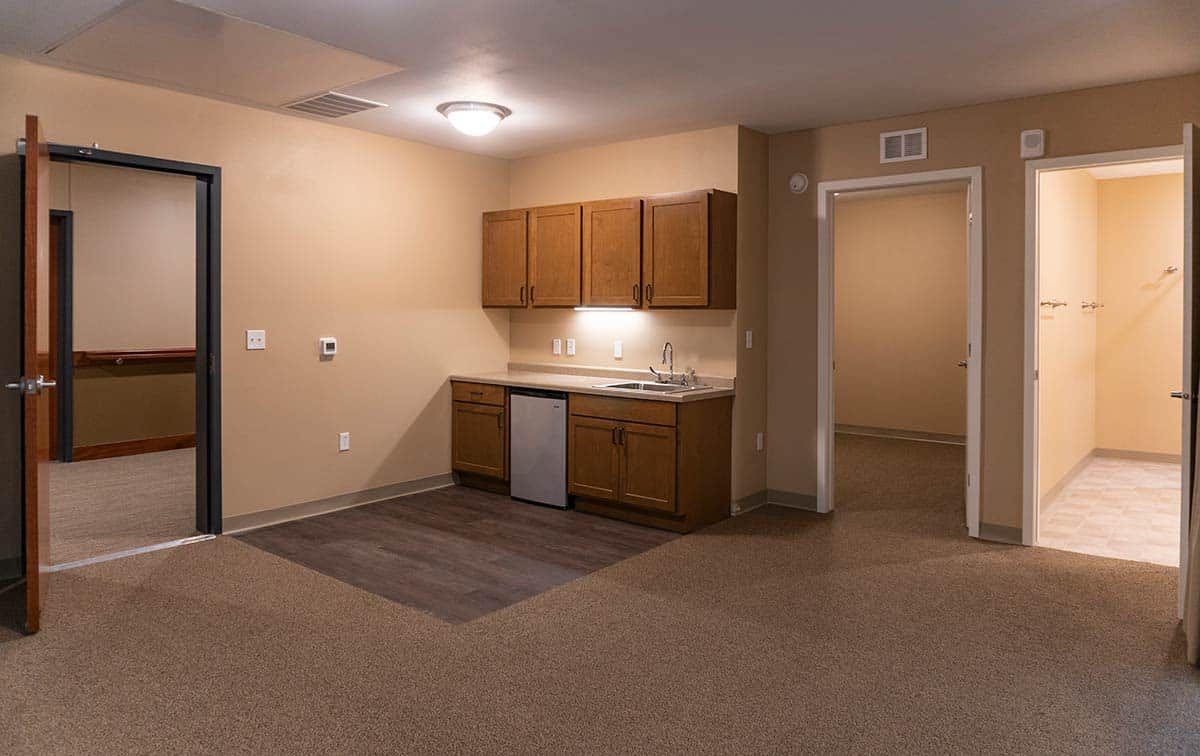
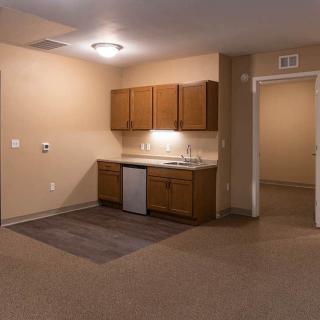
    A minimalist kitchen area with brown cabinets and beige walls in an empty apartment.

Millers Landing in Minneapolis, MN

155 5Th Avenue South, Minneapolis, MN 55401

For more information about senior living options: (844) 490-3973

2.7 from 7 reviews
5 stars
3
4 stars
0
3 stars
0
2 stars
0
1 stars
4

Assisted Living Memory Care

Overall Review of Millers Landing

Pros

  • pro The staff are supportive, caring, and professional.
  • pro The staff are affectionate and greet guests warmly.
  • pro Guests feel safe and are treated with respect.
  • pro The neighborhood is awesome.
  • pro The location, pricing, and food are amazing.
  • pro The solarium is outstanding.

Cons

  • pro This place is horrible and should be reported to the government.
  • pro Patients are ignored.
  • pro They don't clean the rooms.
  • pro Their special diets are ignored.
  • pro The establishment is trash.
  • pro Loved ones should not be brought here.
  • pro They never got in because the receptionist was gone.
  • pro Visitors waited 30 minutes.

Review

Millers Landing is best suited for seniors and families who want a warm, people-centered environment on a sensible budget, with a strong emphasis on personal attention from caregivers and a social, neighborly feel. This community tends to reward residents who value daily interactions with attentive staff, a homelike atmosphere, and good meal quality. It can be a compelling choice for those who prioritize the human side of care and the affordability that comes with a more intimate operation. Prospective residents who demand absolute administrative consistency and ironclad daily routines should enter with tempered expectations, recognizing that those elements can be uneven here.

Those who should seriously consider alternatives include families requiring highly reliable front-desk access and drop-in responsiveness. Several reviews flag administrative irregularities - receptionists unavailable during key visiting windows and delays that impede family involvement. For residents who need rigid adherence to medical or dietary plans, or who rely on a spotless environment and flawless housekeeping, the inconsistency in care and cleanliness may outweigh any perceived charm. In short, Millers Landing can feel like a home, but it may not deliver the steady oversight and rigor some families expect.

On the upside, the strongest, most repeated positives center on the caregiving culture and the resident experience. Staff are described as supportive, professional, affectionate, and genuinely engaged, with residents feeling safe and treated with respect. The location and pricing architecture are appealing, and the menu earns praise for flavor and quality, turning meals into meaningful daily joys rather than mere sustenance. The solarium and general social energy - plus staff who welcome visitors without ceremony - contribute to a lively, home-like atmosphere that many families find compelling.

But the negatives are stark and cannot be dismissed. Some reviews depict neglectful or inattentive care, with explicit calls for health-system scrutiny and even government involvement. Cleanliness issues and a lack of adherence to special diets appear as recurring concerns, undermining trust in daily operations. Administrative gaps - missed visits, slow or unavailable front-desk service, and inconsistent tours - compound worries about safety and reliability. The most caustic descriptions - phrases like "trash establishment" - signal a credibility problem that weighs heavily against the otherwise positive caregiver narrative.

The key dynamic to weigh is how the warm, person-centered care and affordable pricing stack up against the administrative and operational gaps. The human touch, strong meals, and comfortable social environment provide meaningful quality-of-life gains that do help residents thrive in daily living. Yet those gains can be overshadowed by lapses in care oversight, access barriers for family involvement, and uneven cleanliness. In practical terms, the pros matter deeply for day-to-day lived experience, but the cons can erode safety and confidence if not actively managed.

For families considering Millers Landing, a disciplined, proactive approach is essential. Plan a multi-timed visit to observe receptionist coverage and tour availability, request a clear, written care plan that codifies dietary requirements, and ask for recent incident or complaint history. Engage directly with staff about daily routines, housekeeping standards, and how dietary requests are handled. If choosing Millers Landing, set a schedule for regular updates and insist on measurable accountability from the administrator or director. If these assurances cannot be obtained, or if cleanliness and reliable access remain uncertain, it is prudent to widen the search to facilities with stronger, more consistent oversight and documented quality controls.

Features

Housing

  • 21 resident community capacity 21 resident community capacity

Types of Care

  • Assisted Living Assisted LivingAssisted living facilities provide crucial support and care for seniors who may need help with daily tasks such as medication management, bathing, and meal preparation. These communities offer a safe and comfortable environment where seniors can maintain their independence while receiving the assistance they need to thrive in their golden years.
  • Memory Care Memory CareMemory care is crucial for seniors as it provides specialized support and services for individuals with dementia or Alzheimer's disease. These programs offer a safe and secure environment where residents receive personalized care, cognitive stimulation, and help with daily activities. Memory care helps seniors maintain their independence, quality of life, and dignity while also providing peace of mind for their families.

Amenities

  • Beauty salon Beauty salonBeauty salons are important for seniors because they provide a space for them to feel pampered, socialize, and maintain their personal grooming and hygiene. Regular visits to a beauty salon can help boost seniors' self-esteem and overall well-being.
  • Cable or satellite TV Cable or satellite TVCable or satellite TV is important for seniors because it provides entertainment, news, and companionship, helping to combat loneliness and boredom. It also offers a wide range of programming options tailored to different interests and preferences.
  • Dining room Dining roomDining rooms are important for seniors as they provide a space for socialization, connection, and nutritious meals. They offer opportunities for residents to bond over shared meals, foster a sense of community, and promote healthy eating habits. Dining rooms also ensure that seniors have access to well-balanced meals tailored to their dietary needs and preferences.
  • Fully furnished Fully furnishedFully furnished senior living communities are important for seniors because they provide convenience, comfort, and a hassle-free moving experience. Seniors can easily settle into their new living space without the stress of having to buy and move furniture. This allows them to focus on enjoying their new home and community.
  • Garden GardenGardens are important for seniors as they provide a peaceful and therapeutic environment for relaxation, physical activity, and socialization. Being in nature has been shown to reduce stress, improve mood, and promote overall well-being. Gardens also offer opportunities for seniors to engage in gardening activities, which can improve mobility, flexibility, and cognitive function. Additionally, gardens create a sense of community and connection with others who share a passion for plants and outdoor spaces.
  • Housekeeping services Housekeeping servicesHousekeeping services are important for seniors because they help maintain a clean and safe living environment, promote independence, and reduce the risk of accidents or illnesses. Additionally, having assistance with household chores can alleviate physical strain and allow seniors to focus on other aspects of their well-being.
  • Kitchenette KitchenetteKitchenettes are important for seniors living in senior living communities because they provide the convenience and independence of being able to prepare simple meals and snacks in the comfort of their own living space. This can help promote a sense of autonomy and well-being for seniors, allowing them to maintain some level of control over their dietary choices and daily routines.
  • Move-in coordination Move-in coordinationMove-in coordination is important for seniors because it helps ease the transition into their new living environment. It ensures that all logistics, such as packing, organizing movers, and setting up utilities are taken care of, allowing seniors to focus on settling in and adjusting to their new home. Having a smooth move-in process can alleviate stress and anxiety, making the transition smoother and more enjoyable for seniors.
  • Outdoor space Outdoor spaceOutdoor spaces are important for seniors as they provide opportunities for physical activity, social interaction, exposure to natural light and fresh air, and a sense of connection to nature. Having access to outdoor spaces can improve overall well-being and quality of life for older adults living in senior communities.
  • Telephone TelephoneTelephones are important for seniors as they provide a lifeline for communication with loved ones, emergency services, and healthcare providers. They offer a sense of security and independence, enabling seniors to stay connected and access assistance when needed.
  • Wi-Fi/high-speed internet available Wi-Fi/high-speed internet availableWi-Fi/high-speed internet is important for seniors to stay connected with loved ones, access online resources, and participate in virtual activities to combat feelings of loneliness and isolation. It also allows them to easily manage healthcare needs, access entertainment, and engage in lifelong learning opportunities.

Transportation

  • Minneapolis-St Paul International (7 miles away) Minneapolis-St Paul International (7 miles away)

Care Services

  • 24-hour call system 24-hour call system24-hour call systems are important for seniors because they provide peace of mind and immediate assistance in case of emergencies. This technology ensures that help is always available, promoting safety and security for elderly individuals living alone or in assisted living facilities.
  • 24-hour supervision 24-hour supervision24-hour supervision is important for seniors to ensure their safety, well-being, and access to immediate assistance in case of emergencies or health issues. This constant support provides peace of mind for both seniors and their loved ones, allowing them to age in place with dignity and security.
  • Activities of daily living assistance Activities of daily living assistanceActivities of daily living assistance are important for seniors because they provide essential support with tasks such as eating, bathing, dressing, and mobility. This assistance helps seniors maintain their independence, dignity, and overall quality of life as they age.
  • Assistance with bathing Assistance with bathingAssistance with bathing is crucial for seniors as it helps maintain personal hygiene, prevents infections, and ensures their overall well-being and comfort. It also provides a sense of dignity and independence for seniors who may struggle with this task on their own.
  • Assistance with dressing Assistance with dressingAssistance with dressing is important for seniors because it helps maintain their independence, promotes personal hygiene, prevents accidents and injuries, and improves overall quality of life. This service ensures that seniors can continue to dress comfortably and confidently, despite any physical limitations they may have.
  • Assistance with transfers Assistance with transfersAssistance with transfers is crucial for seniors as it helps prevent falls and injuries, maintains their independence, and ensures they can safely navigate their living environment. It also provides peace of mind for both seniors and their loved ones.
  • Coordination with health care providers Coordination with health care providersCoordination with health care providers is crucial for seniors to ensure proper medical care, medication management, and overall well-being. This collaboration helps prevent overlapping treatments, track progress more effectively, and provide comprehensive support tailored to individual needs.
  • Dementia waiver Dementia waiverDementia waivers are essential for seniors as they provide critical protections and accommodations for those experiencing cognitive decline. These waivers ensure individuals with dementia receive appropriate care, support, and resources to maintain their quality of life and dignity as they navigate the challenges of this progressive condition.
  • Diabetes diet Diabetes dietA diabetes diet is crucial for seniors as it helps manage blood sugar levels, reduce risks of complications, and improve overall health and well-being. By following a balanced and nutritious diet tailored to their specific needs, seniors can better control their diabetes and enhance their quality of life.
  • Hospice waiver Hospice waiverHospice waivers are important for seniors because they allow individuals to receive specialized end-of-life care and support at home or in a hospice facility. This waiver ensures that seniors can access the necessary resources and services to maintain comfort and dignity during their final days.
  • Meal preparation and service Meal preparation and serviceMeal preparation and service are crucial for seniors as they may have limited mobility or energy to cook nutritious meals. Having access to healthy and convenient food options can ensure they are getting the proper nutrition needed to maintain their overall health and well-being.
  • Medication management Medication managementMedication management is crucial for seniors to ensure they are taking the right medications at the correct dosages and times. This helps prevent adverse drug interactions, reduces the risk of medication errors, and promotes overall health and well-being. Proactive management also allows for adjustments as needed based on changing health conditions or new prescriptions.
  • Mental wellness program Mental wellness programMental wellness programs are essential for seniors as they promote cognitive stimulation, emotional support, and social engagement. These programs help prevent isolation, depression, and cognitive decline, ultimately enhancing the overall quality of life for older adults.
  • Mild cognitive impairment Mild cognitive impairment"Mild cognitive impairment" is important for seniors because it is an early stage of cognitive decline that can potentially progress to more severe conditions such as dementia. Recognizing and addressing mild cognitive impairment can help seniors receive appropriate care and support to maintain their quality of life and independence for as long as possible.
  • Special dietary restrictions Special dietary restrictionsSpecial dietary restrictions are important for seniors because age-related changes in metabolism and health conditions can make it difficult for their bodies to process certain foods. By following a diet tailored to their specific needs, seniors can maintain their overall health and well-being, manage chronic conditions, and reduce the risk of complications such as malnutrition or food interactions with medications.
  • Specialized memory care programming Specialized memory care programmingSpecialized memory care programming is crucial for seniors with cognitive impairments such as dementia or Alzheimer's disease. These programs provide a safe and supportive environment tailored to the unique needs of individuals with memory loss, helping them maintain their independence, dignity, and quality of life.
  • Transportation arrangement (medical) Transportation arrangement (medical)Transportation arrangements for medical purposes are essential for seniors as they may have difficulty driving themselves to appointments or accessing public transportation. Having reliable and safe transportation options ensures that seniors can receive timely medical care and maintain their health and well-being.
  • Transportation to doctors appointments Transportation to doctors appointmentsTransportation to doctors' appointments is crucial for seniors as it ensures they have access to necessary medical care and support for their health needs. Without reliable transportation, seniors may struggle to attend important appointments, leading to potential delays in treatment and health complications. Providing transportation services helps seniors maintain their overall well-being and quality of life.

Dining

  • Diabetes diet Diabetes dietA diabetes diet is crucial for seniors as it helps manage blood sugar levels, reduce risks of complications, and improve overall health and well-being. By following a balanced and nutritious diet tailored to their specific needs, seniors can better control their diabetes and enhance their quality of life.
  • Special dietary restrictions Special dietary restrictionsSpecial dietary restrictions are important for seniors because age-related changes in metabolism and health conditions can make it difficult for their bodies to process certain foods. By following a diet tailored to their specific needs, seniors can maintain their overall health and well-being, manage chronic conditions, and reduce the risk of complications such as malnutrition or food interactions with medications.

Activities

  • Community-sponsored activities Community-sponsored activitiesCommunity-sponsored activities are important for seniors as they provide opportunities for social interaction, mental stimulation, and physical activity. These activities can help improve overall well-being, combat loneliness and isolation, and promote a sense of belonging and purpose among older adults.
  • Scheduled daily activities Scheduled daily activitiesScheduled daily activities are important for seniors because they provide structure, socialization, mental stimulation, and physical activity. Engaging in regular activities can improve overall well-being and quality of life for seniors living in a community setting.

Description

Millers Landing in Minneapolis, MN is an assisted living community that specializes in memory care for individuals facing cognitive challenges. Our community offers a range of amenities and care services to ensure the comfort and well-being of our residents.

With fully furnished accommodations, residents can enjoy the convenience of cable or satellite TV and access to Wi-Fi or high-speed internet. Each room also includes a kitchenette, allowing residents to prepare their own meals if desired. Housekeeping services are provided to maintain a clean and organized living space.

Outdoor spaces such as a garden provide opportunities for residents to enjoy nature and participate in outdoor activities. Move-in coordination is available to assist with the transition into our community.

Our dedicated staff provides 24-hour supervision and assistance with activities of daily living including bathing, dressing, and transfers. We work closely with healthcare providers to ensure coordinated care for our residents. Our specialized memory care programming caters specifically to the unique needs of individuals with dementia or mild cognitive impairment.

Nutrition is an important aspect of our community, and we offer special dietary restrictions options for our residents. Meal preparation and service are provided along with diabetes diet management when needed. Medication management ensures that medications are taken as prescribed.

We understand the importance of mental wellness, which is why we have developed a mental wellness program designed to enhance cognitive abilities and emotional well-being. Scheduled daily activities keep residents engaged and stimulated.

Located in Minneapolis, Millers Landing benefits from its proximity to numerous amenities. There are cafes, parks, pharmacies, restaurants, hospitals, places of worship, theaters, and transportation options all within close reach.

At Millers Landing, we strive to provide a supportive environment where individuals can thrive while receiving top-quality care tailored specifically towards their memory care needs.

Nearby Places of Interest

Parks

  • Mill Ruins Park (0.1 miles)
  • Gateway Dog Park - Off-Leash Play Area (0.8 miles)
  • Boom Island Park (1 miles)
  • North Loop Dog Park (1.1 miles)
  • Loring Park (1.4 miles)
  • Franklin Terrace Off-Leash Dog Park (1.9 miles)
  • Longfellow Park (3.3 miles)

Restaurants

  • Owamni (0.1 miles)
  • Sawatdee Thai Restaurant - Minneapolis (0.1 miles)
  • Aster Cafe (0.4 miles)
  • Maxwell's American Cafe (0.5 miles)
  • Spoon And Stable (0.6 miles)
  • Gluek's Restaurant & Bar (0.7 miles)
  • Hell's Kitchen (0.7 miles)

Hospitals

  • Hennepin County Medical Center (0.6 miles)
  • Csc Gi Lab (0.6 miles)
  • University of Minnesota Medical Center - East Bank Campus (1.5 miles)
  • Regency Hospital (3.7 miles)

Pharmacies

  • Walgreens (0.7 miles)
  • Target Pharmacy (1.2 miles)
  • CVS Pharmacy (1.5 miles)
  • Walgreens (1.6 miles)
  • Walgreens (2.5 miles)
  • Walgreens (2.6 miles)
  • CVS Pharmacy (2.7 miles)

Places of Worship

  • Westminster Presbyterian Church (1 miles)
  • Elim Church Center (4.9 miles)

Cafes

  • Dunn Brothers Coffee (1.4 miles)
  • Spyhouse Coffee (2.2 miles)
  • Roundtable Cof (3.2 miles)
  • Starbucks (4.4 miles)
  • Groundswell (5.2 miles)
  • Jinx Tea (5.3 miles)
  • Caribou Coffee (5.6 miles)

Physicians

  • Whittier Clinic (2.1 miles)
  • HealthPartners Health Center for Women Clinic St Paul (2.7 miles)
  • Dermatology Consultants P.A. (5 miles)

Transportation

  • Minnesota State Fair Transit Hub (4.1 miles)

Theaters

  • AMC Rosedale 14 (5 miles)

Frequently Asked Questions

Where is Millers Landing?
Does Millers Landing provide care for residents with dementia or Alzheimer's disease?
What photos are available for Millers Landing in Minneapolis, Minnesota?

Nearby Communities

  • Miller's Landing

    Miller's Landing

    Minneapolis, MN

    3 from 9 reviews
    $2,200 to $5,600 / month

    pro Warm memory-care community with engaging on-site activities and proactive efforts to improve family visits.

  • The Terraces Memory Care at Abiitan

    The Terraces Memory Care at Abiitan

    Minneapolis, MN

     
    $2,450 to $7,250 / month

    pro Specialized memory care with personalized care and engaging activities plus extensive dining options.

  • Abiitan Mill City

    Abiitan Mill City

    Minneapolis, MN

    4.9 from 38 reviews
    $1,537 to $2,396 / month

    pro Excellent staff, diverse activities, and a vibrant, home-like atmosphere downtown.

  • Comprehensive Home Care,  Inc

    Comprehensive Home Care, Inc

    Minneapolis, MN

    5 from 7 reviews
     

    pro Strong access to healthcare, dining, parks, and transit in a vibrant neighborhood.

  • Alliance Group Home

    Alliance Group Home

    Minneapolis, MN


    pro Fully furnished apartments with 24/7 supervision, medication management, and restaurant-style dining.

  • Holmes Park Village Apartments

    Holmes Park Village Apartments

    Minneapolis, MN

    2.6 from 5 reviews
     

    pro Excellent convenience with abundant nearby amenities (cafes, parks, pharmacies, physicians, restaurants, theaters, hospitals) and nearby transportation options.

  • The Estates At Chateau

    The Estates At Chateau

    Minneapolis, MN

    3 from 24 reviews
    $3,600 / month

    pro Affordable private-room price with extensive on-site services.

  • Ebenezer Care Center

    Ebenezer Care Center

    Minneapolis, MN

    4.2 from 10 reviews
     

    pro Initial tours showed safety and accessible activity areas.

  • Signe Burckhardt Manor

    Signe Burckhardt Manor

    Minneapolis, MN

    3.9 from 14 reviews
     

    pro Strong, supportive community with satisfied staff and residents, plus affordable housing options.

Related Resources

  • dementia stagesUnderstanding Dementia Through Its Seven Stages: A Comprehensive Look at Progression and Expectations

    Dementia encompasses a range of cognitive impairments characterized by types such as Alzheimer's and vascular dementia, and follows a seven-stage progression model known as the Global Deterioration Scale (GDS), highlighting varying symptoms and decline timelines. Early detection allows for lifestyle adjustments to potentially slow progression, while caregivers need support and resources to manage the challenges involved in caring for affected individuals.

  • how to prevent memory loss in old ageSafeguarding Your Memory Through the Golden Years: Eight Ways to Preserve Cognitive Health

    The article presents eight strategies for preserving cognitive health and memory in older adults, emphasizing a nutrient-rich diet, regular exercise, intellectually stimulating activities, adequate sleep, social connections, stress management techniques, limiting harmful substances, and regular medical checkups to mitigate age-related memory decline.

  • activities of daily livingComprehensive Insights into Activities of Daily Living (ADLs) and Their Assessment
    Activities of Daily Living (ADLs) are fundamental tasks vital for an individual's independence, particularly in older adults over 85, and include functions like bathing and dressing; assessing ADLs alongside Instrumental Activities of Daily Living (IADLs) helps determine the level of required assistance due to age-related health challenges. Tailored support plans, involving family and community resources, are essential for maintaining dignity and autonomy in assisted living environments.