













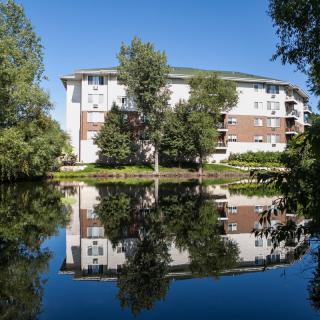
10955 Wayzata Boulevard, Minnetonka, MN 55305
For more information about senior living options: (866) 208-4318


Overall Review of Orchards Of Minnetonka
Pros
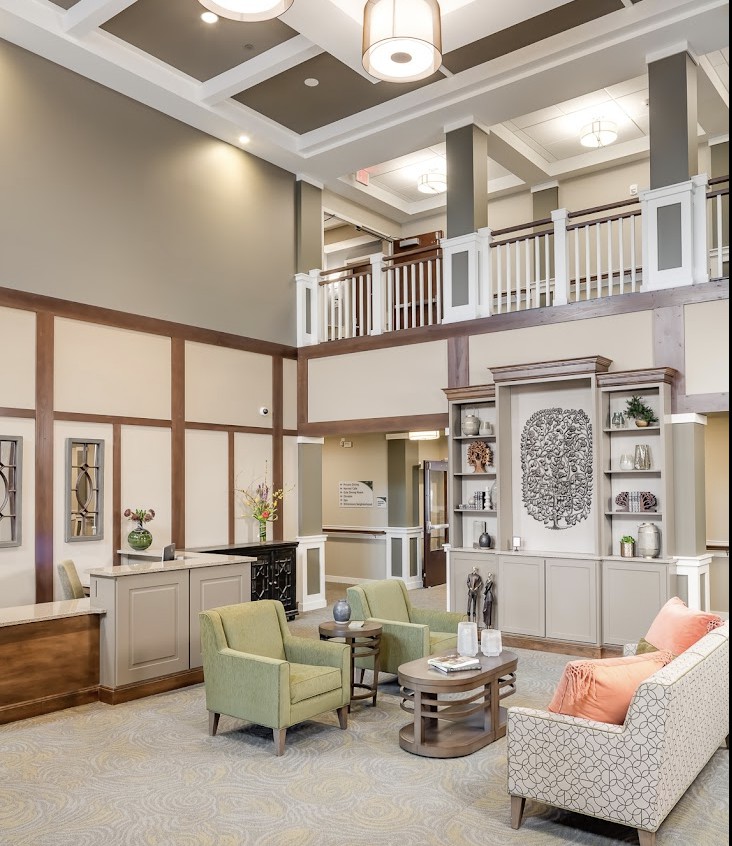
 The Orchards is nice and modern.
- Memory care is a good environment for his mother.
- The Orchards is a beautiful place with great indoor and outdoor activities.
- The staff are friendly and encouraging to participate in group activities.
- Chris, the outreach and sales director, did a fabulous job of showing available rentals and amenities and answering questions.
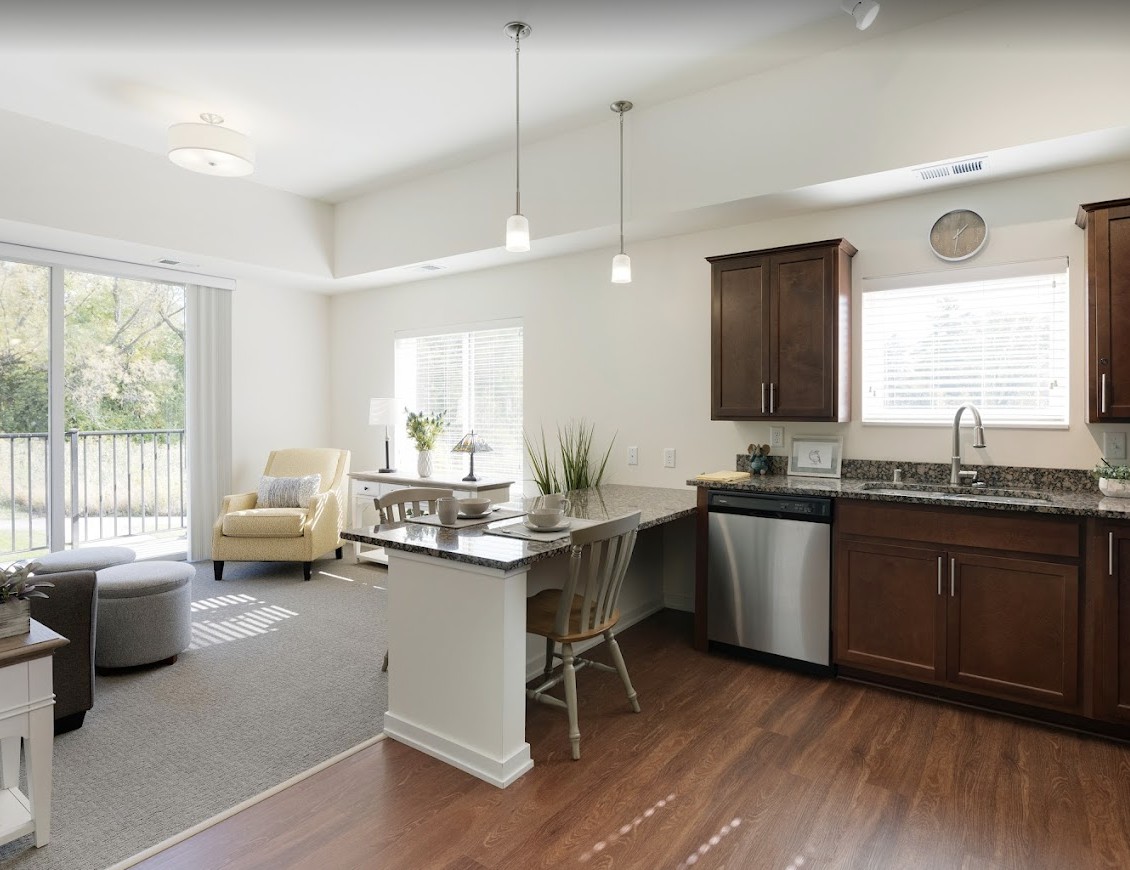
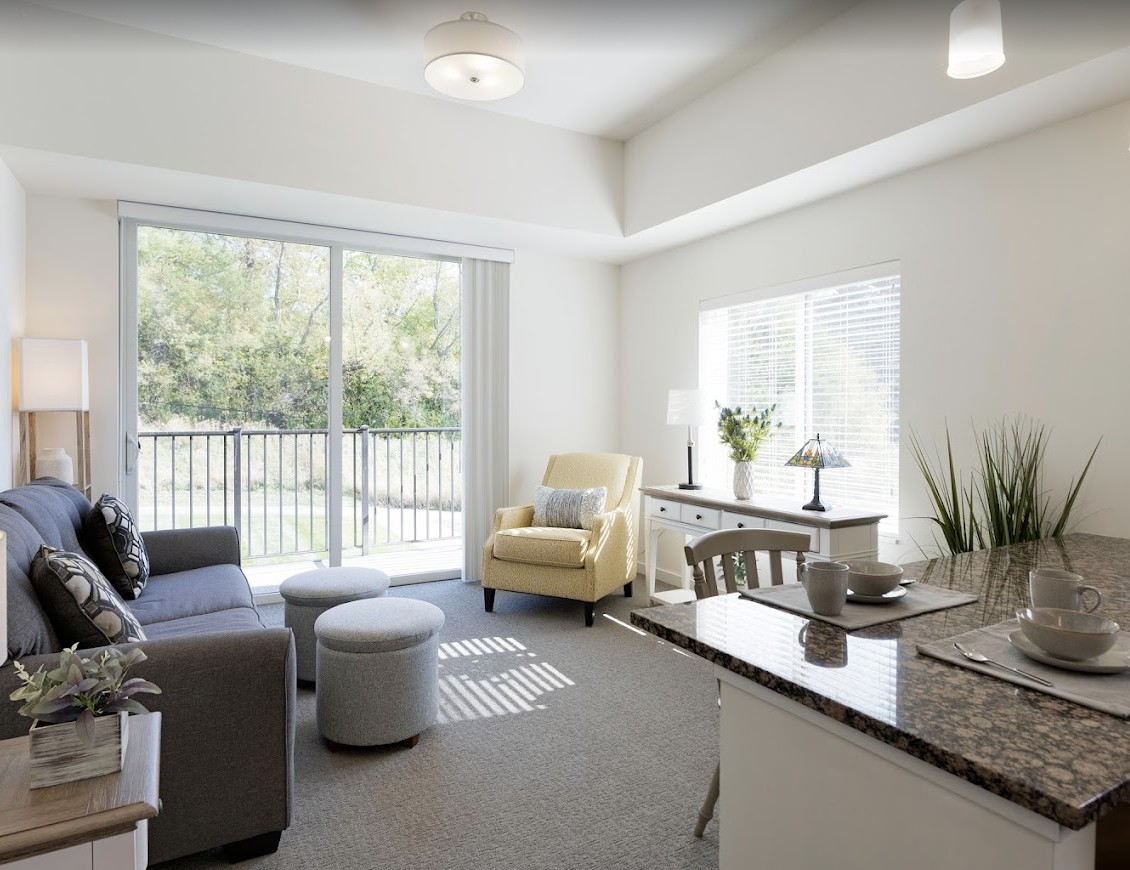
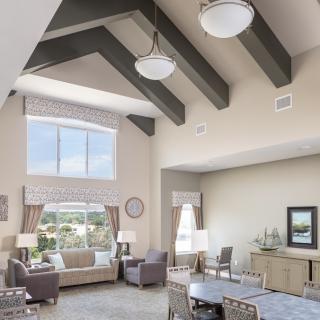
- The Orchards of Minnetonka is well organized, beautifully decorated, clean and well maintained.
- It is a five-star experience.
- The Dimensions Neighborhood at the Orchards is top notch.
Cons
 The staff served peanut-containing foods to his father on three occasions, triggering allergic reactions.
- The marketing manager reportedly had never heard of the peanut allergy.
- He was taken to the ER after every fall.
- There were several minor falls, raising safety concerns.
- The bills for painting his apartment were inflated and confusing.
- The reviewer cannot recommend Orchards to anyone.
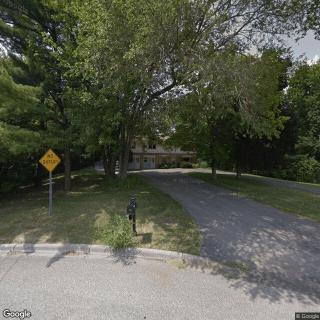
- Visitors face difficulty visiting due to a large hill to the parking lot.
- The receptionist was described as unfriendly.
Review
Orchards of Minnetonka is best suited for families seeking a polished, activity-forward senior living community with strong memory-care capabilities and a clearly engaged care team. It works well for seniors who prize a beautiful, well-maintained environment, robust social programming, and a sense of safety that comes with a well-staffed campus. The memory-care option (Dimensions) is repeatedly praised as well-run and responsive, making this a compelling fit for families prioritizing dementia care within a comprehensive setting. It is less ideal for households working within tight budgets or for those with formidable concerns about chronic safety risks related to food service or billing transparency.
The positives here are tangible and meaningful to daily life. The Orchards presents a modern, clean, and aesthetically pleasing environment with abundant indoor and outdoor amenities that promote activity and social engagement. Families repeatedly note friendly, welcoming staff who are genuinely invested in residents’ happiness, which translates to a daily sense of belonging. The on-site programming, activities, events, and fundraisers, creates visible opportunities for continuity and purpose, which matters for both independent residents and those in memory care. A well-regarded sales and outreach effort also helps families feel informed and supported as they navigate transitions, even when a zoom visit becomes a viable initial step.
Yet more than a handful of reviews raise caution flags that prospective residents must weigh. The most serious concern centers on safety around food and dietary handling, particularly regarding peanut allergies. Instances where peanut-related items were served resulted in ER visits for a resident, a disruption that understandably shakes confidence in a campus’s risk controls. Marketing and front-desk interactions also drew critique in some accounts, suggesting inconsistent communication that could undermine trust during a move. Administrative friction appears in the form of occasional billing surprises, including disputed charges for painting apartments, which can erode financial comfort during a period already expensive for families.
Those safety and administrative concerns do not erase the appeal of the Orchards, but they do offset the benefits if not actively managed. The high-quality care and warm staff culture can offset many anxieties for families who are able to implement strict dietary protocols and proactive, documented communication with the dining team. The memory-care program is especially a strength, with families reporting that their loved ones are busy, well cared for, and more engaged than before. The overall campus upkeep, security, and resident satisfaction are consistently cited as reliable, which helps to counterbalance occasional glitches in billing or guest services.
For families weighing the decision, approach is essential. Request a detailed, written dietary policy focused on allergen handling, confirm staff training around food safety, and ask for recent incident logs and outcomes. Probe pricing carefully: obtain a current, itemized contract that delineates base rates, add-ons, and any anticipated increases, plus a clear explanation of what is included in memory-care fees. Visit multiple times and request a resident contact to discuss daily routines, dining experiences, and activity calendars. If access considerations matter, assess the hill and parking logistics during winter, these practical realities can affect visit frequency and overall satisfaction.
In the end, Orchards of Minnetonka stands out as a strong choice for families who want a premium environment, proactive memory care, and staff who demonstrate genuine warmth and engagement. It just isn’t the first pick for households prioritizing ultra-p predictable budgeting, flawless allergy safety processes, and friction-free administrative experience. Alternatives may be more suitable for those with strict cost constraints or who require near-perfect transparency and risk controls in dining. For families with the means, a willingness to engage on safety policies, and a demand for a lively, well-run community, Orchards offers a compelling, decidedly practical option that tends to deliver on care and quality, so long as the key risks are actively managed and fully understood before move-in.
 162 resident community capacity
 Assisted Living
 Memory Care
 Air-conditioning
 Beauty salon
 Cable or satellite TV
 Computer center
 Dining room
 Fitness room
 Fully furnished
 Gaming room
 Garden
 Housekeeping services
 Kitchenette
 Move-in coordination
 Outdoor space
 Private bathrooms
 Restaurant-style dining
 Small library
 Telephone
 Wellness center
 Wi-Fi/high-speed internet available
 Minneapolis-St Paul International (12 miles away)
 Community operated transportation
 12-16 hour nursing
 24-hour call system
 Activities of daily living assistance
 Assistance with bathing
 Assistance with dressing
 Assistance with transfers
 Diabetes diet
 Medication management
 Mental wellness program
 Special dietary restrictions
 Transportation arrangement (medical)
 Concierge services
 Planned day trips




 When to Transition from Assisted Living to Memory Care: Key Indicators, Steps, and Finding the Right Community
 Understanding the Distinctions: Assisted Living and Memory Care Explained
 How to Communicate with a Loved One Living with Dementia: 10 Supportive Strategies