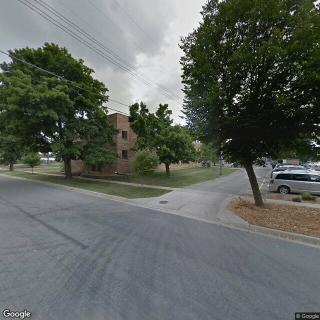
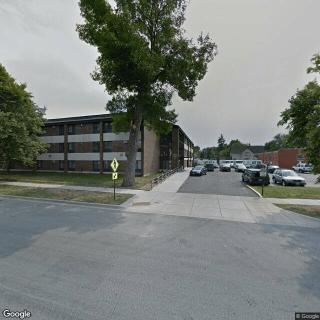
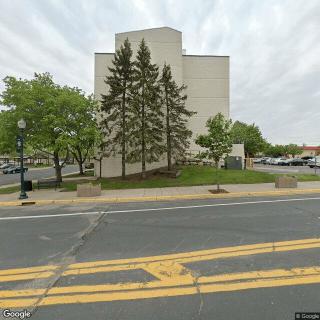
3330 213Th Street West, Farmington, MN 55024
For more information about senior living options: (866) 208-4318
Overall Review of Trinty Terrace
Pros
 She is very happy there.
- She enjoys all the activities and social interaction that is available.
- The family is happy she chose Trinity as her home.
- Residents are welcoming, and staff are helpful.
- The community is fairly small, and there are always smiling faces.
- The residents and staff are friendly and kind.
- The Trinity Terrace is highly recommended.
- The nursing and maintenance staff are exceptional.
Cons
 They found it difficult to communicate with Trinity Terrace to review Assisted Living accommodations.
- They were not quick to have phone calls returned.
- Their GPS took them to a Memory Care facility.
- There was no way to reach a live person, and no follow-up after leaving a message.
- Shannon was terrible to deal with.
- The staff told them their dad wasn’t acceptable there.
Review
This community is best suited for seniors who want a warm, tightly knit, social living environment where staff form real relationships with residents and the day-to-day calendar is lively. The reviews repeatedly highlight a small, welcoming campus where people smile, greet visitors, and know each resident by name. Residents actively engage in exercise classes, book clubs, coffee chats, Bible study, and live music, creating a sense of belonging that many families view as the strongest peace of mind a senior living choice can offer. For families prioritizing heart, connection, and a homey atmosphere over a large, impersonal campus, Trinity Terrace clearly fits the bill.
Those who may want to consider alternatives are families who place a premium on administrative efficiency and a seamless intake process, or who need more robust memory care options on-site. Several reviewers report difficulties reaching staff by phone and occasional delays in follow-up, plus confusion navigating the campus directory (one note cites GPS sending visitors to the Memory Care facility). A claim that a particular staff member was unhelpful adds a caveat: experiences can be inconsistent at the front line, which can be unsettling for families seeking quick, reliable communication during a transition. For memory care-heavy needs or a more structured admissions pathway, a different arrangement may reduce friction and ensure steadier responsiveness.
The strongest pros, the genuine warmth of residents, the friendliness and care of staff, and a genuine sense of community, do substantive work in offsetting the modest administrative frictions. Families consistently praise staff for being approachable, compassionate, and engaged, with administrators described as helpful and considerate in many cases. The small scale of the community makes it easy for staff to know residents, tailor activities, and foster a family-like vibe that supports social engagement and emotional well-being. When a resident’s family wants visible, daily opportunities for social interaction, worship, reading, and music, Trinity Terrace delivers, and that daily quality of life matter tends to outweigh occasional administrative hiccups for many families.
Yet the cons are not trivial. Communication gaps can slow the intake and ongoing questions, and the campus must navigate occasional front-desk friction or miscommunications about admissions and visit logistics. One negative encounter singled out a staff member as unhelpful, underscoring that not every interaction reinforces the overall positive impression. For families evaluating under pressure timelines or needing immediate, consistently reliable correspondence, these threads matter. Additionally, the campus structure spans Trinity Terrace apartments and Trinity Care Center, which means families must understand where a loved one fits within the continuum of care and how transitions are managed should health needs evolve.
On the care side, the campus earns a strong endorsement for the quality of nursing and maintenance staff in Trinity Care Center, which complements the apartment living well. One family’s experience spans years on campus, with the nursing and maintenance teams singled out as exceptional, and administrators described as supportive. This suggests a credible continuum of care: residents can transition from independent or assisted living to skilled nursing within the same community, with staff who already know the resident’s history. For families seeking reassurance that care standards remain high as health needs change, Trinity Terrace offers credible, real-world performance: a tight-knit setting with capable medical attention when required, reinforced by a campus culture that prioritizes dignity, respect, and ongoing social engagement.
Decision-wise, Trinity Terrace is a strong fit for seniors who value connection, meaningful activities, and a familial atmosphere, and for families who want visible psychosocial benefits alongside competent on-site care options. Prospective residents should plan a thorough visit, speak with multiple staff members, and ask concrete questions about admission criteria, communication protocols, and how care transitions are handled on the campus. If prompt, consistent communication and straightforward navigation are priorities, or if memory care coordination needs are non-negotiable, it makes sense to compare alternatives where intake processes are tighter and front-desk responsiveness is more reliable. For households prioritizing social vitality, staff attentiveness, and a reassuring sense of “home,” Trinity Terrace stands out as a practical, well-regarded choice.
 65 resident community capacity
 Assisted Living
 Air-conditioning
 Beauty salon
 Cable or satellite TV
 Computer center
 Dining room
 Fitness room
 Fully furnished
 Gaming room
 Garden
 Housekeeping services
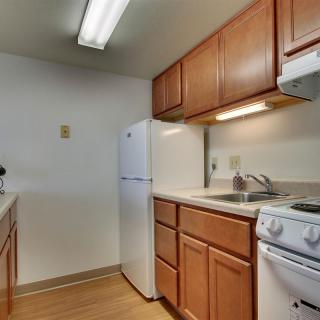
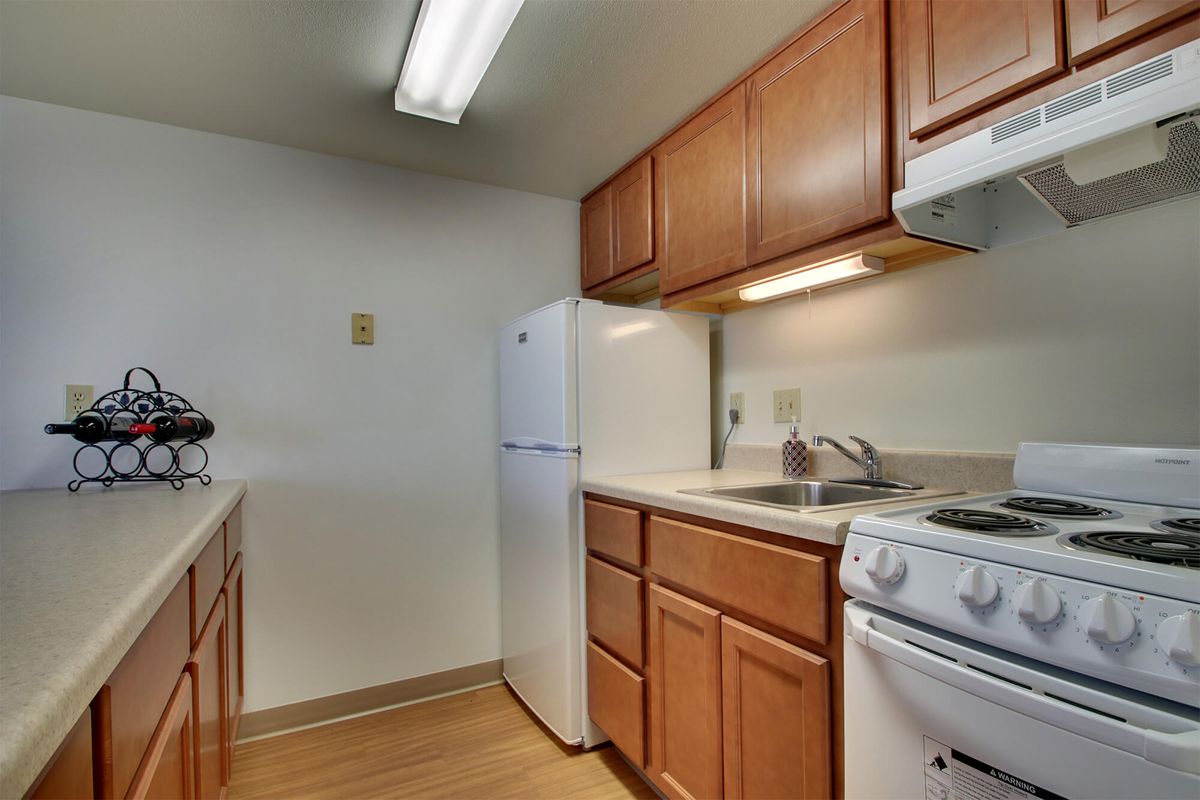
 Kitchenette
 Move-in coordination
 Outdoor space
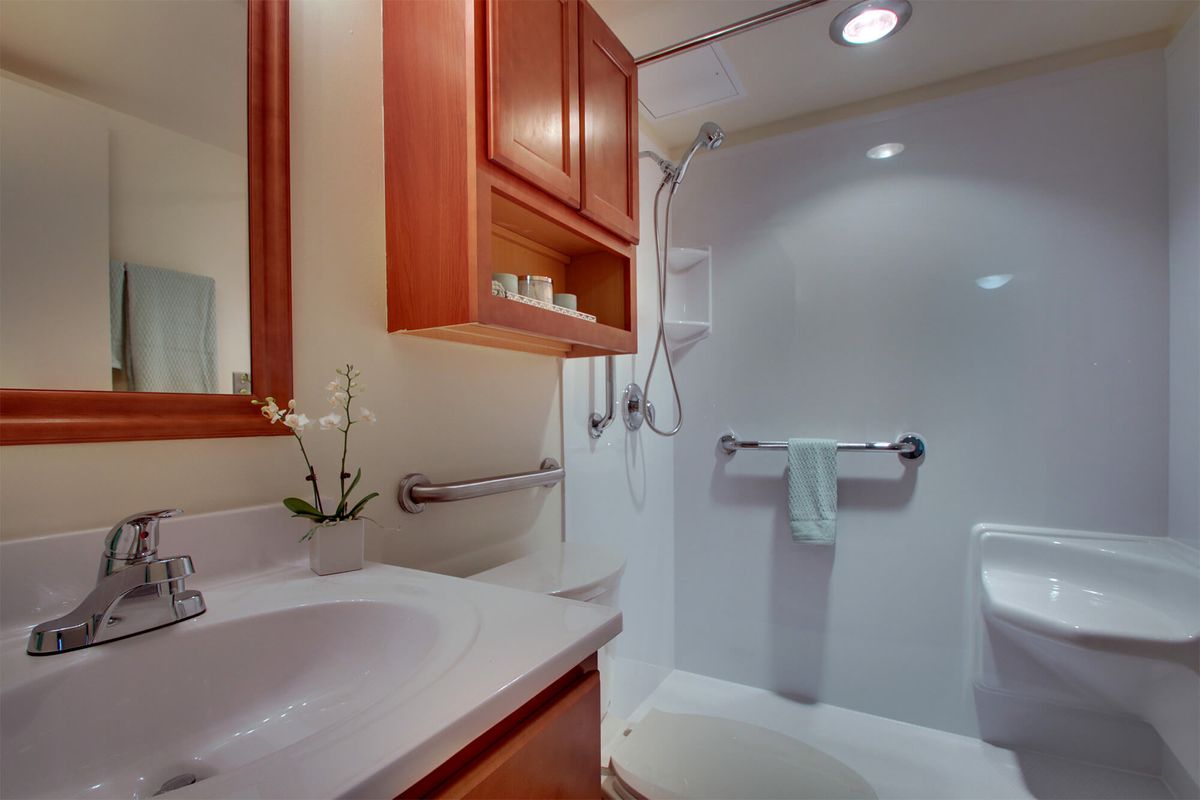
 Private bathrooms
 Restaurant-style dining
 Small library
 Telephone
 Wellness center
 Wi-Fi/high-speed internet available
 Minneapolis-St Paul International (17 miles away)
 Community operated transportation
 12-16 hour nursing
 24-hour call system
 Activities of daily living assistance
 Assistance with bathing
 Assistance with dressing
 Assistance with transfers
 Diabetes diet
 Medication management
 Mental wellness program
 Special dietary restrictions
 Transportation arrangement (medical)
 Concierge services
 Planned day trips



 Assisted Living Expenses and Long-Term Care Insurance: A Comprehensive Exploration
 Securing Financial Support for Assisted Living: A Comprehensive Overview
 Social Security Benefits and Assisted Living: Navigating Options Across the U.S.