
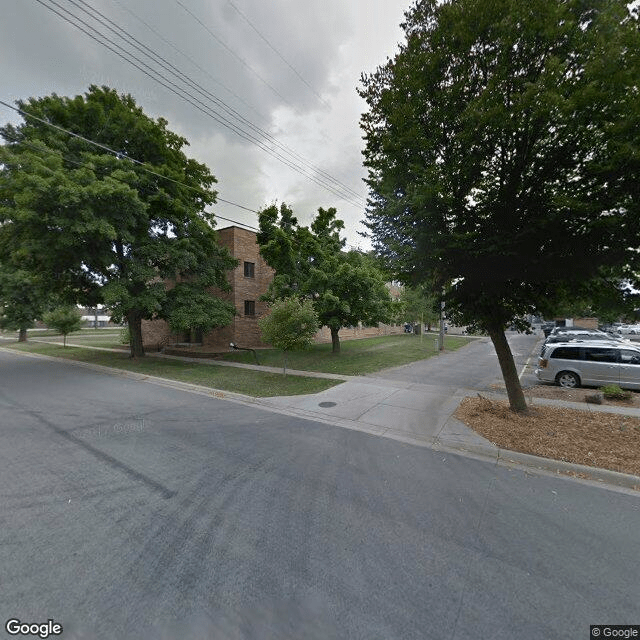
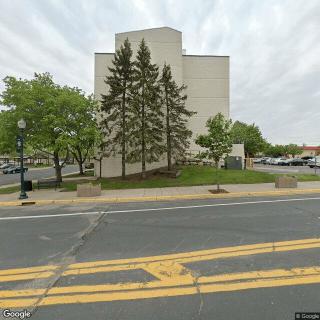
315 Spruce St, Farmington, MN 55024
To contact a resident: (651) 460-6644
For more information about senior living options: (866) 208-4318
Overall Review of Red Oak Manor
Pros
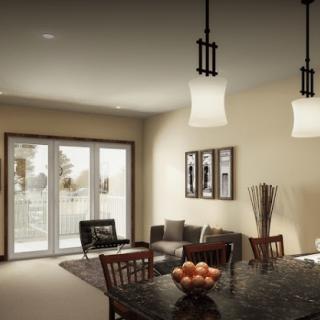
 They love their apartment above the back patio.
- The management is kind and helpful.
- It is their dream home, and they never want to leave.
- Amber is the best manager they’ve had in three years.
- They have lived there for over a year and love it.
- The south-facing side offers a fabulous view.
Review
Red Oak Manor in Farmington is best suited for active seniors who want private apartment living wrapped in a homey, manageable setting and backed by consistently kind on-site leadership. The strongest signals from resident voices emphasize a good personal fit: the apartments feel like a dream home, with a back patio and a south-facing view that residents continually praise. The leadership environment matters as well, the newest manager, Amber, is singled out as the best in three years, a detail that matters for families seeking stable, responsive stewardship and clear communication.
For families weighing options that involve more intensive support or a broader continuum of care, alternatives deserve serious consideration. Red Oak Manor appears to center on independent living within an apartment-style setting rather than a formal care continuum. Residents celebrate privacy, views, and a home atmosphere, but there is no evidence in the feedback of on-site nursing, memory care, or structured daily assistance. Those needing daily help with activities, medication management, or safety monitoring should compare offerings carefully and ask whether longer-term care needs could be met within this or a different community.
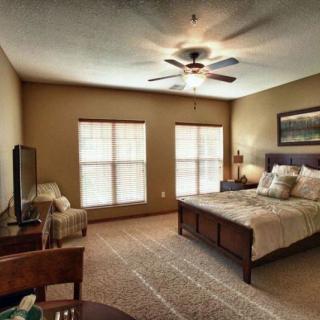
From a practical perspective, the primary advantages are tangible and consistent. The living space itself stands out, well-kept apartments with appealing views deliver immediate daily comfort. The back patio and southern exposure are repeatedly highlighted as standout features for day-to-day living. Equally important is the management reputation: kindness and responsiveness from staff, with Amber emerging as a standout leader in recent years. This combination tends to reduce stress around maintenance, repairs, and administrative tasks, creating a reliable baseline for residents who prize predictable routines and respectful treatment.
However, the feedback leaves meaningful gaps to consider. There is no direct reference to on-site dining, housekeeping, transportation arrangements, or organized programming beyond the apartment experience. Safety features, emergency response, or access to medical oversight are not described in the comments, making the care environment effectively unspecified. The sample size, three reviews, limits visibility into how staff handle complex needs, night-time concerns, or long-term changes in health. And while Amber’s leadership is a strength now, staff turnover or policy shifts can alter the resident experience over time.
These dynamics shape how the strengths offset the downsides. For independent-minded seniors who value a warm, home-like atmosphere and confident, resident-focused management, the positives strongly offset the lack of explicit care services. The sense of belonging, the stability of management, and the comfort of a private apartment with a beautiful view create a compelling value proposition. But for anyone anticipating or requiring regular assistance, memory care, or highly structured daily routines, the absence of visible care infrastructure represents a risk that may not be offset by a great apartment alone.
For families in decision mode, the takeaways are concrete. A guided tour should focus on the quality of the apartment interiors, the quality of the outdoor spaces, and the availability and track record of management support, especially whether Amber or similar leaders are in place for the long haul. Direct questions should probe care offerings (even if not advertised), meal options, housekeeping, transportation, social activities, and safety features set up for emergencies. Red Oak Manor stands out as a sound choice for those who can live independently in a well-led, home-like environment; it is less suitable where ongoing professional care, memory support, or a formal continuum of care is required.
 Active Adult Communities (55+)
 Minneapolis-St Paul International (17 miles away)


 Navigating the Tax Landscape of Caregiving: Credits, Deductions, and Beyond
 Highly Beneficial Low-Impact Exercises for Senior Living Residents
 Is In-Home Healthcare Tax Deductible? Your Comprehensive Guide