
911 Honeysuckle Lane, Farmington, MN 55024
For more information about senior living options: (866) 208-4318
Overall Review of Community Assisted Living II
Pros
 Median Community & Care sets the gold standard for inspiring the next generation of quality care and championing person-centered approaches.
- Their unwavering commitment to excellence and innovation is truly remarkable.
- Every interaction demonstrates their dedication to understanding individual needs and empowering both their team and the community to deliver compassionate, thoughtful care.
- As a leader in the field, Median Community & Care not only upholds but consistently elevates care standards, inspiring confidence and trust in those they serve.
- Their passion for shaping the future of healthcare is evident in every initiative they undertake.
- The home provides amazing services and has welcoming staff.
Cons
 The reviewer warned that loved ones should not be sent to this home.
- They reported frequent ambulance and police visits, implying the home lacks adequate care.
- They claimed residents wander with little supervision, including a barefoot walk down Akin Rd and a resident entering a neighbor’s home.
- They described the supervision as questionable and stated the setting is not suitable for individuals with traumatic brain injuries.
- They recounted an awful experience with no nurses or cook and a room cold enough to cause hypothermia.
- They argued it is ridiculous that the state allows this kind of home in a neighborhood with kids.
- They asserted that Median’s claim that residents don’t wander without supervision is false.
Review
This community is best suited for seniors who want a small, home-like environment with light daily assistance and social engagement, and who can tolerate limited on-site medical oversight. It works best for residents who are relatively independent but value companionship, safety checks, and convenient access to staff in a low-key setting. It is not a fit for those who require ongoing skilled nursing, high-level supervision, or specialized memory care, especially where wandering risks or behavioral management are present.
Families should explicitly consider alternatives if a loved one has significant cognitive impairment, traumatic brain injury, or frequent behavioral outbursts that require vigilant supervision and rapid nursing intervention. Facilities with on-site licensed nurses around the clock, secure environments, and dedicated memory-care wings are often a safer choice for those needs. For anyone seeking robust medical oversight, round-the-clock staffing, or a structured care continuum, this community should not be the first option.
Pros that can matter in the right match include a warm, welcoming staff and a sense of home that fosters personal connections. In small settings, residents may receive more individualized attention and feel valued by caregivers who know them well. When staff engagement is present, families notice a more personal atmosphere and better day-to-day interaction, which can translate into a pleasant daily routine and social vitality. These positives can make a meaningful difference for seniors who are stable in their health and do not require intensive medical services.
However, the strongest cons undermine those advantages. Repeated concerns about safety and supervision cast a long shadow: reports of residents wandering, close calls with neighbors, and frequent EMS or police involvement signal that medical oversight and security are not consistently reliable. A lack of on-site nursing and culinary staff further erodes confidence, particularly for residents who require regular medication management or temperature-sensitive meals. In short, the care model appears under-resourced for residents with evolving medical or behavioral needs, which diminishes the appeal of a warm, home-like environment when safety risks persist.
The balance tips decisively toward caution for anyone weighing this option. The pros of staff warmth and a neighborly setting do not sufficiently offset the main drawbacks, notably inconsistent supervision and the absence of essential medical and culinary supports. Families should demand concrete, verifiable assurances before committing: on-site nursing coverage around the clock, secure wandering controls, incident reporting protocols, clearly stated staffing ratios, and a predictable emergency response plan. A trial period with measurable benchmarks can help determine if the balance between ambiance and safety is suitable.
In the end, this community can serve as a reasonable choice for a low-acuity senior who values companionship, a modest routine, and a neighborhood-feel, provided there is confidence that supervision and medical needs can be adequately managed. For anyone prioritizing high-level care, dementia-focused supervision, or reliable on-site nursing and meals, alternatives deserve serious consideration. The prudent path is to compare with facilities that offer stronger medical staffing, tighter safety protocols, and transparent operational metrics to ensure a seamless, appropriate fit for the loved one’s health trajectory.
 6 resident community capacity
 Assisted Living
 Cable or satellite TV
 Dining room
 Fully furnished
 Garden
 Housekeeping services
 Move-in coordination
 Outdoor space
 Telephone
 Wi-Fi/high-speed internet available
 Minneapolis-St Paul International (17 miles away)
 24-hour supervision
 Activities of daily living assistance
 Assistance with bathing
 Assistance with dressing
 Assistance with transfers
 Diabetes diet
 Meal preparation and service
 Medication management
 Special dietary restrictions
 Transportation arrangement (medical)
 Transportation to doctors appointments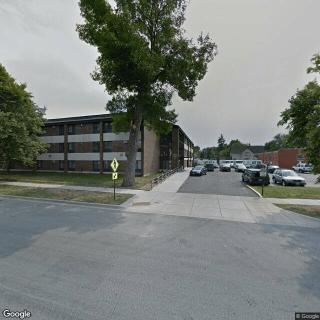






 Understanding the Distinctions: Assisted Living and Memory Care Explained
 Guiding Elderly Parents Who Refuse Assisted Living: 6 Practical Steps
 Your Comprehensive Guide to Luxury Assisted Living: Elevated Facilities, Amenities, and Costs