Residents and families consistently describe staff as attentive, friendly, and caring.
Across the reviews, people repeatedly say the staff is welcoming and responsive to residents’ needs. Several mention the feeling of being treated like family, along with helpful, upbeat day-to-day support. There are also comments about care being provided with genuine compassion, including experiences after moving a loved one in. A small number of reviews express serious concern about day-to-day practices, which conflicts with the overall tone.
common10 reviews mention this
Activities keep residents engaged
Residents describe a steady mix of activities that helps them stay engaged.
Many reviews focus on community life that goes beyond a quiet routine, including scheduled activities and social engagement. Several families highlight how residents participate more than they did elsewhere, and some describe the community as fun with regular outings. Reviews also mention resident involvement in group projects and crafts, along with an activity structure that supports daily connection. Overall, the reviews suggest residents have a consistent way to spend their time together.
common5 reviews mention this
Food and dining earn strong praise
Dining is repeatedly praised, with residents describing standout meals.
Food shows up often in the reviews, with multiple people calling it outstanding or fabulous. Families mention enjoying the on-site dining experience, including meals served multiple times a day. Other reviews describe specific favorites, alongside compliments to the kitchen and chef. While most feedback is positive, one review notes that food quality can vary day to day.
common7 reviews mention this
Clean, well-kept spaces stand out
Several reviews highlight the community as clean and well maintained.
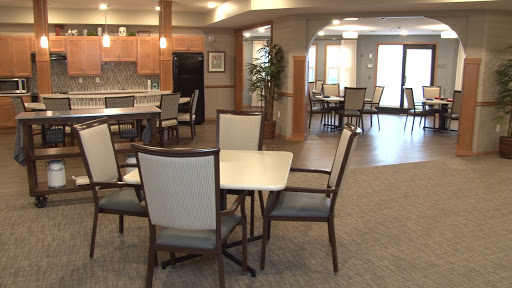
Multiple reviews describe the building as clean, well kept, and comfortable, including comments about cleanliness after move-in. Some also point to the facility feeling newer and maintained, and others mention regular housekeeping. At the same time, at least one review in memory care expresses dissatisfaction with room cleaning. Taken together, cleanliness is a noticeable topic, with mostly positive impressions but at least one conflicting report.
How we summarize
Counts show how many written reviews mention each theme; a review can touch several themes, and only frequently mentioned themes are displayed.
Features
Housing
21 resident community capacity
Types of Care
Assisted Living
Memory Care
Amenities
Beauty salon
Cable or satellite TV
Dining room
Fully furnished
Garden
Housekeeping services
Kitchenette
Move-in coordination
Outdoor space
Telephone
Wi-Fi/high-speed internet available
Transportation
Minneapolis-St Paul International (18 miles away)
Care Services
24-hour call system
24-hour supervision
Activities of daily living assistance
Assistance with bathing
Assistance with dressing
Assistance with transfers
Coordination with health care providers
Dementia waiver
Diabetes diet
Hospice waiver
Meal preparation and service
Medication management
Mental wellness program
Mild cognitive impairment
Special dietary restrictions
Specialized memory care programming
Transportation arrangement (medical)
Transportation to doctors appointments
Dining
Diabetes diet
Special dietary restrictions
Activities
Community-sponsored activities
Resident-run activities
Scheduled daily activities
Nearby Places of Interest
Restaurants
McDonald's (1 miles)
Celts Pub (1.1 miles)
Buckboard (4.2 miles)
Barley + Vine Kitchen & Bar (5.5 miles)
Red Fox Tavern (6.7 miles)
McDonald's (6.8 miles)
Jj’s Kitchen & Grill (7 miles)
Parks
Pine Knoll Park (1.9 miles)
Foxborough Park (6.3 miles)
Lac Lavon Park (7.8 miles)
Keller Park (8 miles)
Bloomfield Park (8.4 miles)
Greenhaven Park (9.4 miles)
Lebanon Hills Regional Park (11.2 miles)
Pharmacies
CVS Pharmacy (2.9 miles)
CVS Pharmacy (5.5 miles)
Walmart Pharmacy (7.1 miles)
Walgreens (7.1 miles)
Walgreens (7.6 miles)
CVS Pharmacy (7.6 miles)
Walgreens (7.7 miles)
Transportation
Airlake Airport LVN (3.6 miles)
Places of Worship
Watt Munisotaram (5.4 miles)
Bethel Lutheran Church (10.9 miles)
Faith In Action Interfaith Hlt (11 miles)
General Conference Of Seventh-Day Adventists (11.1 miles)
Emmaus Baptist Church (11.1 miles)
Skinner Memorial Chapel (11.6 miles)
Woodcrest Church (11.6 miles)
Physicians
Orthopaedic & Fracture Clinic - Erik S Stroemer, MD (5.5 miles)
Dr Anthony Battaglia (6.7 miles)
Rosemount Family Physicians (7.1 miles)
Eisenstadt Allergy & Asthma (7.9 miles)
Nystrom & Associates (7.9 miles)
Eye 35 Eye Care (7.9 miles)
Fairview Ridges Specialty Care Center (10.1 miles)
Theaters
Jj’s Theatre & Draft House (7 miles)
Emagine Eagan (11.6 miles)
Cafes
Caribou Coffee (7.2 miles)
Starbucks (7.4 miles)
Panera Bread (7.7 miles)
Starbucks (8 miles)
Panera Bread (10.4 miles)
Starbucks (10.7 miles)
Caribou Coffee (11.1 miles)
Hospitals
Apple Valley Medical Clinic (7.9 miles)
Fairview Ridges Hospital (10.1 miles)
Northfield City Hospital & NSG (10.8 miles)
Familyhealth Medical Clinic Northfield (10.8 miles)
The Legacy Of Farmington offers a comprehensive range of features designed to enhance the quality of life for residents experiencing memory-related challenges. Assistance with dressing and bathing promotes personal dignity and hygiene, while 24-hour supervision ensures safety and security around the clock. Medication management alleviates concerns about adherence to prescribed treatments, fostering better health outcomes. Meal preparation and service cater to specific dietary needs, enhancing nutrition, while transportation arrangements facilitate access to medical appointments, ensuring continuity of care. Coordination with healthcare providers ensures that each resident's individual health needs are met effectively. Additionally, support with activities of daily living helps maintain independence and self-esteem. The dementia waiver allows for greater flexibility in care approaches, while specialized memory care programming addresses cognitive decline through tailored activities that enhance engagement. Lastly, the mental wellness program and focus on mild cognitive impairment provide additional layers of support aimed at promoting overall well-being in a nurturing environment.
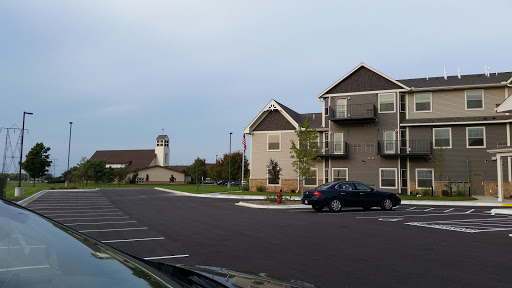
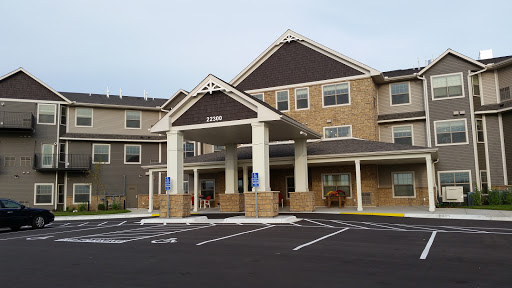
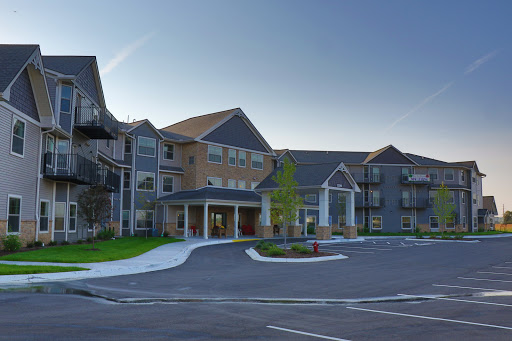
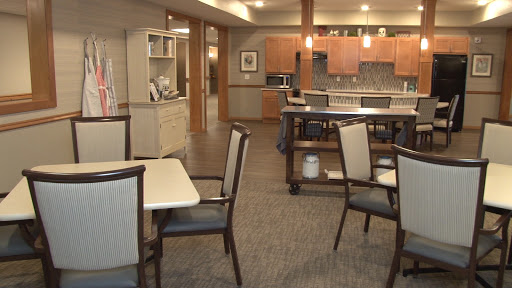
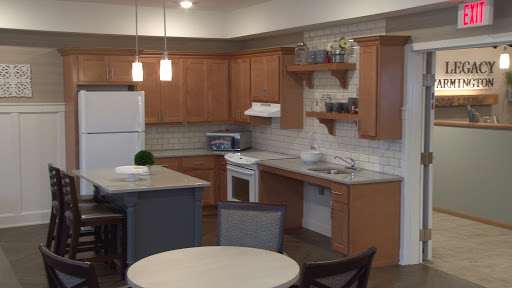
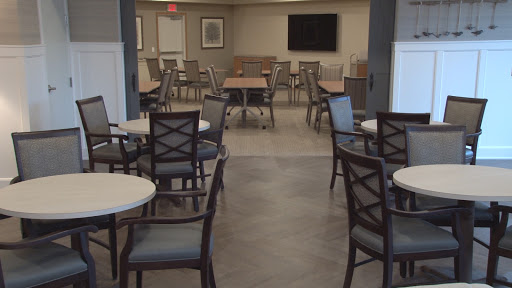
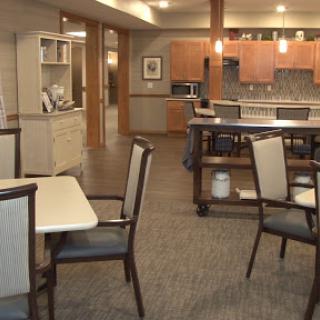
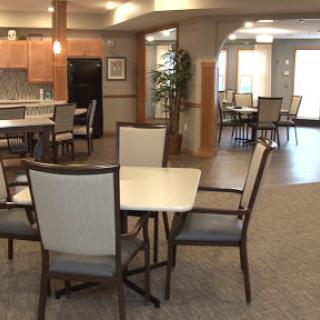
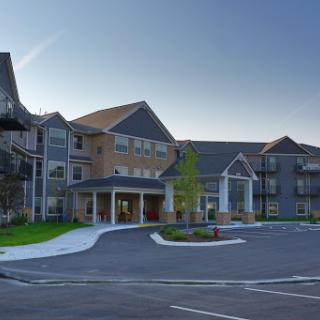
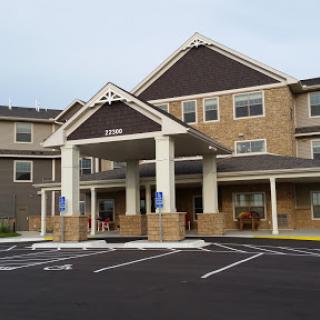
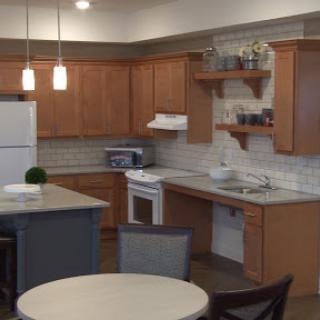
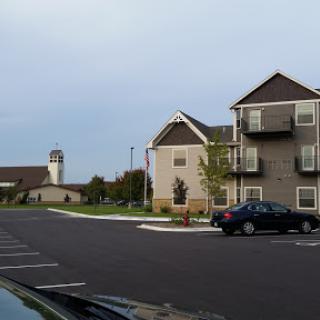
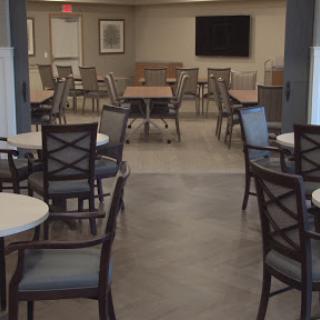
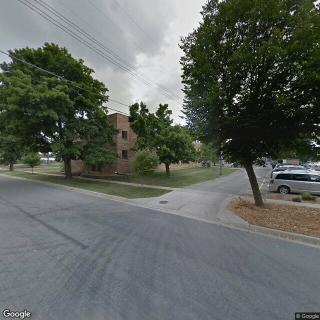
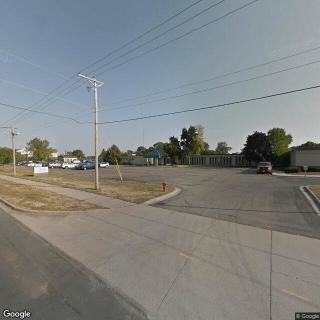
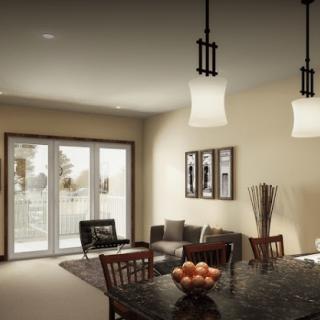
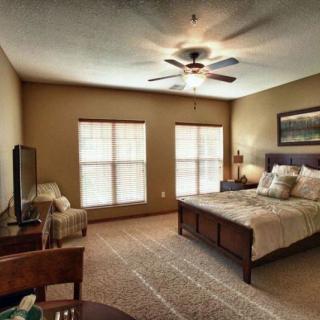
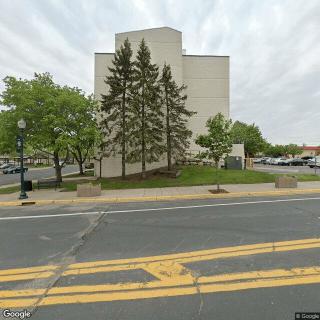
The Legacy Of Farmington on seniors.fyi includes 8 photos including images showing interior, dining, parking, kitchen, building, architecture, exterior, landscaping, and more.
Nearby Communities
Community Assisted Living II
Farmington, MN
4.2 from 10 reviews
Intimate 6-bed community with comprehensive care and meal services.
Spruce Place Apartments
Farmington, MN
2.3 from 3 reviews
Community-based housing designed for 55+ and disabled residents.
Red Oak Manor
Farmington, MN
5 from 3 reviews
Convenient access to park, pharmacy, dining, transportation, and worship.
River Valley Home Care
Farmington, MN
3.7 from 7 reviews
24/7 supervision with medication management, ADL assistance, mental wellness program, and transportation; fully furnished apartments.
Farmington Health Services Trinity Campus
Farmington, MN
4.3 from 3 reviews
$1,300 to $3,500 / month
Supportive staff and a welcoming, well-appointed setting.
Trinity Suites
Farmington, MN
5 from 1 review
Fully furnished living spaces with comprehensive care (ADL assistance, medication management), nutritious meals, housekeeping, transportation, and scheduled activities.
Spero Senior Living
Lakeville, MN
5 from 27 reviews
$1,750 to $2,800 / month
Caring staff with a strong, family-like community and an on-site wellness center.
The Fountains at Hosanna
Lakeville, MN
4.7 from 113 reviews
$3,340 to $4,440 / month
Caring staff with engaging activities in a well-maintained, welcoming setting.
Rosemount Plaza Apts
Rosemount, MN
4.3 from 3 reviews
Convenient location with nearby amenities and healthcare.
Sundown syndrome, or sundowning, is a phenomenon in dementia patients characterized by increased confusion and agitation during late afternoon and evening, influenced by factors like disrupted circadian rhythms and fatigue. Effective caregiver strategies include establishing routines and managing environmental light while addressing caregiver stress through support services.
Delirium is a rapidly onset, reversible cognitive disturbance often caused by acute medical issues, while dementia is a gradual and irreversible decline due to chronic neurodegenerative diseases. Accurate differentiation between the two is essential for appropriate treatment and management in older adults.
Dementia, including Alzheimer’s disease, is often mischaracterized in terms of lethality as it leads to complications that can be fatal rather than being a direct cause of death; it causes a progressive decline in cognitive and physical health, making patients vulnerable to infections and other health crises. Effective management of nutrition, hydration, and communication is crucial in patient care, with palliative care becoming vital in advanced stages to enhance comfort and quality of life while caregivers play a key role amidst the challenges posed by the disease.
Get PricingAsk A QuestionSchedule A TourContact Senior Advisor
By clicking submit, you agree to our Partner's Terms of Use. You
also consent to receive calls and texts, which may be autodialed, from our Partner. Your consent is not a condition to
using our Partner's service. Please visit our Partner's Privacy Policy for information about their privacy practices.



 21 resident community capacity
 Assisted Living
 Memory Care
 Beauty salon
 Cable or satellite TV
 Dining room
 Fully furnished
 Garden
 Housekeeping services
 Kitchenette
 Move-in coordination
 Outdoor space
 Telephone
 Wi-Fi/high-speed internet available
 Minneapolis-St Paul International (18 miles away)
 24-hour call system
 Activities of daily living assistance
 Assistance with bathing
 Assistance with dressing
 Assistance with transfers
 Diabetes diet
 Hospice waiver
 Meal preparation and service
 Medication management
 Mental wellness program
 Special dietary restrictions
 Transportation arrangement (medical)
 Transportation to doctors appointments
 Intimate 6-bed community with comprehensive care and meal services.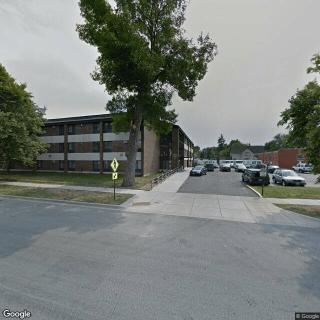

 Comprehending Evening Confusion in Dementia: Causes, Manifestations, and Support
 Delirium and Dementia: Unraveling the Key Differences
 Are Dementia and Alzheimer's Disease Lethal? A Comprehensive Exploration