
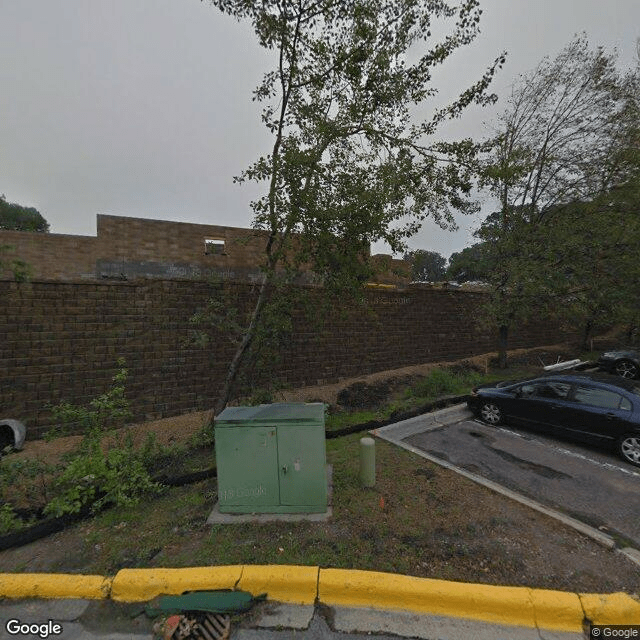
8480 Franlo Road, Eden Prairie, MN 55344
For more information about senior living options: (866) 208-4318
Overall Review of Eden Prairie Senior Living
Pros
 The staff and residents form a fabulous, true community at EPSL.
- The staff are wonderful and make families feel welcome and special.
- The residents have become good friends in a wonderful, diverse community and it feels like a home.
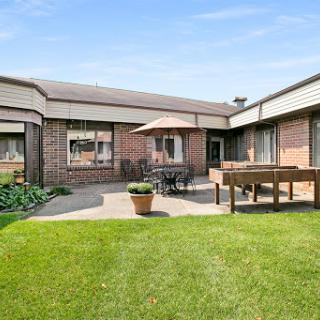
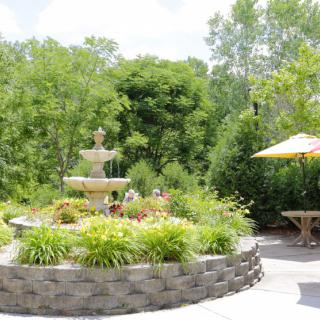
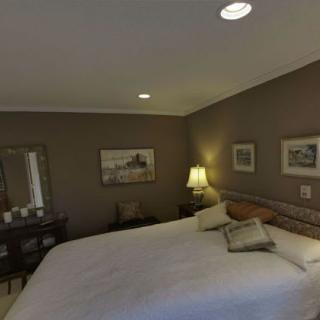
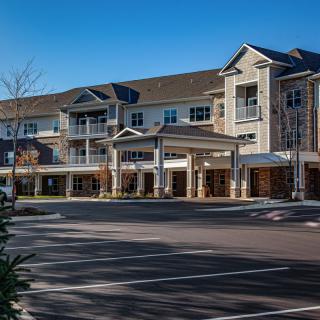
- EPSL is brand new, with friendly staff, clean apartments, and appealing amenities like a hair salon, a community room, and outdoor patios.
- The staff are not just employees, but are treated as family, and they genuinely care and listen.
Cons
 There is high nursing turnover in memory care.
- Communication with family members is poor.
- The staff are overworked and have too much to do.
- Upper management has decided to run short-staffed and focus on building more senior homes rather than adding staff.
- The reviewer advises looking elsewhere for quality care.
Review
Eden Prairie Senior Living is best suited for seniors who want a warm, socially rich environment where staff are consistently engaged, residents feel like part of a true community, and daily life resembles a comfortable, home-like setting. The campus emphasizes connection, with welcoming dining experiences and staff who treat families as partners in care. Fresh, clean apartments and practical amenities, such as a hair salon, a community room, and inviting outdoor spaces, combine with a location that places essentials like the nearby library within easy reach. This is not a clinical bunker; it is a place where belonging and everyday interaction carry real weight. Those who prize stability, strong personal touch, and a sense of living among friends will flourish here.
Families considering EPSL should also be mindful of who may want to look elsewhere. Memory-care needs, in particular, demand a steadier, more predictable nursing presence and flawless family communication, areas where reviews raise concerns. Several families point to high nursing turnover in memory care and gaps in updating relatives about care plans. For seniors requiring highly specialized or consistently staffed clinical oversight, alternative communities with a proven track record in memory-care management may be a wiser fit. EPSL’s strengths will not fully compensate for the gaps that can come with episodic staffing changes in the most intensive care moments.
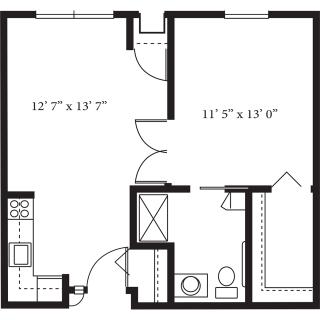
The strongest positives center on the human touch and the communal atmosphere. Residents repeatedly describe staff as more than employees, real contributors to a sense of home who listen, engage, and go beyond the call of duty. This isn’t a sterile, transactional setting; it is a place where residents form friendships, participate in a lively social scene, and feel genuinely cared for. The in-home feel is reinforced by the ability to settle into a personal two-bedroom unit and to greet familiar staff at meals or in common spaces. The result is a living experience that many families identify as closer to “home” than nearby alternatives in the Eden Prairie–Minnetonka area.
Additional positives reinforce the decision to choose EPSL when memory care is not the central concern. The facility’s newness translates into well-kept, modern surroundings, clean apartments, and thoughtfully designed common areas. The proximity to cultural conveniences, such as the library across the street, adds to a sense of community integration rather than isolation. The combination of an active calendar, accessible spaces for socializing, and the perception of dedicated staff fosters a sense of security and belonging that many families seek when transitioning from independent living to assisted settings.
Yet the downsides cannot be ignored, and they frequently revolve around staffing realities. Memory-care nursing turnover and related communication gaps with families can undermine confidence in consistent care. Reviews consistently note staff overwork and late hours, with some suggesting upper management has prioritized expansion over frontline relief. This pattern can diminish the perceived reliability of care during peak times or in moments when decisive nursing leadership is most needed. For families with high expectations for constant, transparent care communication, these concerns require careful probing during tours and in conversations with the executive team.
Balancing the pros against the cons yields a clear verdict: EPSL excels as a home-like, socially engaging option with standout staff warmth and a modern, comfortable environment. It delivers tangible value for seniors who want daily life to feel active and meaningful, and for families who value easy, welcoming interactions with care teams. The main caveat is memory-care reliability and the potential for staff strain; these factors are pivotal for those with intensive clinical needs. When memory care isn’t the primary requirement, EPSL stands out as a strong, practical choice. Prospective residents should press for specifics on current staffing levels, memory-care oversight, and family communication protocols before deciding.
 21 resident community capacity
 Assisted Living
 Independent Living
 Memory Care
 Activities on-site
 Beauty salon
 Cable or satellite TV
 Devotional services off-site
 Dining room
 Fully furnished
 Garden
 Housekeeping services
 Indoor common areas
 Kitchenette
 Move-in coordination
 Outdoor space
 Restaurant-style dining
 Small library
 Telephone
 Wi-Fi/high-speed internet available
 Minneapolis-St Paul International (11 miles away)
 24-hour call system
 Ambulatory care
 Assistance with bathing
 Assistance with dressing
 Assistance with transfers
 Diabetes diet
 Diabetic care
 Medication management
 Mental wellness program
 Special dietary restrictions
 When Dementia Sparks Anger and Aggression: Understanding the Connection and Ways to Cope
 Dementia Behaviors: In-Depth Understanding and Effective Coping Strategies
 5 Early Indicators of Dementia and What You Can Do