
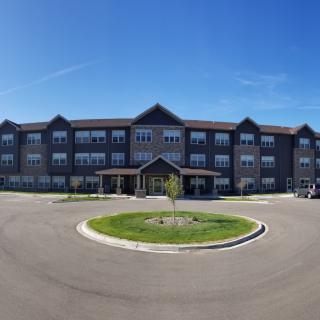
113 Serenity Court, Avon, MN 56310
For more information about senior living options: (866) 208-4318

Overall Review of Serenity Village At Avon
Pros
 The staff are kind, interactive, and attentive to residents' every need.
- They treat residents with the utmost respect until their last day.
- The facility upholds high standards, with stable leadership and low turnover.
- The care team excels at collaboration, communication, and problem-solving.
- Residents flourish under careful watch and person-centered care.
- The memory care unit is top-notch, providing exceptional safety and care.
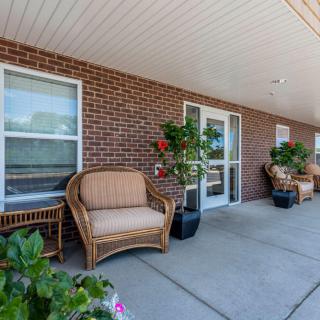
- The facility is clean, with lots of activities and a welcoming, home-like atmosphere.
- The staff are warm, professional, and genuinely caring.
- Families feel informed, supported, and at peace knowing their loved ones are cared for.
- Serenity Village is a one-of-a-kind place where residents are treated like family.
Cons
 They found the food to be meager and wished for larger portions.
- They felt the facility could do more to get residents out and about.
- They noted there are many very young staff members, which was seen as a drawback.
- They expressed a need for more staff members to adequately care for residents.
Review
Serenity Village at Avon is best suited for families seeking a memory‑care‑forward assisted living option where warmth, consistent leadership, and a home‑like atmosphere drive daily life. The community excels for residents who require attentive, respectful care and for families wanting an active partnership with staff. It is especially well-suited for those who value personalized attention, clear communication, and a sense of safety that comes from a team that treats residents like family. Those primarily focused on the absolute lowest cost, intensive rehabilitative programs, or highly clinical medical oversight may want to explore alternatives better aligned with those expectations.
The strongest takeaway is the care culture. Staff are consistently described as kind, compassionate, and genuinely engaged with residents’ lives. Memory care is repeatedly praised as top‑notch, with teams that go beyond the basics to learn residents’ preferences, celebrate milestones, and maintain routines tailored to individual needs. Leadership stability and surprisingly low turnover in the long‑term care setting emerge as a quiet but powerful asset, fueling steady communication and problem‑solving with families. In practice, this translates into predictable routines, proactive updates, and a palpable sense of trust that families rely on for peace of mind.
Private rooms, modern, home‑like interiors, and a schedule full of activities contribute to a strong sense of comfort and continuity. Families note that the environment supports meaningful engagement, whether it’s familiar meals, in‑house entertainment, or activities that preserve hobbies residents love. The staff’s willingness to sit with residents, hold hands during times of anxiety, and celebrate birthdays with homemade treats helps residents feel seen and valued every day. The combination of a clean facility, resident‑centered care, and active involvement by families creates a fabric of daily life that many families search for but seldom find in larger systems.
Still, a few practical caveats deserve attention. A common report highlights that the dining program could offer more robust portions and variety, suggesting room for improvement in nutrition and presentation. Some comments reference the facility’s relative youth in staffing, with a blend of seasoned caregivers and newer team members; while leadership and mentorship help, families should be prepared for an ongoing emphasis on training as the community continues to grow. There are mentions that the calendar could feature more outings and external activities, and that the location, while convenient for some, may feel a bit out of the way for others who want closer proximity to certain hospitals or family hubs. These factors aren’t deal‑killers, but they shape the practical experience.
Despite these gaps, the core advantages largely offset the downsides for families prioritizing memory care excellence and a nurturing community. The combination of compassionate, family‑oriented care, transparent communication, and a stable leadership team delivers a level of reassurance that is rare in many comparable settings. For residents who need steady supervision, emotional support, and consistent interaction with caregivers who treat them like members of a chosen family, Serenity Village provides a compelling match. The few critiques, nutrition, staffing mix, and social outings, are solvable and tend to improve as the campus matures and staffing evolves.
Families weighing alternatives should consider whether dining quality, current activity breadth, or closer geographic accessibility are non‑negotiables. If those factors are mission‑critical, it may be worth evaluating other communities with larger culinary programs, richer daily calendars, or higher staff‑to‑resident ratios. For those who want a facility where staff genuinely know residents’ histories, preferences, and daily rhythms, and where communication with families flows smoothly, Serenity Village Avon stands out as a practical, trustworthy choice. The decision should hinge on aligning the resident’s care priorities with what the team demonstrates day in and day out: safety, personal attention, and a home‑like atmosphere that feels more like a family setting than a facility.
 21 resident community capacity
 Assisted Living
 Memory Care
 Beauty salon
 Cable or satellite TV
 Dining room
 Fully furnished
 Garden
 Housekeeping services
 Kitchenette
 Move-in coordination
 Outdoor space
 Telephone
 Wi-Fi/high-speed internet available
 St Cloud Regional (21 miles away)
 24-hour call system
 Activities of daily living assistance
 Assistance with bathing
 Assistance with dressing
 Assistance with transfers
 Diabetes diet
 Hospice waiver
 Meal preparation and service
 Medication management
 Mental wellness program
 Special dietary restrictions
 Transportation arrangement (medical)
 Transportation to doctors appointments





 When Dementia Sparks Anger and Aggression: Understanding the Connection and Ways to Cope
 Dementia Behaviors: In-Depth Understanding and Effective Coping Strategies
 5 Early Indicators of Dementia and What You Can Do