Personal Care Senior Living in Anoka, MN

Save

  • Interior

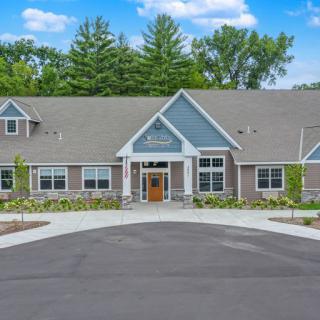
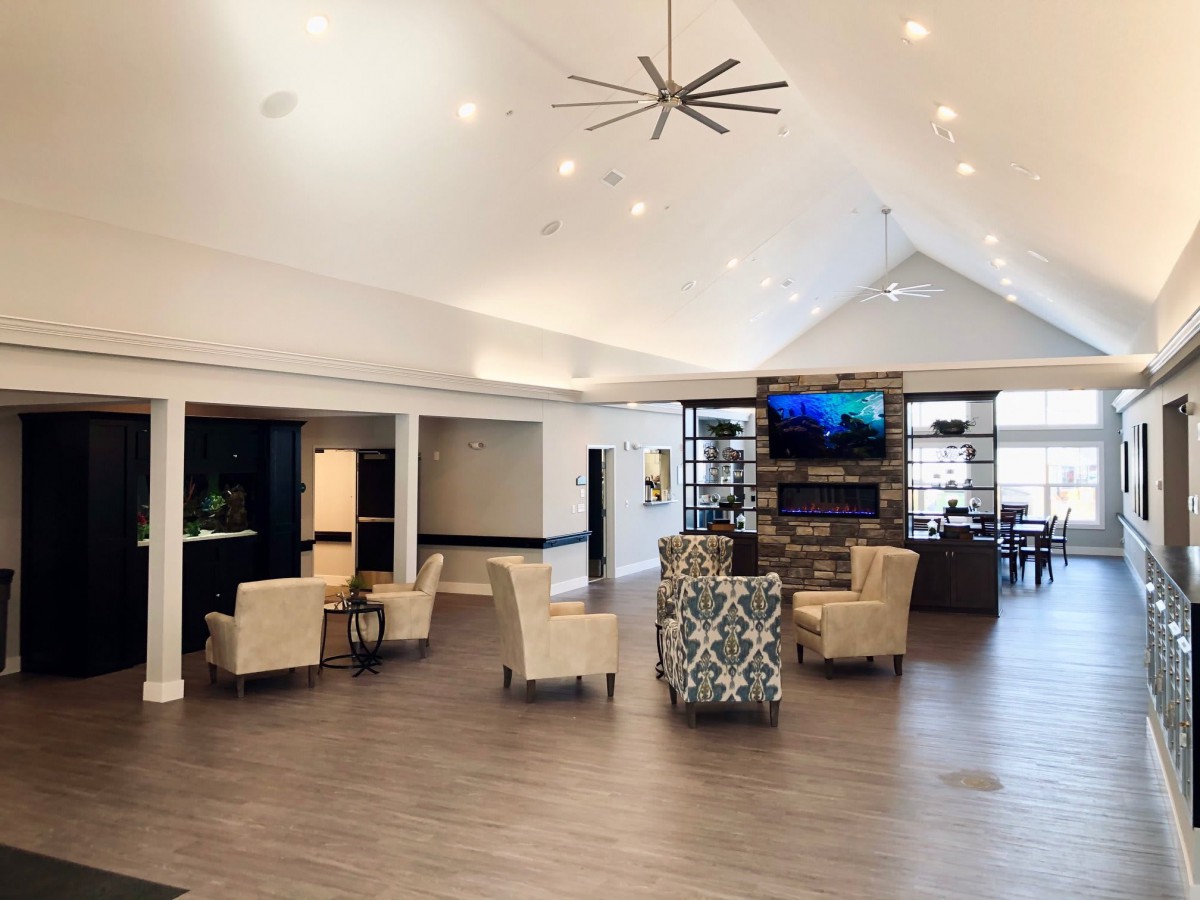
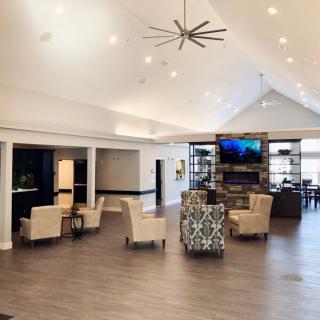
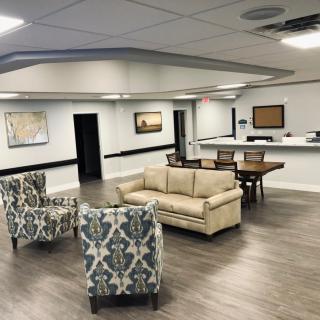
    A modern lobby with comfortable seating and stylish decor.
  • Decor

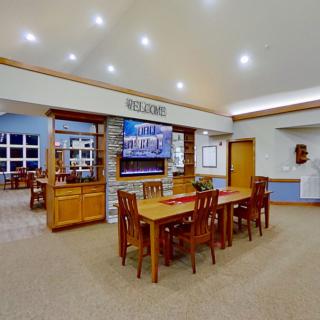
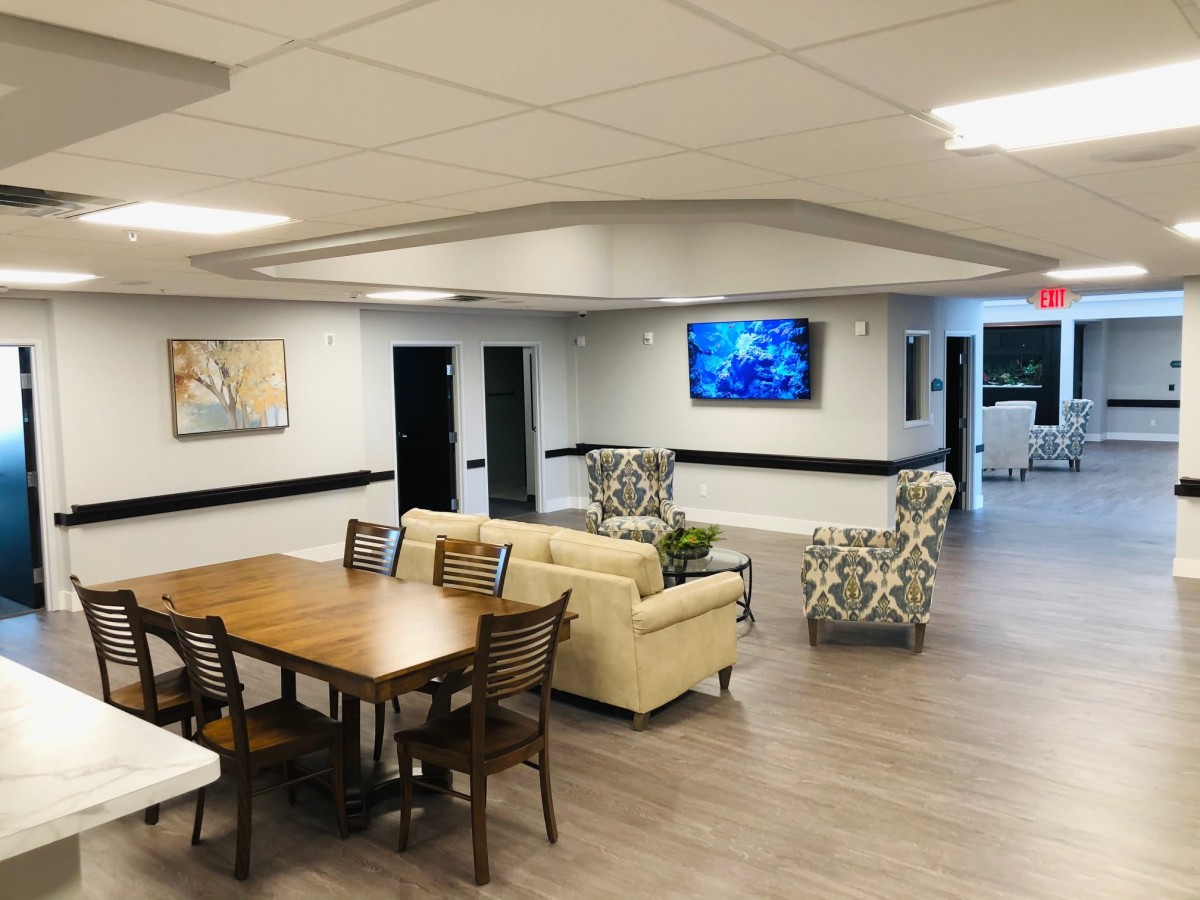
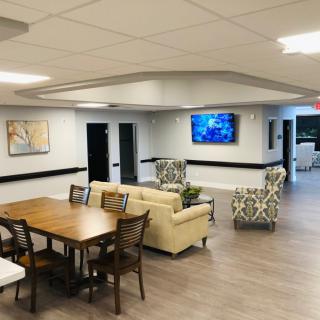
    A modern lounge area with comfortable seating, a television, and a wooden dining table.
  • Building

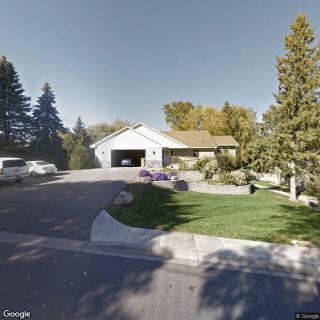
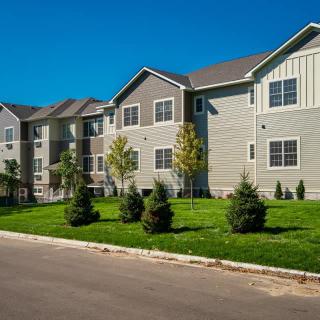
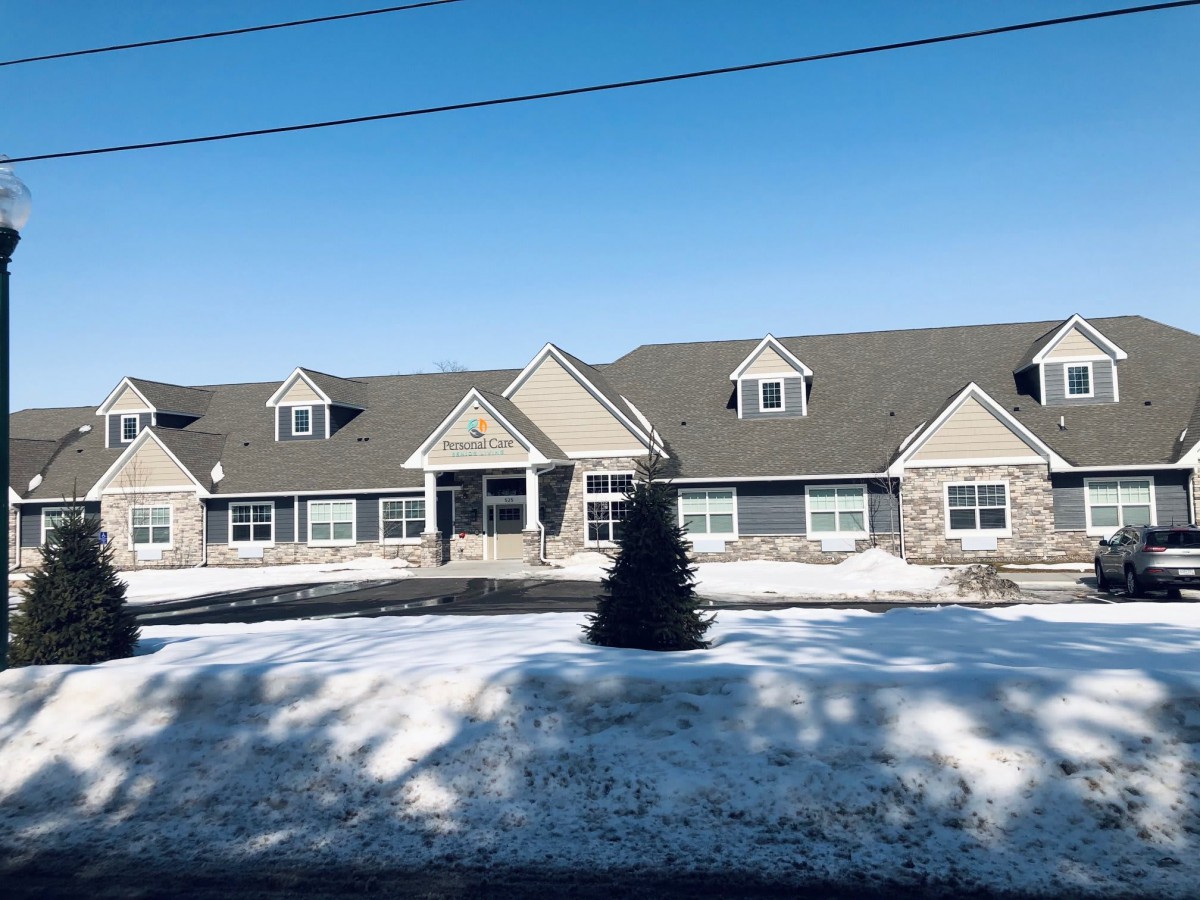
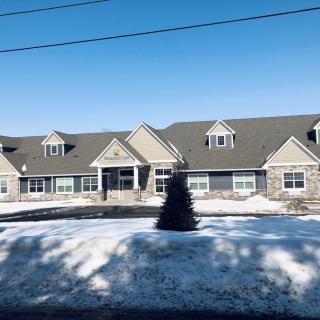
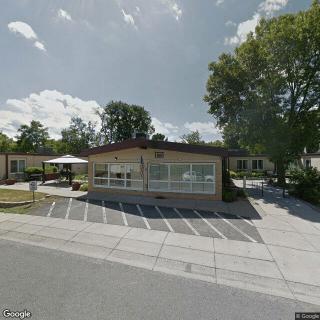
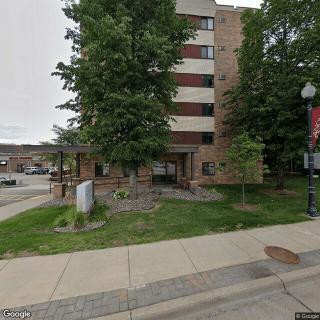
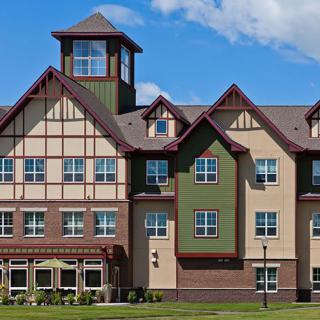
    A suburban building surrounded by snow under a clear blue sky.
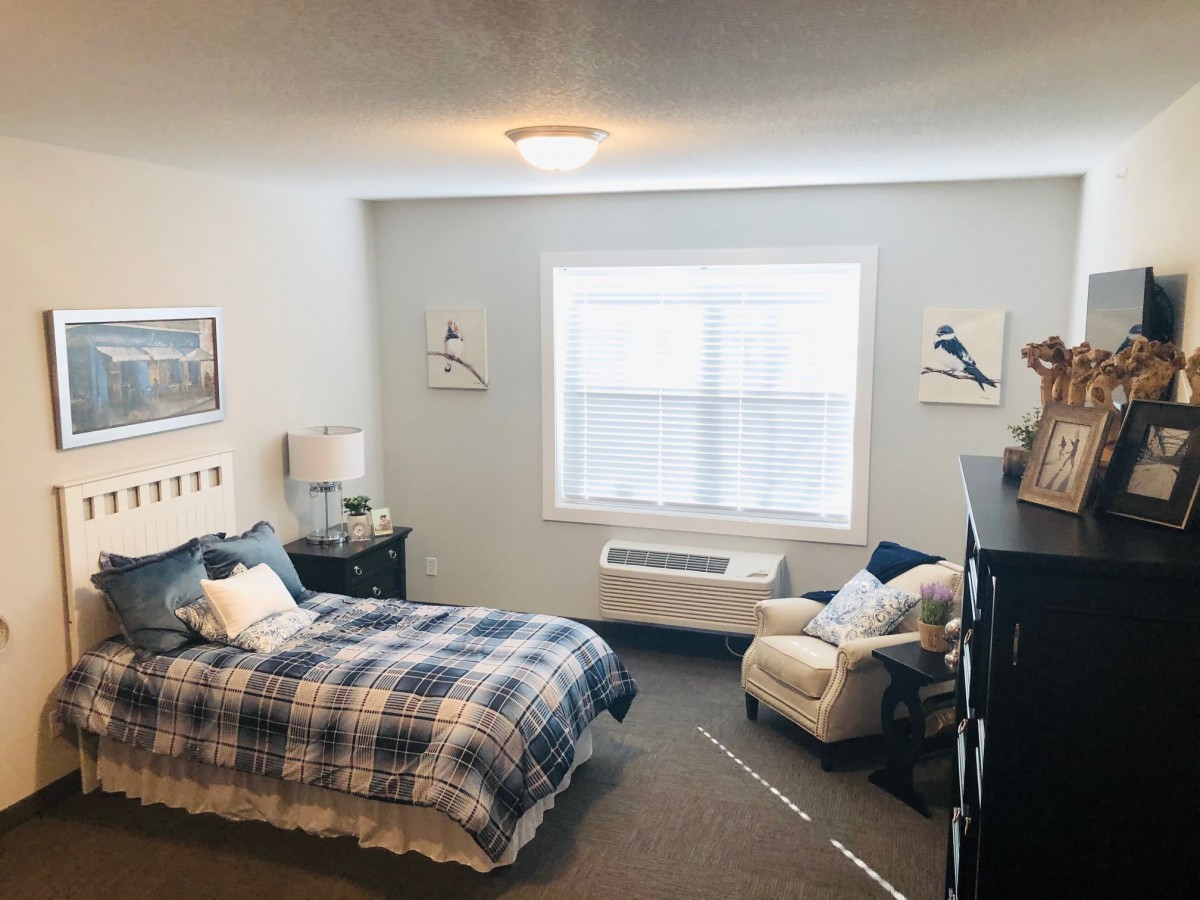
  • Bedroom

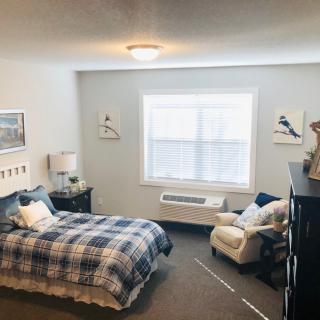
    A cozy bedroom with a plaid bedspread, an armchair, and wall decor.
  • Dining

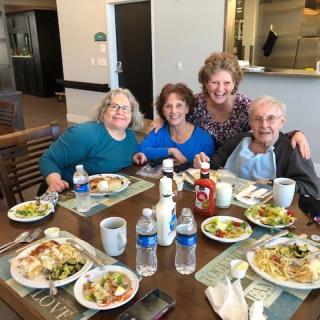
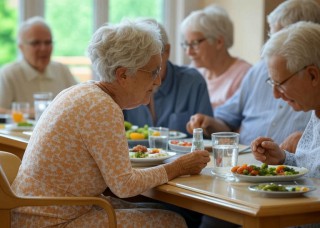
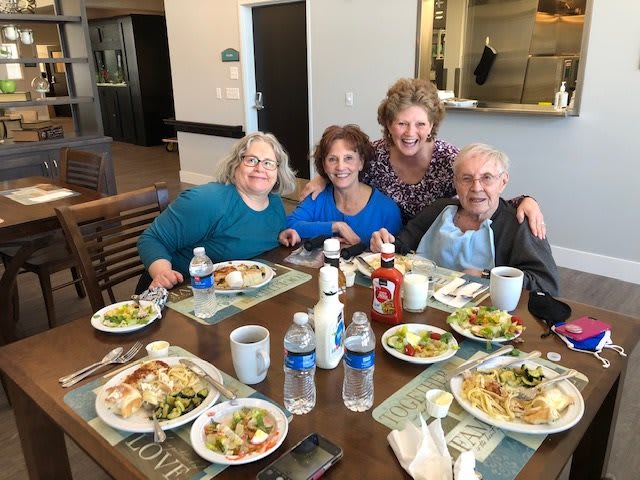
    A group of women enjoying a meal together at a restaurant.
  • Artwork

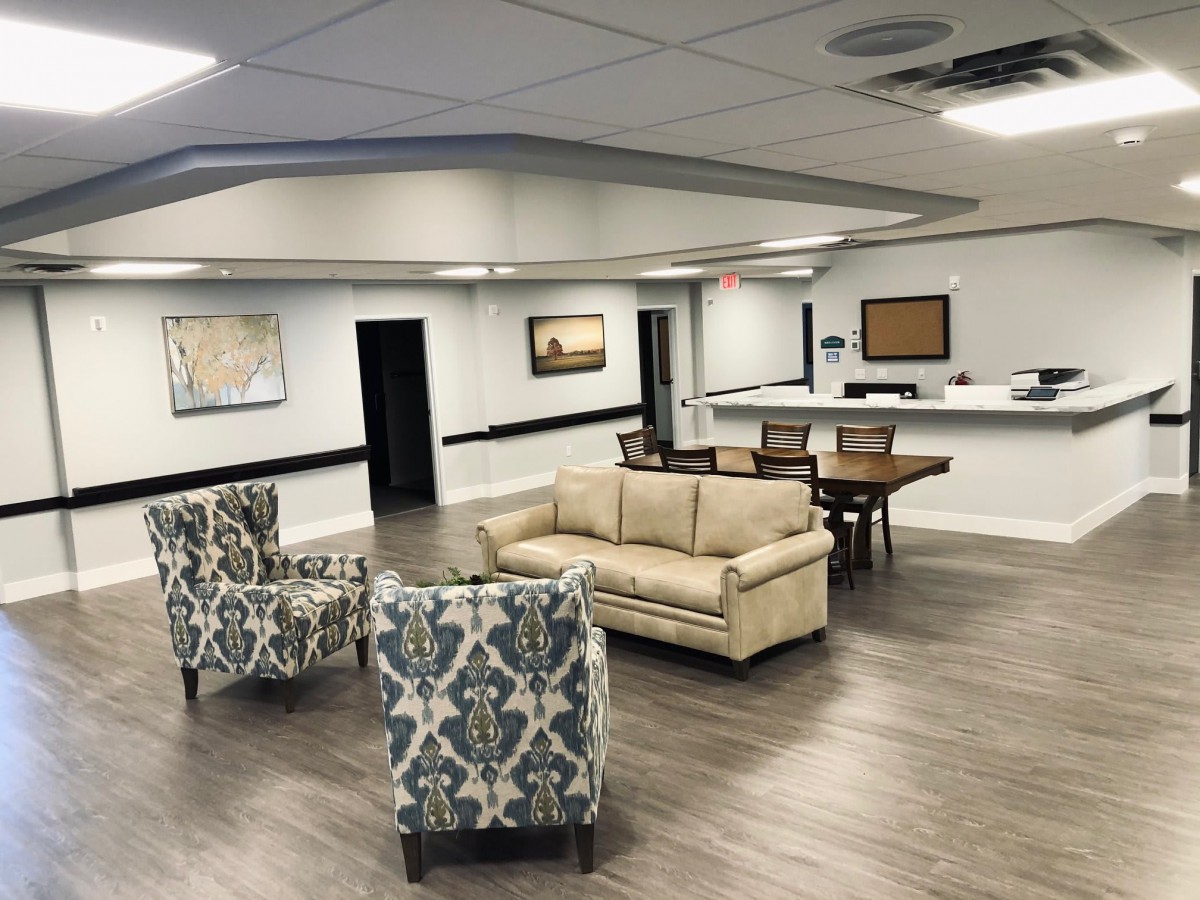
    A modern waiting room with contemporary furniture and artwork on the walls.
  • Bathroom

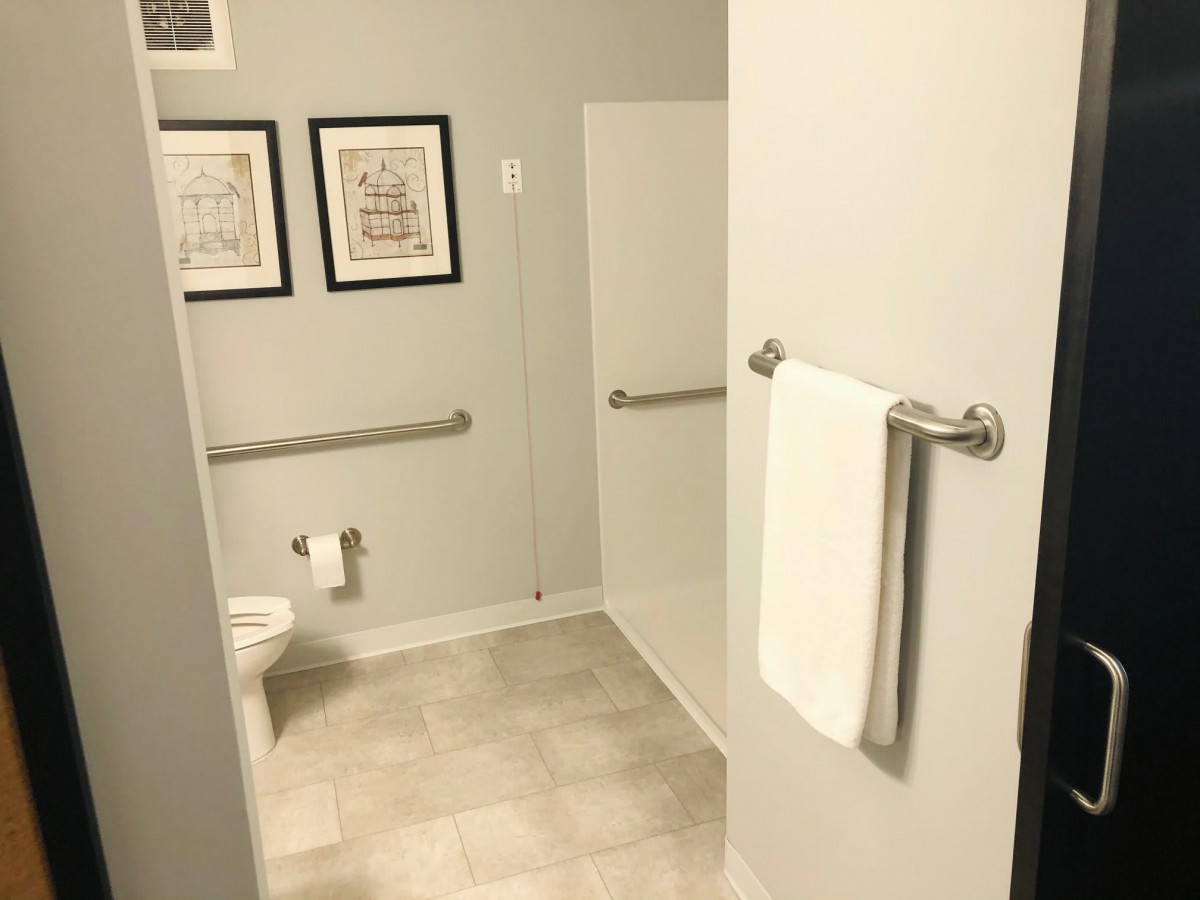
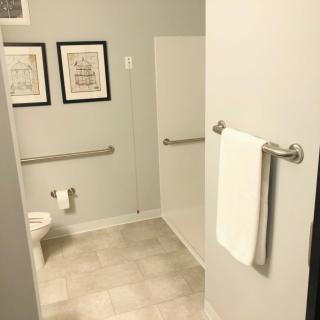
    A clean, well-lit bathroom with simple decor and a towel rack.
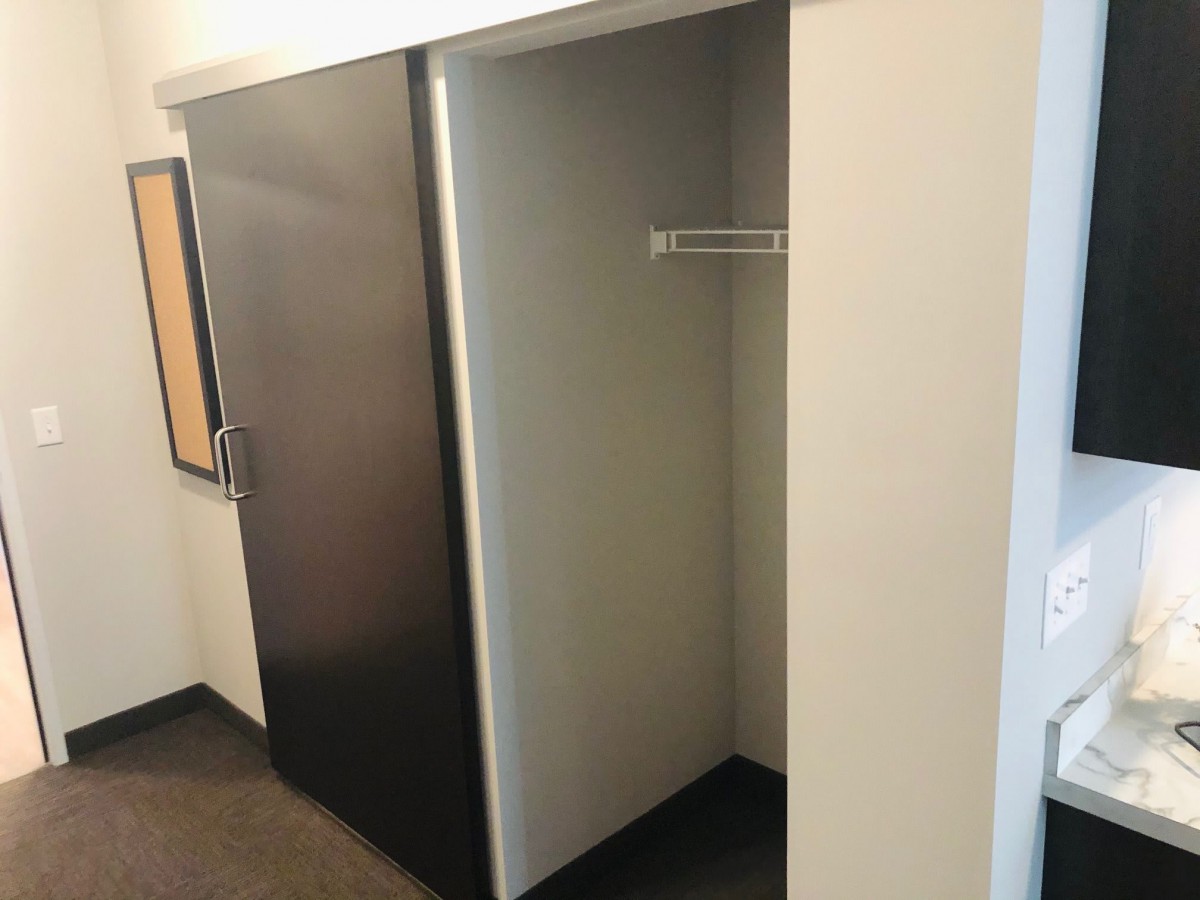
  • Minimalist

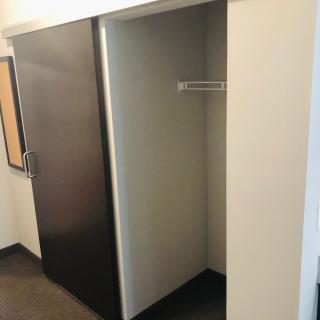
    An empty minimalist closet with a single hanging rod.
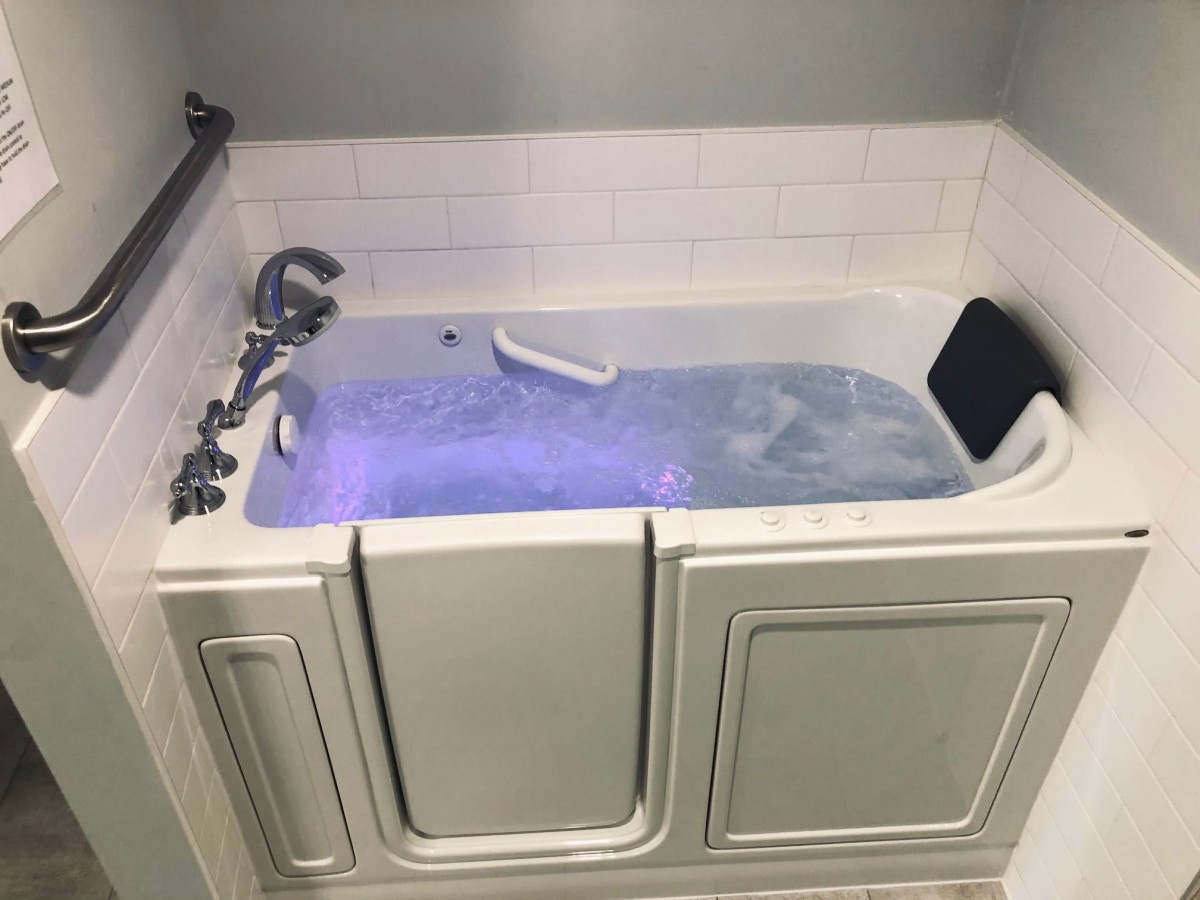
  • Water

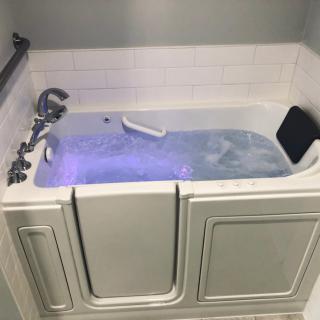
    A walk-in bathtub filled with water, featuring a safety handle and tile backsplash.

Personal Care Senior Living in Anoka, MN

525 Cutter St, Anoka, MN 55303

For more information about senior living options: (844) 490-3973

3.8 from 20 reviews
5 stars
5
4 stars
8
3 stars
5
2 stars
1
1 stars
1

Assisted Living Memory Care

Personal Care Senior Living Costs & Pricing

The costs associated with Personal Care Senior Living can vary significantly when comparing specific accommodations like a studio room in Anoka County to the broader state averages in Minnesota. For instance, a studio in Personal Care Senior Living is priced at $7,030 per month, which starkly contrasts with the more affordable rates of $3,460 in Anoka County and $3,617 statewide. This discrepancy highlights the range of options available for seniors requiring assistance, pointing to a premium for enhanced amenities and services that might be offered in specialized facilities. Families should carefully consider these costs when exploring suitable living arrangements for their loved ones while weighing the benefits and services provided by different care settings.

Floor plansPersonal Care Senior LivingAnoka CountyMinnesota
Studio$7,030$3,460$3,617

What level of care are you interested in?

Assisted Living

Memory Care

Independent Living

Skilled Nursing Facility

Continuing Care Retirement Community (CCRC)CCRC

Other


Request a tour at Personal Care Senior Living

    Overall Review of Personal Care Senior Living

    Pros

    • pro Personal Care Senior Living is described as a true community environment.
    • pro Families report a great tour experience and feel it's a good fit for their loved ones.
    • pro The owners are on site, making it easy to discuss concerns.
    • pro The staff address concerns quickly and provide attentive care.
    • pro Residents enjoy three meals a day and a variety of activities.
    • pro The staff are caring and accommodating, giving a feeling of family.
    • pro People would recommend Personal Care Senior Living to others.
    • pro Thoughtful gestures, like flowers and gifts from the admin, show genuine care.

    Cons

    • pro There is a lot of staff turnover and inconsistency.
    • pro Staffing changes have lowered the quality of the food.
    • pro Some staff are just there doing the minimum and are not consistently attentive.
    • pro The night shift had some issues.
    • pro They tell families what they want to hear but do not follow through on promises.
    • pro Unless families can be on site daily to monitor and advocate, this facility should not be chosen.
    • pro The management company is very poor with dismal results.
    • pro Care was inconsistent, especially regarding how often they checked on residents and toileting needs.

    Review

    Personal Care Senior Living in Anoka is best suited for families seeking a small, home-like environment with an all-inclusive rate and direct access to on-site ownership. The community tends to attract residents who benefit from close daily interactions with staff and a neighborhood feel, rather than a large, impersonal campus. For families who can be present and engaged, this setting can deliver meaningful connection, responsive attention, and a sense of belonging that feels less institutional. It is particularly well suited for those who want a genuinely personable experience, where caregivers know residents well and management is reachable and invested.

    This community shines when it comes to personal touches and day-to-day liveliness. Families repeatedly praise the on-site owners and the hands-on management presence, which translates into quicker responses to concerns and a willingness to accommodate reasonable requests. Residents typically receive three meals daily, and staff are described as caring and attentive, especially during challenging moments. The facility's smaller size supports frequent staff-resident interactions, and the addition of an activities director has noticeably expanded programming - exercise classes, crafts, games, and a steady stream of social opportunities. The atmosphere is described as welcoming and familial, with staff going the extra mile during tough times and a focus on making families feel cared for.

    Yet the positives must be weighed against notable consistency and staffing challenges. Several reviews point to high turnover and uneven quality from shift to shift, with night hours particularly called out for gaps. Food quality has fluctuated as cooks come and go, and some families report having to monitor care closely to ensure standards are maintained. There are echoes of unmet promises, inconsistent check-ins, and moments when families felt unheard by management. In a few accounts, the need to rely on family advocacy or even a private caregiver became essential to sustain a satisfactory level of care. The relatively new facility status contributes to a learning curve for protocols, administrative visibility, and standardized routines.

    These trade-offs matter most for families who cannot or will not supervise care daily. The same strengths that empower engaged families - direct access to owners, a tight-knit milieu, and a price structure that eliminates surprise add-ons - also heighten risk if staffing lapses occur or if residents require more intensive oversight. For memory or dementia residents, the evidence is mixed: care can be responsive, especially when there is active family involvement, but the absence of consistent, seasoned leadership and stable nursing protocols may undermine reliability over time. Families should be prepared to verify care plans, track medication handling, and ensure that expectations are codified in writing rather than left to verbal assurances.

    Alternatives are worth considering for those prioritizing consistency, stability, and robust medical oversight. If a larger team, stronger organizational protocols, or a more predictable food program matter more than intimate touch and a boutique feel, other options may deliver steadier daily care. Residents with advanced memory needs or complex medical schedules may benefit from communities with a longer track record of stable staffing and formally established memory-care protocols. Families who cannot be on-site regularly should weigh whether realistic outreach and monitoring can be sustained in the long run, or if a facility with more structured administrative presence would better support both resident and family.

    In the end, Personal Care Senior Living is a viable choice for families who value proximity, ownership-driven accountability, and a warm, small-community vibe - and who can commit to active oversight. The all-inclusive pricing and the high-touch culture are meaningful differentiators when the care team is stable and engaged. Before moving ahead, conduct thorough diligence: talk to multiple residents and families, ask to review care plans and medication processes, observe at different shifts, and request concrete promises documented in a plan of care. If steady staffing, consistent dining quality, and uninterrupted administrative accessibility are non-negotiables, it may be prudent to explore other options. For families ready to partner closely with a small, neighborly community, this option can deliver genuine, family-feel care with meaningful daily interactions.

    Features

    Types of Care

    • Assisted Living Assisted LivingAssisted living facilities provide crucial support and care for seniors who may need help with daily tasks such as medication management, bathing, and meal preparation. These communities offer a safe and comfortable environment where seniors can maintain their independence while receiving the assistance they need to thrive in their golden years.
    • Memory Care Memory CareMemory care is crucial for seniors as it provides specialized support and services for individuals with dementia or Alzheimer's disease. These programs offer a safe and secure environment where residents receive personalized care, cognitive stimulation, and help with daily activities. Memory care helps seniors maintain their independence, quality of life, and dignity while also providing peace of mind for their families.

    Amenities

    • Activities off-site Activities off-siteEngaging in off-site activities is crucial for seniors to maintain social connections, stay active, and stimulate their minds. It promotes overall well-being and helps combat feelings of isolation and loneliness.
    • Activities on-site Activities on-siteActivities on-site are important for seniors because they provide opportunities for socialization, mental stimulation, physical activity, and overall well-being. Engaging in activities can help seniors stay active, maintain their independence, and improve their quality of life.
    • Air-conditioning Air-conditioningAir conditioning is important for seniors as they are more vulnerable to heat-related illnesses and may have underlying health conditions that make it difficult for them to regulate their body temperature. It helps to keep them comfortable, safe, and healthy in hot weather.
    • Bath tubs Bath tubsBath tubs are important for seniors because they provide a safe and relaxing way to bathe, helping to prevent slips and falls while promoting independence and overall well-being.
    • Beautician on-site Beautician on-siteHaving a beautician on-site at a senior living community is important for seniors as it allows them to easily access grooming and personal care services, boosting their self-esteem and overall well-being. It also provides convenience and helps seniors maintain their sense of independence and personal style.
    • Cable or satellite TV Cable or satellite TVCable or satellite TV is important for seniors because it provides entertainment, news, and companionship, helping to combat loneliness and boredom. It also offers a wide range of programming options tailored to different interests and preferences.
    • Devotional services on-site Devotional services on-siteDevotional services on-site provide seniors with spiritual support and a sense of community, as well as an opportunity for reflection and guidance during their senior living experience. This can promote emotional well-being and connection to others, leading to a more fulfilling and enriching lifestyle in their later years.
    • Ground floor units Ground floor unitsGround floor units are important for seniors because they provide easy accessibility, reduced risk of falls and injuries, and convenience for those with mobility issues. Seniors can avoid climbing stairs or using elevators, making daily tasks and activities more manageable and enjoyable.
    • Handicap accessible Handicap accessible"Handicap accessible" amenities are crucial for seniors to ensure they can easily navigate and access facilities, services, and activities without barriers or limitations due to physical impairments. This promotes independence, safety, and inclusivity for seniors in senior living communities.
    • Indoor common areas Indoor common areasIndoor common areas are crucial for seniors as they provide a space for socialization, recreation, and community engagement, promoting overall well-being and reducing feelings of isolation and loneliness.
    • Kitchenette KitchenetteKitchenettes are important for seniors living in senior living communities because they provide the convenience and independence of being able to prepare simple meals and snacks in the comfort of their own living space. This can help promote a sense of autonomy and well-being for seniors, allowing them to maintain some level of control over their dietary choices and daily routines.
    • Outdoor common areas Outdoor common areasOutdoor common areas are important for seniors as they provide a space for socialization, physical activity, and relaxation. Being outside in nature can improve mood and overall well-being, while also encouraging movement and engagement with others. These spaces can help combat feelings of isolation and promote a sense of community among residents.
    • Swimming pool / hot tub Swimming pool / hot tubSwimming pools and hot tubs are important for seniors as they provide a safe and enjoyable way to stay active, improve mobility, reduce joint pain, and promote relaxation. Regular use of these amenities can contribute to overall well-being and quality of life for older adults living in senior communities.
    • Wheelchair accessible showers Wheelchair accessible showersWheelchair accessible showers are crucial for seniors as they provide a safe and independent bathing option for those with mobility challenges. These showers help prevent falls and allow seniors to maintain their dignity and autonomy while ensuring they can bathe comfortably.
    • Wi-Fi/high-speed internet available Wi-Fi/high-speed internet availableWi-Fi/high-speed internet is important for seniors to stay connected with loved ones, access online resources, and participate in virtual activities to combat feelings of loneliness and isolation. It also allows them to easily manage healthcare needs, access entertainment, and engage in lifelong learning opportunities.

    Transportation

    • Minneapolis-St Paul International (24 miles away) Minneapolis-St Paul International (24 miles away)

    Care Services

    • Diabetic care Diabetic careDiabetic care is crucial for seniors as they are more susceptible to developing diabetes due to aging and other health conditions. Proper management of diabetes can help prevent complications such as heart disease, vision loss, and nerve damage, improving the overall quality of life for seniors in senior living communities.
    • High acuity care High acuity careHigh acuity care is important for seniors because it provides specialized medical attention and support for individuals with complex medical needs. This level of care ensures that seniors receive the appropriate treatment and assistance to maintain their health and quality of life as they age.
    • Incontinence care Incontinence careIncontinence care is essential for seniors to maintain their dignity, hygiene, and overall quality of life. By addressing incontinence issues promptly and effectively, seniors can enjoy a sense of independence and comfort in their daily activities.
    • Medication management Medication managementMedication management is crucial for seniors to ensure they are taking the right medications at the correct dosages and times. This helps prevent adverse drug interactions, reduces the risk of medication errors, and promotes overall health and well-being. Proactive management also allows for adjustments as needed based on changing health conditions or new prescriptions.

    Dining

    • Gluten-free Gluten-freeGluten-free options are important for seniors as they are more prone to digestive issues and dietary sensitivities. Offering gluten-free meal choices in senior living communities can help improve their overall health and well-being.
    • Guest meals Guest mealsGuest meals are important for seniors living in senior living communities because they provide an opportunity for socialization and companionship. Sharing a meal with friends, family, or new acquaintances can help combat feelings of loneliness and isolation, promote a sense of community, and enhance overall well-being. Additionally, guest meals allow seniors to enjoy delicious food in a comfortable setting without the hassle of cooking or cleaning up, making dining a pleasurable and stress-free experience.
    • International cuisine International cuisineInternational cuisine is important for seniors because it offers a variety of flavors, ingredients, and cultural experiences that can help keep their meals interesting and enjoyable. Trying new dishes can also stimulate the senses and provide different nutrients that contribute to overall health and well-being. Additionally, exploring international cuisine can bring back fond memories of travels or childhood experiences, making mealtime more nostalgic and fulfilling for seniors.
    • Low / no sodium Low / no sodiumLow/no sodium options are important for seniors because excessive sodium intake can lead to high blood pressure, heart disease, and other health issues commonly experienced by older adults. By choosing low/no sodium foods, seniors can better manage their health and reduce their risk of developing these conditions.
    • Meals provided Meals provided"Meals provided" are crucial for seniors in assisted living communities as it ensures they have access to nutritious, balanced meals without the stress of meal planning and preparation. This can help promote overall health and well-being for seniors who may have limited mobility or cognitive abilities.
    • No Sugar No SugarNo sugar diets are important for seniors because they can help prevent or manage chronic conditions such as diabetes, heart disease, and obesity. Sugar can also contribute to cognitive decline and inflammation in the body, so reducing sugar intake can lead to overall improved health and well-being in older adults.
    • Professional chef Professional chefProfessional chefs are important for seniors living in senior living communities because they provide nutritious and delicious meals that cater to their dietary needs and preferences. A professional chef can ensure that seniors are receiving balanced, flavorful meals that support their overall health and well-being.
    • Restaurant style dining Restaurant style diningRestaurant style dining is important for seniors as it offers them a social and enjoyable dining experience, promotes healthy eating habits, and provides personalized menu options to cater to their dietary needs and preferences. This type of dining setting can enhance their overall quality of life and create a sense of community within the senior living facility.
    • Room service Room serviceRoom service is important for seniors in a senior living community because it provides convenience and allows them to have their meals delivered directly to their room. This can be especially beneficial for seniors who may have mobility issues or difficulty accessing the dining area. Room service ensures that seniors are able to receive nutritious meals without having to navigate through the facility, allowing them to maintain their independence and overall well-being.
    • Special dining programs Special dining programsSpecial dining programs are important for seniors because they provide nutritious meals tailored to their dietary needs and preferences. These programs also offer socialization opportunities, promote overall health and well-being, and can help prevent malnutrition.
    • Vegetarian VegetarianA vegetarian diet is important for seniors because it can help lower the risk of chronic diseases, maintain a healthy weight, and provide essential nutrients needed for aging bodies. Additionally, plant-based diets are often easier on digestive systems and can contribute to overall well-being in older adults.

    Activities

    • Art classes Art classesArt classes are important for seniors because they provide a creative outlet, improve cognitive function, reduce stress and anxiety, promote socialization, and enhance overall well-being and quality of life.
    • Brain fitness Brain fitnessBrain fitness is important for seniors as it helps to maintain cognitive function, memory, and overall mental well-being. Engaging in activities that challenge the brain can help prevent cognitive decline and promote a healthier, more fulfilling quality of life in older adults.
    • Cooking classes Cooking classesCooking classes are important for seniors as they provide opportunities for social interaction, enhance cognitive skills, promote healthy eating habits, and boost confidence in the kitchen.
    • Day trips and outings Day trips and outingsDay trips and outings are important for seniors as they provide opportunities for socialization, mental stimulation, physical activity, and a break from daily routines. These experiences can enhance overall well-being and quality of life for older adults living in senior communities.
    • Devotional activities on-site Devotional activities on-siteDevotional activities on-site provide seniors with a sense of community, spiritual fulfillment, and emotional support, promoting overall well-being and a positive sense of purpose in their lives.
    • Happy hour Happy hourHappy hour is important for seniors as it provides a social activity that promotes camaraderie and reduces feelings of loneliness or isolation. It also offers an opportunity for older adults to relax, unwind, and enjoy some drinks or snacks in a fun and welcoming atmosphere.
    • Karaoke KaraokeKaraoke provides seniors with a fun and social activity that can boost mood, confidence, and cognitive function. It encourages social interaction, physical movement, and creative expression, making it an important form of entertainment for senior living communities.
    • Live dance or theater performances Live dance or theater performancesLive dance or theater performances are important for seniors because they provide opportunities for socialization, mental stimulation, and emotional engagement. These performances can help combat feelings of isolation and loneliness, while also offering a sense of connection to the arts and culture. Additionally, watching live performances can bring joy and create lasting memories for seniors in their later years.
    • Live musical performances Live musical performancesLive musical performances can provide seniors with a sense of joy, nostalgia, and connection. Music has the power to evoke emotions and memories, improve mood and cognitive function, and foster social interaction among seniors. It can also serve as a form of therapy and stress relief for older adults, making it an important activity to include in senior living communities.
    • Live well programs Live well programs"Live well programs are essential for seniors as they provide opportunities for physical activity, social engagement, and mental stimulation, ultimately promoting overall health and well-being in later years."
    • Stretching classes Stretching classesStretching classes are important for seniors because they help improve flexibility, reduce the risk of injury, and promote overall health and well-being. Regular stretching can also help alleviate joint pain and stiffness, enhance balance and coordination, and increase range of motion.
    • Wine tasting Wine tastingWine tasting can be a fun and social activity for seniors, allowing them to engage their senses, learn about different varieties of wine, and potentially meet new friends. It also offers health benefits such as improved cognitive function and reduced risk of heart disease when consumed in moderation.
    • Yoga / chair yoga Yoga / chair yogaYoga and chair yoga are important for seniors as they promote flexibility, balance, strength, and overall wellbeing. These practices can help improve mobility, reduce stress, and enhance mental clarity, ultimately leading to a higher quality of life in their senior years.

    Description

    The assisted living community in Anoka, MN provides exceptional care for seniors in need of memory care services. The community offers a range of amenities and care services to ensure the comfort and well-being of its residents.

    Residents can enjoy a variety of activities on-site, including brain fitness programs, cooking classes, and live performances. They also have access to indoor and outdoor common areas, where they can socialize with other residents or simply relax. For those who want to stay active, there are stretching classes and yoga sessions available.

    The community is equipped with air-conditioning to provide a comfortable environment even during hot summer months. Every unit has either a bath tub or wheelchair accessible showers, ensuring that each resident's bathing needs are met. Wi-Fi/high-speed internet is available throughout the community for residents to stay connected with loved ones.

    A professional chef prepares nutritious meals for the residents, catering to different dietary needs such as low/no sodium, vegetarian options, and no sugar meals. The dining experience is restaurant-style, offering delicious international cuisine. Room service is also available for those who prefer dining in their own space.

    In terms of care services, the community offers high acuity care for individuals with complex medical conditions. Incontinence care and medication management are provided by trained staff members who prioritize the health and comfort of each resident.

    Located in Anoka, the community enjoys proximity to various amenities like cafes, parks, pharmacies, physicians' offices, restaurants, places of worship, theaters, and hospitals. This makes it convenient for residents to access additional resources within their neighborhood.

    Overall, this assisted living community in Anoka provides personalized memory care in a comfortable setting while offering an array of amenities and activities that enhance the quality of life for its residents.

    Nearby Places of Interest

    This part of Anoka, Minnesota offers a convenient and diverse range of amenities for seniors looking to settle in the area. With several healthcare facilities nearby, including HealthPartners Riverway Clinic and Mercy Orthopedics Clinic, residents have access to quality medical services. Pharmacies such as Walgreens and CVS are also within close proximity for medication needs. In terms of dining options, there are a variety of restaurants to choose from, ranging from casual spots like Willy Mccoys to more upscale venues like Ambi Wine Bar. For recreation, several parks such as Pennisula Park and Riverdale Park offer opportunities for outdoor activities. Additionally, the area boasts easy access to places of worship like Saint Katharine Drexel Catholic Church and entertainment options like Andover Cinema. Overall, this neighborhood provides a well-rounded community for seniors seeking a comfortable and convenient living environment.

    Physicians

    • HealthPartners Riverway Clinic Anoka (0.3 miles)
    • Mercy Orthopedics Clinic (2 miles)
    • Dr Kara Durick, Optometrist, and Associates - Coon Rapids (2.2 miles)
    • North Suburban Eye Specialists (2.3 miles)
    • The Dental Specialists (2.4 miles)
    • Allina Hospitals & Clinics (3.1 miles)
    • Allina Health Ramsey Clinic (3.2 miles)

    Cafes

    • Caribou Coffee (0.4 miles)
    • Caribou Coffee (5.6 miles)
    • Starbucks (7 miles)
    • Starbucks (7.5 miles)
    • Caribou Coffee (7.5 miles)

    Pharmacies

    • Walgreens (0.5 miles)
    • CVS Pharmacy (1.1 miles)
    • Dakota Drug (1.5 miles)
    • Walmart Pharmacy (1.9 miles)
    • Cub Pharmacy (1.9 miles)
    • Walgreens (2.3 miles)
    • CVS Pharmacy (2.4 miles)

    Restaurants

    • 10K Brewing (0.6 miles)
    • Ambi Wine Bar (0.6 miles)
    • Willy Mccoys Champlin (1.7 miles)
    • Willy Mccoys (2 miles)
    • Boston's Restaurant & Sports Bar (2.1 miles)
    • Mandarin Buffet (2.3 miles)
    • Pappy's (2.5 miles)

    Parks

    • Pennisula Park (0.9 miles)
    • Riverdale Park (2.3 miles)
    • Crooked Lake Park & Beach (3.1 miles)
    • Kelsey Round Lake Park (3.5 miles)
    • Sunshine Park (5 miles)
    • Pinebrook Park (6.3 miles)

    Hospitals

    • Anoka Metro Regional Treatment Center (1.3 miles)

    Places of Worship

    • Saint Katharine Drexel Catholic Church (3 miles)
    • Ephiphany Catholic Church (4.7 miles)

    Theaters

    • Andover Cinema (4.4 miles)
    • AMC Coon Rapids 16 (6.9 miles)

    Frequently Asked Questions

    How much does it cost to live at Personal Care Senior Living in Anoka, MN?
    Where is Personal Care Senior Living?
    Does Personal Care Senior Living provide care for residents with dementia or Alzheimer's disease?
    What photos are available for Personal Care Senior Living in Anoka, Minnesota?

    Nearby Communities

    • Personal Care Management

      Personal Care Management

      Anoka, MN

      5 from 2 reviews
       

      pro Small-to-mid-sized assisted living with comprehensive ADL support and strong care coordination.

    • Avalon Home Care

      Avalon Home Care

      Anoka, MN

      1 from 1 review
       

      pro Small, fully furnished community with 24/7 care and comprehensive services.

    • Benedictine Living Community Anoka

      Benedictine Living Community Anoka

      Anoka, MN

      4.6 from 68 reviews
      $3,130 to $3,530 / month

      pro Caring, responsive staff; welcoming atmosphere; good dining and engaging activities.

    • The Legacy Of St Anthony II

      The Legacy Of St Anthony II

      Anoka, MN

      4.6 from 48 reviews
       

      pro Caring staff, comprehensive care, and a wide range of amenities.

    • The Estates At Twin Rivers

      The Estates At Twin Rivers

      Anoka, MN

      2.9 from 42 reviews
      $840 / month

      pro Some English-speaking nurses provide good engagement and there is care continuity for long-term residents.

    • Walker on the River

      Walker on the River

      Anoka, MN

      3.5 from 2 reviews
       

      pro Excellent access to dining, parks, pharmacies, doctors, worship, theater, and a hospital nearby.

    • The Homestead at Anoka

      The Homestead at Anoka

      Anoka, MN

      3.7 from 153 reviews
      $1,540 to $2,950 / month

      pro Friendly staff in a clean, modern facility with engaging activities.

    • Gabby Care Homes

      Gabby Care Homes

      Champlin, MN

      4.5 from 34 reviews
       

      pro Small, intimate setting with comprehensive, personalized care.

    • Camilia Rose Care Center

      Camilia Rose Care Center

      Coon Rapids, MN

      3 from 10 reviews
       

      pro Warm, courteous staff in a clean, inviting facility with engaging amenities.

    Related Resources

    • best foods for dementia patients to eatNourishing the Mind: Essential Dietary Approaches for Dementia

      Dementia is characterized by cognitive decline, with nutrition playing a vital role in brain health; while no specific diet can prevent or reverse it, a nutrient-dense diet rich in antioxidants and healthy fats may support cognitive function. The MIND diet, which emphasizes beneficial foods and limits processed items, along with proper hydration and individualized meal strategies, can enhance the well-being of dementia patients.

    • dementia behaviorsUnderstanding Dementia Behaviors: Practical Insights and Strategies for Caregivers

      Dementia affects memory and cognitive function in older adults, presenting challenges for caregivers due to behavioral changes such as confusion and mood swings. Compassionate, person-centered care that considers individual history and preferences, along with effective communication and environmental modifications, is essential for supporting both patients and their caregivers.

    • dementia and angerWhen Dementia Sparks Anger and Aggression: Understanding the Connection and Ways to Cope
      Dementia leads to cognitive impairment and can cause emotional and behavioral changes, including aggression that arises from frustration, confusion, or fear. Effective coping strategies for caregivers include understanding dementia's nature, recognizing triggers, using empathetic communication, and employing non-pharmacological interventions like music and art therapy.


    Get Pricing Ask A Question Schedule A Tour Contact Senior Advisor