
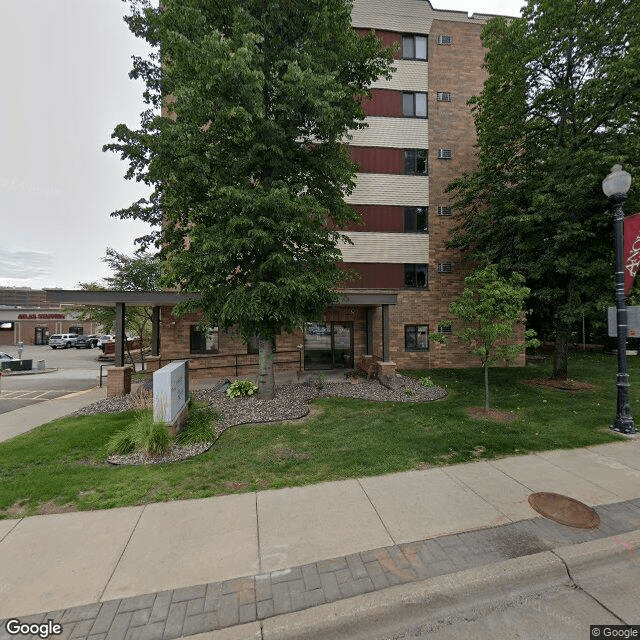
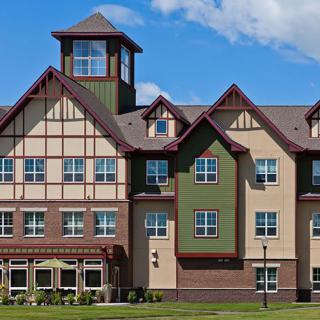
1906 South Ferry St, Anoka, MN 55303
To contact a resident: (763) 421-0434
For more information about senior living options: (866) 208-4318
Overall Review of Walker on the River
Pros
 It is a wonderful place for low income senior housing.
Cons
 The building manager is crabby and rude.
- Residents tend to be bullies and cranky.
- It’s a sad place to visit.
- An attitude adjustment is needed across the building.
- There is concern for families living there.
- Mental health support is lacking.
Review
Walker on the River in Anoka, MN is best suited for budget-conscious seniors who need reliable, low-cost housing more than high-touch care. The community delivers the basic stability fixed incomes require, without the premium price tag of more service-rich options. It serves residents who are comfortable living in a practical, no-frills setting where rents are predictable and transitions between units are routine. For seniors who prize affordability above all else, this housing provides a workable, down-to-earth home that can preserve independence without draining savings. When the objective is to stretch retirement dollars while maintaining autonomy, this option earns serious consideration.
That said, it is not a fit for every senior. Families and individuals seeking warmth, consistent courtesy from staff, and a proactively managed environment should look elsewhere. The reviews point to a management style that can feel brusque, and the social climate described as tense or even bullying can amplify loneliness rather than diminish it. Those who rely on readily available mental health support, robust social programming, or a culture of neighborly regard will likely encounter meaningful gaps here. Alternatives with stronger resident engagement and more responsive leadership deserve comparison before making a commitment.
Even with the limitations, the price point remains a meaningful pro that can offset many concerns for the right resident. The strongest driver is affordability: rent that fits fixed incomes, low risk of sudden increases, and a basic level of housing security. For someone who prioritizes staying within budget over living in a boutique setting, the financial relief reduces daily stress and simplifies long-term planning. The prevailing sentiment that this is “wonderful for low income senior housing” underscores a practical advantage, making it feasible to stay independent without chasing subsidies or precarious financial juggling.
That financial reprieve, however, does not erase the reality of a difficult social atmosphere. Where money saves stress, people-management and customer-service quality can still sow friction. A cranky building manager paired with a resident culture described as bullying signals ongoing friction that touches ordinary tasks, from requests and maintenance to just moving about common spaces. When support services are limited, even modest needs require a patient, empathetic staff, something that seems inconsistent here. The tension between affordable housing and interpersonal strain becomes the critical hinge that families must weigh.
From a risk perspective, the absence of robust mental health support is the deepest structural weakness. Seniors facing loneliness, anxiety, or early cognitive health challenges may find only limited avenues for help, which can escalate crises or erode well-being. The social environment, if left unchecked, can drain rather than bolster daily life, undermining the very aim of housing as a stabilizing force. In short, the attractive price tag is offset by a management-and-community dynamic that undermines comfort, safety, and peace of mind for residents who need more responsive care and a calmer, more respectful culture.
For families weighing Walker on the River, the prudent course is a deliberate visit with a clear checklist: observe interactions between staff and residents at different times, ask about response times to maintenance requests, probe the grievance process, and confirm the availability of social work or counseling referrals. Compare this option with other nearby communities that offer stronger resident councils, more consistent courtesy, and on-site support services. The decision hinges on whether affordability alone can justify tolerating social frictions and service gaps. When the goal is stable, debt-free housing with a degree of independence, this community can fit; when the aim is a genuinely supportive, health-forward environment, it is wise to cast a wider net.
 Active Adult Communities (55+)
 Minneapolis-St Paul International (24 miles away)



 In-Depth Look at the VA Aid and Attendance Program
 Nurturing Our Loved Ones: A Daughter's Journey in Caring for Her Mother
 Nurturing Our Elders: Linda's Journey of Supporting Her Mother