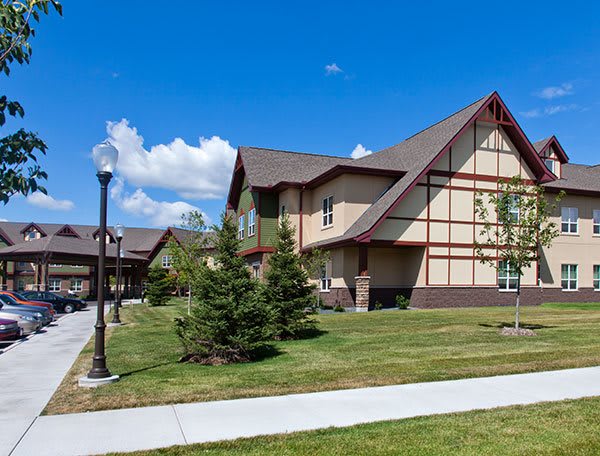
The Homestead at Anoka

Save

  • Interior

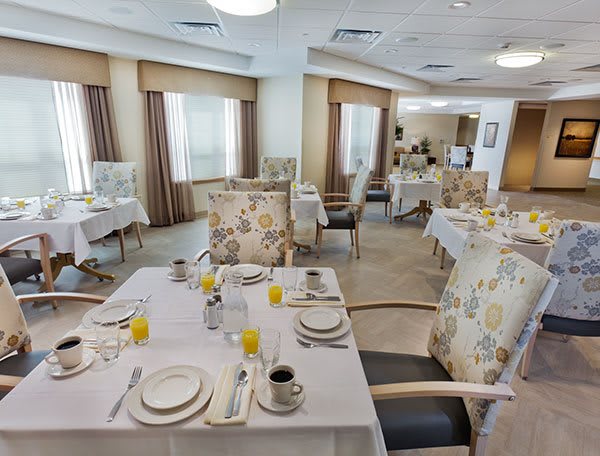
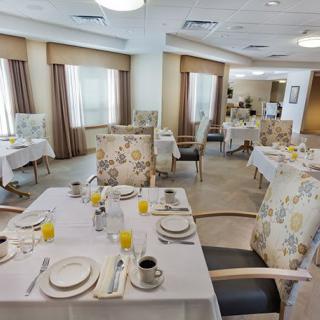
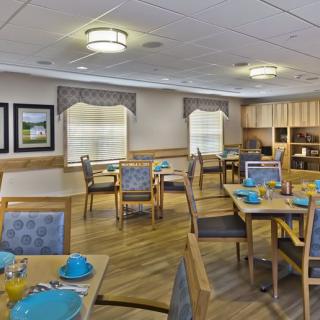
    A well-lit dining room with elegantly set tables and comfortable chairs.
  • Outdoors

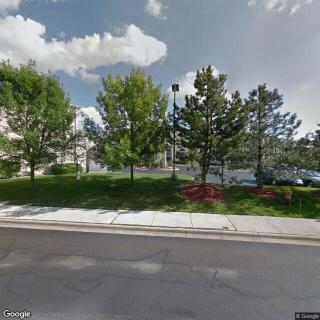
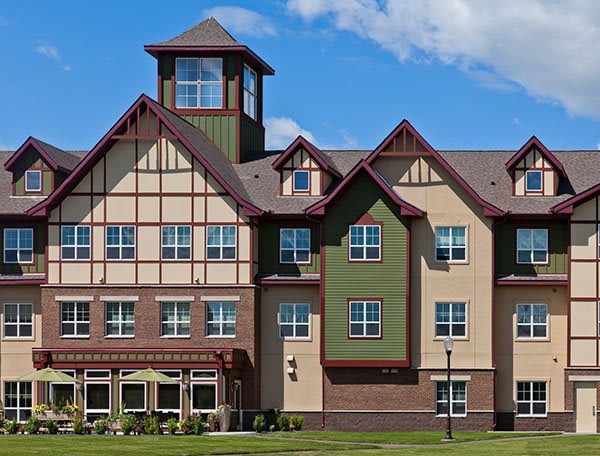
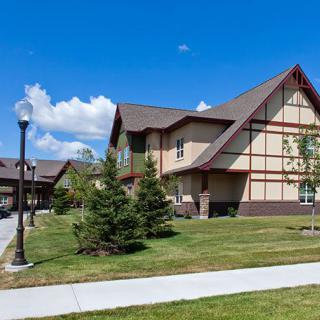
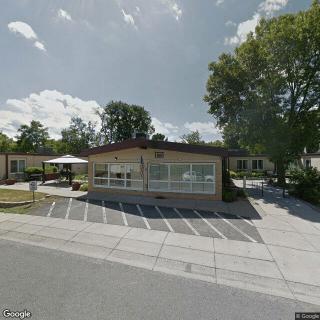
    A suburban style house with a sloped roof surrounded by a well-kept lawn and trees under a clear blue sky.
  • Decor

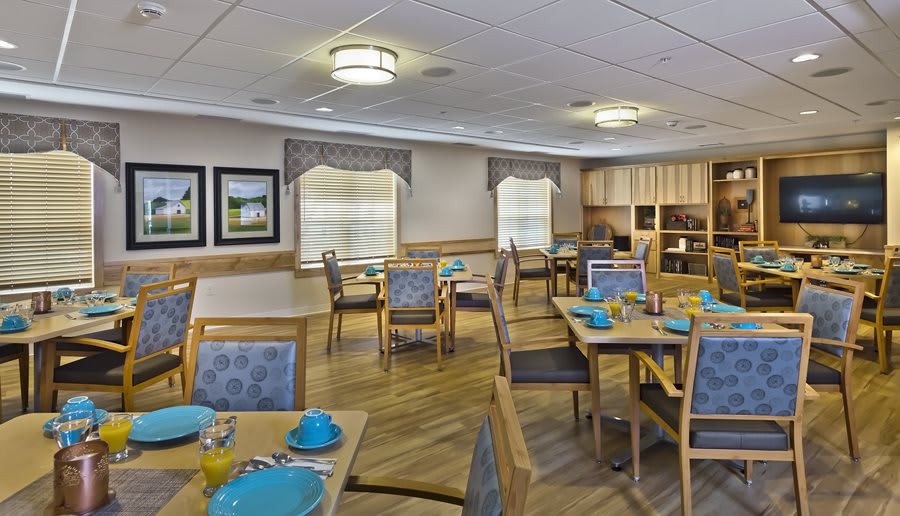
    An inviting dining room with tables and chairs neatly arranged, featuring blue dishware and warm lighting.
  • Living Room

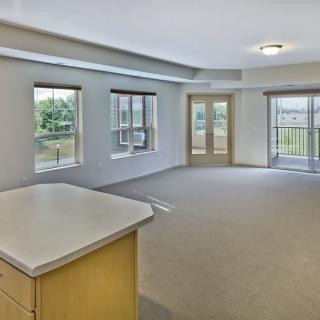
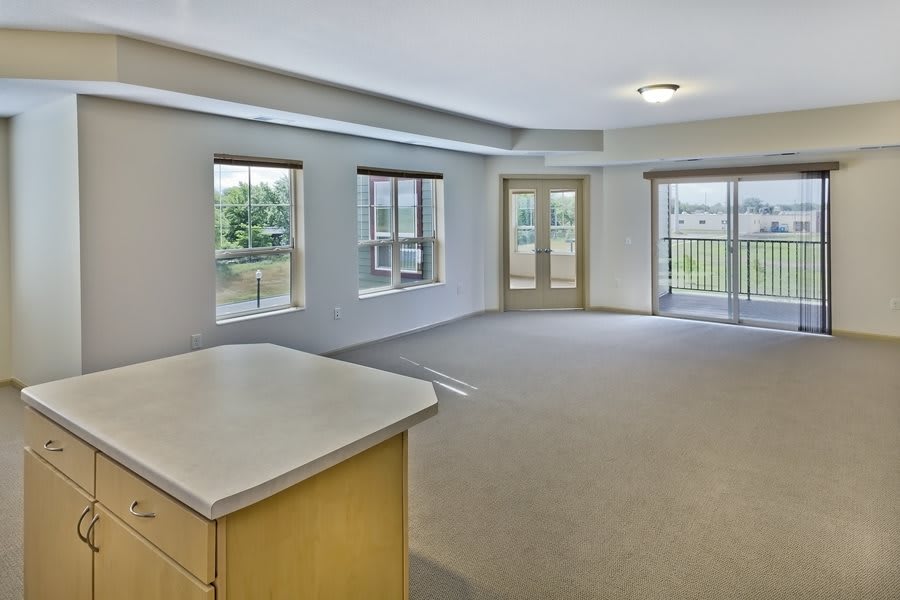
    An empty apartment living room featuring large windows and ample natural light.
  • Building

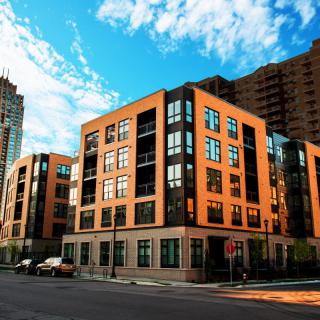
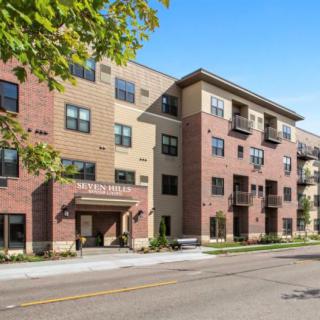
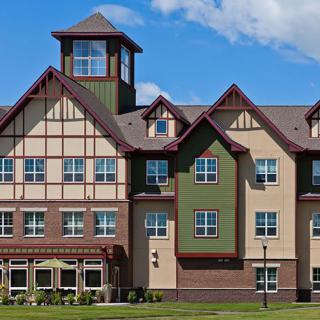
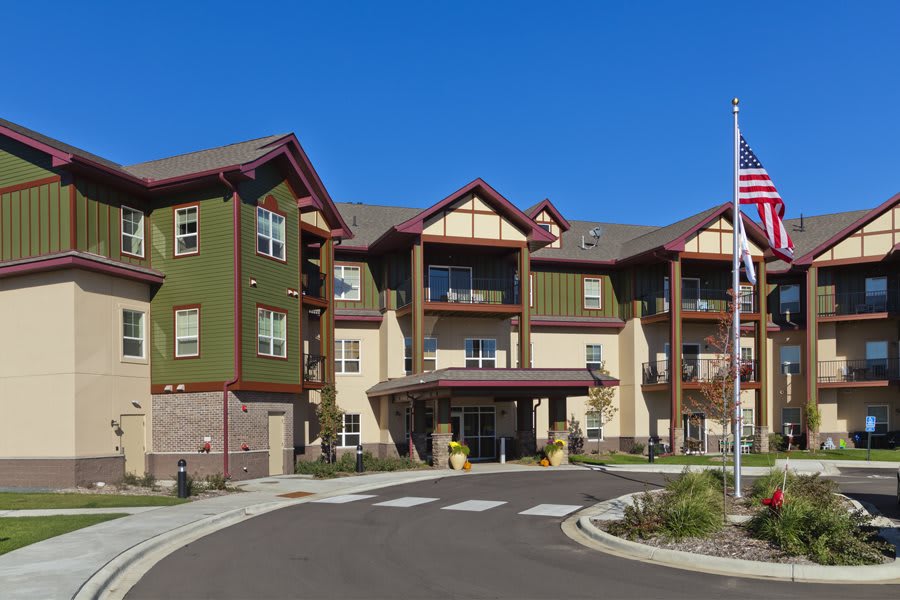
    A modern residential building with a unique architectural design featuring a mix of colors and shapes under a blue sky.
  • Architecture

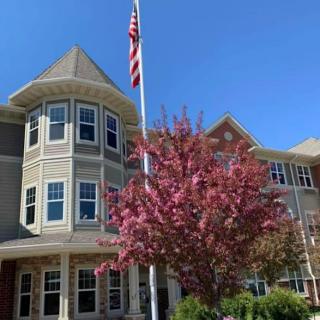
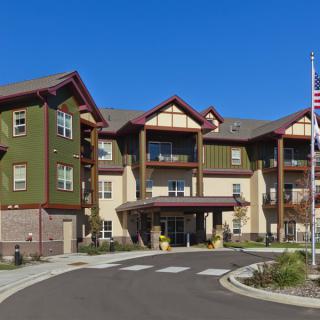
    A sunny day view of a residential senior living facility with landscaped surroundings.
  • Windows

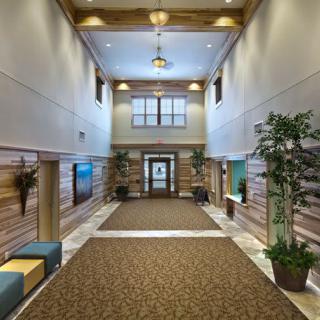
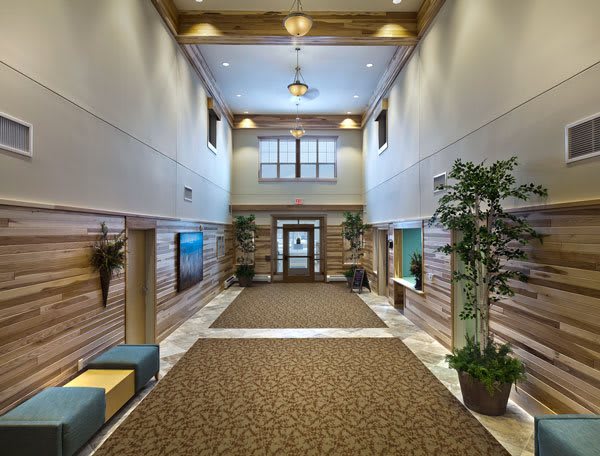
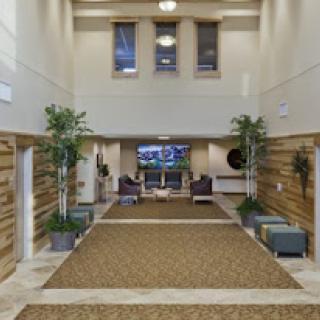
    A spacious and well-lit lobby with plants, benches, and carpeted flooring.
  • Dining

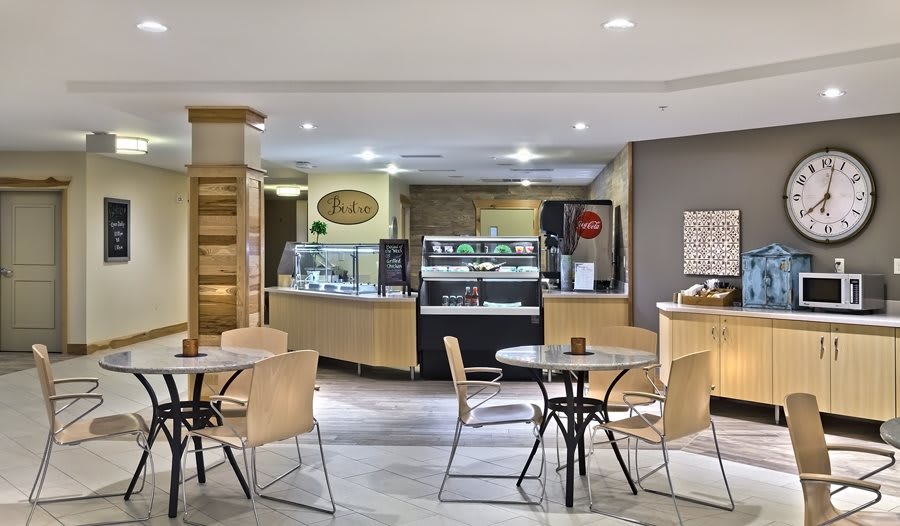
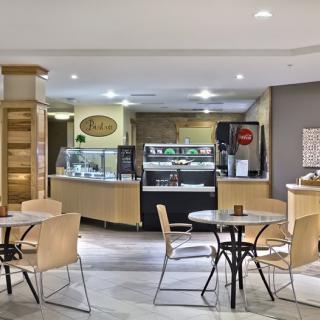
    A cozy cafe interior with tables and chairs arranged around a display counter.
  • Kitchen

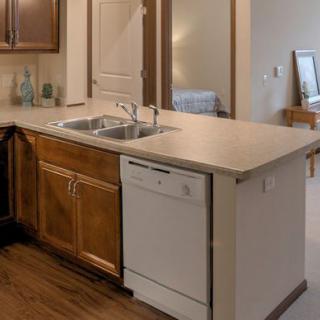
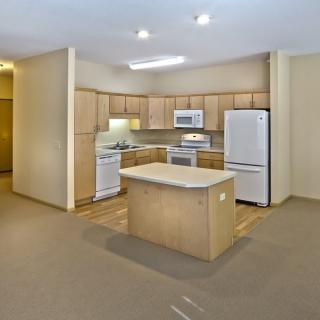
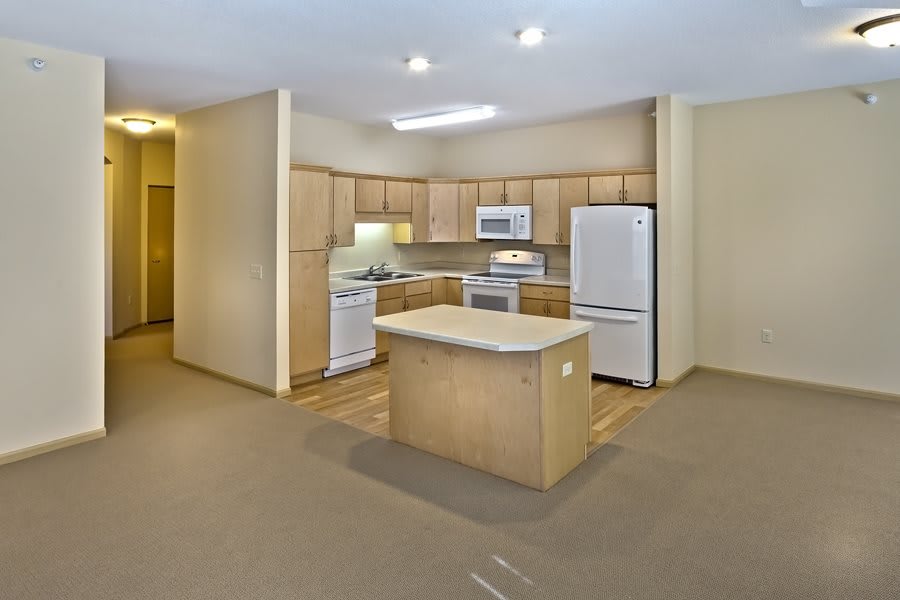
    A modern kitchen with wooden cabinets, a central island, and various appliances.
  • Lighting

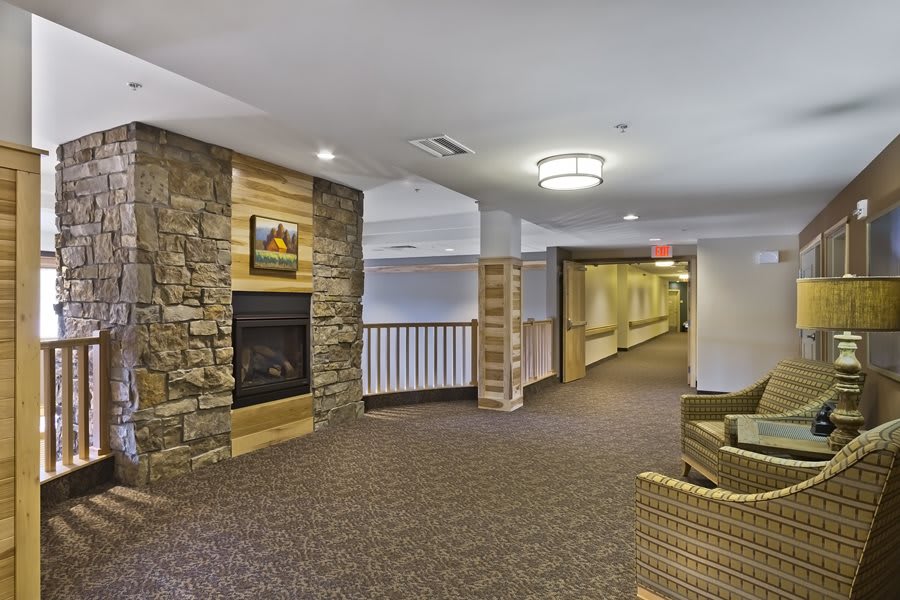
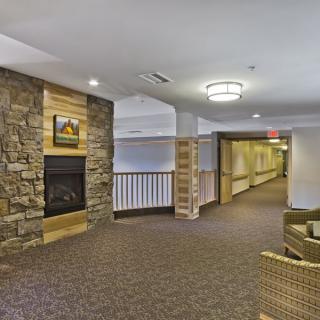
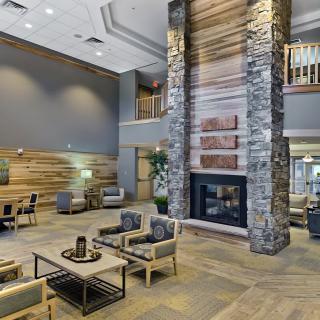
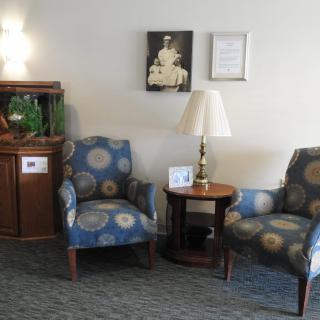
    A cozy hallway with a stone fireplace and seating area.
  • Seating Area

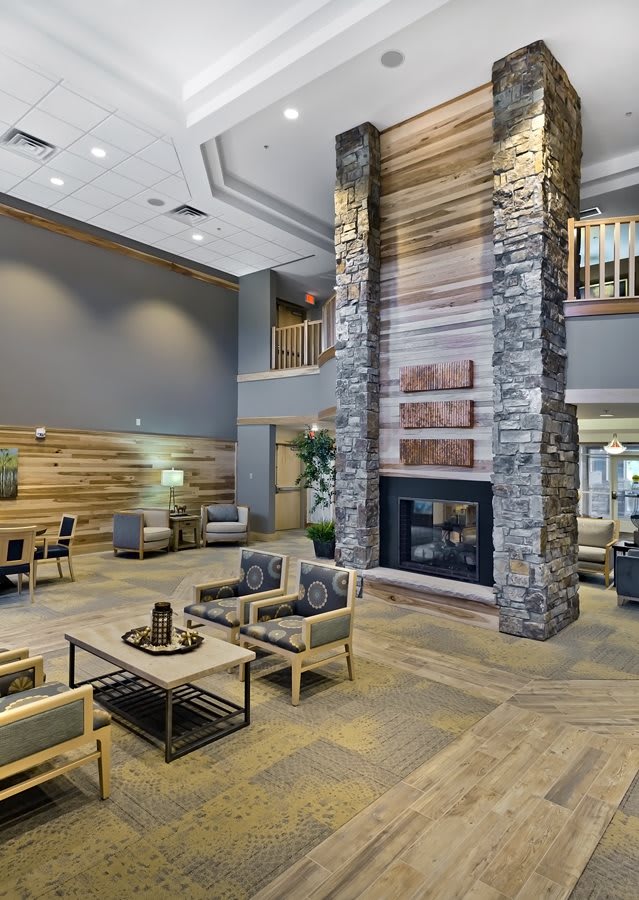
    A modern hotel lobby featuring a cozy seating area and a large stone fireplace.
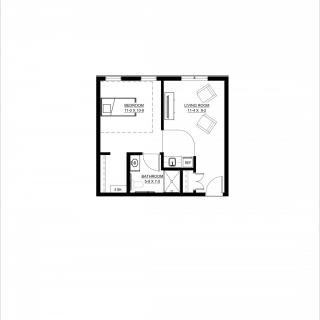
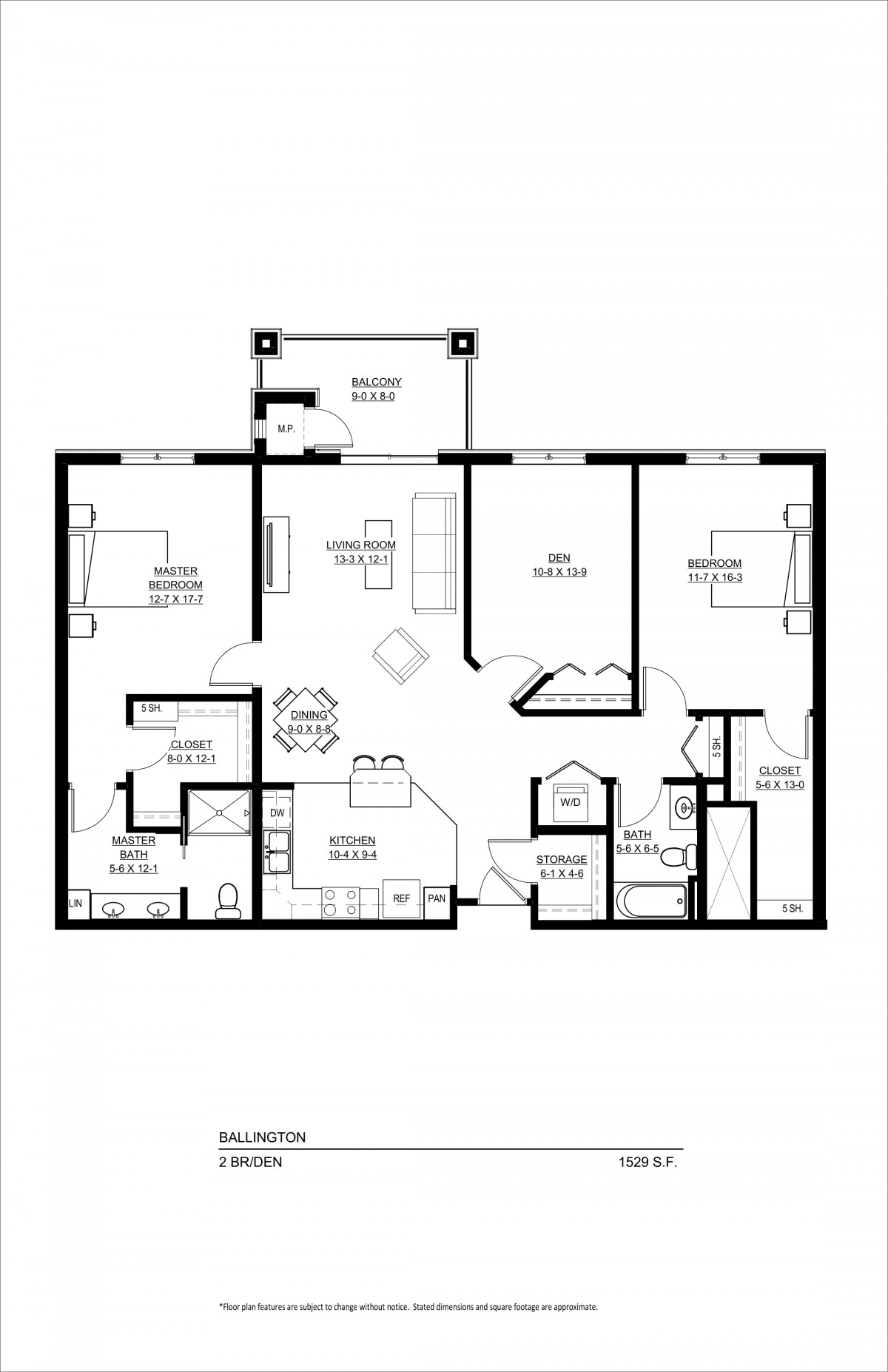
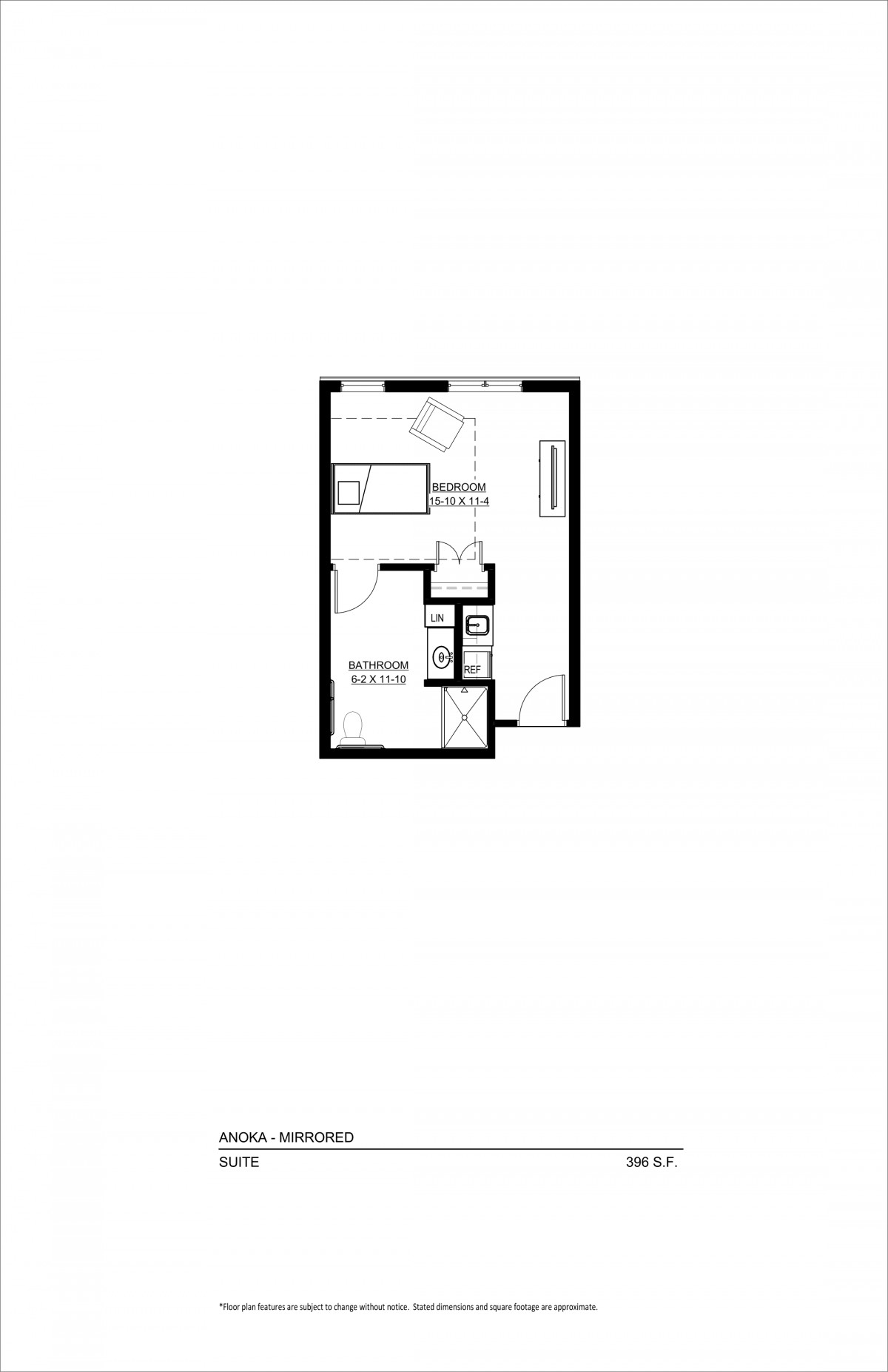
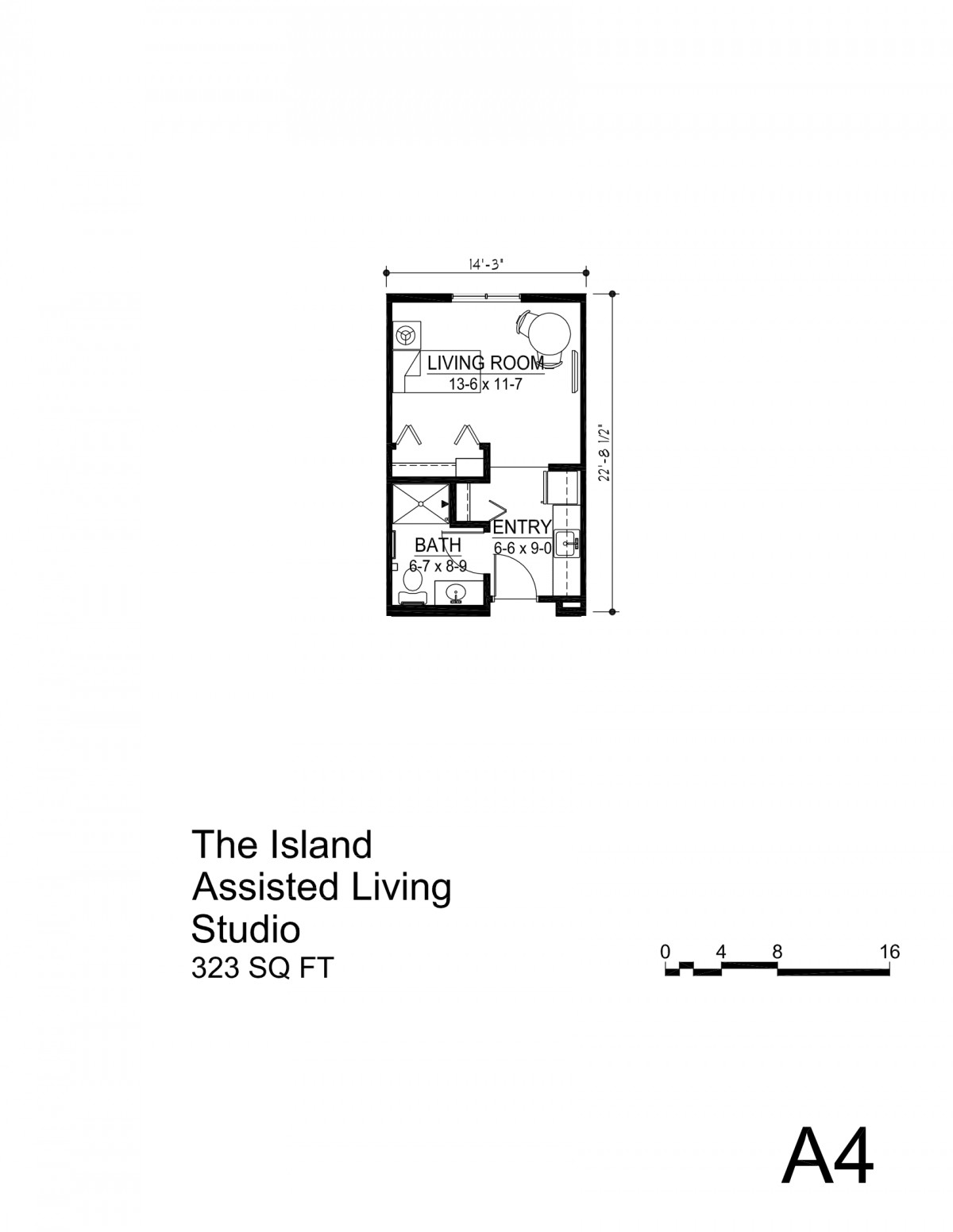
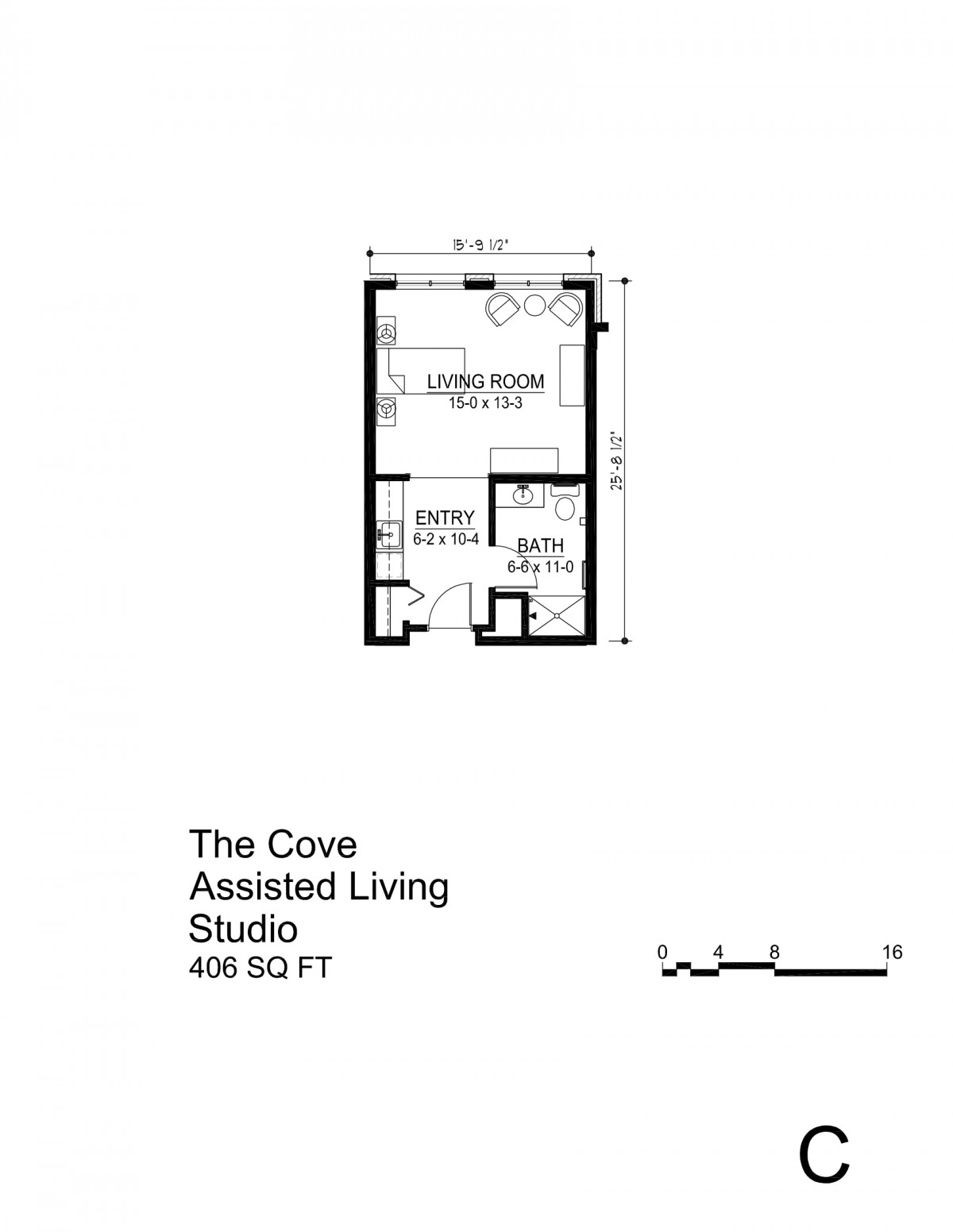
  • Floor Plan

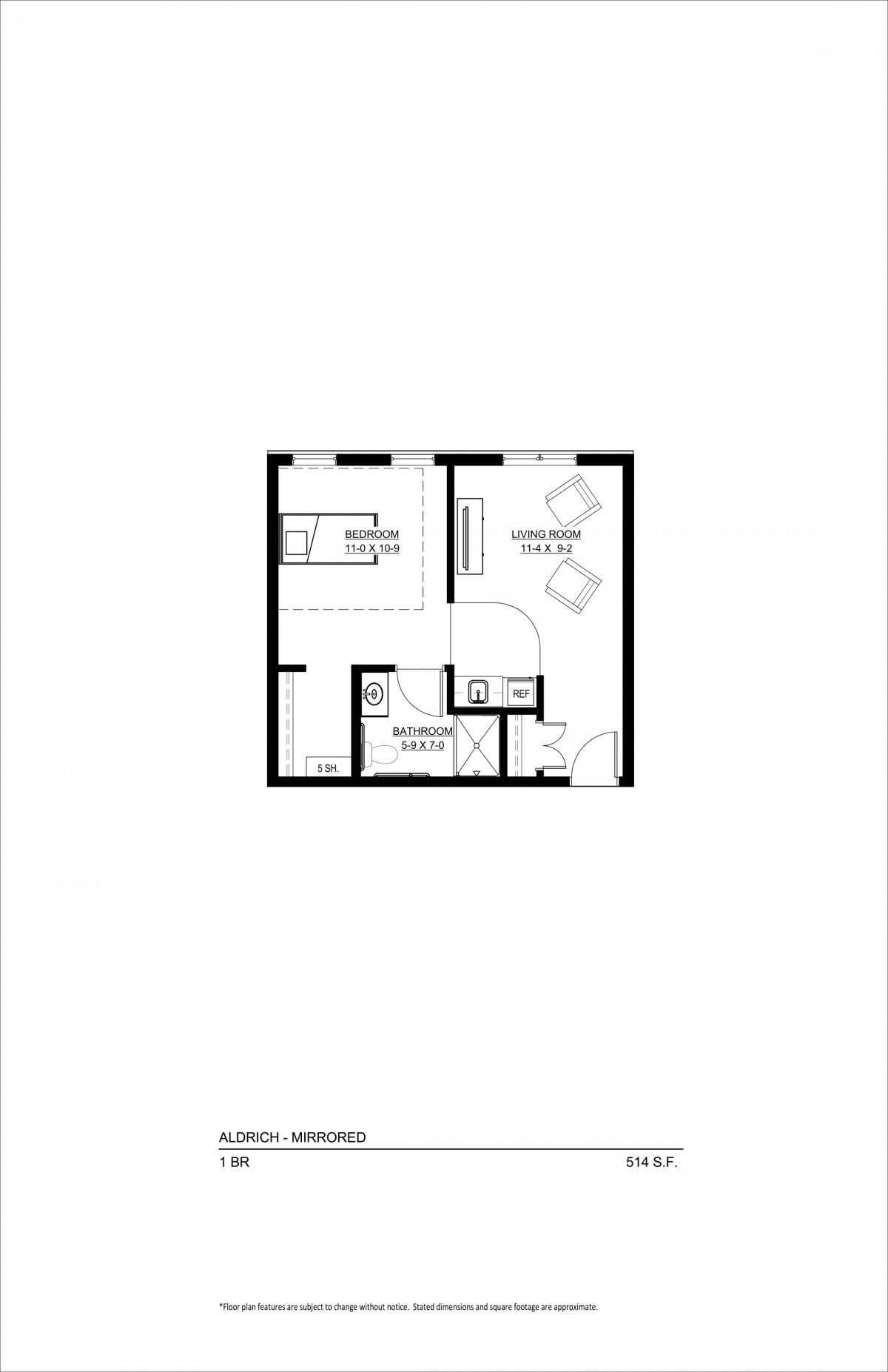
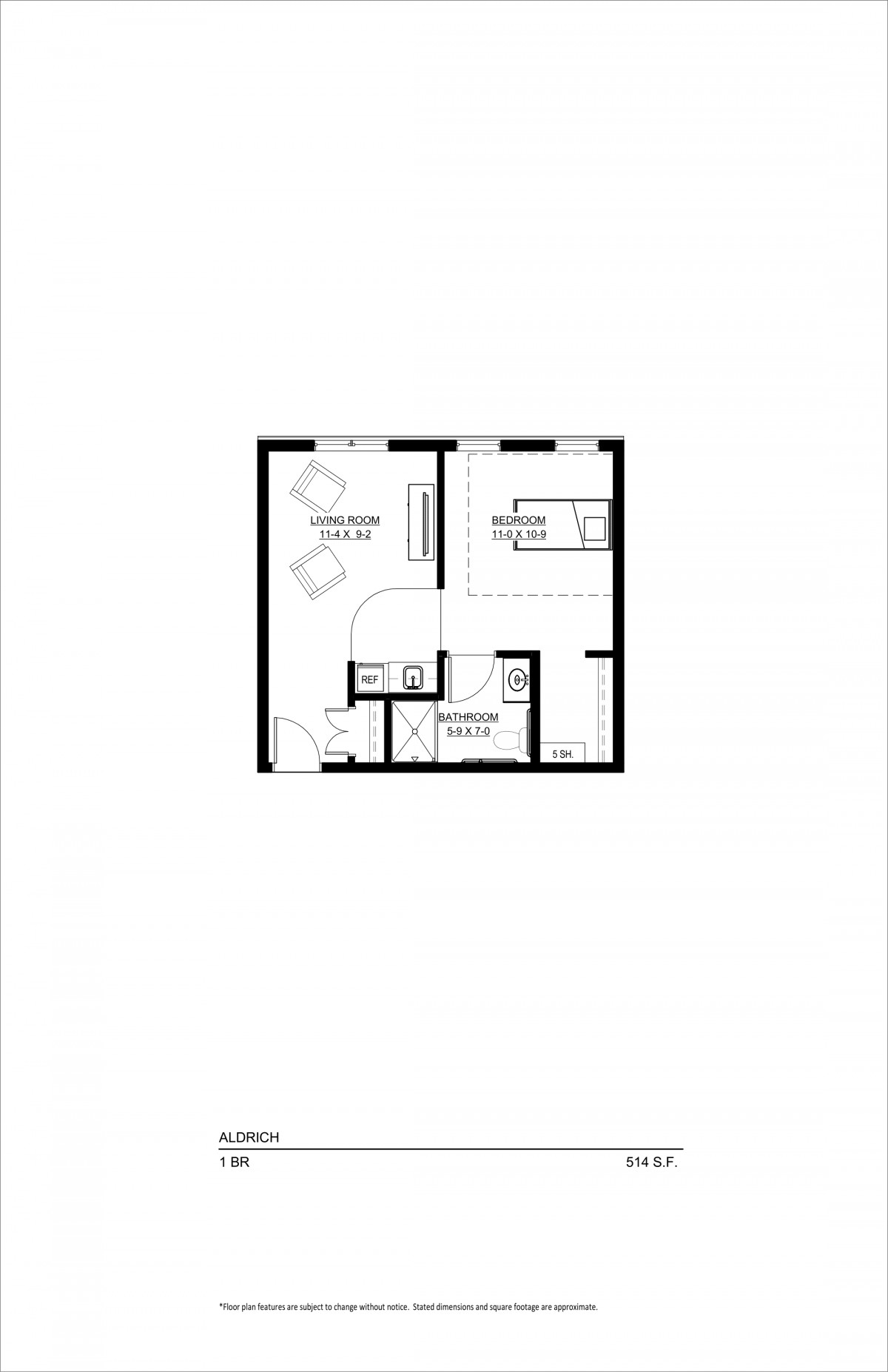
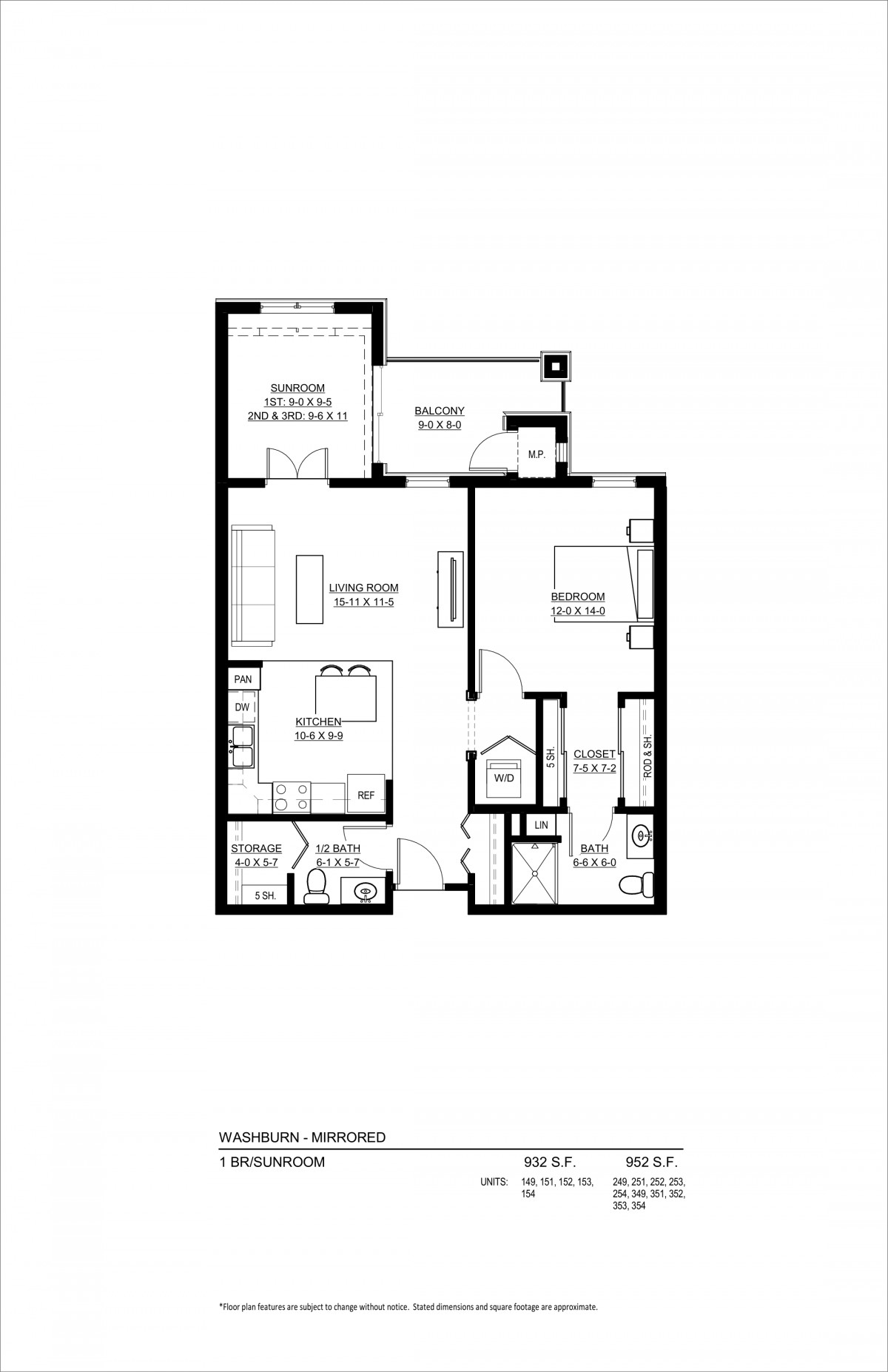
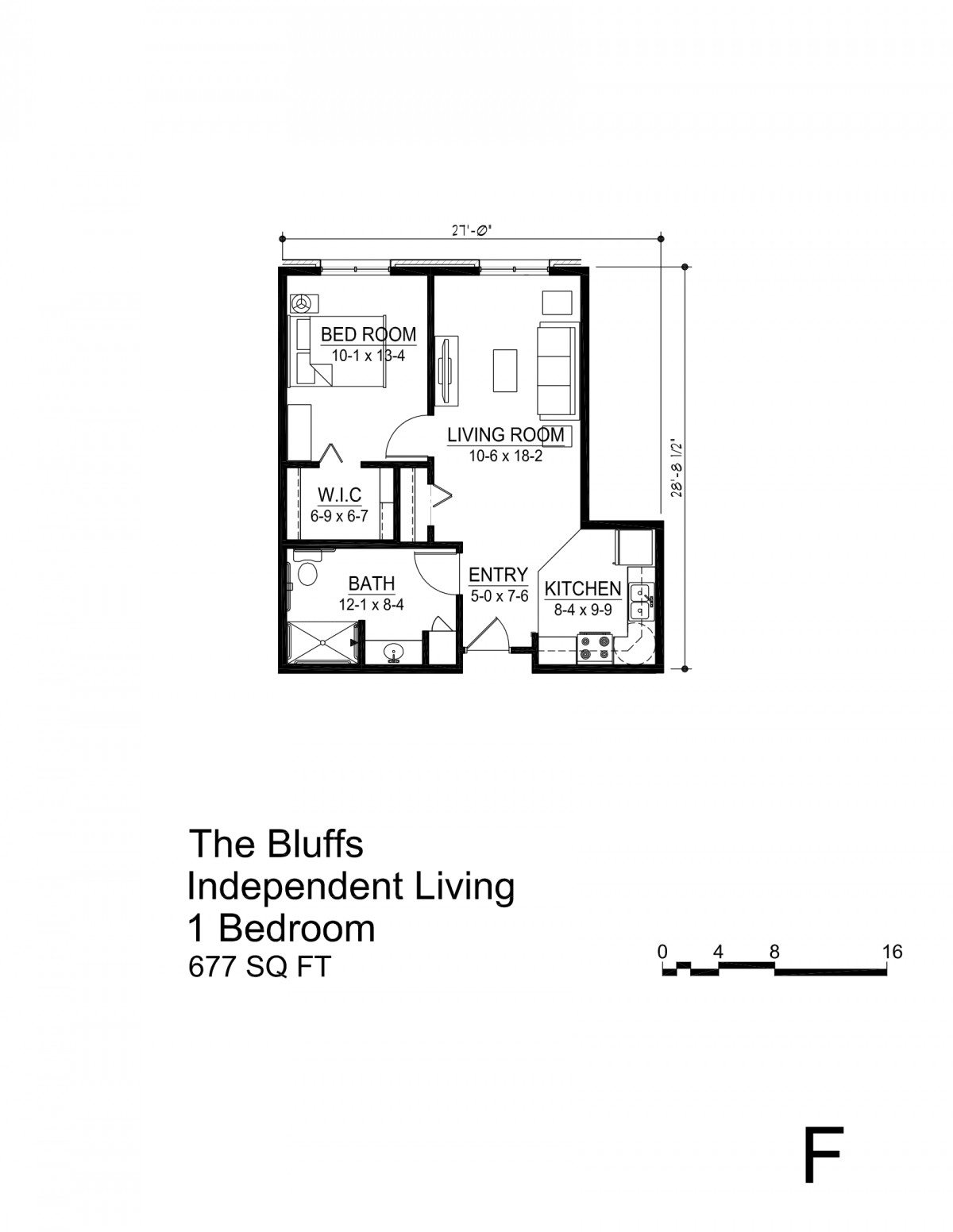
    A one-bedroom apartment floor plan with a living area, kitchen, and bathroom.
  • Television

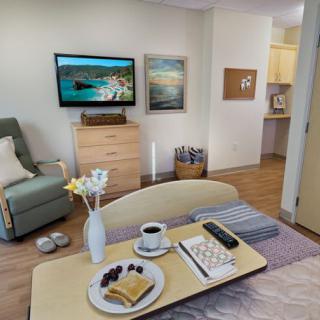
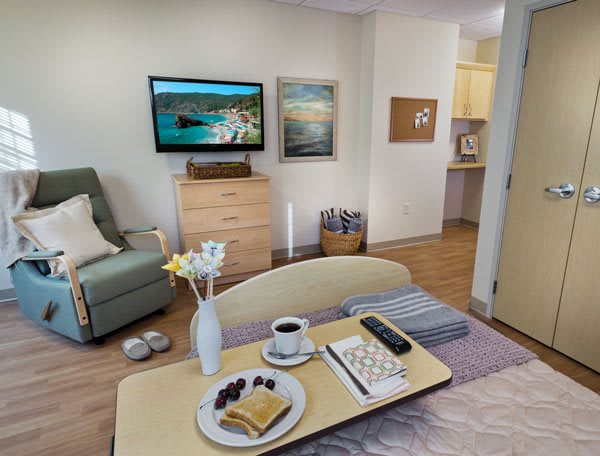
    A cozy living room with a set breakfast on the coffee table and a television mounted on the wall.

The Homestead at Anoka

3002 4th Ave, Anoka, MN 55303

For more information about senior living options: (844) 490-3973

3.7 from 153 reviews
5 stars
81
4 stars
23
3 stars
5
2 stars
4
1 stars
40

Assisted Living Independent Living Memory Care Skilled Nursing Facility

The Homestead at Anoka Costs & Pricing

The Homestead at Anoka offers competitive pricing for its residents, particularly when compared to both Anoka County and the broader state of Minnesota. For instance, a studio at The Homestead is available for $1,540 per month, significantly lower than the county average of $3,460 and the state average of $3,617. Similarly, the one-bedroom units are priced at $2,175 - just slightly above the county's rate of $2,102 yet considerably less than the state figure of $2,893. The two-bedroom accommodations are offered at $2,950, which aligns closely with the state average but remains higher than Anoka County's average cost of $2,671. Overall, The Homestead at Anoka provides an appealing option for individuals seeking quality living arrangements while benefitting from more affordable rates compared to many alternatives in the area.

Floor plansThe Homestead at AnokaAnoka CountyMinnesota
Studio$1,540$3,460$3,617
1 Bedroom$2,175$2,102$2,893
2 Bedrooms$2,950$2,671$2,955

Overall Review of The Homestead at Anoka

Pros

  • pro The facility is beautiful and well-maintained, with clean, modern surroundings.
  • pro The staff are kind, helpful, and consistently attentive to residents' needs.
  • pro Residents report being happy and well-cared-for, with smooth transitions between levels of care.
  • pro The staff often goes above and beyond, treating residents like family.
  • pro The Homestead at Anoka is welcoming, with spacious rooms, nice amenities, and a warm atmosphere.
  • pro Families appreciate clear communication and responsive, compassionate care from nurses and social workers.

Cons

  • pro The reviews describe the facility as understaffed, with call lights unanswered and residents left waiting for help for long periods.
  • pro Residents are reportedly left in unsanitary conditions, with soiled sheets, urine in bed linens, and few or no showers.
  • pro Food is described as cold, unnutritious, and sometimes delivered late or not at all.
  • pro Staff are depicted as rude, uncaring, or not performing their duties, with many saying "it's not my job."
  • pro Medication management is faulty, including wrong meds, skipped doses, and delayed administration.
  • pro Communication with families is poor, with complaints often ignored or management accused of mismanagement and prioritizing profits over care.
  • pro Infection control concerns are raised, including outbreaks and inadequate masking or care during illnesses.
  • pro Residents are left unattended and at risk of falls due to insufficient supervision and delayed responses.

Review

The Homestead at Anoka is best suited for families seeking a modern, amenity-rich campus that provides a full continuum of care on one site. It works well for residents who want to age in place - from independent living to assisted living, memory care, and short-term rehabilitation - without uprooting when needs change. The setting is bright and spacious, with large apartments, private balconies, underground parking, and a lively calendar of activities. Faith-based offerings add a comforting dimension for those who value spiritual life. For families able to stay actively involved and advocate for a resident's care, the Homestead can deliver meaningful quality of life. It is not, however, a guaranteed safe harbor for memory-care needs or for households unable to supervise care closely.

Those with heavy memory-care needs or significant cognitive challenges should proceed cautiously; reviewers repeatedly flag memory-care concerns and suspect incentives to move residents to higher-cost levels. Families expecting consistently rapid call responses, flawless hygiene, and uninterrupted medication administration may need to look elsewhere, as understaffing and communication gaps recur in multiple accounts. Budget-sensitive families or those preferring a smaller, more intimate setting could opt for a home with fewer amenities but tighter operations. Non-English-speaking staff or language barriers appear in some reports, complicating understanding of care plans and instructions.

Key pros that the Homestead can leverage include the building's quality and cleanliness, the broad range of services, and the vitality of its activity program. Rehab and therapy teams are often described as professional, patient, and capable, and many families value how quickly staff can coordinate care when the transition from acute care is smooth. The campus's comprehensive care options mean changes in health status are less disruptive, and aging in place is a real advantage for residents who want consistency. The on-site enrichment offerings, spiritual services, and strong social opportunities frequently translate into improved mood and engagement for residents when staffing is present and attentive.

Main cons that temper those strengths are substantial. Numerous reviews cite chronic understaffing leading to delayed assistance, missed call responses, and call-bell frustration. Reports of unsanitary conditions, cold meals, and inconsistent medication management recur, with some families describing neglect or dangerous lapses. Language barriers and insufficient staff training surface in several accounts, and a few families report difficult experiences with management, misaligned care plans, or concerns over billing and level-of-care decisions. The result is high variance: moments of excellent care coexist with episodes of frustration and fear for safety.

How the positives stack up against the negatives can guide a focused decision. When families can dedicate time to advocate and participate in the care plan, the Homestead's strengths - comprehensive care, robust therapy, meaningful programming, and aging-in-place design - can offset the drawbacks. In practice, a well-managed move from independent living to assisted living to memory care within the same campus can reduce disruption and support continuity of relationships. However, for residents who cannot rely on constant oversight or for whom timely care is nonnegotiable, the current risk profile makes alternatives worth weighing. Prospective residents should set explicit expectations, insist on strong staffing data, and request clear, written processes for medications, call responses, and memory-care safety.

Bottom line: The Homestead at Anoka works best for families seeking a modern, activity-forward campus with broad care options and a faith-friendly culture, provided advocacy and oversight are feasible. It is less suitable for residents who require highly consistent, around-the-clock attention or those navigating memory-care-specific needs. The building's advantages - quality space, diverse services, and an aging-in-place framework - can deliver real value when paired with rigorous contract terms and diligent family involvement. Before moving in, demand precise staffing ratios, medication-management protocols, and transparent care plans, and tour across several shifts to gauge real-time responsiveness. Ultimately, the decision hinges on the ability to stay engaged and the willingness to accept some variability in care in exchange for a vibrant, comprehensive campus experience.

Features

Housing

  • 1-bedroom apartments 1-bedroom apartments1-bedroom apartments are important for seniors because they provide a sense of independence, privacy, and autonomy while still offering the necessary space for comfortable living. These apartments allow seniors to maintain their own personal space and lifestyle preferences in a supportive community setting.
  • 2-bedroom apartments 2-bedroom apartments2-bedroom apartments are important for seniors because they provide extra space for guests, hobbies, and caregivers, as well as potential for additional income through roommates or rental.

Types of Care

  • Assisted Living Assisted LivingAssisted living facilities provide crucial support and care for seniors who may need help with daily tasks such as medication management, bathing, and meal preparation. These communities offer a safe and comfortable environment where seniors can maintain their independence while receiving the assistance they need to thrive in their golden years.
  • Independent Living Independent LivingIndependent living communities are important for seniors because they offer a safe and supportive environment where older adults can live independently while still having access to amenities and services that enhance their quality of life. These communities provide social opportunities, recreational activities, and assistance with daily tasks, promoting overall well-being and allowing seniors to maintain their independence for as long as possible.
  • Memory Care Memory CareMemory care is crucial for seniors as it provides specialized support and services for individuals with dementia or Alzheimer's disease. These programs offer a safe and secure environment where residents receive personalized care, cognitive stimulation, and help with daily activities. Memory care helps seniors maintain their independence, quality of life, and dignity while also providing peace of mind for their families.
  • Skilled Nursing Facility Skilled Nursing FacilitySkilled Nursing Facilities are crucial for seniors as they provide round-the-clock medical care, rehabilitation services, and assistance with daily activities. These facilities ensure that seniors receive the specialized care they need to maintain their health and well-being as they age.

Pets

  • Cats allowed Cats allowed"Pet friendly" senior living communities are important for seniors because pets provide companionship, reduce feelings of loneliness and depression, promote physical activity and mental stimulation, and offer a sense of purpose and responsibility. Pets can improve overall well-being and quality of life for seniors in many ways.
  • Dogs allowed Dogs allowed"Pet friendly" senior living communities are important for seniors because pets provide companionship, reduce feelings of loneliness and depression, promote physical activity and mental stimulation, and offer a sense of purpose and responsibility. Pets can improve overall well-being and quality of life for seniors in many ways.

Amenities

  • Activities off-site Activities off-siteEngaging in off-site activities is crucial for seniors to maintain social connections, stay active, and stimulate their minds. It promotes overall well-being and helps combat feelings of isolation and loneliness.
  • Activities on-site Activities on-siteActivities on-site are important for seniors because they provide opportunities for socialization, mental stimulation, physical activity, and overall well-being. Engaging in activities can help seniors stay active, maintain their independence, and improve their quality of life.
  • Air-conditioning Air-conditioningAir conditioning is important for seniors as they are more vulnerable to heat-related illnesses and may have underlying health conditions that make it difficult for them to regulate their body temperature. It helps to keep them comfortable, safe, and healthy in hot weather.
  • Bath tubs Bath tubsBath tubs are important for seniors because they provide a safe and relaxing way to bathe, helping to prevent slips and falls while promoting independence and overall well-being.
  • Beautician on-site Beautician on-siteHaving a beautician on-site at a senior living community is important for seniors as it allows them to easily access grooming and personal care services, boosting their self-esteem and overall well-being. It also provides convenience and helps seniors maintain their sense of independence and personal style.
  • Devotional services off-site Devotional services off-siteDevotional services off-site are important for seniors as they provide spiritual nourishment, social engagement, and a sense of community outside of the senior living facility. This can enhance overall well-being and help combat feelings of isolation and loneliness often experienced by older adults.
  • Devotional services on-site Devotional services on-siteDevotional services on-site provide seniors with spiritual support and a sense of community, as well as an opportunity for reflection and guidance during their senior living experience. This can promote emotional well-being and connection to others, leading to a more fulfilling and enriching lifestyle in their later years.
  • Fireplaces FireplacesFireplaces are important for seniors as they provide warmth, comfort, and a cozy atmosphere that can help alleviate the physical discomforts of aging, such as arthritis and poor circulation. Additionally, fireplaces offer a sense of nostalgia and security, making seniors feel more at home and relaxed in their living environment.
  • Full kitchen Full kitchenHaving a full kitchen in a senior living facility is important for seniors because it allows them to maintain their independence and prepare their own meals. This promotes healthy eating habits, saves money on dining out, and provides a sense of familiarity and comfort for residents.
  • Ground floor units Ground floor unitsGround floor units are important for seniors because they provide easy accessibility, reduced risk of falls and injuries, and convenience for those with mobility issues. Seniors can avoid climbing stairs or using elevators, making daily tasks and activities more manageable and enjoyable.
  • Guasts at mealtime Guasts at mealtime"Guests at mealtime" offer seniors the opportunity for social interaction, companionship, and a sense of community during meals, which can help combat feelings of loneliness and isolation commonly experienced in senior living environments. It can also enhance their overall dining experience and improve their mental and emotional well-being.
  • Handicap accessible Handicap accessible"Handicap accessible" amenities are crucial for seniors to ensure they can easily navigate and access facilities, services, and activities without barriers or limitations due to physical impairments. This promotes independence, safety, and inclusivity for seniors in senior living communities.
  • Indoor common areas Indoor common areasIndoor common areas are crucial for seniors as they provide a space for socialization, recreation, and community engagement, promoting overall well-being and reducing feelings of isolation and loneliness.
  • Kitchenette KitchenetteKitchenettes are important for seniors living in senior living communities because they provide the convenience and independence of being able to prepare simple meals and snacks in the comfort of their own living space. This can help promote a sense of autonomy and well-being for seniors, allowing them to maintain some level of control over their dietary choices and daily routines.
  • Outdoor common areas Outdoor common areasOutdoor common areas are important for seniors as they provide a space for socialization, physical activity, and relaxation. Being outside in nature can improve mood and overall well-being, while also encouraging movement and engagement with others. These spaces can help combat feelings of isolation and promote a sense of community among residents.
  • Overnight guests Overnight guestsOvernight guests provide companionship, social engagement, and emotional support for seniors in senior living communities. They can help reduce feelings of loneliness, isolation, and boredom, while also promoting mental well-being and overall quality of life. Additionally, overnight guests can offer a sense of familiarity and comfort for seniors who may be transitioning into a new living environment.
  • Resident parking Resident parkingResident parking is crucial for seniors in a senior living community as it provides convenience, accessibility, and safety for residents who may have limited mobility or rely on personal vehicles for transportation. Having designated parking spaces ensures that seniors can easily access their homes without having to walk long distances or navigate crowded parking lots, ultimately enhancing their overall quality of life and sense of independence.
  • Respite or short term stays offered Respite or short term stays offeredRespite or short term stays provide seniors with a temporary solution when their regular caregiver is unavailable, offering them the opportunity to receive additional care and support during times of need, while also giving caregivers a chance to rest and recharge.
  • Wheelchair accessible showers Wheelchair accessible showersWheelchair accessible showers are crucial for seniors as they provide a safe and independent bathing option for those with mobility challenges. These showers help prevent falls and allow seniors to maintain their dignity and autonomy while ensuring they can bathe comfortably.
  • Wi-Fi/high-speed internet available Wi-Fi/high-speed internet availableWi-Fi/high-speed internet is important for seniors to stay connected with loved ones, access online resources, and participate in virtual activities to combat feelings of loneliness and isolation. It also allows them to easily manage healthcare needs, access entertainment, and engage in lifelong learning opportunities.

Transportation

  • Minneapolis-St Paul International (24 miles away) Minneapolis-St Paul International (24 miles away)

Care Services

  • Ambulatory care Ambulatory care"Ambulatory care services provide essential medical support and treatment to seniors without requiring hospitalization, allowing them to maintain their independence and quality of life while managing chronic conditions or receiving routine medical care."
  • Diabetic care Diabetic careDiabetic care is crucial for seniors as they are more susceptible to developing diabetes due to aging and other health conditions. Proper management of diabetes can help prevent complications such as heart disease, vision loss, and nerve damage, improving the overall quality of life for seniors in senior living communities.
  • High acuity care High acuity careHigh acuity care is important for seniors because it provides specialized medical attention and support for individuals with complex medical needs. This level of care ensures that seniors receive the appropriate treatment and assistance to maintain their health and quality of life as they age.
  • Incontinence care Incontinence careIncontinence care is essential for seniors to maintain their dignity, hygiene, and overall quality of life. By addressing incontinence issues promptly and effectively, seniors can enjoy a sense of independence and comfort in their daily activities.
  • Medication management Medication managementMedication management is crucial for seniors to ensure they are taking the right medications at the correct dosages and times. This helps prevent adverse drug interactions, reduces the risk of medication errors, and promotes overall health and well-being. Proactive management also allows for adjustments as needed based on changing health conditions or new prescriptions.
  • Personal care assistants Personal care assistantsPersonal care assistants are essential for seniors as they provide assistance with daily tasks, such as dressing, bathing, and medication management. They offer crucial support and companionship to help seniors maintain independence and quality of life in their own homes or in senior living communities.
  • Physical therapy Physical therapyPhysical therapy is essential for seniors to maintain and improve their mobility, strength, and overall quality of life. It helps reduce pain, prevent falls, and enhance independence in daily activities. By promoting movement and function, physical therapy can help seniors stay active, healthy, and engaged in their communities.

Dining

  • Guest meals Guest mealsGuest meals are important for seniors living in senior living communities because they provide an opportunity for socialization and companionship. Sharing a meal with friends, family, or new acquaintances can help combat feelings of loneliness and isolation, promote a sense of community, and enhance overall well-being. Additionally, guest meals allow seniors to enjoy delicious food in a comfortable setting without the hassle of cooking or cleaning up, making dining a pleasurable and stress-free experience.
  • Low / no sodium Low / no sodiumLow/no sodium options are important for seniors because excessive sodium intake can lead to high blood pressure, heart disease, and other health issues commonly experienced by older adults. By choosing low/no sodium foods, seniors can better manage their health and reduce their risk of developing these conditions.
  • Meals provided Meals provided"Meals provided" are crucial for seniors in assisted living communities as it ensures they have access to nutritious, balanced meals without the stress of meal planning and preparation. This can help promote overall health and well-being for seniors who may have limited mobility or cognitive abilities.
  • No Sugar No SugarNo sugar diets are important for seniors because they can help prevent or manage chronic conditions such as diabetes, heart disease, and obesity. Sugar can also contribute to cognitive decline and inflammation in the body, so reducing sugar intake can lead to overall improved health and well-being in older adults.
  • Professional chef Professional chefProfessional chefs are important for seniors living in senior living communities because they provide nutritious and delicious meals that cater to their dietary needs and preferences. A professional chef can ensure that seniors are receiving balanced, flavorful meals that support their overall health and well-being.
  • Restaurant style dining Restaurant style diningRestaurant style dining is important for seniors as it offers them a social and enjoyable dining experience, promotes healthy eating habits, and provides personalized menu options to cater to their dietary needs and preferences. This type of dining setting can enhance their overall quality of life and create a sense of community within the senior living facility.

Activities

  • Art classes Art classesArt classes are important for seniors because they provide a creative outlet, improve cognitive function, reduce stress and anxiety, promote socialization, and enhance overall well-being and quality of life.
  • Catholic services Catholic servicesCatholic services are important for seniors because they provide spiritual support, a sense of community, and opportunities for social interaction that can enhance overall well-being and quality of life in their later years.
  • Day trips and outings Day trips and outingsDay trips and outings are important for seniors as they provide opportunities for socialization, mental stimulation, physical activity, and a break from daily routines. These experiences can enhance overall well-being and quality of life for older adults living in senior communities.
  • Devotional activities offsite Devotional activities offsiteDevotional activities offsite are important for seniors because they provide social engagement, spiritual growth, and a sense of community outside of their living environment. This can improve overall well-being, mental health, and combat feelings of isolation or loneliness.
  • Devotional activities on-site Devotional activities on-siteDevotional activities on-site provide seniors with a sense of community, spiritual fulfillment, and emotional support, promoting overall well-being and a positive sense of purpose in their lives.
  • Educational speakers / life long learning Educational speakers / life long learningEducational speakers and lifelong learning opportunities are crucial for seniors as they provide mental stimulation, promote social engagement, and contribute to overall well-being. Continuous learning helps seniors stay mentally sharp, build new skills, and maintain a sense of purpose and fulfillment in their lives. It also allows them to stay connected to the world around them and fosters a sense of community within senior living facilities.
  • Happy hour Happy hourHappy hour is important for seniors as it provides a social activity that promotes camaraderie and reduces feelings of loneliness or isolation. It also offers an opportunity for older adults to relax, unwind, and enjoy some drinks or snacks in a fun and welcoming atmosphere.
  • Karaoke KaraokeKaraoke provides seniors with a fun and social activity that can boost mood, confidence, and cognitive function. It encourages social interaction, physical movement, and creative expression, making it an important form of entertainment for senior living communities.
  • Live dance or theater performances Live dance or theater performancesLive dance or theater performances are important for seniors because they provide opportunities for socialization, mental stimulation, and emotional engagement. These performances can help combat feelings of isolation and loneliness, while also offering a sense of connection to the arts and culture. Additionally, watching live performances can bring joy and create lasting memories for seniors in their later years.
  • Live musical performances Live musical performancesLive musical performances can provide seniors with a sense of joy, nostalgia, and connection. Music has the power to evoke emotions and memories, improve mood and cognitive function, and foster social interaction among seniors. It can also serve as a form of therapy and stress relief for older adults, making it an important activity to include in senior living communities.
  • Visiting chaplain or priest Visiting chaplain or priestHaving a visiting chaplain or priest at a senior living community is important for seniors because it provides spiritual support, comfort, and guidance during a time of life that can be challenging and uncertain. Their presence can help seniors feel connected to their faith, find peace of mind, and cope with the emotional and mental struggles they may face in their later years.
  • Wine tasting Wine tastingWine tasting can be a fun and social activity for seniors, allowing them to engage their senses, learn about different varieties of wine, and potentially meet new friends. It also offers health benefits such as improved cognitive function and reduced risk of heart disease when consumed in moderation.

Languages Spoken

  • English EnglishEnglish is important for seniors as it allows them to communicate effectively with healthcare providers, understand important information related to their health and medications, stay connected with loved ones, and engage in social activities within their communities. It also opens up opportunities for lifelong learning and intellectual stimulation.

Description

The Homestead at Anoka in Anoka, MN is a vibrant and inclusive assisted living community offering comfortable 2-bedroom apartments for seniors. We provide a range of care options including Independent Living, Memory Care, and Skilled Nursing Facility services to cater to each individual's unique needs.

Our community boasts a variety of amenities to enhance the quality of life for our residents. Activities are organized on-site to keep our residents engaged and entertained. Our apartments come equipped with air conditioning and feature bath tubs for added convenience. Additionally, we have a beautician on-site to provide convenient salon services.

To meet spiritual needs, we offer both on-site and off-site devotional services. Residents can enjoy the warmth and coziness of fireplaces in their units. Each apartment comes with a full kitchen, allowing residents to cook their own meals if desired. Ground floor units are available for easy accessibility, while indoor and outdoor common areas provide spaces for socializing with fellow residents.

Guests are welcome at mealtime, and overnight guests can be accommodated as well. Resident parking is available on-site, making it convenient for those who have vehicles. We also offer respite or short-term stays when needed.

Our care services include diabetic care, high acuity care, incontinence care, medication management, personal care assistants, and physical therapy to ensure that residents receive the necessary support they require.

Dining at The Homestead is a delight with our low/no sodium options, meals provided by a professional chef, and restaurant-style dining experience. Special dietary needs such as no sugar are also catered to.

We believe that staying active is crucial for overall well-being. Therefore, we organize various activities including day trips and outings as well as educational speakers/life-long learning sessions to stimulate the mind. Happy hour events create opportunities for socializing while karaoke nights bring out the inner performer in our residents. Live dance or theater performances and musical events add a touch of entertainment to our community. We also have visiting chaplains or priests who provide spiritual guidance and wine tasting events for an enjoyable experience.

The Homestead at Anoka benefits from its convenient location, with nearby amenities such as cafes, parks, pharmacies, physicians, restaurants, places of worship, theaters, and hospitals, ensuring that residents have easy access to essential services and recreational activities.

At The Homestead at Anoka in Anoka, MN, we strive to create a warm and welcoming environment where residents can enjoy their golden years with comfort and dignity.

Nearby Places of Interest

This part of Anoka, Minnesota offers easy access to a variety of essential services and amenities for seniors looking to settle in the area. With several hospitals and healthcare facilities nearby, residents can rest assured that their medical needs will be well taken care of. The abundance of pharmacies within close proximity provides convenient access to prescription medications. Additionally, there are plenty of dining options ranging from casual to upscale establishments, as well as cafes for socializing with friends. For outdoor enjoyment, there are several parks and recreational areas nearby, offering opportunities for relaxation and exercise. Places of worship are also easily accessible for those seeking spiritual fulfillment. Overall, this part of Anoka provides a well-rounded environment for seniors looking to reside in a vibrant community with easy access to essential services.

Hospitals

  • Anoka Metro Regional Treatment Center (0.3 miles)

Physicians

  • HealthPartners Riverway Clinic Anoka (0.9 miles)
  • Dr Kara Durick, Optometrist, and Associates - Coon Rapids (1.6 miles)
  • The Dental Specialists (1.7 miles)
  • Mercy Orthopedics Clinic (2 miles)
  • North Suburban Eye Specialists (2.3 miles)
  • Allina Hospitals & Clinics (2.6 miles)
  • Allina Health Ramsey Clinic (3.5 miles)

Restaurants

  • Ambi Wine Bar (0.9 miles)
  • 10K Brewing (1 miles)
  • Pappy's (1.5 miles)
  • Boston's Restaurant & Sports Bar (1.5 miles)
  • Mandarin Buffet (1.9 miles)
  • Willy Mccoys Champlin (2.3 miles)
  • Willy Mccoys (2.4 miles)

Cafes

  • Caribou Coffee (0.9 miles)
  • Caribou Coffee (5.4 miles)
  • Starbucks (6.8 miles)
  • Caribou Coffee (8.4 miles)
  • Starbucks (8.4 miles)

Pharmacies

  • CVS Pharmacy (1 miles)
  • Walgreens (1 miles)
  • Walmart Pharmacy (1.1 miles)
  • Cub Pharmacy (1.2 miles)
  • Walgreens (1.4 miles)
  • CVS Pharmacy (1.4 miles)
  • Dakota Drug (1.6 miles)

Parks

  • Pennisula Park (1.4 miles)
  • Riverdale Park (1.5 miles)
  • Crooked Lake Park & Beach (2.3 miles)
  • Kelsey Round Lake Park (2.6 miles)
  • Sunshine Park (4.1 miles)
  • Pinebrook Park (6.4 miles)
  • Ham Lake City Park (8.3 miles)

Places of Worship

  • Saint Katharine Drexel Catholic Church (3.3 miles)
  • Ephiphany Catholic Church (4.4 miles)

Theaters

  • Andover Cinema (3.5 miles)
  • AMC Coon Rapids 16 (6.6 miles)

Frequently Asked Questions

How much does it cost to live at The Homestead at Anoka in Anoka, MN?
What floor plans and room types does The Homestead at Anoka offer?
Where is The Homestead at Anoka?
Does The Homestead at Anoka provide care for residents with dementia or Alzheimer's disease?
Does The Homestead at Anoka allow residents to have pets?
What photos are available for The Homestead at Anoka in Anoka, Minnesota?

Nearby Communities

  • Voa Home Health At Anoka

    Voa Home Health At Anoka

    Anoka, MN

    3 from 78 reviews
     

    pro Fully furnished apartments with 24/7 supervision and comprehensive care.

  • Anoka Rehabilitation And Living Center

    Anoka Rehabilitation And Living Center

    Anoka, MN

    3.2 from 20 reviews
     

    pro Extensive on-site amenities and 24/7 nursing support.

  • Dignity Healthcare Services

    Dignity Healthcare Services

    Anoka, MN


    pro Restaurant-style dining with 24/7 supervision and furnished rooms

  • The Willows

    The Willows

    Anoka, MN

    5 from 1 review
     

    pro All-inclusive assisted living with meals, housekeeping, 24/7 supervision, medication management, and transportation for medical appointments.

  • The Maples

    The Maples

    Anoka, MN

    5 from 1 review
     

    pro Fully furnished with comprehensive care, dining, housekeeping, and transportation.

  • Noble Cares

    Noble Cares

    Anoka, MN


    pro Comprehensive assisted living with 24/7 supervision, ADL support, medication management, mental wellness program, and transportation to appointments.

  • The Estates At Twin Rivers

    The Estates At Twin Rivers

    Anoka, MN

    2.9 from 42 reviews
    $840 / month

    pro Some English-speaking nurses provide good engagement and there is care continuity for long-term residents.

  • Gabby Care Homes

    Gabby Care Homes

    Champlin, MN

    4.5 from 34 reviews
     

    pro Small, intimate setting with comprehensive, personalized care.

  • Camilia Rose Care Center

    Camilia Rose Care Center

    Coon Rapids, MN

    3 from 10 reviews
     

    pro Warm, courteous staff in a clean, inviting facility with engaging amenities.

Related Resources

  • dementia paranoiaDementia, Paranoia, and Caregiver Guidance: Understanding the Connection

    Dementia encompasses progressive neurological disorders that impair cognitive functions and can lead to paranoia due to cognitive decline and emotional changes. The article discusses the triggers of paranoia in dementia, caregiver strategies for managing it, and the importance of distinguishing between dementia-related paranoia and other psychiatric conditions.

  • memory care activitiesEngaging Memory Care Activities That Enhance Quality of Life

    Memory care activities are essential for improving the quality of life of seniors with cognitive impairments, as they stimulate cognitive function, promote well-being, and encourage social interaction through tailored strategies. These activities combine structured exercises with spontaneous tasks, sensory engagement, physical workouts, creative pursuits, and intergenerational interactions to enhance emotional connection and a sense of purpose.

  • when to move from assisted living to memory careWhen to Transition from Assisted Living to Memory Care: Key Indicators, Steps, and Finding the Right Community
    Transitioning from assisted living to memory care is driven by an individual's cognitive decline and specific needs, requiring careful evaluation of indicators like increased confusion and wandering. The process involves consulting medical professionals, researching suitable communities, considering financial and legal aspects, and ensuring effective communication for personalized care plans.