Residents and families describe caregivers as kind, attentive, and respectful in day-to-day help.
Across reviews, families repeatedly mention caregivers showing up on time, being respectful, and providing patient support. Several describe caregivers going above and beyond with comfort and dignity, including for dementia-related needs. A few reviews also point to consistently friendly, cheerful communication during visits and while coordinating care in the home.
differentiator7 reviews mention this
Memory care support stands out
Residents’ families mention dementia-focused caregiving, including Alzheimer’s and Lewy Body Dementia.
Multiple reviews specifically describe help for Alzheimer’s, dementia, and Lewy Body Dementia. Families mention caregivers supporting daily activities and companionship, and they highlight calming care that helps the person feel comfortable. Several reviewers also say the caregiver’s approach eased concerns for the family and helped with ongoing transitions as care needs changed.
common10 reviews mention this
In-home help covers daily routines
Reviews describe practical in-home assistance with personal care tasks and day-to-day routines.
Residents’ families mention hands-on support at home, including bathing and other assistance with daily living tasks. Reviews also include meal-related help, errands, companionship, and light household support, depending on the week’s needs. The community also lists meal preparation and service and help with assistance with bathing, dressing, and transfers, which aligns with the types of support families describe.
common6 reviews mention this
Family coordination brings peace of mind
Families describe strong coordination that keeps them informed and gives them temporary relief from caregiving.
Several reviews mention feeling supported as family members, with caregivers and staff communicating clearly and responding to changing needs. A number of reviewers describe respite benefits—such as getting time away to run errands, go out, or rest—while care continues at home. One review also highlights proactive follow-up and research support when services needed were outside what the agency could provide.
common3 reviews mention this
Transportation and appointment help
Some reviews mention help getting to appointments and related errands.
A few families describe caregivers driving them to appointments, along with assistance that makes it easier to handle day-to-day needs. The community also lists transportation arrangement for medical appointments, which matches the kind of help described in reviews. Nearby options include pharmacies and a dental specialist, reflecting everyday stops families may need for errands and care.
How we summarize
Counts show how many written reviews mention each theme; a review can touch several themes, and only frequently mentioned themes are displayed.
Features
Housing
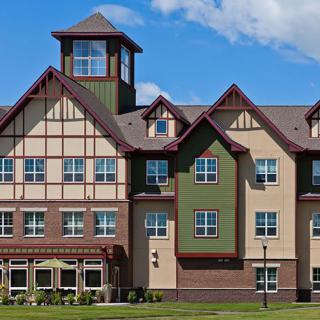
21 resident community capacity
Types of Care
Assisted Living
Amenities
Beauty salon
Cable or satellite TV
Dining room
Fully furnished
Garden
Housekeeping services
Kitchenette
Move-in coordination
Outdoor space
Telephone
Wi-Fi/high-speed internet available
Transportation
Minneapolis-St Paul International (24 miles away)
Care Services
24-hour call system
24-hour supervision
Activities of daily living assistance
Assistance with bathing
Assistance with dressing
Assistance with transfers
Coordination with health care providers
Diabetes diet
Meal preparation and service
Medication management
Mental wellness program
Special dietary restrictions
Transportation arrangement (medical)
Transportation to doctors appointments
Dining
Diabetes diet
Special dietary restrictions
Activities
Community-sponsored activities
Scheduled daily activities
Nearby Places of Interest
Theaters
Andover Cinema (0.1 miles)
AMC Coon Rapids 16 (4.7 miles)
Restaurants
Willy Mccoys Of Andove (0.1 miles)
Pappy's (2.2 miles)
Taco Bell (2.2 miles)
McDonald's (2.2 miles)
Mandarin Buffet (2.4 miles)
Boston's Restaurant & Sports Bar (2.4 miles)
Burger King (2.4 miles)
Pharmacies
Fairview Pharmacy Services (0.6 miles)
Walgreens (2.2 miles)
CVS Pharmacy (2.2 miles)
Walmart Pharmacy (2.4 miles)
Cub Pharmacy (2.5 miles)
Walgreens (3.4 miles)
CVS Pharmacy (3.4 miles)
Parks
Crooked Lake Park & Beach (1.2 miles)
Sunshine Park (1.8 miles)
Riverdale Park (2 miles)
Kelsey Round Lake Park (3.3 miles)
Pennisula Park (4.1 miles)
Ham Lake City Park (5 miles)
Pinebrook Park (6.2 miles)
Physicians
The Dental Specialists (2 miles)
Dr Kara Durick, Optometrist, and Associates - Coon Rapids (2.2 miles)
North Suburban Eye Specialists (3.3 miles)
Mercy Orthopedics Clinic (3.5 miles)
Pain and Brain Healing Center (3.9 miles)
HealthPartners Riverway Clinic Anoka (4.3 miles)
Suburban Imaging (4.3 miles)
Places of Worship
Ephiphany Catholic Church (3.2 miles)
Open Range Cowboy Church (6.4 miles)
Saint Katharine Drexel Catholic Church (6.6 miles)
Home Instead Senior Care VI is located at 1883 Station Parkway North West Ste B, Andover, MN 55304 in Anoka County, Minnesota
Nearby Communities
Cherrywood Of Andover
Andover, MN
3.6 from 23 reviews
$3,750 to $4,395 / month
24/7 supervision with comprehensive amenities (dining, housekeeping, garden, Wi-Fi).
Precious Partners Home Care
Coon Rapids, MN
24-hour supervision with comprehensive care, strong social activities, and fully furnished rooms with dining, kitchenette, and coordinated transportation.
Care Plus Home Care II
Coon Rapids, MN
Small, personalized setting with 24-hour supervision and diabetes-friendly meal options.
Partridge Home
Coon Rapids, MN
Comprehensive assisted living with 24/7 supervision, ADL support, medication management, diabetes-aware dining, plus fully furnished living spaces and on-site dining and activities.
Revive Care Services
Coon Rapids, MN
24/7 supervision with comprehensive care, including medication management and a mental wellness program.
We Care Home Health Services
Coon Rapids, MN
4.3 from 11 reviews
24/7 supervision with daily living support, meal options, medical-appointment transportation in a small, fully furnished community.
Camilia Rose Care Center
Coon Rapids, MN
3 from 10 reviews
Warm, courteous staff in a clean, inviting facility with engaging amenities.
The Homestead at Anoka
Anoka, MN
3.7 from 153 reviews
$1,540 to $2,950 / month
Friendly staff in a clean, modern facility with engaging activities.
Crest View Senior Community at Blaine
Blaine, MN
3.7 from 42 reviews
$1,405 to $3,765 / month
Welcoming, engaged community with on-site amenities and activities.
Choosing between assisted living and nursing homes involves evaluating emotional and financial factors, with assisted living offering independence and support for daily activities at a lower cost, while nursing homes provide intensive medical care for individuals with significant health needs. The decision is influenced by personal preferences, health status, cognitive function, and varying Medicaid coverage across states.
Assisted living in 2025 offers a crucial balance of independence and support for seniors, with costs varying from $2,500 to over $7,000 per month based on factors such as location and care level. Understanding pricing complexities, including regional differences and potential hidden fees, is essential for families to plan financially while ensuring quality care for their loved ones.
The guide outlines the complexities of Medicaid coverage for assisted living, highlighting significant state-to-state variations, limited coverage often restricted to personal care services, and the existence of specialized waivers for certain needs like memory care. It advises families to consult local Medicaid offices for options while emphasizing the importance of understanding state-specific regulations and facility policies.
Get PricingAsk A QuestionSchedule A TourContact Senior Advisor
By clicking submit, you agree to our Partner's Terms of Use. You
also consent to receive calls and texts, which may be autodialed, from our Partner. Your consent is not a condition to
using our Partner's service. Please visit our Partner's Privacy Policy for information about their privacy practices.



 21 resident community capacity
 Assisted Living
 Beauty salon
 Cable or satellite TV
 Dining room
 Fully furnished
 Garden
 Housekeeping services
 Kitchenette
 Move-in coordination
 Outdoor space
 Telephone
 Wi-Fi/high-speed internet available
 Minneapolis-St Paul International (24 miles away)
 24-hour call system
 Activities of daily living assistance
 Assistance with bathing
 Assistance with dressing
 Assistance with transfers
 Diabetes diet
 Meal preparation and service
 Medication management
 Mental wellness program
 Special dietary restrictions
 Transportation arrangement (medical)
 Transportation to doctors appointments
 24/7 supervision with comprehensive amenities (dining, housekeeping, garden, Wi-Fi).


 Choosing the Right Senior Care: A Detailed Exploration of Assisted Living and Nursing Homes
 Understanding the True Cost of Assisted Living in 2025: A Comprehensive Guide
 Understanding Medicaid Coverage for Assisted Living: A Comprehensive Guide