Davids House II in Wyoming, MI

2355 Banner Drive, Wyoming, MI 49509

For more information about senior living options: (844) 490-3973

4.5 from 40 reviews
5 stars
32
4 stars
3
3 stars
0
2 stars
1
1 stars
4

Assisted Living

Overall Review of Davids House II

Pros

  • pro They are caring people who make the residents feel cared for and respected, and it is a wonderful ministry.
  • pro It is a beautiful Christian living environment for people with various disabilities.
  • pro It is a great ministry.
  • pro It is an excellent adult care facility.
  • pro It is a good housing option.
  • pro They are very nice people who live here.
  • pro They are great people.
  • pro David's House is a special place filled with really special people.
  • pro The staff is very professional, helpful, and caring, and they are always clean.
  • pro It is a caring home where the staff love the guests, and it is clean and family-friendly.
  • pro It is a wonderful home for adults with disabilities, with great staff and facilities.
  • pro David's House is a great home for loved ones; its love and care are consistent and visible; its organization and programs are beneficial and well executed.
  • pro Their ministry is highly recommended.
  • pro It is an amazing, loving ministry.
  • pro It is an all-around awesome ministry.
  • pro It is a wonderful place of community.

Cons

  • pro They did not receive a callback after reaching out.
  • pro They described the facility as a bad place with unprofessional staff, claiming a sister worked there and acted as the boss.
  • pro They claimed staff fired people over hearsay and talked about coworkers behind their backs.
  • pro They stated residents were served bad food.
  • pro They reported mice in the place and said a pesticide person did nothing to fix it.
  • pro They believed the place should be shut down.

Review

Davids House II in Wyoming, MI is best suited for adults with disabilities who want a faith-forward, close-knit living environment where care is delivered with warmth, consistency, and a sense of ministry. Families drawn to a Christian-centered group home that emphasizes relationship, ongoing planning for the resident's future, and a regular rhythm of care will find alignment here. The community profile that emerges from the reviews is one of long tenure, stability, and a staff team that many residents and family members repeatedly describe as loving, professional, and genuinely invested in residents' well-being.

That said, this is not the right fit for everyone. Alternatives to consider include facilities that are secular in mission or that emphasize a more clinical, medicalized approach with less religious framing. If rapid intake is essential, or if the resident's needs include a higher level of medical oversight, the long wait list and potential delays noted by some inquiries could be a significant obstacle. Moreover, families seeking a setting with minimal religious emphasis, or with a culture that prioritizes a fully professional, non-spiritual environment, may want to survey other options. Another potential red flag for some is the reports of internal dynamics described as unprofessional or "drama-filled," along with concerns about food quality, pests, and neighborhood noise in a few reviews.

The strongest positives center on the core caregiving relationship. Reviews consistently highlight caring, respectful treatment by staff, a sense that residents are valued, and a community that feels like a loving ministry. The environment is described as beautiful and clean, with staff described as professional, helpful, and attentive. Families repeatedly note the organization, purpose, and programming as strengths, underscoring that residents experience steady routines, meaningful engagement, and visible affection from caregivers. For families prioritizing a home where faith-informed care, shared values, and long-term commitment are central, these pros substantially offset the drawbacks when weighed against other options.

The most frequently cited drawbacks revolve around communication, internal culture, and some practicalities of daily life. A number of reviews mention difficulties getting responses to inquiries or questions during the placement process, which matters when coordinating admissions or clarifying expectations. Several accounts describe tense or "drama" dynamics among staff or among residents' households, along with concerns about leadership style and fit with individual resident needs. Practical irritants - such as questions about food quality, pest issues, and occasional neighbor-related disturbances - appear in a minority of narratives, even though they are serious enough to influence day-to-day satisfaction for some families. Importantly, these negatives sit alongside overwhelmingly positive appraisals, suggesting variability in experience rather than a universal pattern.

For families weighing a decision, the path forward is clear. Schedule a visit to see how the daily routine feels, and request candid conversations with the executive director or house supervisors about intake timelines, communication expectations, and how residents' faith practices are integrated with daily care. Ask for recent pest-control records, a sample menu to assess food quality, and opportunities to talk with current residents or family members about their lived experience. Verify licensing and any state inspections, and explore how the facility handles safety, incident reporting, and transitions as needs evolve. If the resident seeks a spiritually grounded, loving home with a stable staff and a long-standing track record, Davids House II presents a compelling option worth prioritizing.

In the end, Davids House II stands out as a practical, emotionally resonant choice for families prioritizing a Christian, community-centric approach to disability care. Its strongest claims - genuine care, a warm, organized program, and a history of loving service - offer real value that can translate into meaningful quality of life for residents who resonate with the ministry-driven model. The cautions identified by a subset of reviewers are not negligible, but they are addressable through due diligence, direct dialogue, and careful alignment of resident needs with the home's strengths. For the right family, this is a compelling, well-supported environment. For others, it may be worth exploring secular or less faith-centered options to avoid the potential friction points that have surfaced in some reviews.

Features

Housing

  • 12 resident community capacity 12 resident community capacity

Types of Care

  • Assisted Living Assisted LivingAssisted living facilities provide crucial support and care for seniors who may need help with daily tasks such as medication management, bathing, and meal preparation. These communities offer a safe and comfortable environment where seniors can maintain their independence while receiving the assistance they need to thrive in their golden years.

Amenities

  • Cable or satellite TV Cable or satellite TVCable or satellite TV is important for seniors because it provides entertainment, news, and companionship, helping to combat loneliness and boredom. It also offers a wide range of programming options tailored to different interests and preferences.
  • Dining room Dining roomDining rooms are important for seniors as they provide a space for socialization, connection, and nutritious meals. They offer opportunities for residents to bond over shared meals, foster a sense of community, and promote healthy eating habits. Dining rooms also ensure that seniors have access to well-balanced meals tailored to their dietary needs and preferences.
  • Fully furnished Fully furnishedFully furnished senior living communities are important for seniors because they provide convenience, comfort, and a hassle-free moving experience. Seniors can easily settle into their new living space without the stress of having to buy and move furniture. This allows them to focus on enjoying their new home and community.
  • Garden GardenGardens are important for seniors as they provide a peaceful and therapeutic environment for relaxation, physical activity, and socialization. Being in nature has been shown to reduce stress, improve mood, and promote overall well-being. Gardens also offer opportunities for seniors to engage in gardening activities, which can improve mobility, flexibility, and cognitive function. Additionally, gardens create a sense of community and connection with others who share a passion for plants and outdoor spaces.
  • Housekeeping services Housekeeping servicesHousekeeping services are important for seniors because they help maintain a clean and safe living environment, promote independence, and reduce the risk of accidents or illnesses. Additionally, having assistance with household chores can alleviate physical strain and allow seniors to focus on other aspects of their well-being.
  • Move-in coordination Move-in coordinationMove-in coordination is important for seniors because it helps ease the transition into their new living environment. It ensures that all logistics, such as packing, organizing movers, and setting up utilities are taken care of, allowing seniors to focus on settling in and adjusting to their new home. Having a smooth move-in process can alleviate stress and anxiety, making the transition smoother and more enjoyable for seniors.
  • Outdoor space Outdoor spaceOutdoor spaces are important for seniors as they provide opportunities for physical activity, social interaction, exposure to natural light and fresh air, and a sense of connection to nature. Having access to outdoor spaces can improve overall well-being and quality of life for older adults living in senior communities.
  • Telephone TelephoneTelephones are important for seniors as they provide a lifeline for communication with loved ones, emergency services, and healthcare providers. They offer a sense of security and independence, enabling seniors to stay connected and access assistance when needed.
  • Wi-Fi/high-speed internet available Wi-Fi/high-speed internet availableWi-Fi/high-speed internet is important for seniors to stay connected with loved ones, access online resources, and participate in virtual activities to combat feelings of loneliness and isolation. It also allows them to easily manage healthcare needs, access entertainment, and engage in lifelong learning opportunities.

Transportation

  • Kent County International (9 miles away) Kent County International (9 miles away)

Care Services

  • 24-hour supervision 24-hour supervision24-hour supervision is important for seniors to ensure their safety, well-being, and access to immediate assistance in case of emergencies or health issues. This constant support provides peace of mind for both seniors and their loved ones, allowing them to age in place with dignity and security.
  • Activities of daily living assistance Activities of daily living assistanceActivities of daily living assistance are important for seniors because they provide essential support with tasks such as eating, bathing, dressing, and mobility. This assistance helps seniors maintain their independence, dignity, and overall quality of life as they age.
  • Assistance with bathing Assistance with bathingAssistance with bathing is crucial for seniors as it helps maintain personal hygiene, prevents infections, and ensures their overall well-being and comfort. It also provides a sense of dignity and independence for seniors who may struggle with this task on their own.
  • Assistance with dressing Assistance with dressingAssistance with dressing is important for seniors because it helps maintain their independence, promotes personal hygiene, prevents accidents and injuries, and improves overall quality of life. This service ensures that seniors can continue to dress comfortably and confidently, despite any physical limitations they may have.
  • Assistance with transfers Assistance with transfersAssistance with transfers is crucial for seniors as it helps prevent falls and injuries, maintains their independence, and ensures they can safely navigate their living environment. It also provides peace of mind for both seniors and their loved ones.
  • Coordination with health care providers Coordination with health care providersCoordination with health care providers is crucial for seniors to ensure proper medical care, medication management, and overall well-being. This collaboration helps prevent overlapping treatments, track progress more effectively, and provide comprehensive support tailored to individual needs.
  • Diabetes diet Diabetes dietA diabetes diet is crucial for seniors as it helps manage blood sugar levels, reduce risks of complications, and improve overall health and well-being. By following a balanced and nutritious diet tailored to their specific needs, seniors can better control their diabetes and enhance their quality of life.
  • Meal preparation and service Meal preparation and serviceMeal preparation and service are crucial for seniors as they may have limited mobility or energy to cook nutritious meals. Having access to healthy and convenient food options can ensure they are getting the proper nutrition needed to maintain their overall health and well-being.
  • Medication management Medication managementMedication management is crucial for seniors to ensure they are taking the right medications at the correct dosages and times. This helps prevent adverse drug interactions, reduces the risk of medication errors, and promotes overall health and well-being. Proactive management also allows for adjustments as needed based on changing health conditions or new prescriptions.
  • Special dietary restrictions Special dietary restrictionsSpecial dietary restrictions are important for seniors because age-related changes in metabolism and health conditions can make it difficult for their bodies to process certain foods. By following a diet tailored to their specific needs, seniors can maintain their overall health and well-being, manage chronic conditions, and reduce the risk of complications such as malnutrition or food interactions with medications.
  • Transportation arrangement (medical) Transportation arrangement (medical)Transportation arrangements for medical purposes are essential for seniors as they may have difficulty driving themselves to appointments or accessing public transportation. Having reliable and safe transportation options ensures that seniors can receive timely medical care and maintain their health and well-being.
  • Transportation to doctors appointments Transportation to doctors appointmentsTransportation to doctors' appointments is crucial for seniors as it ensures they have access to necessary medical care and support for their health needs. Without reliable transportation, seniors may struggle to attend important appointments, leading to potential delays in treatment and health complications. Providing transportation services helps seniors maintain their overall well-being and quality of life.

Dining

  • Diabetes diet Diabetes dietA diabetes diet is crucial for seniors as it helps manage blood sugar levels, reduce risks of complications, and improve overall health and well-being. By following a balanced and nutritious diet tailored to their specific needs, seniors can better control their diabetes and enhance their quality of life.
  • Special dietary restrictions Special dietary restrictionsSpecial dietary restrictions are important for seniors because age-related changes in metabolism and health conditions can make it difficult for their bodies to process certain foods. By following a diet tailored to their specific needs, seniors can maintain their overall health and well-being, manage chronic conditions, and reduce the risk of complications such as malnutrition or food interactions with medications.

Activities

  • Community-sponsored activities Community-sponsored activitiesCommunity-sponsored activities are important for seniors as they provide opportunities for social interaction, mental stimulation, and physical activity. These activities can help improve overall well-being, combat loneliness and isolation, and promote a sense of belonging and purpose among older adults.
  • Scheduled daily activities Scheduled daily activitiesScheduled daily activities are important for seniors because they provide structure, socialization, mental stimulation, and physical activity. Engaging in regular activities can improve overall well-being and quality of life for seniors living in a community setting.

Description

Davids House II in Wyoming, MI is an assisted living community that offers a range of amenities and care services to meet the needs of its residents. The community features a dining room where residents can enjoy delicious meals prepared by the staff, taking into consideration any special dietary restrictions they may have. The house is fully furnished, providing a comfortable and home-like environment for residents.

In terms of care services, Davids House II offers assistance with activities of daily living such as bathing, dressing, and transfers. The staff also coordinates with healthcare providers to ensure that residents receive the necessary medical attention and follow-ups. Medication management is provided to help residents stay on top of their medication schedule.

Residents at Davids House II can enjoy various activities offered on a daily basis. These scheduled activities are designed to promote socialization and engagement among residents while catering to their individual interests and preferences.

The location of Davids House II is convenient for residents, with several cafes, parks, pharmacies, physicians' offices, restaurants, places of worship, theaters, hospitals nearby. Transportation arrangements can also be made for medical appointments or other outings.

Overall, Davids House II provides a supportive and inclusive community where residents can receive personalized care services while enjoying a range of amenities and engaging in various activities.

Nearby Places of Interest

Restaurants

  • Brigg's Dairy Treat (0.8 miles)
  • Marge's Donut Den (1.2 miles)
  • Taco Bell (2 miles)
  • Silver Derby (2.2 miles)
  • Founders Brewing Co. (2.5 miles)
  • Hall Street Bakery (2.8 miles)
  • Stella's Lounge (2.8 miles)

Pharmacies

  • Family Fare Supermarkets (1.1 miles)
  • CVS Pharmacy (1.8 miles)
  • CVS Pharmacy (1.9 miles)
  • Walgreens (1.9 miles)
  • CVS Pharmacy (2.2 miles)
  • Walgreens (2.6 miles)
  • Walgreens (3.1 miles)

Places of Worship

  • Madison Square Christian Reformed Church (1.8 miles)
  • Temple Emanuel (4.2 miles)
  • Christ Church-Pca (4.2 miles)
  • Cornerstone Methodist (4.8 miles)

Cafes

  • Real Food Cafe (2.1 miles)
  • The Intersection (2.6 miles)
  • Rowster New American Coffee (2.9 miles)
  • Starbucks (4.2 miles)
  • Starbucks (4.6 miles)

Parks

  • Chesebro Park (2.3 miles)
  • Lemery Park (2.8 miles)
  • Millennium Park (3 miles)
  • Belknap Park (4.1 miles)

Transportation

  • Amtrak - Grand Rapids Vernon J. Ehlers Station (2.4 miles)

Theaters

  • Celebration Cinema Stu (2.7 miles)
  • Studio Park (2.7 miles)
  • Celebration! Cinema RiverTown (4.6 miles)

Hospitals

  • St Marys Hospital (2.7 miles)
  • Trinity Health Birth Center - Grand Rapids Hospital (2.7 miles)
  • Richard J. Lacks Sr. Cancer Center (2.8 miles)
  • Helen Devos Children Emergency Room (3.4 miles)
  • Lemmen-Holton Cancer Pavilion (3.5 miles)
  • Blodgett Hospital (3.9 miles)
  • Metro Health Hospital (4.8 miles)

Physicians

  • Hand & Plastic Surgery Center: Luce Paul A MD (2.8 miles)
  • Family & Pediatric Eye Care (3 miles)
  • Area Wide Ob/Gyn Health Services (3.4 miles)
  • Sonus Hearing Care Professionals (3.4 miles)
  • Orthopaedic Associates Of Mi (3.5 miles)
  • Lake Michigan Dental (3.6 miles)
  • Dorsey Ligon MD (3.6 miles)

Frequently Asked Questions

Where is Davids House II?

Nearby Communities

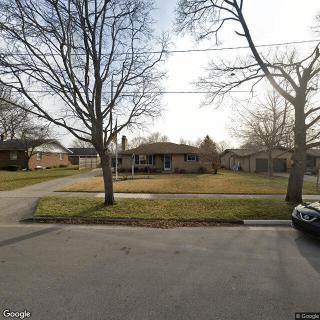
  • House 4

    House 4

    Wyoming, MI


    pro Fully furnished with comprehensive care and amenities (24-hour supervision, ADLs, meal/dietary services, housekeeping, transportation, activities, outdoor spaces, and connectivity).
  • David's House III

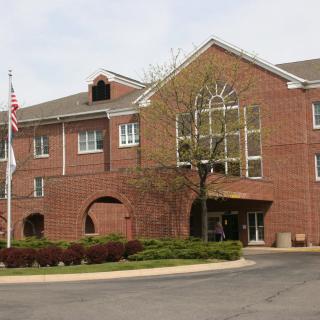
    David's House III

    Wyoming, MI

    4.5 from 40 reviews
     

    pro Comprehensive care with ADL support, diabetes-friendly meals, and transport coordination.

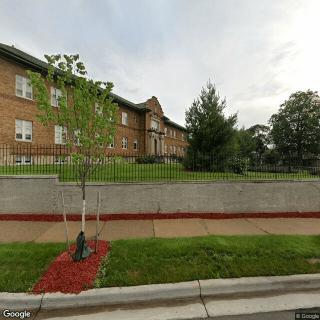
  • Davids House

    Davids House

    Wyoming, MI

    4.5 from 40 reviews
     

    pro Small, fully furnished community with 24-hour supervision and comprehensive care.

  • Rathbone Manor

    Rathbone Manor

    Wyoming, MI


    pro Comprehensive care (24-hour supervision, ADL assistance, medical coordination) with transportation to medical appointments.

  • Re-Purposed Assisted Living

    Re-Purposed Assisted Living

    Wyoming, MI

    5 from 4 reviews
    $2,800 / month

    pro Small, intimate setting with personalized care and affordable private-room pricing.

  • Community Safe Keeping II

    Community Safe Keeping II

    Grand Rapids, MI

    4 from 66 reviews
     

    pro Comprehensive care with ADL support, medical coordination, meals, and amenities.

  • Clark Retirement Community at Franklin

    Clark Retirement Community at Franklin

    Grand Rapids, MI

    3.8 from 62 reviews
    $1,700 to $2,790 / month

    pro Clean, well-maintained facility with friendly staff, engaging activities, and excellent dining; solid memory care option.

  • Beacon Hill at Eastgate

    Beacon Hill at Eastgate

    Grand Rapids, MI

    4.4 from 45 reviews
    $1,160 to $2,420 / month

    pro Compassionate staff with comprehensive care options (independent, assisted, memory care) in a peaceful, amenity-rich setting.

  • Villa Maria

    Villa Maria

    Grand Rapids, MI

    4 from 104 reviews
    $1,470 to $1,685 / month

    pro Active community with on-site/off-site activities, clean facilities, friendly staff, and affordable pricing.

Related Resources

  • when to move from assisted living to nursing home8 Key Indicators That Suggest It May Be Time to Transition from Assisted Living to Skilled Nursing Care

    The transition from assisted living to skilled nursing care is often prompted by complex medical needs that assisted living cannot meet, with key indicators including frequent health declines, increased falls, severe memory issues, and caregiver burnout. Families should recognize these signs early to discuss options with healthcare providers and prepare for the emotional and logistical aspects of moving to a facility that offers comprehensive medical support.

  • active senior livingVibrant Senior Living: A Comprehensive Guide for Active Older Adults

    Vibrant Senior Living emphasizes active senior living communities that promote independence and engagement through diverse amenities and activities, fostering wellness and social interaction among older adults. These communities range from independent to assisted living, with a focus on personal growth, family involvement, financial planning, and leveraging technology to enhance residents' experiences.

  • when to move from assisted living to memory careWhen to Transition from Assisted Living to Memory Care: Key Indicators, Steps, and Finding the Right Community

    Transitioning from assisted living to memory care is driven by an individual's cognitive decline and specific needs, requiring careful evaluation of indicators like increased confusion and wandering. The process involves consulting medical professionals, researching suitable communities, considering financial and legal aspects, and ensuring effective communication for personalized care plans.