
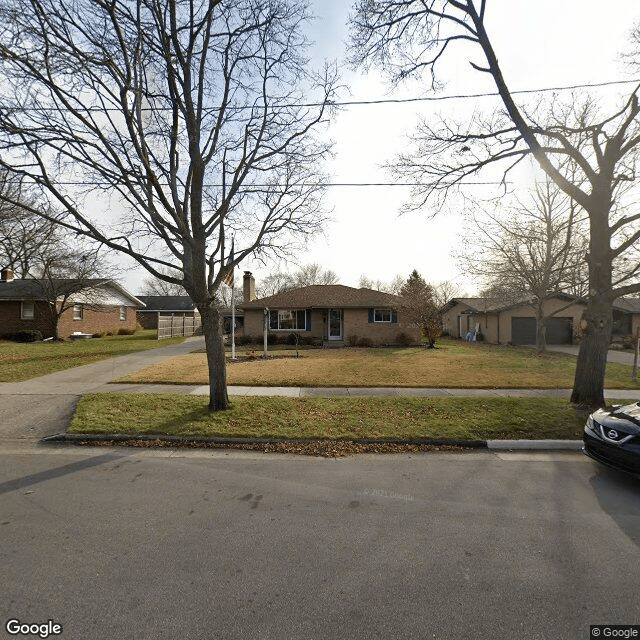
1260 Cricklewood, Wyoming, MI 49509
For more information about senior living options: (866) 208-4318
Re-Purposed Assisted Living Costs & Pricing
Re-Purposed Assisted Living offers an attractive option for those seeking a more affordable assisted living solution, with costs for a private room set at $2,800 per month. This rate significantly undercuts the average monthly costs in Kent County, which stands at approximately $5,194. In comparison to the broader state figures for Michigan, where the average is around $3,675, Re-Purposed Assisted Living presents a compelling value proposition. This pricing structure not only makes quality care more accessible but also provides residents and their families peace of mind knowing they are making a financially sound choice without compromising on the level of service they receive.
| Floor plans | Re-Purposed Assisted Living | Kent County | Michigan |
|---|---|---|---|
| Private | $2,800 | $5,194 | $3,674 |
Assisted Living communities with a similar price nearby
-
from -$250 / mo

Hubert Assisted Living Home Care
$2,550 to $4,200 / month4.6 miles away -
from -$250 / mo
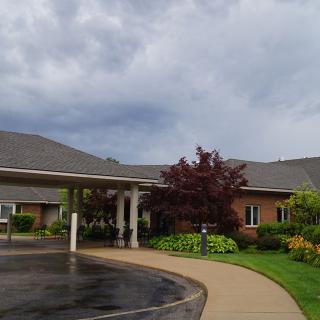
Sheldon Meadows Living Center
$2,550 to $4,000 / month10.1 miles away -
from -$145 / mo
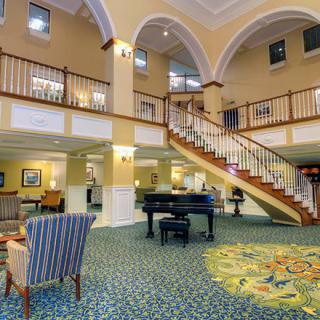
Freedom Village ( Holland )
$2,655 to $5,965 / month22.0 miles away -
from -$300 / mo

Barn Swallow Manor
$2,500 / month7.7 miles away -
from +$200 / mo

Appledorn Living Center
$3,000 to $3,600 / month22.0 miles away
Overall Review of Re-Purposed Assisted Living
Pros
 The ladies who own and run it are awesome.
- They truly have a heart for this work.
- They care for her mom as if she were their own.
- There is no other place where her mom would be better cared for.
- The facility is very clean, fun, and engaging for her on a daily basis.
- Most importantly, they care about her personhood.
Review
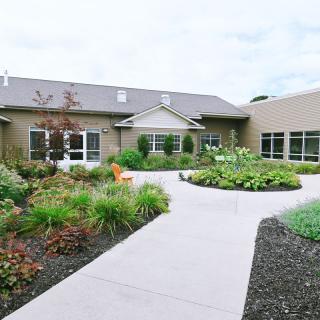
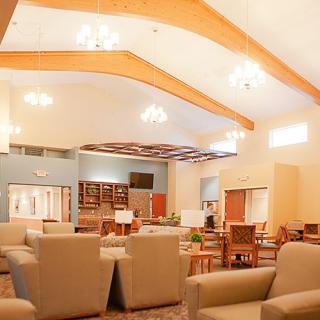
This community is best suited for seniors who want a small, home-like setting in Wyoming, Michigan, where owner-operators provide hands-on, person-centered care. It shines for residents who value daily engagement, a clean and cheerful environment, and a model of caregiving that treats each person with genuine warmth. The setting feels intimate and residential, not institutional, which makes it ideal for those who thrive on personal attention, predictable routines, and feeling like part of a family.
Those who may want to consider alternatives include families whose loved ones require extensive medical oversight or complex nursing needs. A larger campus with formal memory care services, on-site licensed nursing around the clock, and a broader menu of therapeutic offerings would be more appropriate for residents with advanced dementia, high-acuity medical conditions, or demands for highly structured rehab. If a highly regimented program, specialized units, or robust on-site clinical staff are non-negotiables, this option may not satisfy those expectations.
The strongest pros, the owners’ evident heart for the work, deeply attentive care, and emphasis on personhood, construct a compelling offset to the main trade-offs of a small, intimate setting. The daily life here is not about generic programming; it is about tailoring moments of engagement to individual preferences, which consistently reduces fatigue, anxiety, and social withdrawal. A clean, well-kept environment reinforces dignity and comfort, while the engaging activities and social occasions help maintain mood and connection. In practice, care feels proactive rather than reactive, with staff who remember preferences and history, which is a rare and valuable advantage.
Another decisive offset is the sense of continuity and trust that comes from working with owners who clearly oversee operations. Stability in leadership translates into stable caregiving relationships, fewer disruptions for residents, and open lines of communication with families. The home atmosphere invites frequent, candid conversations about needs, progress, and preferences, saving precious time for families who want reassurance that their loved one is not being treated as a checklist item. Cleanliness, safety, and a welcoming tone further reinforce the perception that the resident’s personhood is the central focus of daily care.
From a practical decision-making standpoint, families evaluating this community should probe how the intimate model translates into specifics: staffing ratios for daily living tasks, medication management practices, and access to licensed professionals for medical questions or concerns. Inquire about how activities are designed to match cognitive and physical abilities, how personal preferences are captured in care plans, and how family input is incorporated into ongoing life planning. Clarify policies on respite stays, guest visitation, and the flexibility of schedules to accommodate involvement. A candid visit will reveal whether the warmth translates into consistent, reliable care beyond the initial impression.
The bottom line is clear: this community delivers a warm, person-centered, home-like living experience that can be transformative for residents who crave heartfelt attention and regular, meaningful engagement. It represents a standout option for families prioritizing dignity, daily connection, and a sense of being known over a detached, program-driven approach. For individuals whose needs stay within the realm of assisted living, manageable mobility assistance, light medical oversight, and strong emotional support, this setting excels. For those requiring substantial medical oversight, memory-care specialization, or expansive on-site clinical resources, alternatives with broader clinical capabilities should be explored.
 6 resident community capacity
 Assisted Living
 Board and Care Home
 Activities off-site
 Bath tubs
 Cable or satellite TV
 Devotional services on-site
 Dining room
 Fully furnished
 Garden
 Housekeeping services
 Indoor common areas
 Move-in coordination
 Outdoor common areas
 Private
 Respite or short term stays offered
 Telephone
 Wi-Fi/high-speed internet available
 Kent County International (9 miles away)
 24-hour supervision
 Ambulatory care
 Assistance with bathing
 Assistance with dressing
 Assistance with transfers
 Diabetes diet
 Diabetic care
 High acuity care
 Incontinence care
 Meal preparation and service
 Medication management
 Special dietary restrictions
 Transportation arrangement (medical)
 Transportation to doctors appointments


 Choosing the Right Senior Care: A Detailed Exploration of Assisted Living and Nursing Homes
 Understanding the True Cost of Assisted Living in 2025: A Comprehensive Guide
 Understanding Medicaid Coverage for Assisted Living: A Comprehensive Guide