

Marquette House

Save

  • Interior

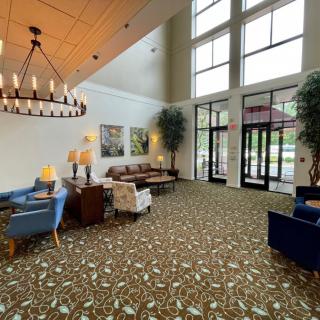
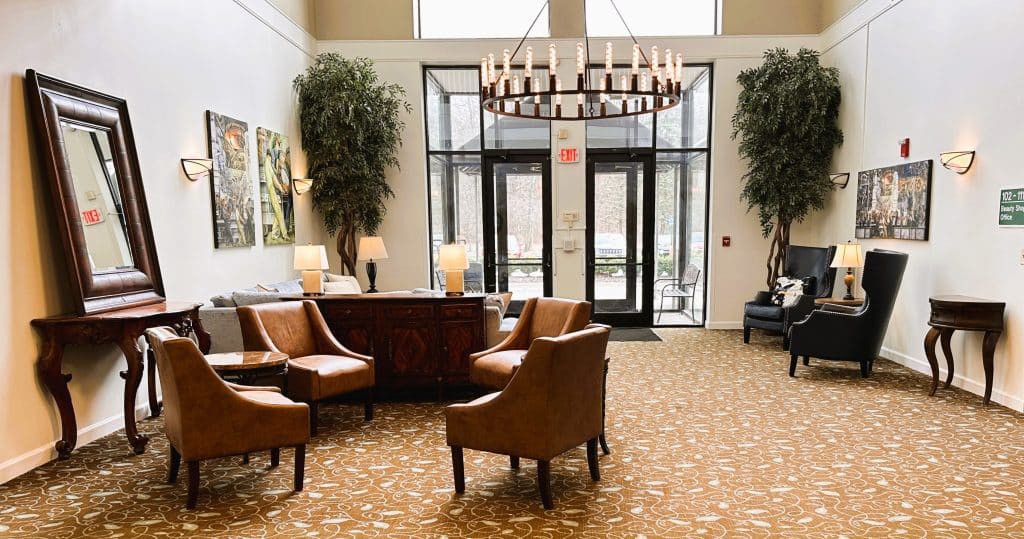
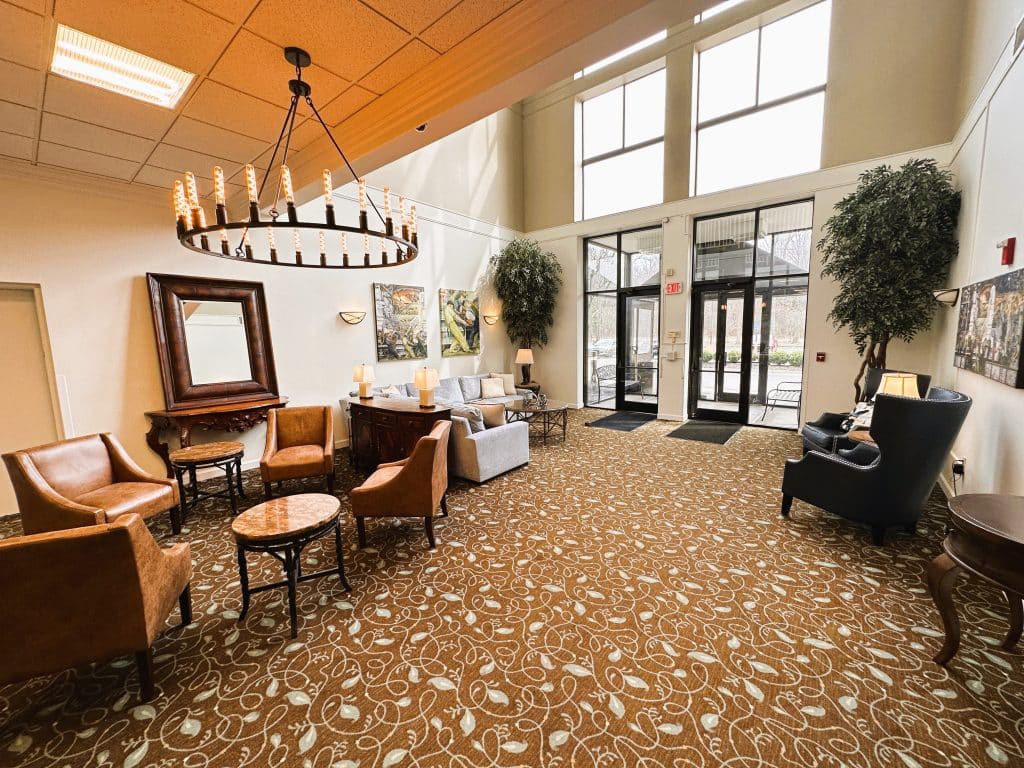
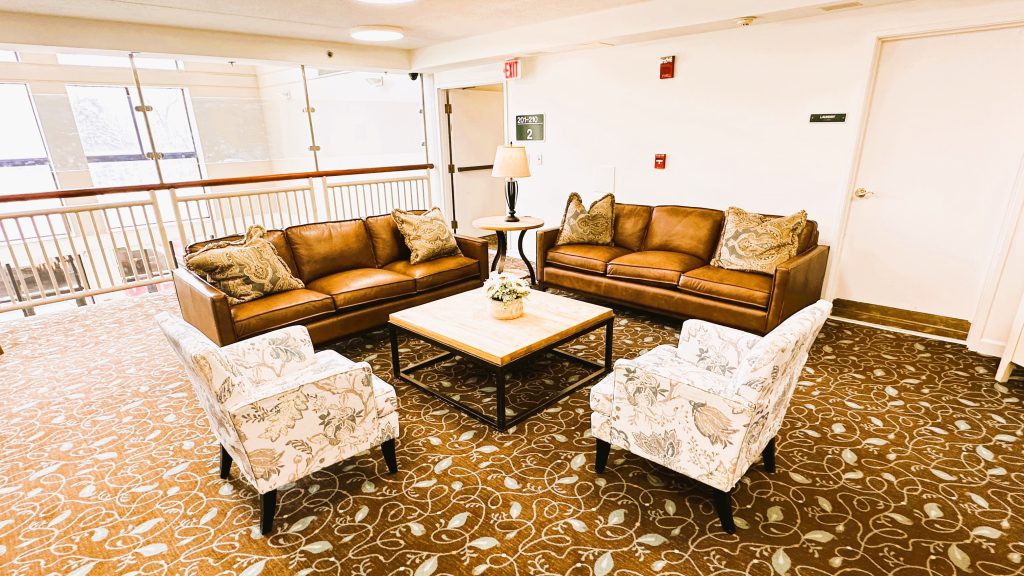
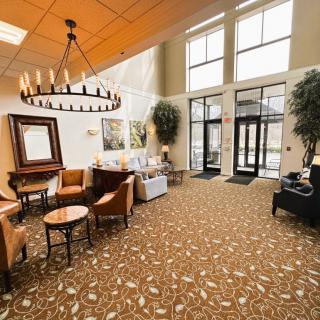
    A spacious lobby with tables and chairs, decorative plants, and warm lighting.
  • Decor

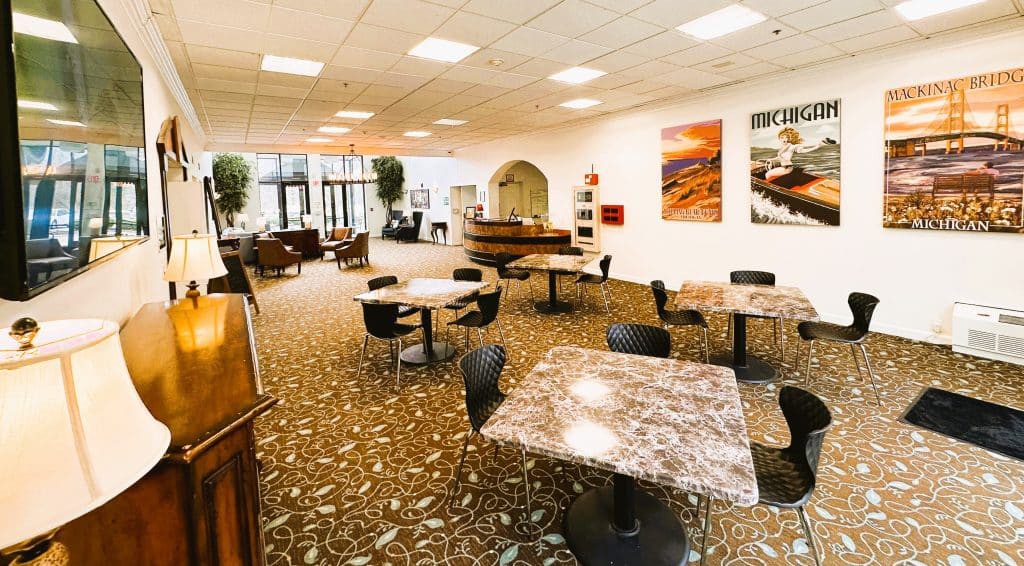
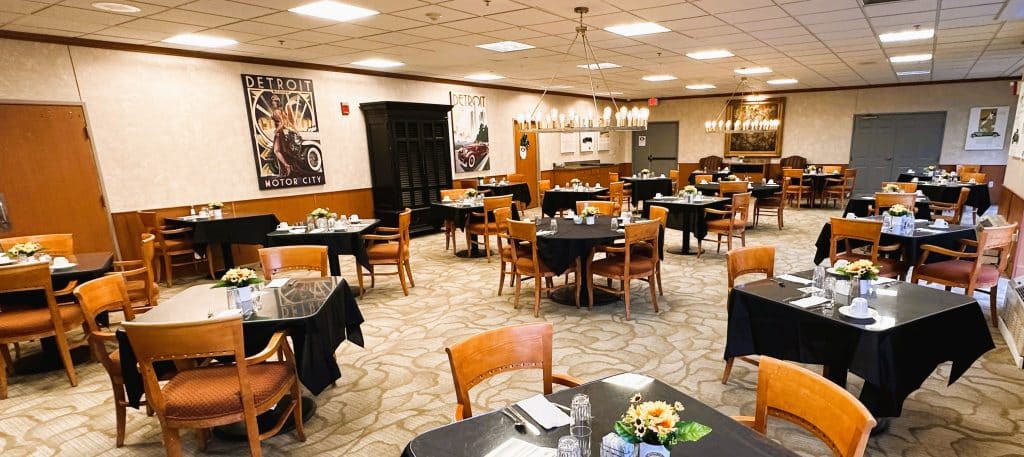
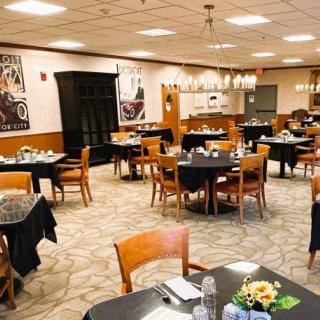
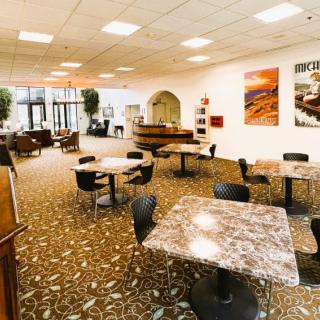
    A cozy restaurant dining area with neatly arranged tables and chairs.
  • Living Room

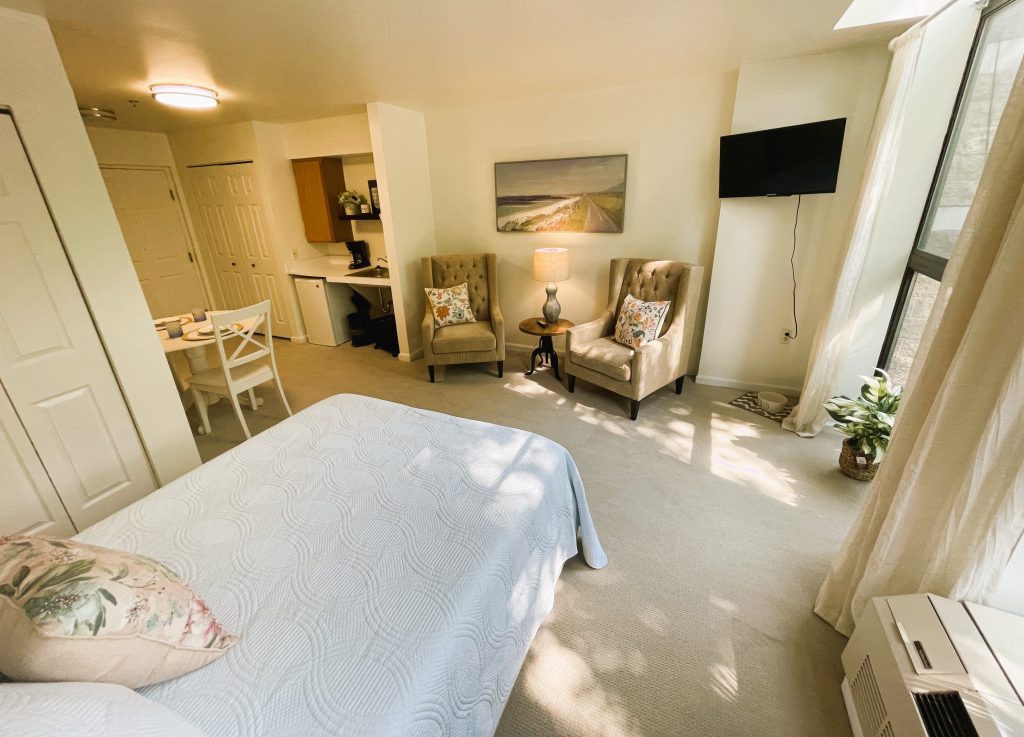
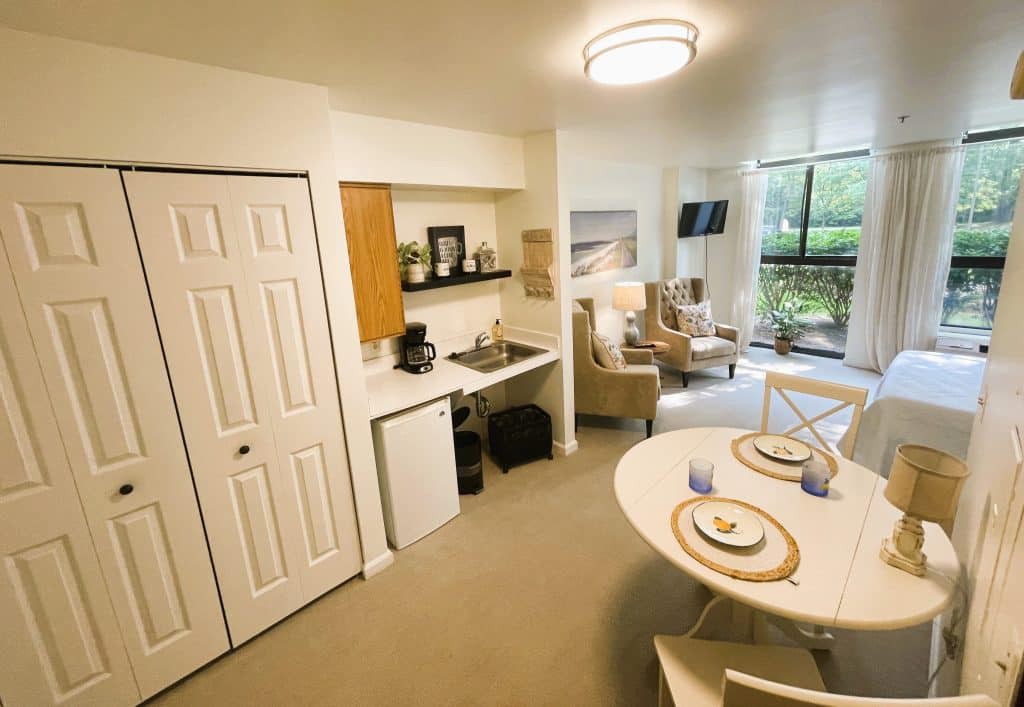
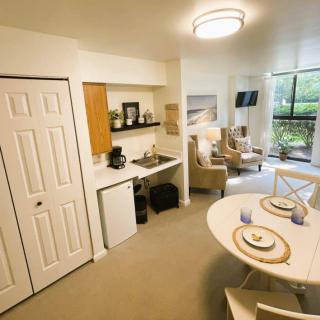
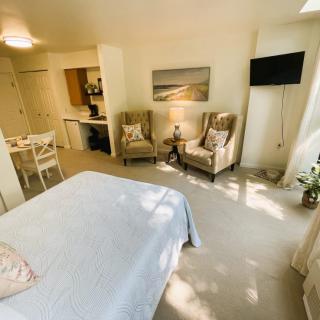
    A modern apartment interior featuring a cozy living room, dining area, and kitchenette with ample natural light.
  • Bedroom

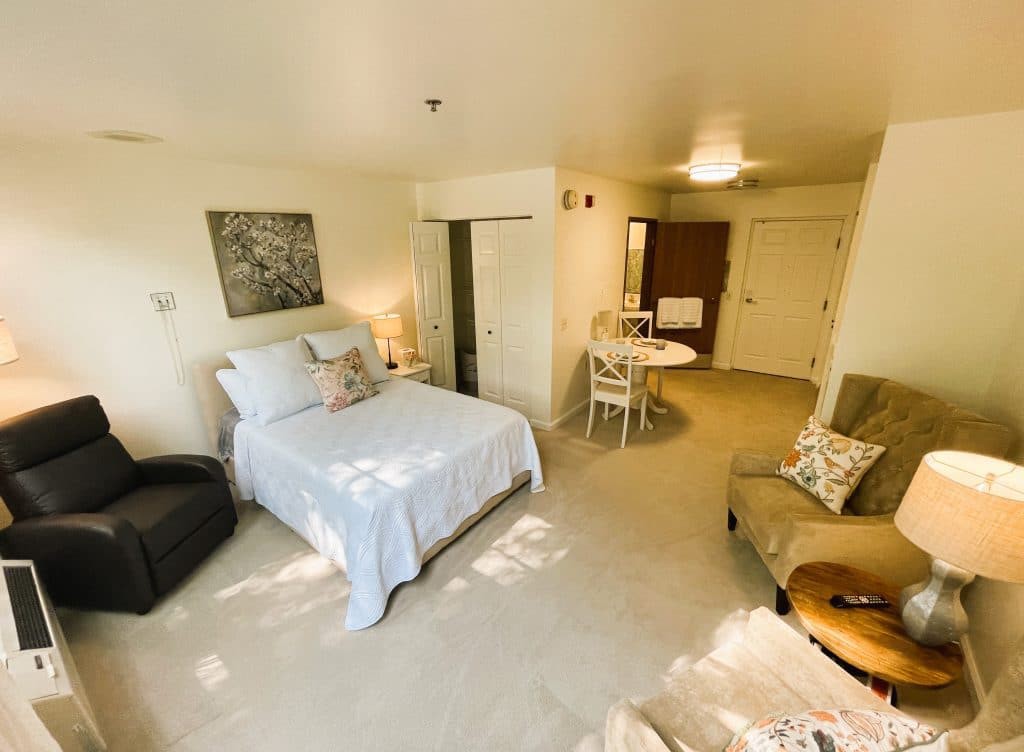
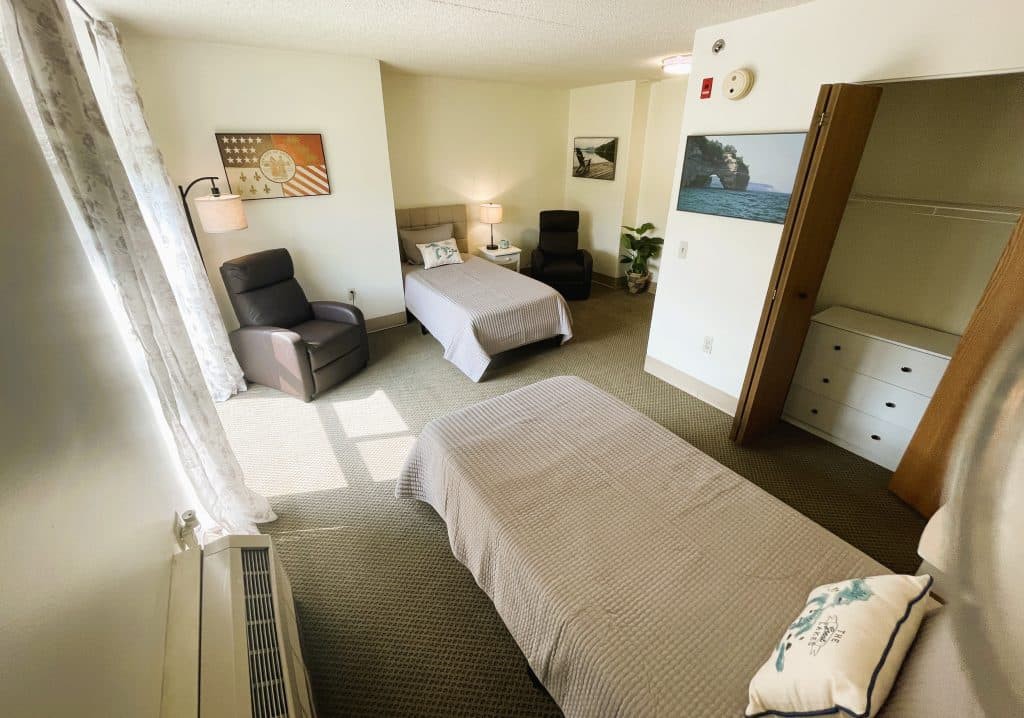
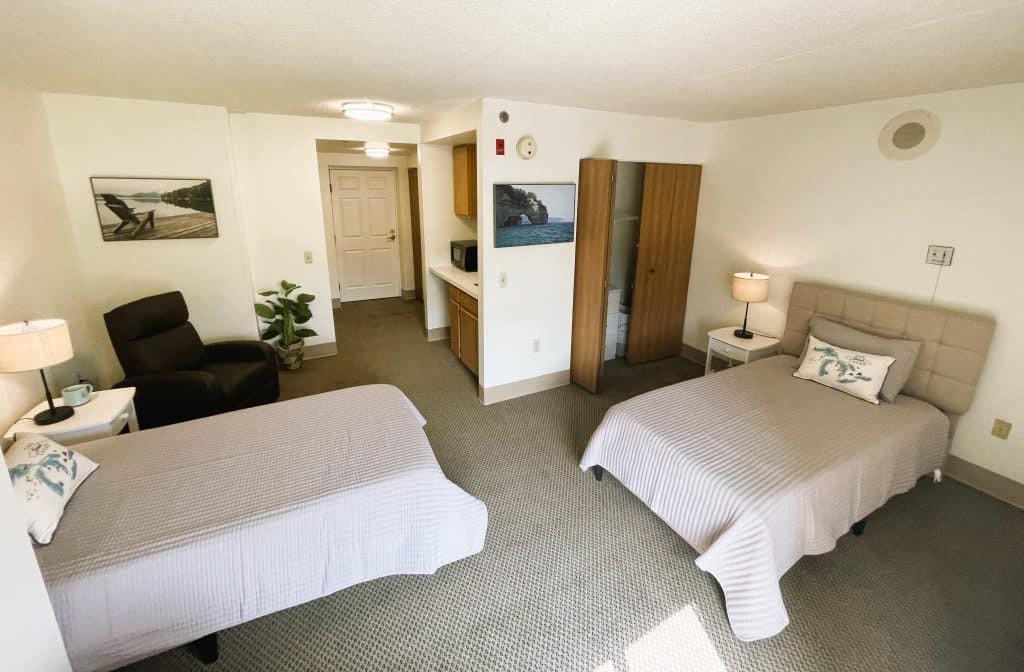
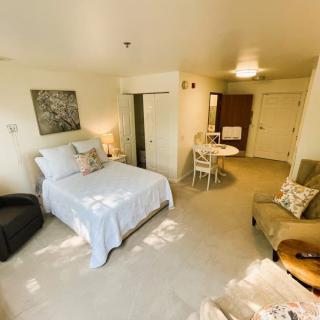
    A cozy apartment interior with a neatly arranged bedroom and living area.
  • Windows

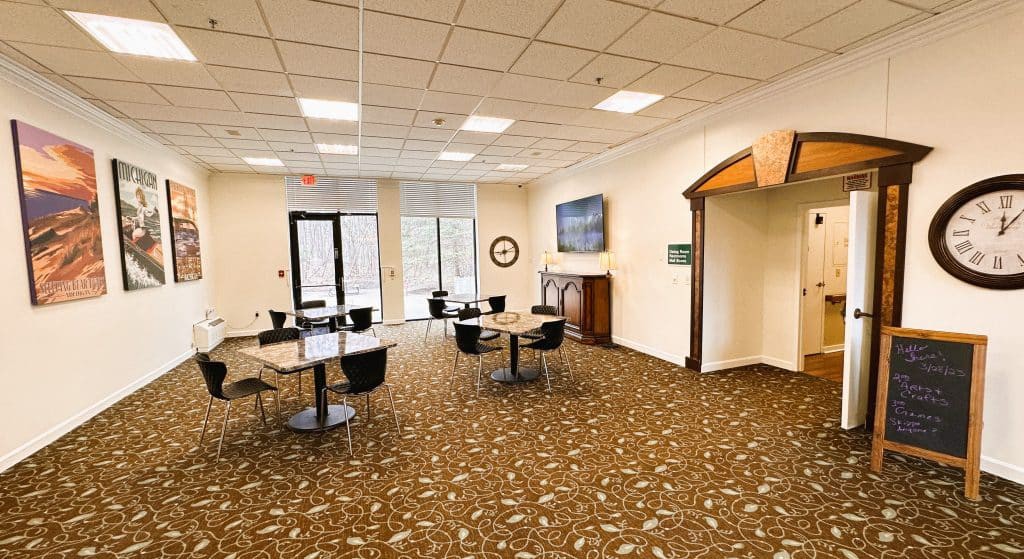
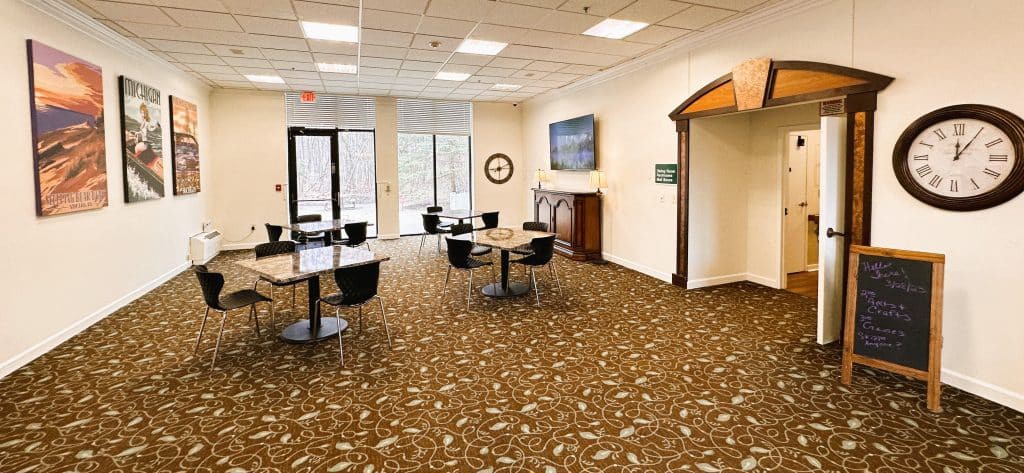
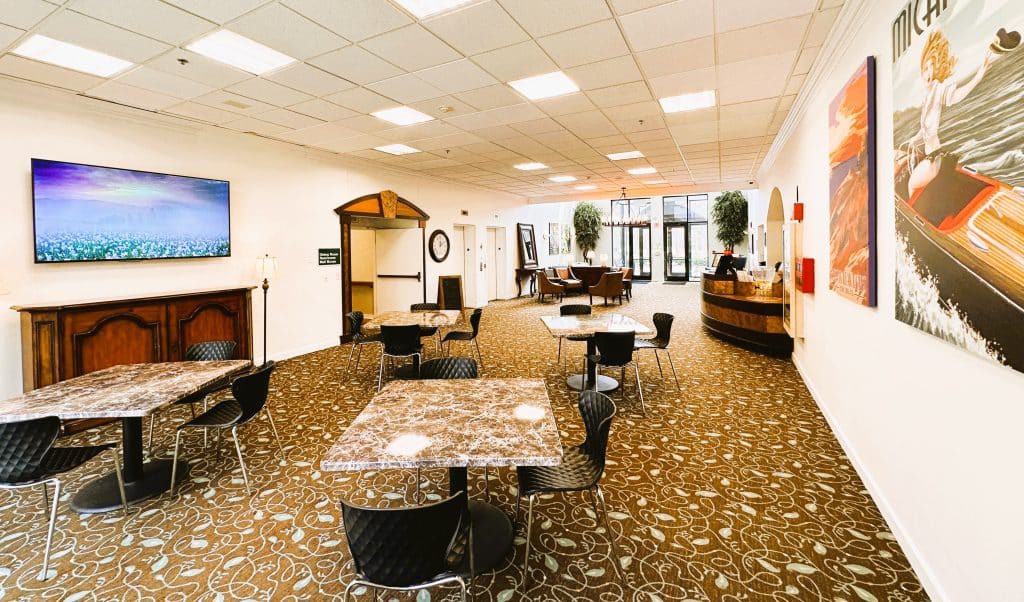
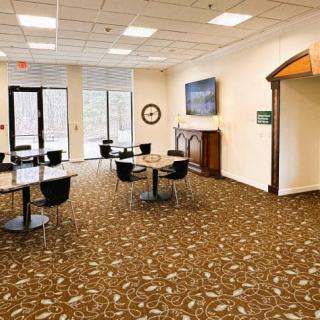
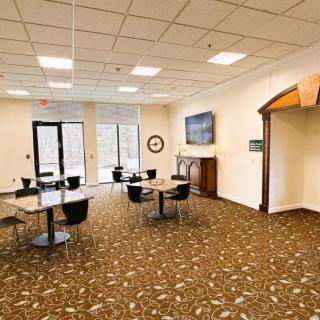
    A spacious lobby area with tables and chairs, featuring a television and large windows.
  • Dining

    A well-lit dining room with a long table surrounded by upholstered chairs, adorned with artwork on the walls.
  • Lighting

    A spacious waiting area with tables, chairs, and a television in a carpeted room.
  • Artwork

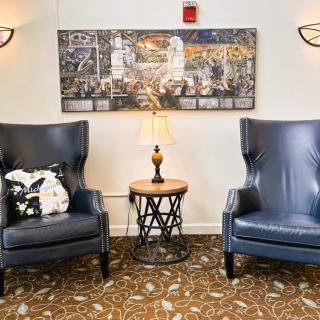
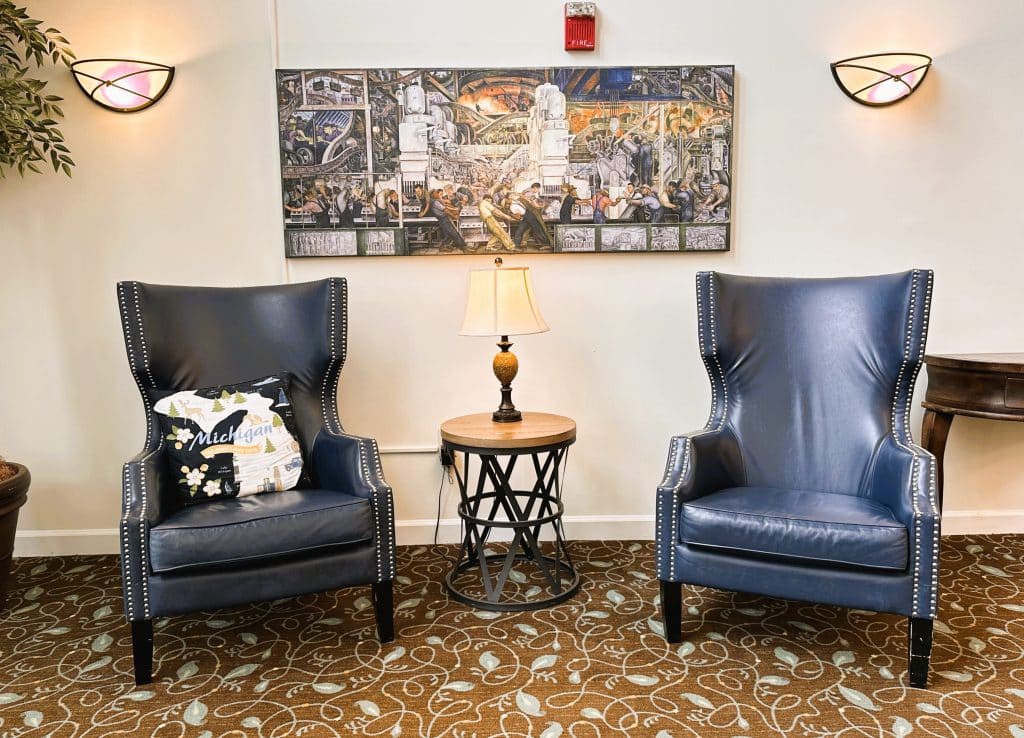
    A cozy living room setup with two blue chairs and a side table with a lamp, adorned by a cityscape artwork on the wall.
  • Seating Area

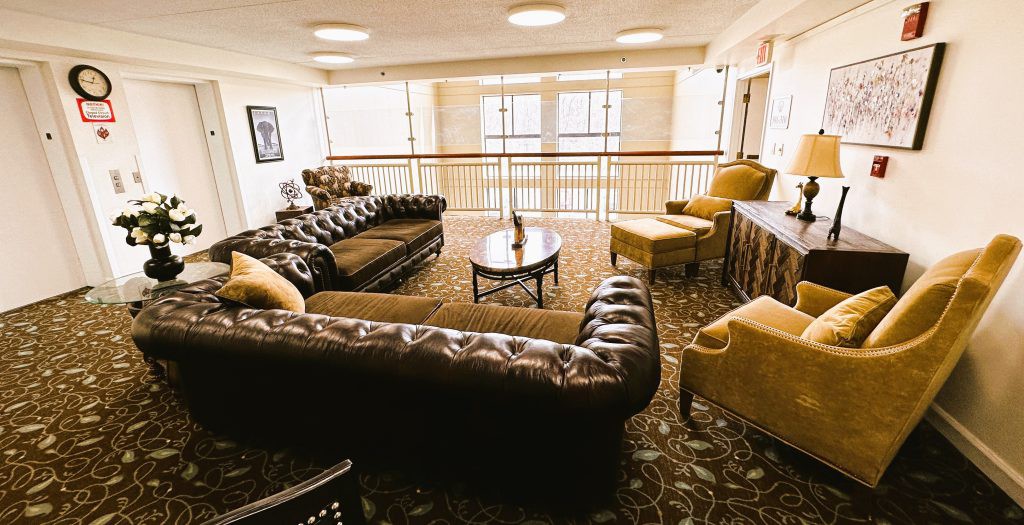
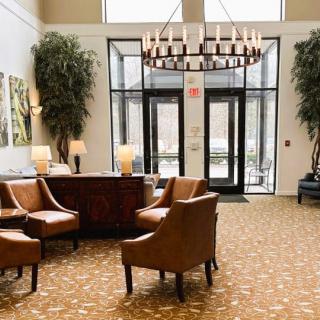
    A well-appointed lobby with comfortable seating and a large chandelier.
  • Bathroom

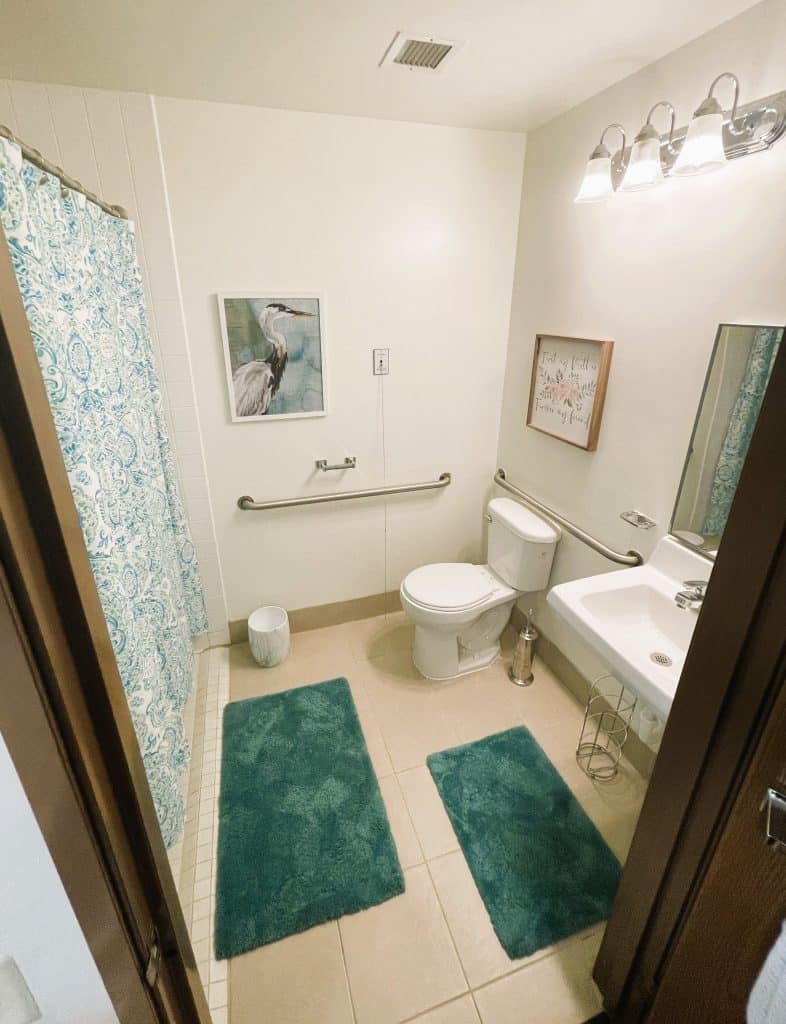
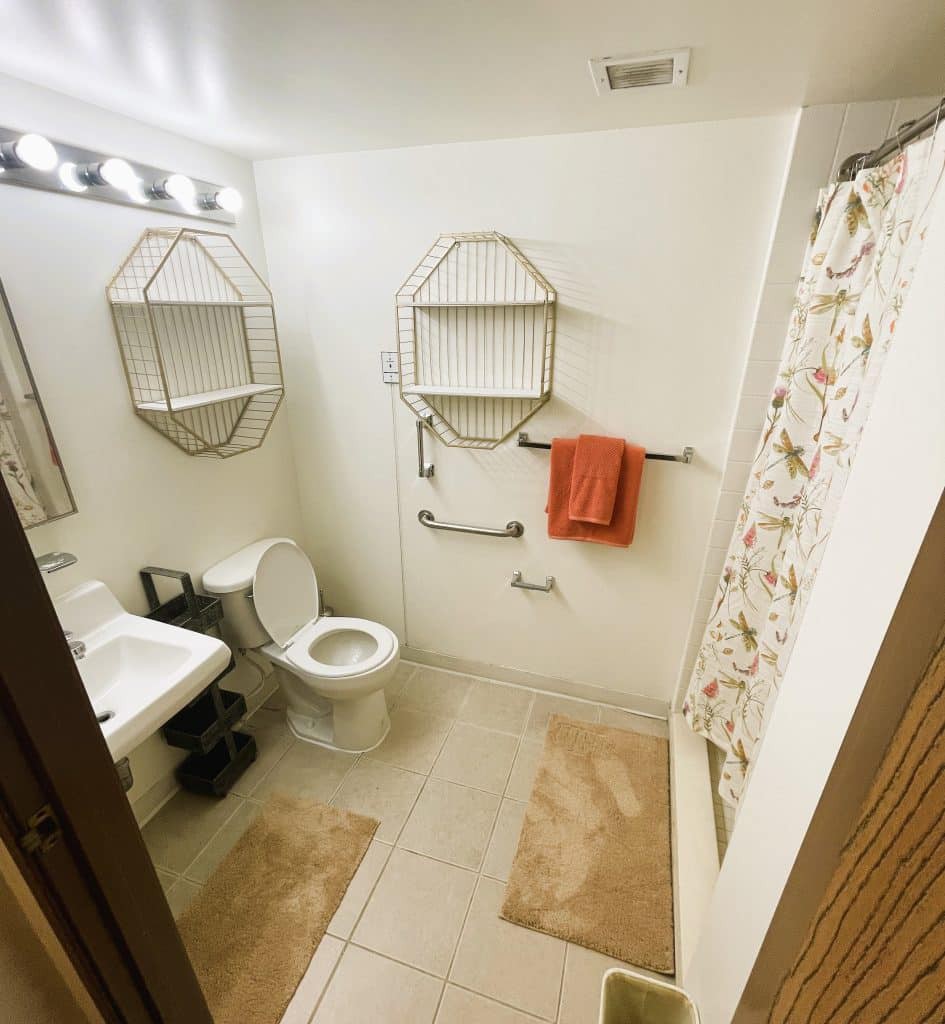
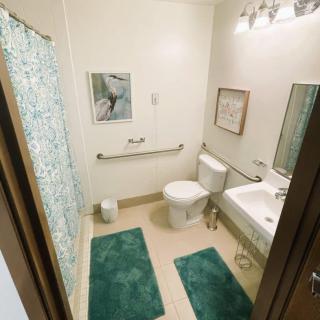
    A well-lit bathroom with modern fixtures, featuring a shower curtain, wall art, and green rugs.
  • Television

    A cozy bedroom with a bed, armchairs, and a small TV, featuring soft lighting and elegant decor.
  • Lobby

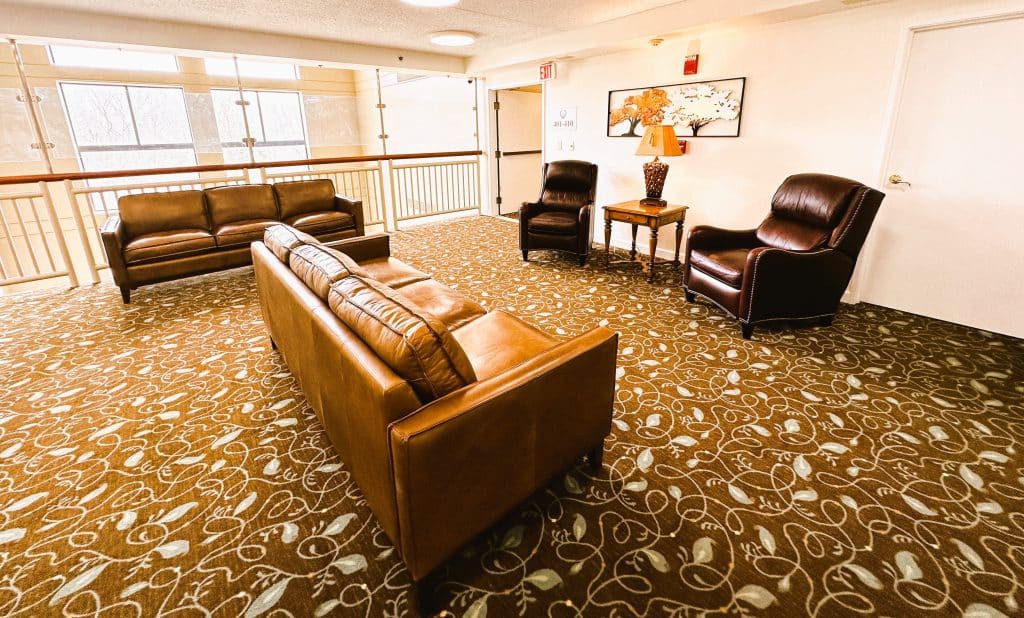
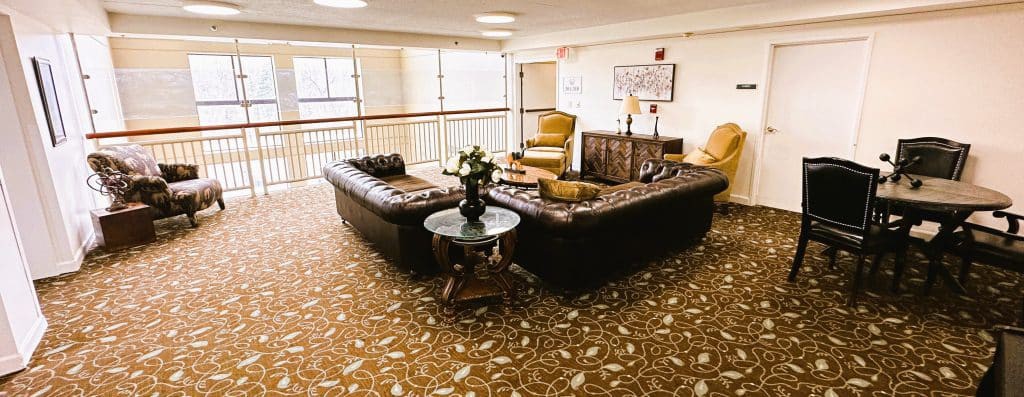
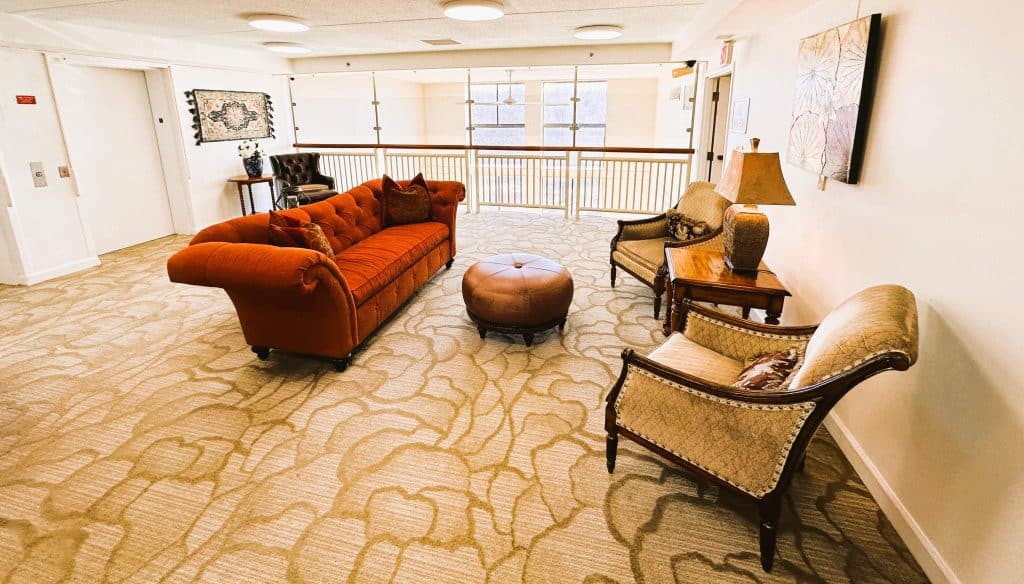
    A spacious lobby with elegant decor and comfortable seating.
  • Chandelier

    A well-decorated dining room featuring a large wooden table surrounded by upholstered chairs, with a chandelier overhead and framed artwork on the walls.
  • Wall Art

    A modern indoor cafeteria with marble tables and black chairs, featuring artwork on the walls and a carpeted floor.

Marquette House

3600 Campus Drive, Westland, MI 48185

For more information about senior living options: (844) 490-3973

3.7 from 15 reviews
5 stars
9
4 stars
1
3 stars
1
2 stars
0
1 stars
4

Assisted Living Memory Care Respite Care

Overall Review of Marquette House

Pros

  • pro The staff at Thomas Taylor Towers is described as amazing and goes out of their way to help residents.
  • pro The office and maintenance staff are said to go beyond their job descriptions to ensure residents' well-being.
  • pro The lobby area is described as a warm, friendly gathering place for seniors to chat and sit by the fireplace.
  • pro The staff are praised for keeping residents safe and cared for during COVID-19, ensuring nobody was left behind.
  • pro Theresa and the office staff are described as awesome and hardworking, making it a great place for senior citizens to live.
  • pro The landscaping around the property is described as beautiful.
  • pro The community provides engaging activities, including lunches delivered by the local high school for residents.
  • pro The building is described as a welcoming home where residents feel supported by staff who care about the building and the residents.

Cons

  • pro Thomas Taylor Towers was accused of daily legal violations.
  • pro The facility's director was described as proud to insult, lie about a resident's credit report, and discriminate.
  • pro The tenancy decision-makers were portrayed as unprofessional and dishonest about items on credit reports.
  • pro Redlining, gentrification, and discrimination are claimed to be the norm at such communities.
  • pro The office manager is said to believe she can make rules unilaterally, banning residents not of the "right color."
  • pro The policy is described as effectively locking in seniors and preventing family or friends from helping.
  • pro The facility is described as more like a prison than a home.
  • pro The COVID-19 response is criticized for leaving tenants without adequate office presence and support.

Review

Residents and observers describe a complex, often contradictory picture of Thomas Taylor Towers in Westland, Michigan. On one hand, there are strong accusations that the community uses third-party agencies to conduct background and credit checks in ways that improperly exclude certain people, particularly based on race. The tone of these accounts suggests a deliberate effort to gatekeep housing opportunities, with insinuations that the agencies involved are connected to staff or friends and family. Those raising concerns say exclusion is carried out with a practiced friendliness - the outward smile masking what they view as venom and a pattern of discriminatory questioning when their practices are challenged. The overarching impression left by these voices is that the process of determining tenancy can feel orchestrated to push people away rather than to welcome them.

Another thread in the discussions centers on the ethical and legal implications of such practices. Review entries emphasize that this is not just an unhappy experience but a potential violation of civil rights protections. The mentions span from a provocative statement that the practices will be exposed to a wider audience, to explicit references to the Civil Rights Act of 1964 as a framework for judging discrimination based on race, color, religion, sex, and national origin. The language conveys a belief that what happens at the community level can undermine the spirit of equal access to housing that federal law seeks to safeguard. In short, the narrative at times frames Thomas Taylor Towers as a place where discriminatory screening processes may be normalized or go unchecked.

A particularly troubling report from late January 2025 describes an encounter described as horrific and intentional, with a director allegedly insulting residents and lying about their credit reports. The reviewer contends that the staff's actions amount to discrimination, compounded by a sense that the decision-making process for tenancy is opaque and unfair. The writer insists that such behavior warrants attention and accountability, suggesting a pattern of misrepresentation or evasiveness when residents question or challenge denials. The account paints a picture of a system that can feel unresponsive to concerns about legality and fairness, especially when residents claim they are being treated differently because of who they are.

This sense of unequal treatment is echoed in another late-January post that critiques how decisions are made for a "low income housing" community. The author argues that the people deciding eligibility are unprofessional, and that the process includes deceptive statements about creditworthiness. They describe a sharp contrast between the negative discourse about their experience and positive anecdotes that appear within the same timeline. There are lines lamenting redlining and gentrification as recurring themes in housing discrimination, along with a stark portrayal of a facility that can feel more like a prison than a home for some residents. The negativity is tempered, however, by stark reminders that there are also residents who report being offered housing and support, even if such praise is interspersed with criticisms about color-based exclusion and rule enforcement.

The same collection of posts does not portray a monolithic experience. There are sections where residents recount disappointment with communication and the handling of appeals, including one account in which a call was disconnected and the teller's attempts to press a "narrative" were met with frustration. Yet amid the complaints, there are affirmations that staff members can and do go out of their way to help. Some posts describe the staff and maintenance teams as responsive and caring, suggesting that at times the community functions as a supportive environment where residents feel seen and attended to. These positive notes emphasize acts of kindness, problem-solving, and a willingness to assist residents beyond the minimum expectations of their roles, painting a picture of a place that can be both challenging and comforting depending on the encounter.

Several testimonials highlight a more favorable view of life at Thomas Taylor Towers. One mother of a resident praises the office staff for their hard work and the sense of community that makes the place feel like a welcoming home for seniors. The lobby is described as warm and inviting, a social hub where residents can gather, chat, and participate in activities. The facility is depicted as not being an assisted living or a nursing home, but rather independent living, where residents still enjoy resources and social programs. There is praise for the upkeep during the COVID-19 era, with claims that staff kept the residents safe, checked on them regularly, and ensured that no one was left behind, even if government policies required adjustments to normal operations. The narrative here stresses gratitude for staff dedication and the ways in which the community can feel like a lifeline during difficult times.

Taken together, these voices present a nuanced reality: Thomas Taylor Towers is a place that some residents view through a lens of concern about fair housing, discrimination, and exclusionary practices, while others describe a caring, engaged staff and a genuine sense of community. The disparate experiences suggest that the community's operations - especially around screening, communications, and emergency responsiveness - are areas where perceptions diverge sharply. The positive testimonials emphasize a supportive culture, strong relationships with staff, and a sense of belonging fostered by social activities, safety measures, and responsive management. The negative accounts, by contrast, urge vigilance, transparency, and accountability to ensure that all residents are treated with dignity and respect and that housing remains accessible without regard to race or other protected characteristics.

In the end, the mosaic of experiences points to ongoing questions about governance, fairness, and the lived reality of residents in this Westland complex. For some, Thomas Taylor Towers represents a community where care and companionship flourish despite challenges; for others, it embodies a site where discriminatory practices threaten access and trust. The juxtaposition invites careful scrutiny of screening practices, staff training, and the effectiveness of appeals processes, as well as ongoing attention to the everyday realities of senior and low-income housing. As with many multifaceted housing communities, the true measure may lie in the consistency of respectful treatment, the transparency of decisions, and the degree to which residents feel both safe and valued in their home.

Features

Housing

  • 102 resident community capacity 102 resident community capacity

Types of Care

  • Assisted Living Assisted LivingAssisted living facilities provide crucial support and care for seniors who may need help with daily tasks such as medication management, bathing, and meal preparation. These communities offer a safe and comfortable environment where seniors can maintain their independence while receiving the assistance they need to thrive in their golden years.
  • Memory Care Memory CareMemory care is crucial for seniors as it provides specialized support and services for individuals with dementia or Alzheimer's disease. These programs offer a safe and secure environment where residents receive personalized care, cognitive stimulation, and help with daily activities. Memory care helps seniors maintain their independence, quality of life, and dignity while also providing peace of mind for their families.
  • Respite Care Respite CareRespite care provides temporary relief for caregivers, allowing them to recharge and attend to their own needs. It also gives seniors the opportunity to socialize, receive professional care, and experience a change of scenery, promoting overall well-being and reducing feelings of isolation.

Amenities

  • Air-conditioning Air-conditioningAir conditioning is important for seniors as they are more vulnerable to heat-related illnesses and may have underlying health conditions that make it difficult for them to regulate their body temperature. It helps to keep them comfortable, safe, and healthy in hot weather.
  • Beauty salon Beauty salonBeauty salons are important for seniors because they provide a space for them to feel pampered, socialize, and maintain their personal grooming and hygiene. Regular visits to a beauty salon can help boost seniors' self-esteem and overall well-being.
  • Cable or satellite TV Cable or satellite TVCable or satellite TV is important for seniors because it provides entertainment, news, and companionship, helping to combat loneliness and boredom. It also offers a wide range of programming options tailored to different interests and preferences.
  • Computer center Computer centerA computer center is essential for seniors as it provides access to technology, communication tools, and resources that can enhance their daily lives. It allows them to stay connected with loved ones, engage in online activities, and learn new skills, ultimately promoting socialization and mental stimulation.
  • Dining room Dining roomDining rooms are important for seniors as they provide a space for socialization, connection, and nutritious meals. They offer opportunities for residents to bond over shared meals, foster a sense of community, and promote healthy eating habits. Dining rooms also ensure that seniors have access to well-balanced meals tailored to their dietary needs and preferences.
  • Fitness room Fitness roomHaving a fitness room in a senior living community is essential for seniors to stay active, maintain their physical health, and improve their overall well-being. Regular exercise can help prevent falls, reduce the risk of chronic diseases, and promote mental sharpness. It also provides social opportunities for residents to connect with others and enjoy a sense of community.
  • Fully furnished Fully furnishedFully furnished senior living communities are important for seniors because they provide convenience, comfort, and a hassle-free moving experience. Seniors can easily settle into their new living space without the stress of having to buy and move furniture. This allows them to focus on enjoying their new home and community.
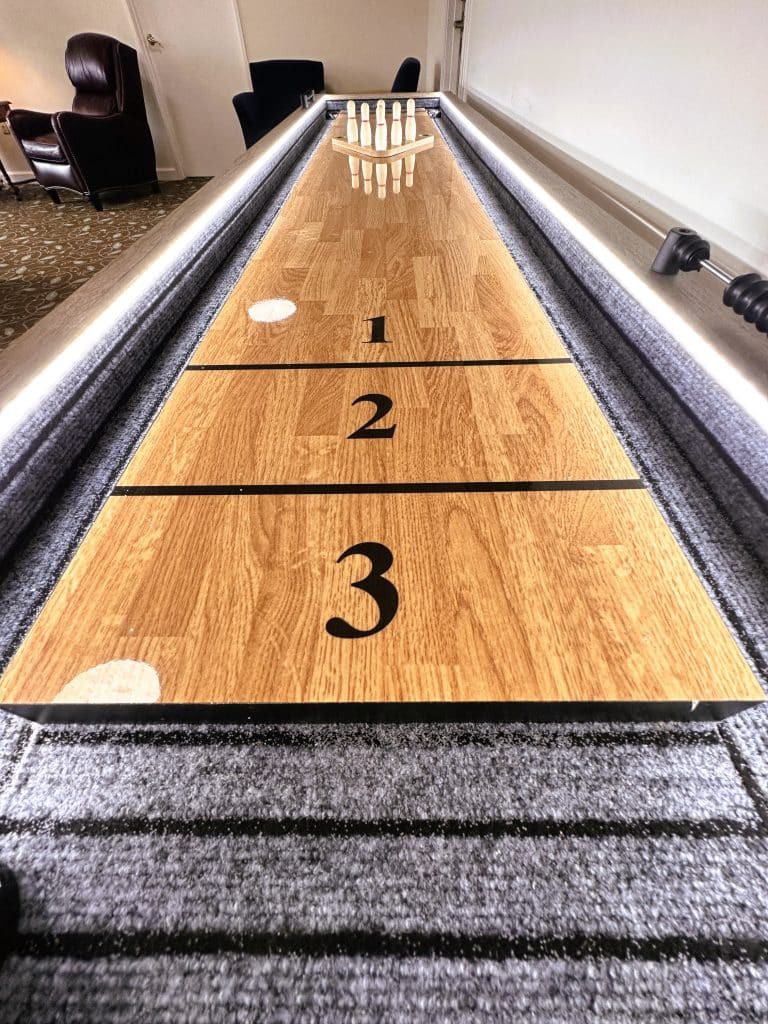
  • Gaming room Gaming roomGaming rooms are important for seniors as they provide a fun and engaging environment for socializing, cognitive stimulation, and physical activity. Games can improve memory, problem-solving skills, and overall mental well-being while fostering friendships and reducing feelings of isolation.
  • Garden GardenGardens are important for seniors as they provide a peaceful and therapeutic environment for relaxation, physical activity, and socialization. Being in nature has been shown to reduce stress, improve mood, and promote overall well-being. Gardens also offer opportunities for seniors to engage in gardening activities, which can improve mobility, flexibility, and cognitive function. Additionally, gardens create a sense of community and connection with others who share a passion for plants and outdoor spaces.
  • Housekeeping services Housekeeping servicesHousekeeping services are important for seniors because they help maintain a clean and safe living environment, promote independence, and reduce the risk of accidents or illnesses. Additionally, having assistance with household chores can alleviate physical strain and allow seniors to focus on other aspects of their well-being.
  • Kitchenette KitchenetteKitchenettes are important for seniors living in senior living communities because they provide the convenience and independence of being able to prepare simple meals and snacks in the comfort of their own living space. This can help promote a sense of autonomy and well-being for seniors, allowing them to maintain some level of control over their dietary choices and daily routines.
  • Move-in coordination Move-in coordinationMove-in coordination is important for seniors because it helps ease the transition into their new living environment. It ensures that all logistics, such as packing, organizing movers, and setting up utilities are taken care of, allowing seniors to focus on settling in and adjusting to their new home. Having a smooth move-in process can alleviate stress and anxiety, making the transition smoother and more enjoyable for seniors.
  • Outdoor space Outdoor spaceOutdoor spaces are important for seniors as they provide opportunities for physical activity, social interaction, exposure to natural light and fresh air, and a sense of connection to nature. Having access to outdoor spaces can improve overall well-being and quality of life for older adults living in senior communities.
  • Private bathrooms Private bathroomsPrivate bathrooms are important for seniors in senior living communities because they provide independence, dignity, and comfort. Having a private bathroom allows seniors to maintain their personal hygiene routines without the need for assistance, promoting a sense of autonomy and privacy. Additionally, private bathrooms help prevent the spread of infections and provide a safe and clean environment for seniors to navigate safely.
  • Restaurant-style dining Restaurant-style diningRestaurant-style dining is important for seniors because it allows them to enjoy delicious, nutritious meals in a social and upscale setting. This enhances their dining experience, promotes healthy eating habits, and fosters socialization with fellow residents, ultimately contributing to their overall well-being and quality of life.
  • Small library Small librarySmall libraries are important for seniors as they provide access to a variety of reading materials, including books, newspapers, and magazines. This can help stimulate their minds, keep them engaged, and provide a sense of community through book clubs and other social activities. Additionally, reading has been shown to improve cognitive function and overall mental well-being in older adults.
  • Telephone TelephoneTelephones are important for seniors as they provide a lifeline for communication with loved ones, emergency services, and healthcare providers. They offer a sense of security and independence, enabling seniors to stay connected and access assistance when needed.
  • Wellness center Wellness centerWellness centers are important for seniors because they offer a variety of programs and services that promote physical, mental, and emotional well-being. These centers provide opportunities for exercise, socialization, education, and relaxation, helping seniors maintain their overall health and quality of life.
  • Wi-Fi/high-speed internet available Wi-Fi/high-speed internet availableWi-Fi/high-speed internet is important for seniors to stay connected with loved ones, access online resources, and participate in virtual activities to combat feelings of loneliness and isolation. It also allows them to easily manage healthcare needs, access entertainment, and engage in lifelong learning opportunities.

Transportation

  • Detroit Metropolitan-Wayne County (8 miles away) Detroit Metropolitan-Wayne County (8 miles away)
  • Community operated transportation Community operated transportationCommunity operated transportation is crucial for seniors as it provides them with the means to access essential services, social activities, and medical appointments. It allows seniors to maintain their independence and quality of life by ensuring they can participate in activities outside of their homes. Additionally, community-operated transportation services offer a safe and reliable way for seniors to travel without having to rely on family or friends for assistance.
  • Transportation arrangement Transportation arrangementTransportation arrangements are crucial for seniors as they may face challenges with driving, mobility, or access to public transportation. Having reliable transportation services ensures that seniors can easily attend appointments, social activities, and maintain their independence and quality of life.
  • Transportation arrangement (non-medical) Transportation arrangement (non-medical)Transportation arrangements are essential for seniors as they provide access to essential services, activities, and social interactions outside the home. This service helps maintain independence, mobility, and overall well-being for seniors who may have limited transportation options.
  • Transportation to doctors appointments Transportation to doctors appointmentsTransportation to doctors appointments is crucial for seniors as it ensures they have access to necessary medical care and support, promoting their health and well-being. It allows them to receive timely treatment, monitor existing conditions, and address any new health concerns efficiently. Additionally, transportation services can help seniors maintain their independence and quality of life by enabling them to stay connected with their healthcare providers.

Care Services

  • 12-16 hour nursing 12-16 hour nursing12-16 hour nursing care is crucial for seniors in order to ensure around-the-clock monitoring, timely medication administration, and prompt response to any health concerns or emergencies. This level of care helps to promote the overall well-being and safety of seniors living in senior living communities.
  • 24-hour call system 24-hour call system24-hour call systems are important for seniors because they provide peace of mind and immediate assistance in case of emergencies. This technology ensures that help is always available, promoting safety and security for elderly individuals living alone or in assisted living facilities.
  • 24-hour supervision 24-hour supervision24-hour supervision is important for seniors to ensure their safety, well-being, and access to immediate assistance in case of emergencies or health issues. This constant support provides peace of mind for both seniors and their loved ones, allowing them to age in place with dignity and security.
  • Activities of daily living assistance Activities of daily living assistanceActivities of daily living assistance are important for seniors because they provide essential support with tasks such as eating, bathing, dressing, and mobility. This assistance helps seniors maintain their independence, dignity, and overall quality of life as they age.
  • Assistance with bathing Assistance with bathingAssistance with bathing is crucial for seniors as it helps maintain personal hygiene, prevents infections, and ensures their overall well-being and comfort. It also provides a sense of dignity and independence for seniors who may struggle with this task on their own.
  • Assistance with dressing Assistance with dressingAssistance with dressing is important for seniors because it helps maintain their independence, promotes personal hygiene, prevents accidents and injuries, and improves overall quality of life. This service ensures that seniors can continue to dress comfortably and confidently, despite any physical limitations they may have.
  • Assistance with transfers Assistance with transfersAssistance with transfers is crucial for seniors as it helps prevent falls and injuries, maintains their independence, and ensures they can safely navigate their living environment. It also provides peace of mind for both seniors and their loved ones.
  • Diabetes diet Diabetes dietA diabetes diet is crucial for seniors as it helps manage blood sugar levels, reduce risks of complications, and improve overall health and well-being. By following a balanced and nutritious diet tailored to their specific needs, seniors can better control their diabetes and enhance their quality of life.
  • Meal preparation and service Meal preparation and serviceMeal preparation and service are crucial for seniors as they may have limited mobility or energy to cook nutritious meals. Having access to healthy and convenient food options can ensure they are getting the proper nutrition needed to maintain their overall health and well-being.
  • Medication management Medication managementMedication management is crucial for seniors to ensure they are taking the right medications at the correct dosages and times. This helps prevent adverse drug interactions, reduces the risk of medication errors, and promotes overall health and well-being. Proactive management also allows for adjustments as needed based on changing health conditions or new prescriptions.
  • Mental wellness program Mental wellness programMental wellness programs are essential for seniors as they promote cognitive stimulation, emotional support, and social engagement. These programs help prevent isolation, depression, and cognitive decline, ultimately enhancing the overall quality of life for older adults.
  • Mild cognitive impairment Mild cognitive impairment"Mild cognitive impairment" is important for seniors because it is an early stage of cognitive decline that can potentially progress to more severe conditions such as dementia. Recognizing and addressing mild cognitive impairment can help seniors receive appropriate care and support to maintain their quality of life and independence for as long as possible.
  • Special dietary restrictions Special dietary restrictionsSpecial dietary restrictions are important for seniors because age-related changes in metabolism and health conditions can make it difficult for their bodies to process certain foods. By following a diet tailored to their specific needs, seniors can maintain their overall health and well-being, manage chronic conditions, and reduce the risk of complications such as malnutrition or food interactions with medications.
  • Specialized memory care programming Specialized memory care programmingSpecialized memory care programming is crucial for seniors with cognitive impairments such as dementia or Alzheimer's disease. These programs provide a safe and supportive environment tailored to the unique needs of individuals with memory loss, helping them maintain their independence, dignity, and quality of life.

Dining

  • Diabetes diet Diabetes dietA diabetes diet is crucial for seniors as it helps manage blood sugar levels, reduce risks of complications, and improve overall health and well-being. By following a balanced and nutritious diet tailored to their specific needs, seniors can better control their diabetes and enhance their quality of life.
  • Special dietary restrictions Special dietary restrictionsSpecial dietary restrictions are important for seniors because age-related changes in metabolism and health conditions can make it difficult for their bodies to process certain foods. By following a diet tailored to their specific needs, seniors can maintain their overall health and well-being, manage chronic conditions, and reduce the risk of complications such as malnutrition or food interactions with medications.

Activities

  • Community-sponsored activities Community-sponsored activitiesCommunity-sponsored activities are important for seniors as they provide opportunities for social interaction, mental stimulation, and physical activity. These activities can help improve overall well-being, combat loneliness and isolation, and promote a sense of belonging and purpose among older adults.
  • Concierge services Concierge servicesConcierge services are essential for seniors as they provide assistance with daily tasks and errands, enhance their quality of life by offering convenience and personalized care, and promote a sense of safety and security.
  • Fitness programs Fitness programsFitness programs are crucial for seniors as they help improve strength, flexibility, balance, and overall well-being. Staying active can reduce the risk of chronic diseases, improve mental health, and enhance quality of life in older adults.
  • Planned day trips Planned day tripsPlanned day trips are important for seniors because they offer opportunities for socialization, mental stimulation, and physical activity. They provide a change of scenery and help seniors stay engaged and connected to their community, promoting overall well-being and quality of life.
  • Resident-run activities Resident-run activitiesResident-run activities are important for seniors as they encourage social interaction, creativity, and a sense of autonomy. These activities empower seniors to stay engaged and active in their community while fostering meaningful connections with their peers.
  • Scheduled daily activities Scheduled daily activitiesScheduled daily activities are important for seniors because they provide structure, socialization, mental stimulation, and physical activity. Engaging in regular activities can improve overall well-being and quality of life for seniors living in a community setting.

Description

Marquette House in Westland, MI is a premier assisted living community that provides exceptional care and support for individuals needing memory care or respite care. Our dedicated staff is available 24/7 to ensure the safety and well-being of our residents.

Our community offers a wide range of amenities designed to enhance the quality of life for our residents. These include a beauty salon, cable or satellite TV, community-operated transportation for outings and appointments, a computer center, dining room serving delicious restaurant-style meals, a fitness room, fully furnished accommodations, a gaming room for leisure activities, a beautiful garden, housekeeping services to keep living spaces clean and tidy, kitchenettes for enjoying personal snacks or light meals, move-in coordination assistance to make the transition seamless, outdoor spaces for relaxation and fresh air, private bathrooms for convenience and privacy, a small library for reading enjoyment, telephones in each room to stay connected with loved ones, transportation arrangements (non-medical) as needed by residents, transportation services to doctors' appointments so they never miss important healthcare visits, access to our wellness center for physical and mental health needs.

At Marquette House Assisted Living Community in Westland MI we provide comprehensive care services tailored to meet the individual needs of each resident. This includes 24-hour call system for immediate assistance when needed day or night. Our highly trained staff provides around-the-clock supervision ensuring residents' safety and security. We offer assistance with activities of daily living such as bathing and dressing so residents can maintain their independence while receiving necessary support. Our team is experienced in managing medication schedules ensuring proper administration. We also offer specialized memory care programming specifically designed for those with cognitive impairments.

Residents at Marquette House enjoy exquisite dining experiences with special dietary restrictions catered to their needs upheld. Additionally we offer engaging activities such as concierge services providing personalized assistance with resident requests or inquiries; fitness programs promoting healthy living; planned day trips encouraging socialization and exploration of nearby attractions; resident-run activities enabling residents to share their talents, hobbies, and interests with others; and a variety of scheduled daily activities to keep residents engaged and entertained.

Our Westland location is conveniently surrounded by cafes, parks, pharmacies, physicians' offices, restaurants, places of worship, theaters, and hospitals making accessibility to these amenities hassle-free.

At Marquette House Assisted Living Community in Westland MI we strive to create a warm and supportive environment where residents can thrive physically, mentally, emotionally, and socially. Experience the highest level of care surrounded by exceptional amenities.

Nearby Places of Interest

Cafes

  • Biggby Coffee of Westland (0.4 miles)
  • Starbucks (5.2 miles)
  • Tim Hortons (5.7 miles)
  • Tim Hortons (5.9 miles)
  • Starbucks (7.7 miles)
  • Qahwah House (7.9 miles)
  • Starbucks (8 miles)

Pharmacies

  • CVS Pharmacy (0.9 miles)
  • CVS Pharmacy (1 miles)
  • CVS Pharmacy (1.6 miles)
  • Walgreens (2.4 miles)
  • CVS Pharmacy (2.5 miles)
  • CVS Pharmacy (2.5 miles)
  • Rite Aid (2.8 miles)

Theaters

  • Emagine Theatres (1.2 miles)
  • Phoenix Theatres Laurel Park Place (6.7 miles)

Places of Worship

  • Muslim Community of Western Suburbs (2.7 miles)
  • Church of the Divine Child (5.9 miles)
  • Ward Church (6.9 miles)

Restaurants

  • Black Rock Bar & Grill (2.8 miles)
  • Jimmy John's (2.9 miles)
  • McDonald's (3.4 miles)
  • Leo's Coney Island (3.9 miles)
  • The Halal Guys (4.9 miles)
  • Barrio Cocina Y Tequileria (5.1 miles)
  • Culver's (5.4 miles)

Parks

  • Garden City Park (2.9 miles)
  • Paul Revere Park (3.6 miles)
  • Heritage Park (4.8 miles)
  • Plymouth Township Park (6.3 miles)
  • canton independance park Field 5 (7 miles)
  • Ford Field Park (8.1 miles)

Physicians

  • Pinkney, Greenbaum, MacFarland, and Timpner, DDS (3.2 miles)
  • Partners In Internal Medicine (3.2 miles)
  • Fairwood Medical (3.6 miles)
  • Garden City Hospital Medical Office Building (4.4 miles)
  • Botsford Primary Care Physician (4.8 miles)
  • Parkview Professional Building (5 miles)
  • Mendelson, Jeffrey D, Md - Mendelson Orthopedics (5.1 miles)

Hospitals

  • Oakwood Annapolis Hospital (3.6 miles)
  • Trinity Health Wound Care - Livonia Hospital (5.2 miles)
  • DaVita Belleville Dialysis (8 miles)

Transportation

  • Avis Rent A Car (4.9 miles)
  • Budget Rent A Car (6.5 miles)
  • Hertz Rent A Car (6.5 miles)
  • Enterprise Rent-A-Car (6.6 miles)
  • DTW Delta Cargo (6.7 miles)
  • National Car Rental (6.7 miles)
  • Concourse D (6.9 miles)

Frequently Asked Questions

Where is Marquette House?
Does Marquette House provide care for residents with dementia or Alzheimer's disease?
What photos are available for Marquette House in Westland, Michigan?

Nearby Communities

Related Resources

  • caregiver support group22 Remarkable Caregiver Support Groups Available Online and In-Person

    Caregiver support groups are crucial for providing emotional and practical assistance to those caring for loved ones, offering resources, coping strategies, and a sense of community through various organizations and platforms. These groups help alleviate isolation and burnout while addressing the unique challenges faced by caregivers of individuals with specific conditions.

  • does medicaid pay for assisted livingUnderstanding Medicaid Coverage for Assisted Living: A Comprehensive Guide

    The guide outlines the complexities of Medicaid coverage for assisted living, highlighting significant state-to-state variations, limited coverage often restricted to personal care services, and the existence of specialized waivers for certain needs like memory care. It advises families to consult local Medicaid offices for options while emphasizing the importance of understanding state-specific regulations and facility policies.

  • does medicaid pay for assisted livingHow and When Medicaid May Cover Assisted Living Costs
    Medicaid coverage for assisted living varies by state and is primarily available to low-income individuals, with eligibility dependent on strict income and asset limits. Some states offer HCBS waivers for specific services in assisted living, but families must generally cover room and board costs, and should verify facility acceptance of Medicaid while considering potential waiting lists.