At Vista Springs Washington Place, the monthly cost for a studio room is $4,200, which is notably higher than both the average rates in Macomb County at $3,840 and the broader state average of $3,824. This pricing reflects the community's commitment to providing an enriching environment with enhanced services and amenities tailored for residents. While it sits above regional and state averages, many families find that the value offered in terms of personalized care and quality of life justifies the investment in their loved ones' well-being.
Floor plans
Vista Springs Washington Place
Macomb County
Michigan
Studio
$4,200
$3,840
$3,824
Memory care communities with a similar price nearby
Residents and families consistently describe staff as attentive and caring.
Across the reviews, families repeatedly say the staff pays attention to residents and responds to needs. Multiple reviewers highlight staff kindness and responsiveness, including mentions of nurses who take time to listen and provide hands-on support. Several comments also describe feeling welcomed, with an emphasis on communication and daily reassurance. One review is sharply negative about care quality and staff behavior, but most accounts focus on compassionate support.
common12 reviews mention this
Dining is flexible and accommodating
Dining stands out for being flexible with preferences and alternatives.
Many reviewers mention good food and say the dining experience is generally well-liked. Several families specifically describe customization, such as alternative menus or making what a resident wants, especially for picky eaters or limited tastes. A few reviews also frame food as not perfect, though they note accommodations. One critical review also mentions food-related issues, like second helpings, which is the main negative theme tied to dining.
common9 reviews mention this
Activities help residents stay engaged
Residents get a steady calendar of activities and outings.
Reviews frequently describe the community as active, with games, crafts, and social events that keep residents engaged. Families mention regular updates tied to activities and participation, and several reviewers point to outings and themed events. The setting is also described as allowing residents to get out and spend time outside when possible. While one review focuses on care problems overall, the broader pattern in the feedback is that activities are a consistent part of daily life.
caveat2 reviews mention this
Pricing draws both praise and concern
Pricing is a mixed point, with families split on fees and value.
Some reviewers say pricing is clear and that the bundled or flat-rate approach reduces financial stress. At the same time, at least one reviewer reports being surprised by a reservation fee that they felt did not apply toward rent. Another review mentions the community seemed expensive in the context of hospice. Overall, pricing is discussed, but not consistently in the same way across families.
How we summarize
Counts show how many written reviews mention each theme; a review can touch several themes, and only frequently mentioned themes are displayed.
Features
Types of Care
Assisted Living
Memory Care
Pets
Cats allowed
Dogs allowed
Amenities
Activities off-site
Activities on-site
Beautician on-site
Devotional services off-site
Devotional services on-site
Indoor common areas
Outdoor common areas
Respite or short term stays offered
Wheelchair accessible showers
Care Services
Diabetic care
Incontinence care
Medication management
Dining
Meals provided
Activities
Activities off-site
Activities on-site
Devotional activities offsite
Devotional activities on-site
Nearby Places of Interest
Restaurants
Art & Jakes Sports Grill Washington (0.1 miles)
Wendy's (0.5 miles)
Washington Grill (0.7 miles)
Thee Office Pub & Cookery (1.7 miles)
Bar Verona (3.5 miles)
Brown Iron Brewhouse Washington Township (4.2 miles)
At Vista Springs Washington Place, the monthly cost for a studio room is $4,200, which is notably higher than both the average rates in Macomb County at $3,840 and the broader state average of $3,824. This pricing reflects the community's commitment to providing an enriching environment with enhanced services and amenities tailored for residents. While it sits above regional and state averages, many families find that the value offered in terms of personalized care and quality of life justifies the investment in their loved ones' well-being.
Vista Springs Washington Place offers comprehensive medication management to ensure that residents receive their prescribed medications on time and in the correct dosages, which is crucial for those with dementia or Alzheimer's disease who may struggle with memory issues. This service not only aids in maintaining their overall health but also helps prevent complications associated with missed or incorrect dosages. Additionally, incontinence care is thoughtfully provided to enhance residents' comfort and dignity. By managing this aspect of daily care sensitively, staff can alleviate potential stressors that might arise from accidents, allowing residents to focus more on engaging with activities and social interactions rather than worrying about personal challenges. Together, these features foster a supportive environment that prioritizes both physical well-being and emotional security for individuals facing cognitive decline.
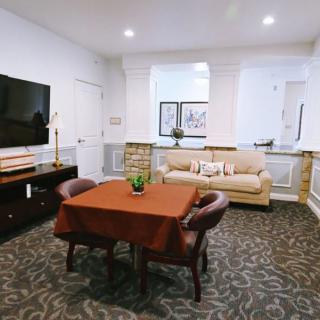
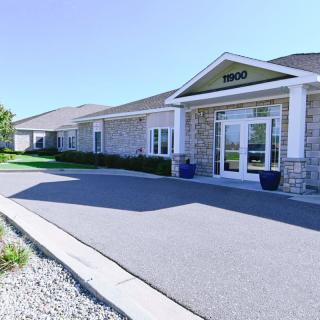
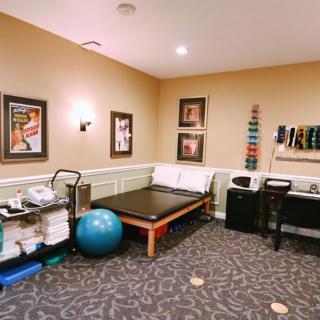
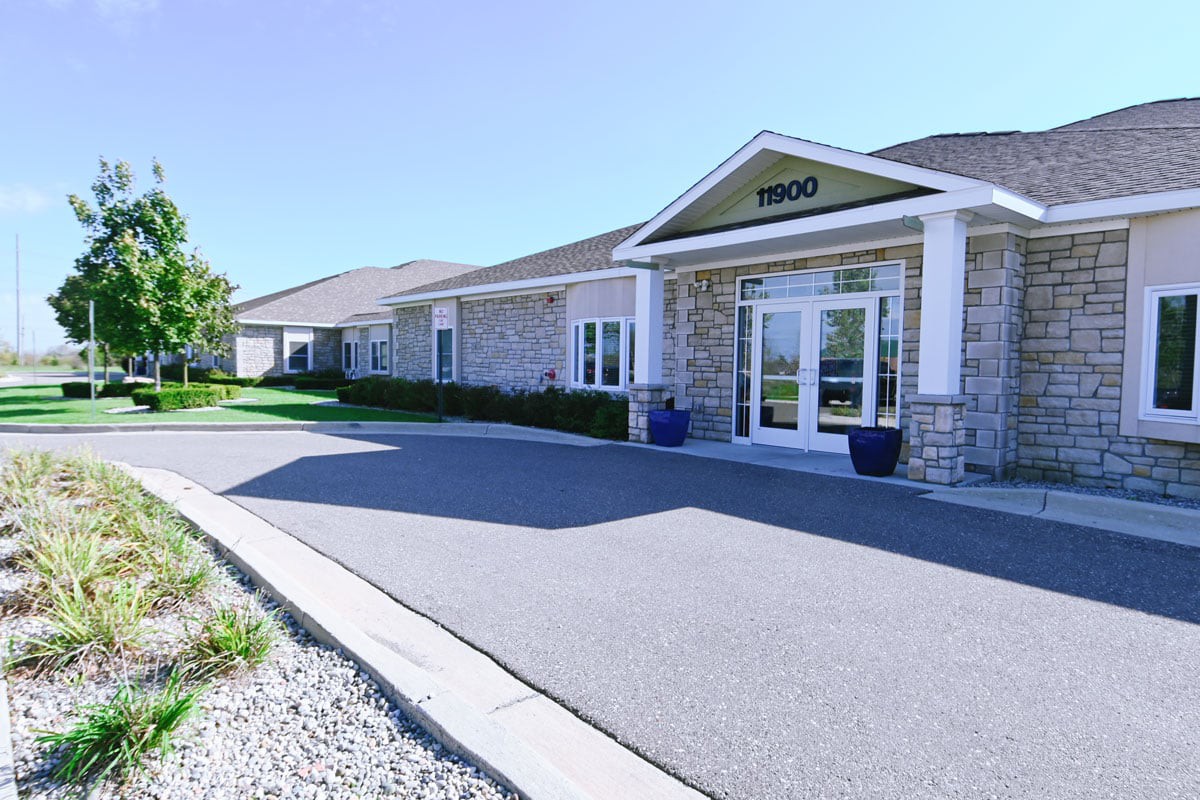
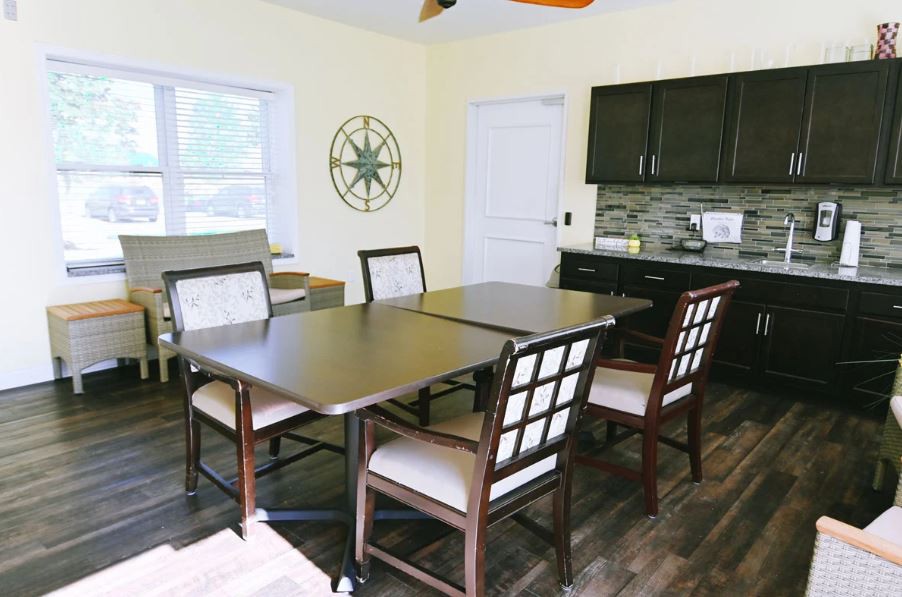
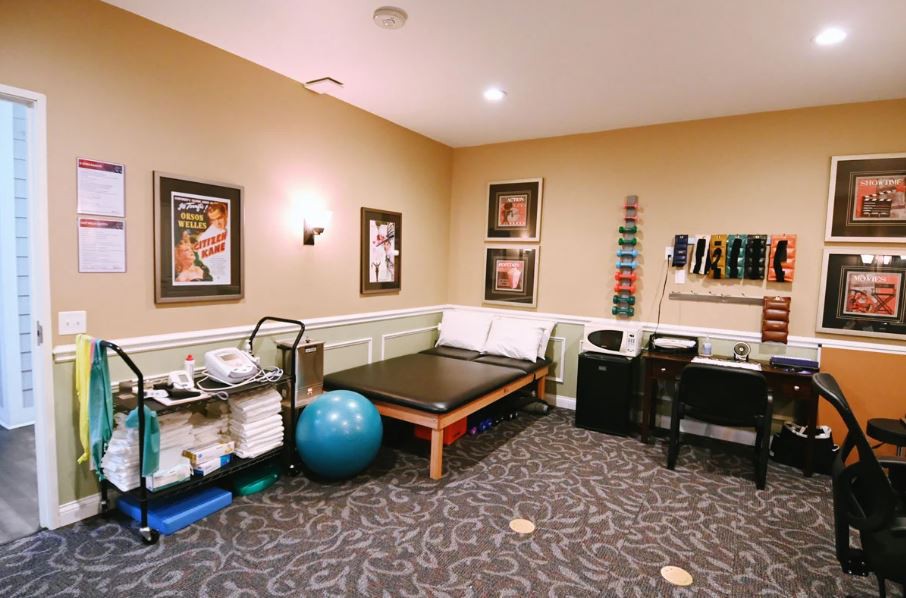
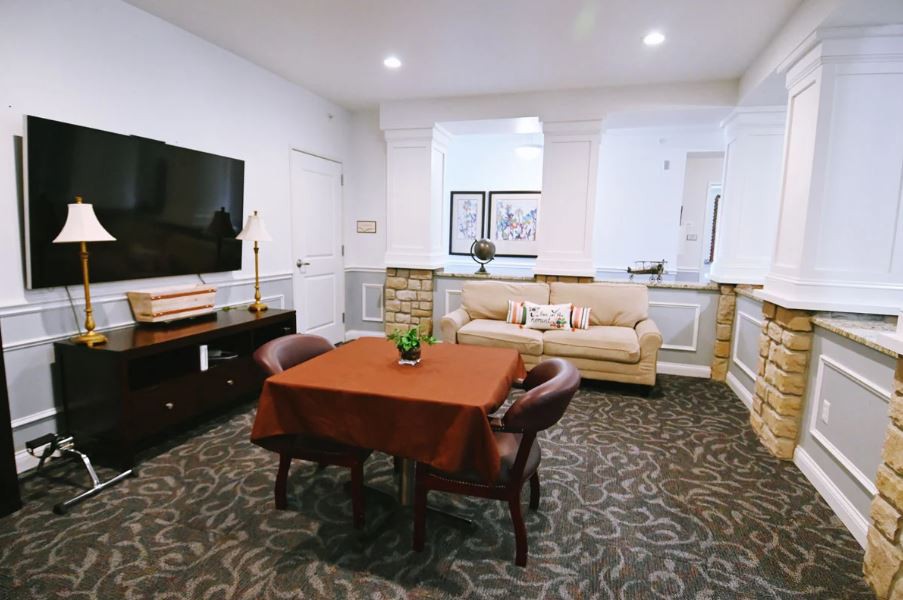
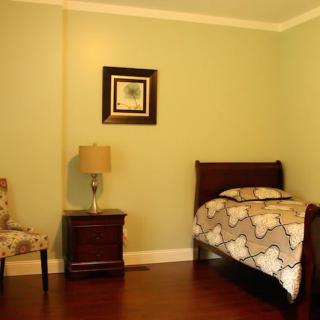
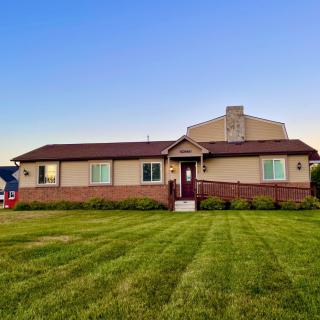
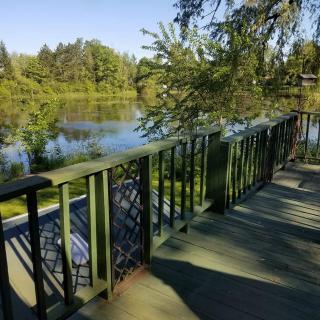
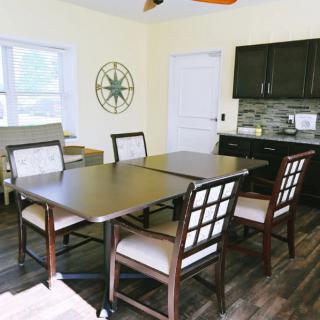
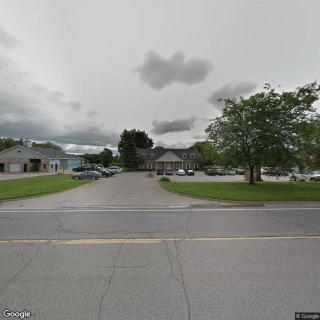
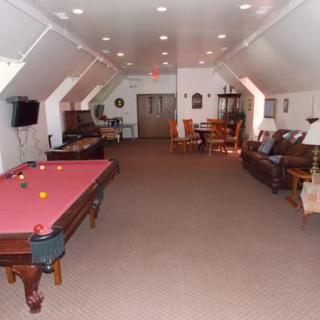
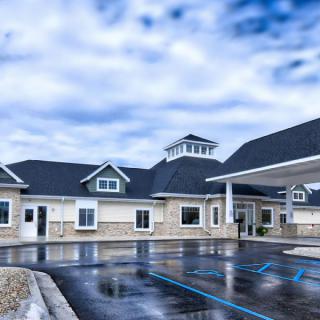
Vista Springs Washington Place on seniors.fyi includes 4 photos including images showing interior, decor, landscaping, dining, kitchen, physical therapy, exercise equipment, rehabilitation, and more.
Nearby Communities
Vista Springs Washington Place - Spring Cove
Washington Twp, MI
Intimate 20-resident community with 24/7 supervision and diabetes care.
Vista Springs Washington Place - Spring Harbor
Washington Township, MI
4.9 from 100 reviews
Fully furnished apartments with restaurant-style dining and 24/7 supervision.
Home Helpers and Direct Link
Washington, MI
4.8 from 103 reviews
$2,700 to $3,000 / month
Helpful staff guidance (e.g., Anne Marie) and supportive customer service.
The MediLodge Group
Washington, MI
2.5 from 4 reviews
$4,823 to $6,269 / month
Medilodge- Washington Twp
Washington, MI
3 from 3 reviews
Warm, welcoming atmosphere with personalized assistance
Van Dyke Home
Romeo, MI
4.1 from 81 reviews
Intimate 6-bed community with comprehensive ADL support and medical coordination.
Angelica's Place
Romeo, MI
3.8 from 21 reviews
$3,800 to $4,500 / month
Compassionate staff and affordable dementia care pricing.
Orchard Grove Health Campus
Romeo, MI
3.9 from 64 reviews
$3,200 to $4,500 / month
Clean, inviting environment with engaging activities and access to memory care and rehab services.
Shelby Comfort Care
Shelby Township, MI
4.6 from 137 reviews
$4,900 to $7,150 / month
Clean, modern facility with friendly staff and improved dining.
The transition from assisted living to skilled nursing care is often prompted by complex medical needs that assisted living cannot meet, with key indicators including frequent health declines, increased falls, severe memory issues, and caregiver burnout. Families should recognize these signs early to discuss options with healthcare providers and prepare for the emotional and logistical aspects of moving to a facility that offers comprehensive medical support.
Dementia is characterized by cognitive decline, with nutrition playing a vital role in brain health; while no specific diet can prevent or reverse it, a nutrient-dense diet rich in antioxidants and healthy fats may support cognitive function. The MIND diet, which emphasizes beneficial foods and limits processed items, along with proper hydration and individualized meal strategies, can enhance the well-being of dementia patients.
Dementia affects memory and cognitive function in older adults, presenting challenges for caregivers due to behavioral changes such as confusion and mood swings. Compassionate, person-centered care that considers individual history and preferences, along with effective communication and environmental modifications, is essential for supporting both patients and their caregivers.
Exercise Equipment, Rehabilitation, and Physical Therapy
Get PricingAsk A QuestionSchedule A TourContact Senior Advisor
By clicking submit, you agree to our Partner's Terms of Use. You
also consent to receive calls and texts, which may be autodialed, from our Partner. Your consent is not a condition to
using our Partner's service. Please visit our Partner's Privacy Policy for information about their privacy practices.





 Assisted Living
 Memory Care
 Cats allowed
 Dogs allowed
 Activities off-site
 Beautician on-site
 Devotional services off-site
 Indoor common areas
 Outdoor common areas
 Respite or short term stays offered
 Wheelchair accessible showers
 Diabetic care
 Incontinence care
 Medication management
 Meals provided
 Intimate 20-resident community with 24/7 supervision and diabetes care.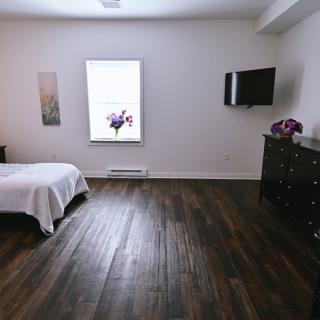


 8 Key Indicators That Suggest It May Be Time to Transition from Assisted Living to Skilled Nursing Care
 Nourishing the Mind: Essential Dietary Approaches for Dementia
 Understanding Dementia Behaviors: Practical Insights and Strategies for Caregivers