Van Dyke Home in Romeo, MI

74501 Van Dyke, Romeo, MI 48065

For more information about senior living options: (844) 490-3973

4.1 from 74 reviews
5 stars
53
4 stars
3
3 stars
2
2 stars
1
1 stars
15

Assisted Living

What level of care are you interested in?

Assisted Living

Memory Care

Independent Living

Skilled Nursing Facility

Continuing Care Retirement Community (CCRC)CCRC

Other


Request a tour at Van Dyke Home

    Overall Review of Van Dyke Home

    Pros

    • pro The staff was kind and conscientious with great attention to detail.
    • pro The food was tasty.
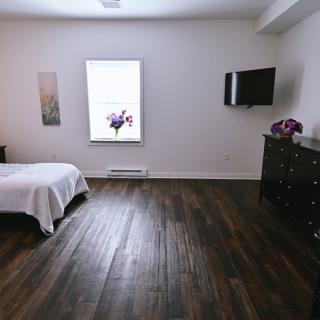
    • pro The rooms were spacious and well appointed.
    • pro Awesome rehab with great staff and fun activities like bingo, cards, and crafts.
    • pro All around a very wonderful place to do rehab and be successful.
    • pro Great care, excellent food, and wonderful staff in long-term care.
    • pro The facility is absolutely amazing; the staff have been outstanding, kind, caring, and compassionate.
    • pro The nurses and CNAs go out of their way to brighten days by doing thoughtful things.
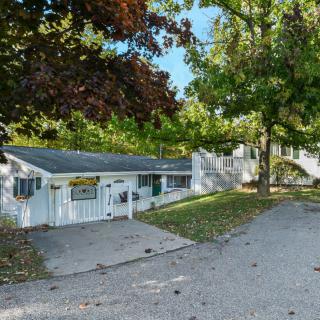
    • pro The facility is immaculate, and the grounds are lovely and peaceful.
    • pro The Bistro has fabulous food and the staff are friendly.
    • pro The team is caring, compassionate, responsive, and calming; they lend a hand when needed.
    • pro This is by far the best facility; the staff are caring and compassionate.

    Cons

    • pro The facility is critically understaffed.
    • pro The staff are short-staffed and lie about everything.
    • pro The facility lost a patient's medical cards and ID.
    • pro A patient was left laying in wet bedding overnight.
    • pro The door is often locked and staff do not answer.
    • pro The facility is not family-friendly.
    • pro It is described as the worst place ever.

    Review

    Van Dyke Home in Romeo, MI is best suited for families seeking a strong short-term rehabilitation-focused stay where aggressive therapy goals and a warm, homemaking environment are paramount. The community earns solid marks for post-acute recovery: a therapy team that patients and families consistently describe as capable and tireless, nurses and aides who are compassionate and engaged, and a setting that feels clean, welcoming, and comfortable. For families prioritizing tangible rehab progress, clear communication around goals, and a facility that feels like home during a difficult recovery period, this is a practical, often excellent fit.

    Those weighing alternatives should consider memory care needs, ongoing medical complexity, and the realities of staffing rhythm. A segment of the feedback points to challenges in around-the-clock care and responsiveness that can become acute for residents with chronic or high-dependency medical needs. For families whose loved ones require constant supervision, rigorous monitoring, or consistent med management, it may be prudent to compare staffing levels and incident histories at other communities. Additionally, a few reviews raise concerns about safety, privacy, and busy frontline performance; in such cases, exploring facilities with a tighter track record on consistency and family-centered communication is wise.

    The strongest positives revolve around rehab outcomes and the human touch from frontline staff. Therapists are praised for their dedication, with many residents achieving meaningful improvements after surgery or acute illness. The nursing team, CNAs, and social workers frequently earn kudos for attentiveness, accessibility, and genuine care - often going beyond routine duties to support residents and families. The facility itself supports these strengths with abundant natural light, clean spaces, and a homelike ambience, including pleasant dining areas and a bistro that contributes to social interaction and comfort. When therapy goals align with a resident's functional priorities, these elements translate into tangible, confidence-boosting progress.

    On the downside, concerns that recur in the reviews center on staffing adequacy and follow-through. Several accounts describe periods of understaffing that affect consistency of care, responsiveness to call bells, and the ability to maintain routine safety measures. There are serious, albeit infrequent, warnings about how medical needs were managed in crisis moments, as well as complaints about miscommunications or delays in information sharing with families. A few families report issues around privacy and dignity, and a handful of reviews flag the facility's management for not meeting expectations in a timely or transparent manner. These are meaningful cautions that cannot be ignored when evaluating long-term or high-dependency needs.

    The key to whether the pros offset the cons lies in the intended stay and the resident's care trajectory. For short-term rehab with clear functional goals, the therapy intensity, staff warmth, and high-quality meals tend to outweigh occasional scheduling or communication hiccups. Families consistently highlight progress, the quality of interaction with therapists, and the overall uplifting environment as defining positives. However, for residents who require around-the-clock medical oversight, memory care, or reliable, day-to-day consistency in care, the risk signals - partially borne out by some families' experiences - suggest a thorough comparison with other options before committing. The facility's strengths are real and compelling, but they are best leveraged by a plan that aligns expectations with staffing realities.

    Practical guidance for a decision is to conduct a focused, confirming visit with concrete questions. Verify PT/OT minutes and frequency, both daily and weekly goals, and ask to speak directly with the therapy leads about care plans. Probe staffing patterns across shifts, request examples of daily communication with families, and review how medication administration and allergy management are documented and audited. If memory care or long-term, high-need care is anticipated, compare similar facilities' staffing ratios, incident histories, and family reference experiences. Finally, assess the environment in person - observe meal service timing, dining room atmosphere, and how staff respond to call bells - and listen to a cross-section of family members about their lived experience. A well-chosen choice will hinge on matching rehab ambitions with a transparent understanding of staffing reliability and overall consistency of care.

    Features

    Housing

    • 6 resident community capacity 6 resident community capacity

    Types of Care

    • Assisted Living Assisted LivingAssisted living facilities provide crucial support and care for seniors who may need help with daily tasks such as medication management, bathing, and meal preparation. These communities offer a safe and comfortable environment where seniors can maintain their independence while receiving the assistance they need to thrive in their golden years.

    Amenities

    • Cable or satellite TV Cable or satellite TVCable or satellite TV is important for seniors because it provides entertainment, news, and companionship, helping to combat loneliness and boredom. It also offers a wide range of programming options tailored to different interests and preferences.
    • Dining room Dining roomDining rooms are important for seniors as they provide a space for socialization, connection, and nutritious meals. They offer opportunities for residents to bond over shared meals, foster a sense of community, and promote healthy eating habits. Dining rooms also ensure that seniors have access to well-balanced meals tailored to their dietary needs and preferences.
    • Fully furnished Fully furnishedFully furnished senior living communities are important for seniors because they provide convenience, comfort, and a hassle-free moving experience. Seniors can easily settle into their new living space without the stress of having to buy and move furniture. This allows them to focus on enjoying their new home and community.
    • Garden GardenGardens are important for seniors as they provide a peaceful and therapeutic environment for relaxation, physical activity, and socialization. Being in nature has been shown to reduce stress, improve mood, and promote overall well-being. Gardens also offer opportunities for seniors to engage in gardening activities, which can improve mobility, flexibility, and cognitive function. Additionally, gardens create a sense of community and connection with others who share a passion for plants and outdoor spaces.
    • Housekeeping services Housekeeping servicesHousekeeping services are important for seniors because they help maintain a clean and safe living environment, promote independence, and reduce the risk of accidents or illnesses. Additionally, having assistance with household chores can alleviate physical strain and allow seniors to focus on other aspects of their well-being.
    • Move-in coordination Move-in coordinationMove-in coordination is important for seniors because it helps ease the transition into their new living environment. It ensures that all logistics, such as packing, organizing movers, and setting up utilities are taken care of, allowing seniors to focus on settling in and adjusting to their new home. Having a smooth move-in process can alleviate stress and anxiety, making the transition smoother and more enjoyable for seniors.
    • Outdoor space Outdoor spaceOutdoor spaces are important for seniors as they provide opportunities for physical activity, social interaction, exposure to natural light and fresh air, and a sense of connection to nature. Having access to outdoor spaces can improve overall well-being and quality of life for older adults living in senior communities.
    • Telephone TelephoneTelephones are important for seniors as they provide a lifeline for communication with loved ones, emergency services, and healthcare providers. They offer a sense of security and independence, enabling seniors to stay connected and access assistance when needed.
    • Wi-Fi/high-speed internet available Wi-Fi/high-speed internet availableWi-Fi/high-speed internet is important for seniors to stay connected with loved ones, access online resources, and participate in virtual activities to combat feelings of loneliness and isolation. It also allows them to easily manage healthcare needs, access entertainment, and engage in lifelong learning opportunities.

    Care Services

    • 24-hour supervision 24-hour supervision24-hour supervision is important for seniors to ensure their safety, well-being, and access to immediate assistance in case of emergencies or health issues. This constant support provides peace of mind for both seniors and their loved ones, allowing them to age in place with dignity and security.
    • Activities of daily living assistance Activities of daily living assistanceActivities of daily living assistance are important for seniors because they provide essential support with tasks such as eating, bathing, dressing, and mobility. This assistance helps seniors maintain their independence, dignity, and overall quality of life as they age.
    • Assistance with bathing Assistance with bathingAssistance with bathing is crucial for seniors as it helps maintain personal hygiene, prevents infections, and ensures their overall well-being and comfort. It also provides a sense of dignity and independence for seniors who may struggle with this task on their own.
    • Assistance with dressing Assistance with dressingAssistance with dressing is important for seniors because it helps maintain their independence, promotes personal hygiene, prevents accidents and injuries, and improves overall quality of life. This service ensures that seniors can continue to dress comfortably and confidently, despite any physical limitations they may have.
    • Assistance with transfers Assistance with transfersAssistance with transfers is crucial for seniors as it helps prevent falls and injuries, maintains their independence, and ensures they can safely navigate their living environment. It also provides peace of mind for both seniors and their loved ones.
    • Coordination with health care providers Coordination with health care providersCoordination with health care providers is crucial for seniors to ensure proper medical care, medication management, and overall well-being. This collaboration helps prevent overlapping treatments, track progress more effectively, and provide comprehensive support tailored to individual needs.
    • Diabetes diet Diabetes dietA diabetes diet is crucial for seniors as it helps manage blood sugar levels, reduce risks of complications, and improve overall health and well-being. By following a balanced and nutritious diet tailored to their specific needs, seniors can better control their diabetes and enhance their quality of life.
    • Meal preparation and service Meal preparation and serviceMeal preparation and service are crucial for seniors as they may have limited mobility or energy to cook nutritious meals. Having access to healthy and convenient food options can ensure they are getting the proper nutrition needed to maintain their overall health and well-being.
    • Medication management Medication managementMedication management is crucial for seniors to ensure they are taking the right medications at the correct dosages and times. This helps prevent adverse drug interactions, reduces the risk of medication errors, and promotes overall health and well-being. Proactive management also allows for adjustments as needed based on changing health conditions or new prescriptions.
    • Special dietary restrictions Special dietary restrictionsSpecial dietary restrictions are important for seniors because age-related changes in metabolism and health conditions can make it difficult for their bodies to process certain foods. By following a diet tailored to their specific needs, seniors can maintain their overall health and well-being, manage chronic conditions, and reduce the risk of complications such as malnutrition or food interactions with medications.
    • Transportation arrangement (medical) Transportation arrangement (medical)Transportation arrangements for medical purposes are essential for seniors as they may have difficulty driving themselves to appointments or accessing public transportation. Having reliable and safe transportation options ensures that seniors can receive timely medical care and maintain their health and well-being.
    • Transportation to doctors appointments Transportation to doctors appointmentsTransportation to doctors' appointments is crucial for seniors as it ensures they have access to necessary medical care and support for their health needs. Without reliable transportation, seniors may struggle to attend important appointments, leading to potential delays in treatment and health complications. Providing transportation services helps seniors maintain their overall well-being and quality of life.
    Dining

    • Diabetes diet Diabetes dietA diabetes diet is crucial for seniors as it helps manage blood sugar levels, reduce risks of complications, and improve overall health and well-being. By following a balanced and nutritious diet tailored to their specific needs, seniors can better control their diabetes and enhance their quality of life.
    • Special dietary restrictions Special dietary restrictionsSpecial dietary restrictions are important for seniors because age-related changes in metabolism and health conditions can make it difficult for their bodies to process certain foods. By following a diet tailored to their specific needs, seniors can maintain their overall health and well-being, manage chronic conditions, and reduce the risk of complications such as malnutrition or food interactions with medications.

    Activities

    • Community-sponsored activities Community-sponsored activitiesCommunity-sponsored activities are important for seniors as they provide opportunities for social interaction, mental stimulation, and physical activity. These activities can help improve overall well-being, combat loneliness and isolation, and promote a sense of belonging and purpose among older adults.
    • Scheduled daily activities Scheduled daily activitiesScheduled daily activities are important for seniors because they provide structure, socialization, mental stimulation, and physical activity. Engaging in regular activities can improve overall well-being and quality of life for seniors living in a community setting.

    Description

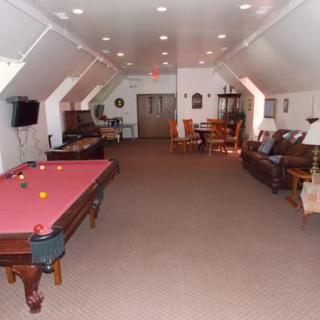
    The Van Dyke Home in Romeo, MI is a fully furnished assisted living community that offers a range of amenities and care services to meet the needs of its residents. The dining room provides a comfortable space for residents to enjoy their meals, with special dietary restrictions taken into consideration. Housekeeping services are provided to ensure a clean and organized living environment.

    Residents can also take advantage of the beautiful outdoor spaces and garden areas, which offer opportunities for relaxation and enjoyment. For those who require assistance with activities of daily living, such as bathing, dressing, and transfers, the caring staff is available to provide support. Coordination with health care providers ensures that residents receive the necessary medical attention they require.

    Meal preparation and service are offered, with options available for diabetes diets and special dietary restrictions. Medication management is provided to ensure that residents take their medications as prescribed. Transportation arrangement for medical appointments is also available.

    In terms of nearby amenities, there are cafes, parks, pharmacies, physicians, restaurants, and transportation options in close proximity to the community. Residents can stay active and engaged through scheduled daily activities that cater to their interests.

    Overall, the Van Dyke Home in Romeo, MI offers a welcoming and supportive environment for seniors looking for assisted living services. With its range of amenities and care services, residents can enjoy a comfortable lifestyle while receiving the assistance they need.

    Nearby Places of Interest

    Physicians

    • Romeo Family Health Care (0.3 miles)
    • Romeo Family Medical (0.4 miles)
    • Roland Stanley S DO (0.5 miles)
    • Romeo Medical (0.7 miles)
    • Michigan Orthopedic & Spinal Surgery (1.5 miles)
    • Gregory E. Gould, DO PC (4.2 miles)
    • Henry Stephen, DDS (4.8 miles)

    Restaurants

    • Thee Office Pub & Cookery (0.6 miles)
    • Wendy's (0.6 miles)
    • Art & Jakes Sports Grill Washington (1.1 miles)
    • Washington Grill (1.8 miles)
    • Bar Verona (4.6 miles)
    • Blake's Ciderhouse & Winery (5 miles)
    • Brown Iron Brewhouse Washington Township (5.3 miles)

    Cafes

    • Tim Hortons (0.8 miles)
    • The Hot Spot Coffee (9.8 miles)

    Pharmacies

    • Romeo Plank Pharmacy (1.7 miles)
    • Rite Aid (2.5 miles)
    • Meijer Pharmacy (5.5 miles)
    • Walgreens (5.7 miles)
    • Epic Pharmacies (7 miles)
    • Health Mart Pharmacy (7.4 miles)
    • CVS Pharmacy (7.6 miles)

    Transportation

    • Romeo Airport (D98) (1.9 miles)

    Parks

    • Gilcher Park (3 miles)
    • River Bends Park (5.8 miles)
    • Stony Creek Nature Center (6.3 miles)
    • Armada Village Park (7.5 miles)
    • Mae Stecker Park (7.7 miles)
    • Addison Oaks County Park (7.8 miles)
    • Almont Community Park (8.6 miles)

    Places of Worship

    • St Peter Lutheran Church (8.1 miles)
    • First Congregational Church (8.9 miles)
    • Almont New Church Assembly (10.2 miles)
    • Shelby Bible Church (10.2 miles)

    Theaters

    • Emagine Macomb (8.6 miles)

    Hospitals

    • St John Medical Center (9.2 miles)

    Frequently Asked Questions

    Where is Van Dyke Home?

    Nearby Communities

    • Wellbridge Of Romeo

      Wellbridge Of Romeo

      Romeo, MI

      4.1 from 74 reviews
       

      pro Extensive amenities and 24/7 care services (dining, transportation, wellness center, beauty salon, activities).


    • Woodward's Assisted Living

      Woodward's Assisted Living

      Romeo, MI

      5 from 1 review
       

      pro 24-hour supervision with full daily living support and on-site amenities.

    • Angelica's Place

      Angelica's Place

      Romeo, MI

      3.8 from 21 reviews
      $3,800 to $4,500 / month

      pro Compassionate staff and affordable dementia care pricing.

    • Home Helpers and Direct Link

      Home Helpers and Direct Link

      Washington, MI

      4.8 from 99 reviews
      $2,700 to $3,000 / month

      pro Helpful staff guidance (e.g., Anne Marie) and supportive customer service.

    • Vista Springs Washington Place - Spring Cove

      Vista Springs Washington Place - Spring Cove

      Washington Twp, MI


      pro Intimate 20-resident community with 24/7 supervision and diabetes care.

    • Vista Springs Washington Place - Spring Harbor

      Vista Springs Washington Place - Spring Harbor

      Washington Township, MI

      4.9 from 100 reviews
       

      pro Fully furnished apartments with restaurant-style dining and 24/7 supervision.

    • Orchard Grove Health Campus

      Orchard Grove Health Campus

      Romeo, MI

      3.9 from 64 reviews
      $3,200 to $4,500 / month

      pro Clean, inviting environment with engaging activities and access to memory care and rehab services.

    • Shelby Comfort Care

      Shelby Comfort Care

      Shelby Township, MI

      4.5 from 119 reviews
      $4,900 to $7,150 / month

      pro Clean, modern facility with friendly staff and improved dining.

    • Caremore of Oxford Assisted Living - Campbell Personal Care Home

      Caremore of Oxford Assisted Living - Campbell Personal Care Home

      Leonard, MI

      4.3 from 23 reviews
      $2,000 to $3,500 / month

      pro Proximity to loved ones with open visiting hours and compassionate staff who treat residents like family.

    Related Resources

    • va benefits for assisted livingAssisted Living Support for Veterans: A Complete and Detailed Overview

      The guide highlights the importance of assisted living facilities for aging veterans needing daily support, discusses unique challenges they face, and outlines available financial assistance from the VA, including the Aid and Attendance program. It emphasizes understanding eligibility criteria and navigating the VA system to access necessary benefits effectively.

    • assisted living vs skilled nursingExploring the Contrasts Between Assisted Living and Skilled Nursing

      The article compares assisted living and skilled nursing facilities, detailing their differing levels of assistance, medical support, cost structures, and day-to-day experiences. It emphasizes that assisted living is for those needing help with daily activities while maintaining independence, whereas skilled nursing facilities provide intensive medical care with 24-hour staff supervision.

    • when to move from assisted living to nursing home8 Key Indicators That Suggest It May Be Time to Transition from Assisted Living to Skilled Nursing Care

      The transition from assisted living to skilled nursing care is often prompted by complex medical needs that assisted living cannot meet, with key indicators including frequent health declines, increased falls, severe memory issues, and caregiver burnout. Families should recognize these signs early to discuss options with healthcare providers and prepare for the emotional and logistical aspects of moving to a facility that offers comprehensive medical support.


    Get Pricing Ask A Question Schedule A Tour Contact Senior Advisor