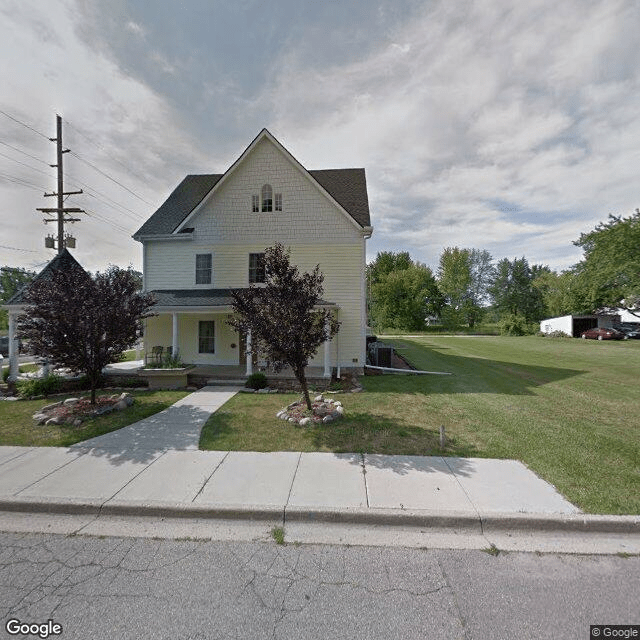
328 East Lafayette, Romeo, MI 48065
For more information about senior living options: (866) 208-4318
Angelica's Place Costs & Pricing
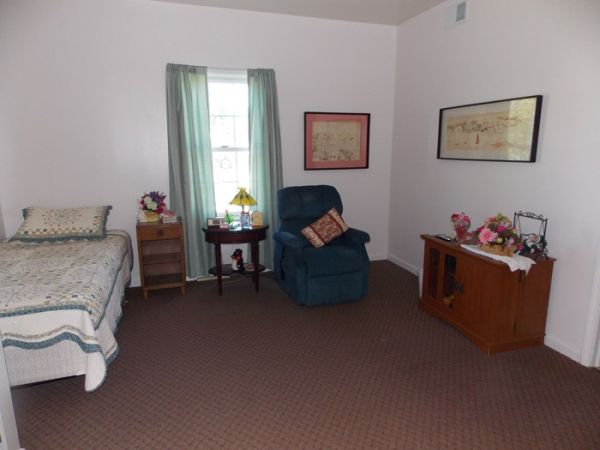
Angelica's Place offers a compelling value for its residents, with monthly costs that align closely with the surrounding market yet reflect a higher standard of care and amenities. For a semi-private room, the expense is $3,800, which is higher than both Macomb County's average of $3,232 and the state average of $3,191. When considering a studio apartment, the cost at Angelica's Place rises to $4,500, notably exceeding Macomb County's rate of $3,840 and Michigan's statewide average of $3,824. While these rates may be above local averages, they suggest an emphasis on delivering exceptional quality and personalized support that can greatly enhance the living experience for residents.
| Floor plans | Angelica's Place | Macomb County | Michigan |
|---|---|---|---|
| Semi-Private | $3,800 | $3,232 | $3,189 |
| Studio | $4,500 | $3,840 | $3,824 |
Memory care communities with a similar price nearby
-
About the same
Silverbell Manor
$3,800 / month12.0 miles away -
from +$200 / mo
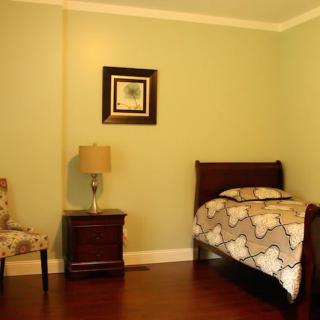
Oakland View Senior Living
$4,000 to $5,000 / month6.7 miles away -
from -$200 / mo
Pineview Manor
$3,600 / month15.9 miles away -
from +$700 / mo
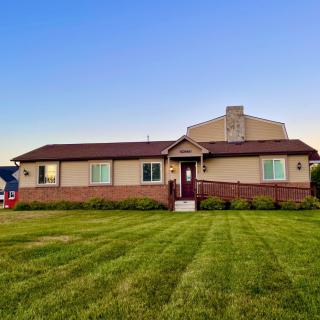
Hearthstone Communities Sterling I
$4,500 / month15.2 miles away -
About the same
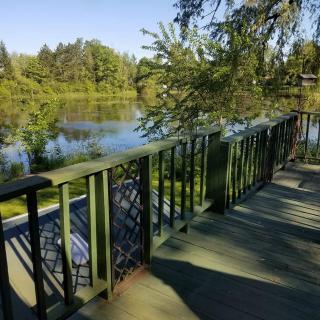
Advanced Care AFC Home, LLC
$3,800 to $4,800 / month23.9 miles away
Overall Review of Angelica's Place
Pros
 Carrie and the staff at Angelica’s Place are phenomenal.
- The homey atmosphere at Angelica’s Place is highly appreciated.
- The facility offers extensive inclusions in its monthly pricing.
- Alex is a wonderful facility operator who cares about residents like family.
- The CNAs are caring and qualified, and all residents are well cared for.
- The staff at Angelica’s Place become like family to residents.
- The meals prepared by the chef are highly praised by residents.
Cons
 The staff are overworked and underpaid.
- The atmosphere is not friendly and feels unwelcoming.
- Residents have been left sitting in their own feces, indicating poor care.
- The food is bland and not nutritious.
- Belongings are frequently lost or stolen, and the facility’s cleanliness is lacking.
- The staff lack empathy and work ethic, leading to subpar care.
- A flu outbreak occurred, and families were not promptly notified.
- Some reviews are suspected to be fake or inflated.
Review
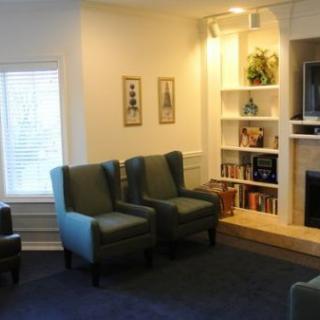
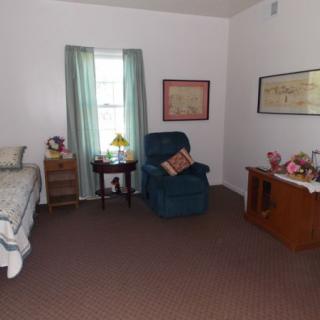
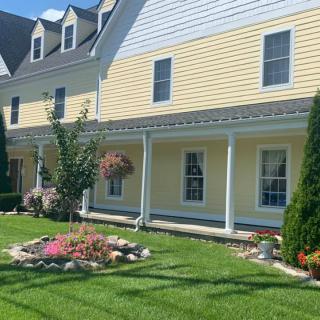
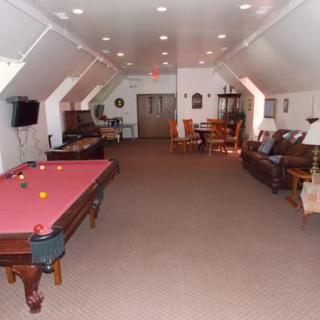
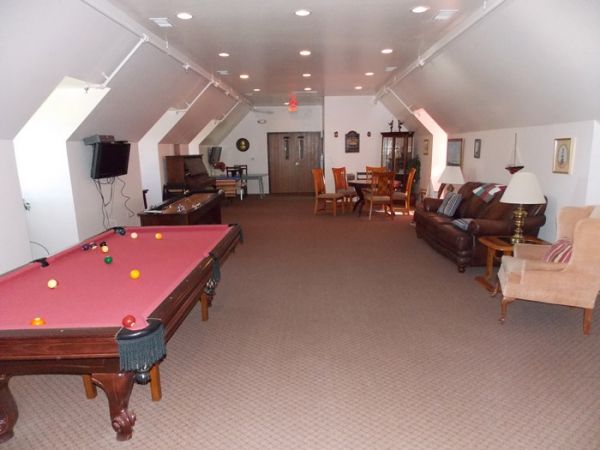
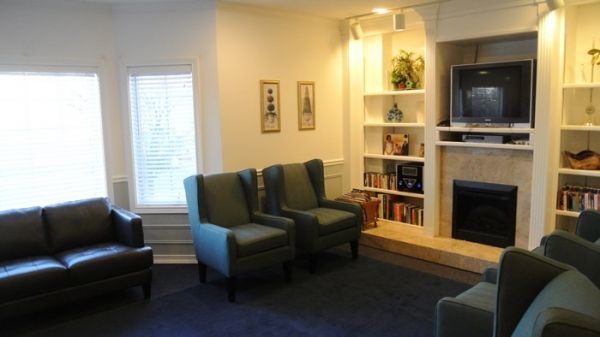
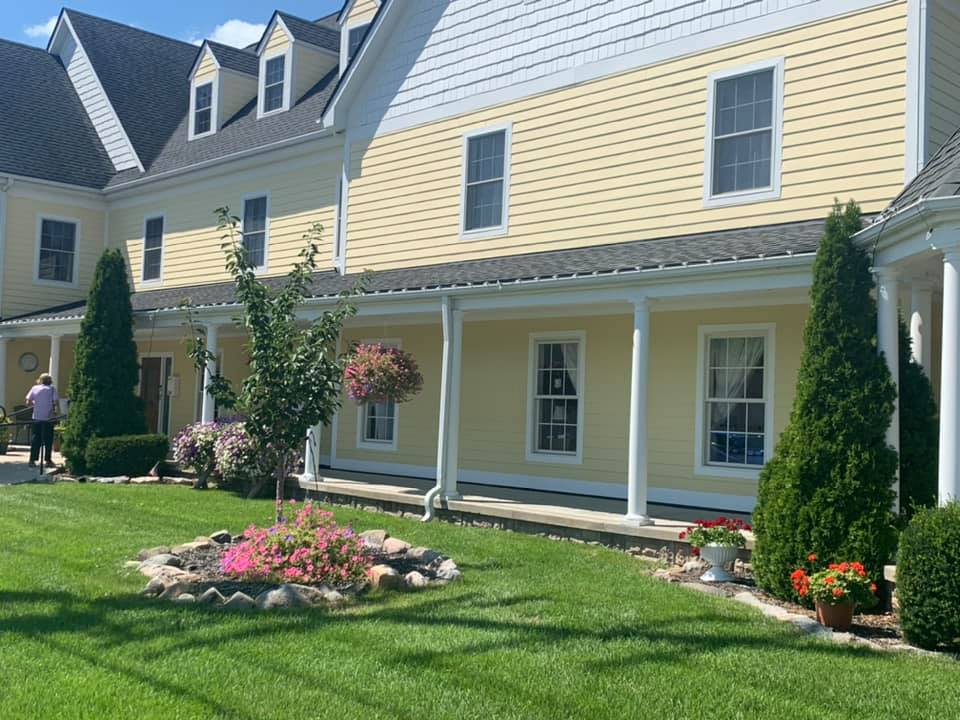
Angelica’s Place in Romeo, MI is best suited for families seeking a compact, home-like assisted living where care feels personal, pricing is predictable, and residents can stay actively engaged in a warm, family-style environment. The community earns points for a palpable sense of hominess, hands-on involvement from the owners, and caregivers who are repeatedly described as compassionate and attentive. Reviewers point to a strong emphasis on cultivating relationships, a resident-focused atmosphere, and routines that keep residents socially connected through events, crafts, and regular dining experiences. For families weighing memory-care needs, Angelica’s Place often rises to the top as a place where dementia-friendly practices and close daily observation are prioritized.
Those who may want to consider alternatives are primarily families seeking larger facilities with more comprehensive medical staffing or a deployment of resources typical of bigger campuses. If a resident requires higher-acuity nursing, extensive rehabilitation services, or a level of safety oversight associated with skilled nursing environments, Angelica’s Place may fall short. A few reviews raise red flags about staffing strain, turnover, and perceived gaps in supervision, suggesting that in some days the environment can feel overstretched. For families with very stringent expectations around cleanliness, medication management, or incident reporting, it is prudent to compare with facilities that operate with larger teams and more formalized, document-driven processes.
The strongest pro is the positive, home-like culture that many families report translating into genuine comfort for residents. The feature set that offsets some concerns includes inclusive monthly pricing, which allows budgeting without frequent surprises, and a calendar rich with activities, meals prepared by a dedicated chef, and events that welcome family participation. The owners’ visible involvement appears to drive a sense of accountability and quick responsiveness, a dynamic that resonates in several reviews and is hard to replicate in larger, more impersonal settings. For dementia care, staff training and consistent demonstrations of patience, safety awareness, and tailored transfers provide reassurance that the core needs of memory-impaired residents are understood and prioritized.
The main cons cited revolve around staffing pressures and the resulting impact on daily life. Some reviews describe staff as overworked and underpaid, which in turn can affect responsiveness, transfers, and bedside attention. A subset of accounts includes allegations of neglect, inconsistent hygiene practices, and even missing belongings, all of which raise legitimate safety and trust concerns for families evaluating the setting. Outdoor space is limited, and the building’s size may constrain activities and opportunities for outdoor engagement. While several families praise the warmth and personal care, these concerns suggest that Angelica’s Place may not deliver the same level of operational consistency as larger competitors with deeper resources.
Food quality shows a split. Many residents and families celebrate flavorful meals and a chef who understands dietary needs, while at least one review characterizes meals as dry or unappealing. This divergence matters because nutrition and appetite directly influence mood and energy, particularly for residents with dementia or mobility challenges. The existence of real, tangible praise for food from some families and critical notes from others means families should sample the dining experience themselves, request to join a meal, review sample menus, and ask how dietary restrictions are managed in practice. Scheduling activities, then correlating them with meals and staffing patterns, can also illuminate how well a given day runs in real time.
In the end, Angelica’s Place is a compelling option for families who want a cozy, community-driven setting with predictable pricing and strong dementia-focused care, delivered in a hands-on, caretaker-led environment. It is less clearly aligned with families seeking the resources and oversight of a larger campus, or with those who must have ironclad guarantees around staffing ratios and flawless hygiene. Concrete next steps are essential: visit multiple times, meet the owner and several caregivers, review license compliance and incident history, request a transparent breakdown of what is included in the monthly rate, and ask for references from current families. With due diligence, Angelica’s Place can be a genuine haven for a loved one, particularly when the family places high value on a warm, intimate atmosphere and sustained personal attention.
 23 resident community capacity
 Assisted Living
 Memory Care
 Respite Care
 Activities off-site
 Beautician on-site
 Cable or satellite TV
 Devotional services off-site
 Dining room
 Fully furnished
 Garden
 Housekeeping services
 Indoor common areas
 Kitchenette
 Move-in coordination
 Outdoor common areas
 Restaurant-style dining
 Small library
 Swimming pool / hot tub
 Telephone
 Wheelchair accessible showers
 Wi-Fi/high-speed internet available
 24-hour call system
 Ambulatory care
 Assistance with bathing
 Assistance with dressing
 Assistance with transfers
 Diabetes diet
 Diabetic care
 Medication management
 Mental wellness program
 Special dietary restrictions


 A Holistic Dementia Care Guide: Effective Strategies for Memory Support
 Memory Care Pathways: A Holistic Guide to Dementia Support
 Comprehending Evening Confusion in Dementia: Causes, Manifestations, and Support